Liu Yifan, Du Chunpeng, Shi Lei
School of Economics, Dongbei University of Finance and Economics, Dalian, 116025, Liaoning, China.
School of Mathematics, Kunming University, Kunming, 650214, Yunnan, China.
Sci Rep. 2024 Sep 5;14(1):20687. doi: 10.1038/s41598-024-71345-y.
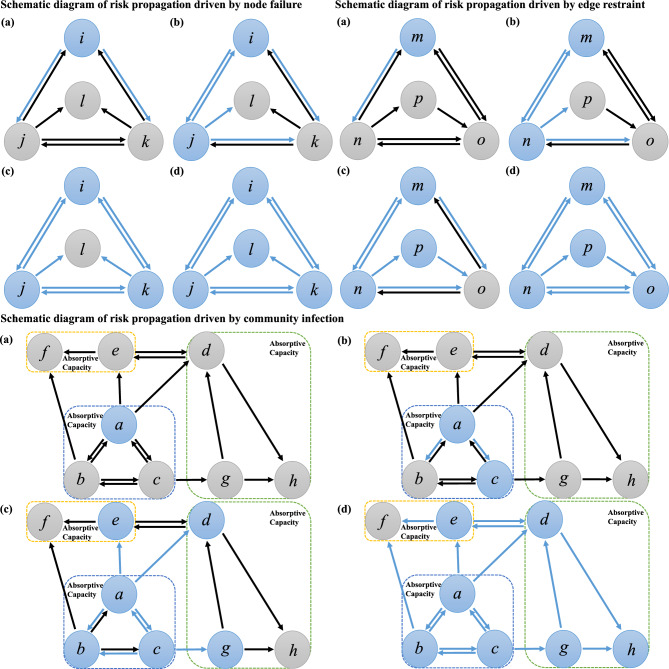
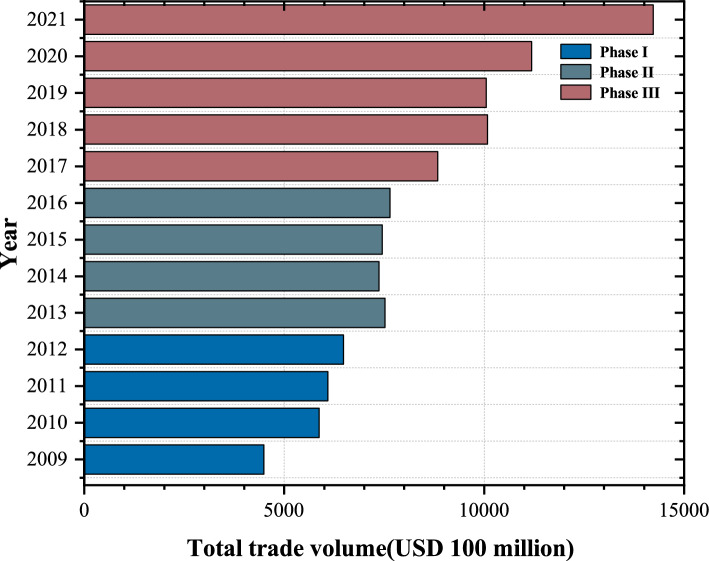
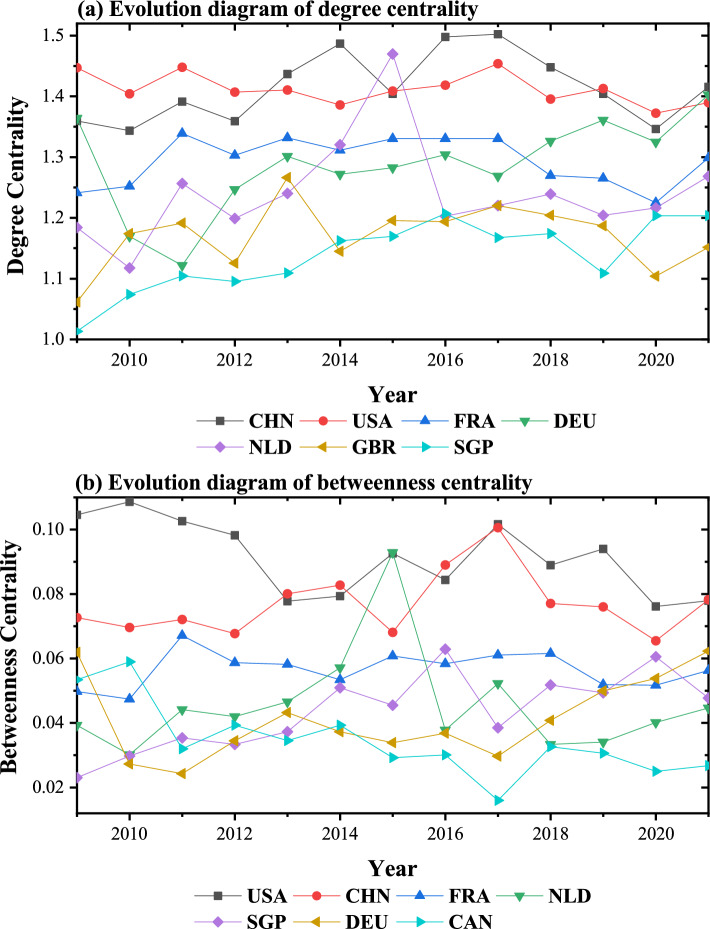
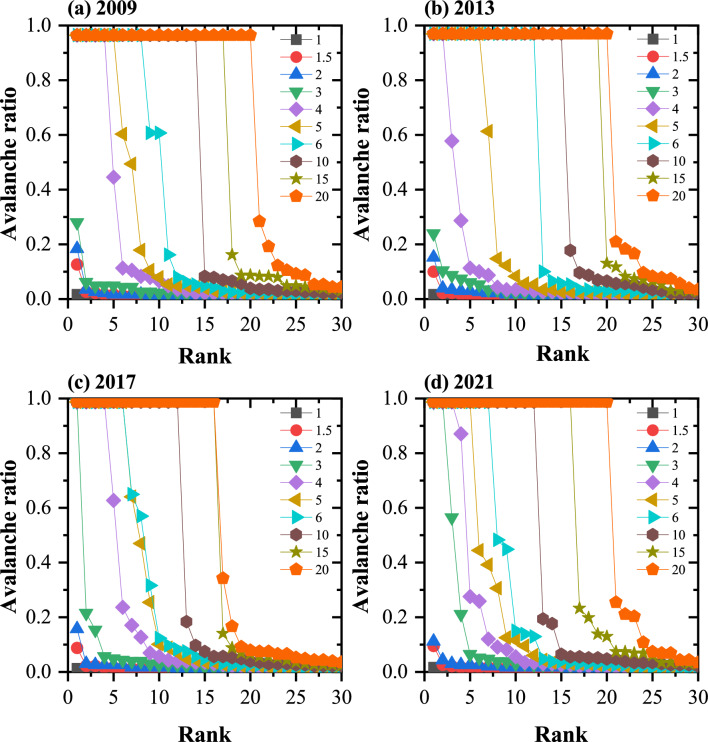
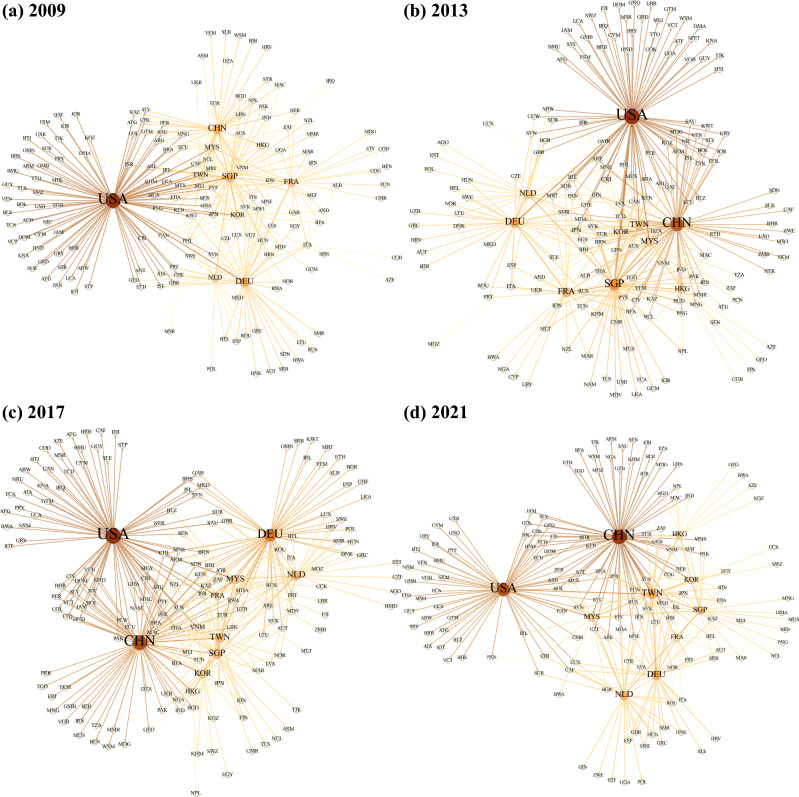
Risk cascading propagation research mostly focuses on complex theoretical networks. Recently, the vulnerability of international chip supply has increased notably, and it is strategically important to explore how shortage risk affects the emergence dynamics of the real chip trade systems. This study abstracts the global chip trade relationship data for 2009-2021 into multiple asymmetrically weighted networks. Using macro-network and micro-node indicators, we explore the topological traits of international chip trade networks and their evolutionary laws. Accordingly, we propose risk cascading propagation models driven by node failure and edge restraint and further innovate to open up the research paradigm of focused-edge networks. Furthermore, a community infection-driven risk cascading propagation mechanism that incorporates community risk absorption capacity is introduced, considering both the propagation attenuation effects and the trade dependency degree. A multi-dimensional dynamic perspective reveals the hidden systemic risks in international chip trade. The main results are as follows: first, international chip trade networks are highly connected and cohesive, consistent with small-world characteristics. Second, the proportion of economies that collapse because of supply shortage risk shocks increases with the impact coefficient . The dominant power in chip crisis propagation has shifted from Europe and America to Asia, and mainland China's risk penetration capacity has enhanced significantly. Third, focused-edge networks conform to a multi-hub radiation pattern. Before the COVID-19 pandemic, the degree of control and spillover effects of chip supply shortages in hub economies on the international trade was increasing progressively. Fourth, an increase in absorption capacity or attenuation factor consistently leads to a decline in avalanche scale, with exhibiting critical thresholds. These findings will help policymakers pursue efficient management strategies for chip trade, thereby improving supply stability and security.
风险级联传播研究大多聚焦于复杂的理论网络。近年来,国际芯片供应的脆弱性显著增加,探究短缺风险如何影响实际芯片贸易系统的涌现动态具有重要的战略意义。本研究将2009 - 2021年的全球芯片贸易关系数据抽象为多个非对称加权网络。利用宏观网络和微观节点指标,我们探究了国际芯片贸易网络的拓扑特征及其演化规律。据此,我们提出了由节点故障和边约束驱动的风险级联传播模型,并进一步创新以开拓聚焦边网络的研究范式。此外,引入了一种考虑传播衰减效应和贸易依赖程度的、由社区感染驱动且纳入社区风险吸收能力的风险级联传播机制。从多维度动态视角揭示了国际芯片贸易中潜藏的系统性风险。主要结果如下:第一,国际芯片贸易网络具有高度连通性和凝聚性,符合小世界特征。第二,因供应短缺风险冲击而崩溃的经济体比例随影响系数增加。芯片危机传播中的主导力量已从欧美转移至亚洲,中国大陆的风险渗透能力显著增强。第三,聚焦边网络符合多中心辐射模式。在新冠疫情之前,中心经济体芯片供应短缺对国际贸易的控制程度和溢出效应在逐渐增强。第四,吸收能力或衰减因子的增加始终导致雪崩规模下降,且呈现出临界阈值。这些发现将有助于政策制定者制定高效的芯片贸易管理策略,从而提高供应稳定性和安全性。