Gazil Olivier, Alonso Cerrón-Infantes D, Virgilio Nick, Unterlass Miriam M
Universität Konstanz, Department of Chemistry, Solid State Chemistry, Universitaetsstrasse 10, 78464 Konstanz, Germany.
CREPEC, Department of Chemical Engineering, Polytechnique Montréal, C.P. 6079 Succursale Centre-Ville, Montréal, Québec H3C 3A7, Canada.
Nanoscale. 2024 Oct 3;16(38):17778-17792. doi: 10.1039/d4nr00581c.
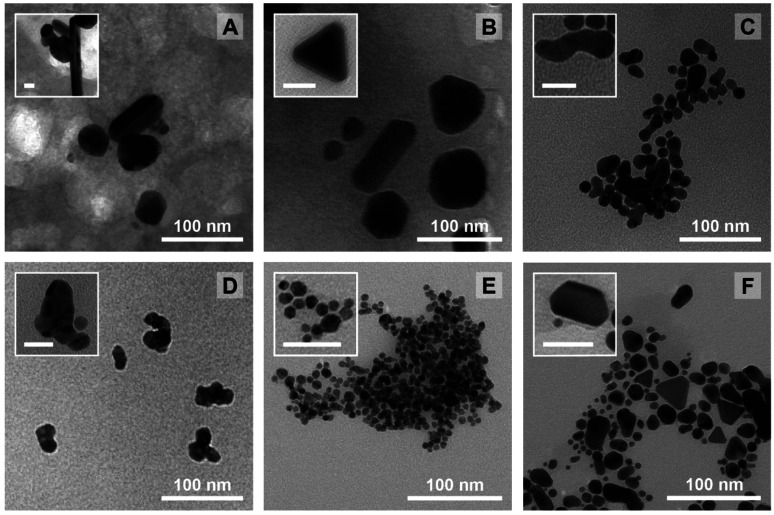
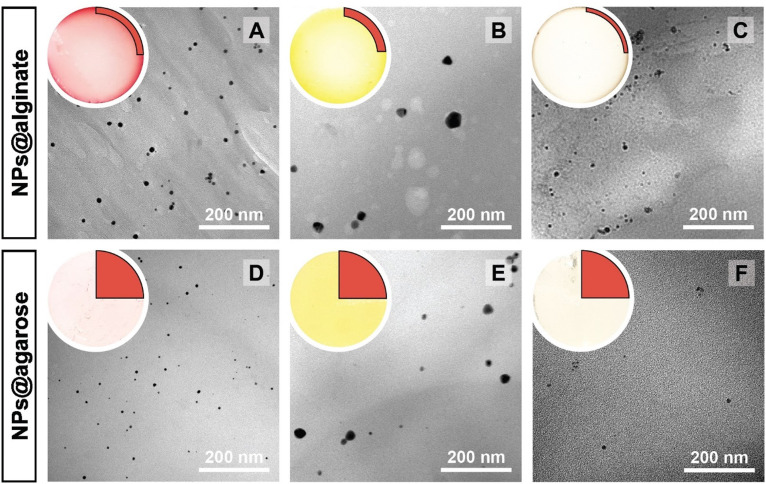
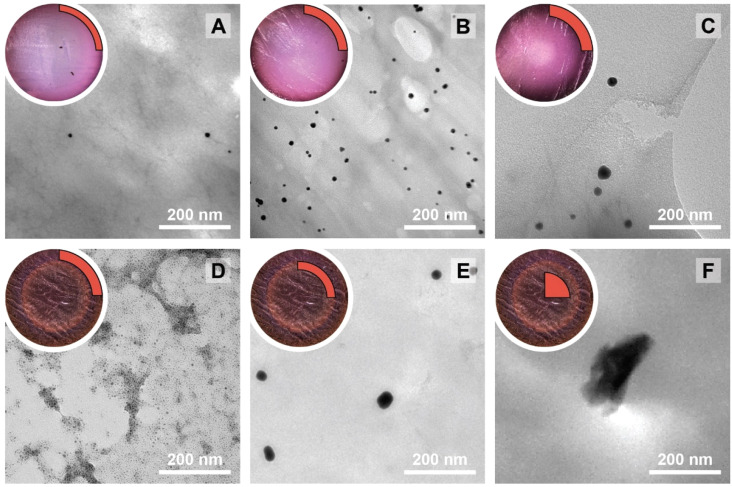
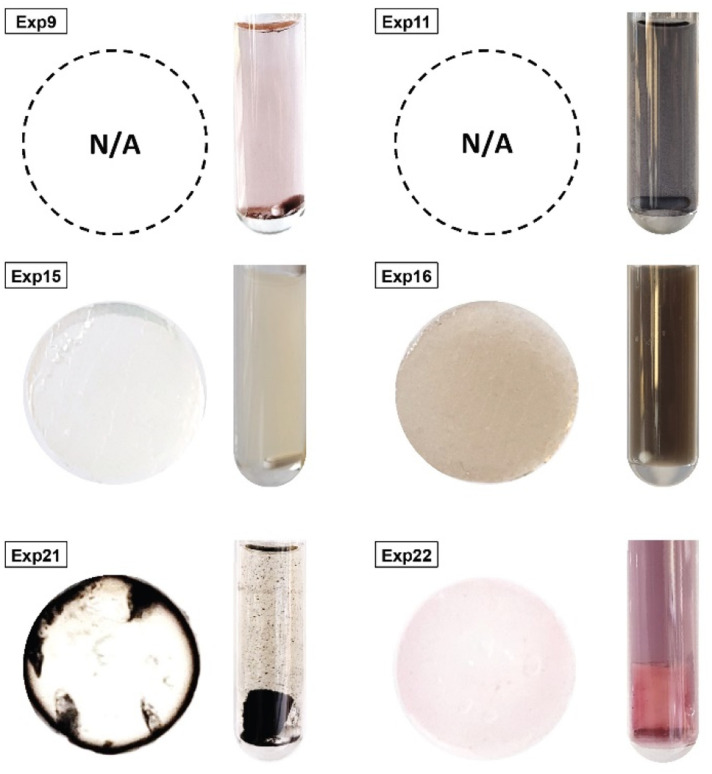
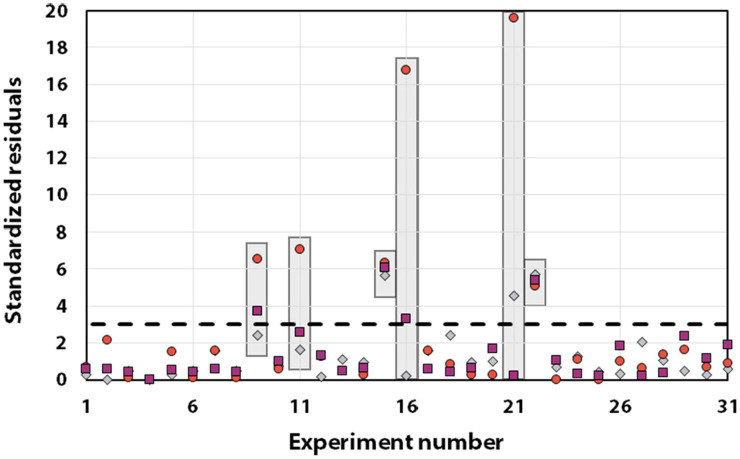
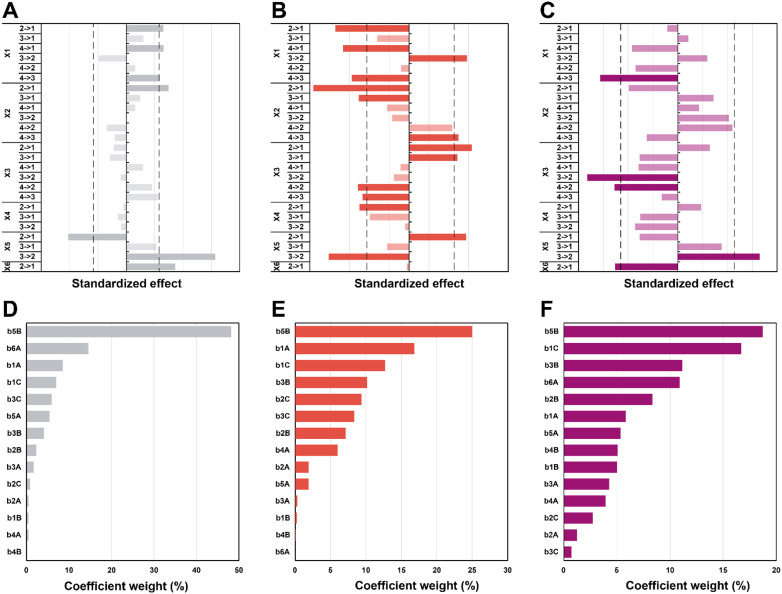
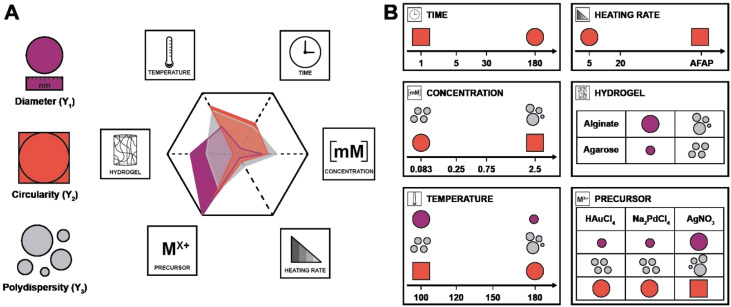
We report a facile green hydrothermal synthesis (HTS) of monoliths of hydrogels decorated with noble metal nanoparticles (NPs). The one-pot approach requires solely water, a polysaccharide able to form a hydrogel, and a salt precursor (M-containing) for the metal NPs. The polysaccharide fulfills three roles: (i) it acts as the reducing agent of M to M under hydrothermal conditions, (ii) it stabilizes NPs surfaces, and (iii) it forms a hydrogel scaffold in which the metal NPs are embedded. The NPs' localization in the hydrogel can be controlled through the gelation mechanism. Specifically, the NPs can either be located on and slightly under the surface of the hydrogel monoliths or in the volume. The former is found when a hydrogel monolith is crosslinked prior to HTS. The latter is observed when the HTS reaction mixture contains a polysaccharide dissolved in HO, which forms a hydrogel upon cooling. Furthermore, we studied the influence of HTS conditions on NP shapes. To find significant levers towards morphological control, a set of HTS experiments featuring broad ranges of reaction conditions was performed. Subsequently, we employed statistical analyses with multivariate regression fits to evaluate synthesis parameter effects. Thereby, we can link the synthesis parameters of temperature, time, precursor concentration, heating rate, choice of metallic precursor, and type of biopolymer, to morphology descriptors such as diameter, circularity, and polydispersity index. The presented approach is compatible with broad arrays of NPs and can in principle be modified for different chemistries, thereby providing a tool for quantitatively assessing morphological impacts of reaction parameters.
我们报道了一种简便的绿色水热合成法(HTS),用于制备装饰有贵金属纳米颗粒(NPs)的水凝胶整体材料。这种一锅法仅需水、一种能够形成水凝胶的多糖以及用于金属 NPs 的盐前驱体(含 M)。多糖发挥三种作用:(i)在水热条件下它作为将 M 还原为 M 的还原剂,(ii)它稳定 NPs 的表面,以及(iii)它形成一个水凝胶支架,金属 NPs 嵌入其中。NPs 在水凝胶中的定位可通过凝胶化机制来控制。具体而言,NPs 既可以位于水凝胶整体材料的表面及略低于表面的位置,也可以位于其内部。当水凝胶整体材料在 HTS 之前交联时会出现前者情况。当 HTS 反应混合物含有溶解在水中的多糖,冷却后形成水凝胶时则观察到后者情况。此外,我们研究了 HTS 条件对 NP 形状的影响。为了找到形态控制的重要影响因素,我们进行了一系列具有广泛反应条件范围的 HTS 实验。随后,我们采用多元回归拟合的统计分析来评估合成参数的影响。由此,我们可以将温度、时间、前驱体浓度、加热速率、金属前驱体的选择以及生物聚合物类型等合成参数,与诸如直径、圆度和多分散指数等形态描述符联系起来。所提出的方法与广泛的 NPs 兼容,原则上可以针对不同的化学体系进行修改,从而提供一种定量评估反应参数对形态影响的工具。