Rappard George, Harb Jake, Yi Caitlin, Russell Robb
Los Angeles Minimally Invasive Spine Institute, 8929 Wilshire Blvd. Ste 210, Beverly Hills, California, 90211, USA.
Southern California University of Health Sciences, 16200 Amber Valley Dr, Whittier, California, 90604, USA.
Interv Pain Med. 2023 Jul 17;2(3):100260. doi: 10.1016/j.inpm.2023.100260. eCollection 2023 Sep.
The primary study objective is to assess the effectiveness and utility of telehealth in managing spine pain. The secondary objective is to evaluate the feasibility of employing various treatments utilizing telehealth.
Retrospective case series of patients with spinal pain managed primarily by telehealth during the first 6 months of the SARS-CoV-2 pandemic in the United States.
A single center community based out-patient clinic and ambulatory surgical facility.
101 consecutive adult patients complaining of cervicothoracic or low back pain presenting to a specialized spine clinic.
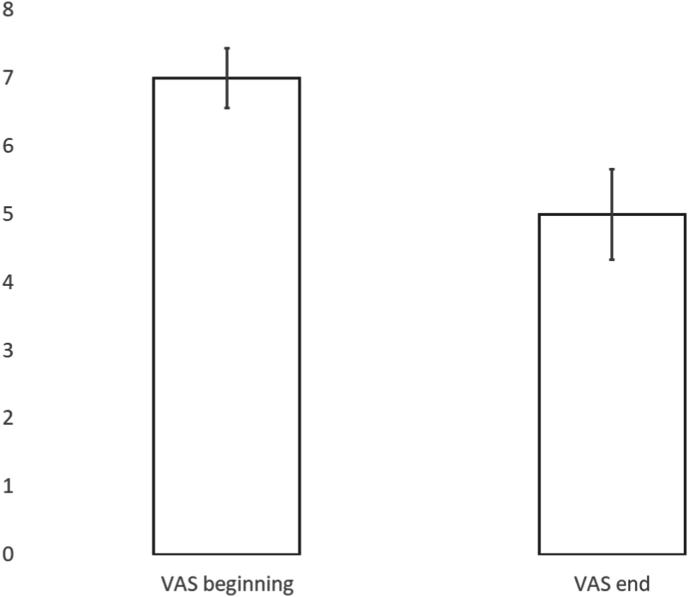
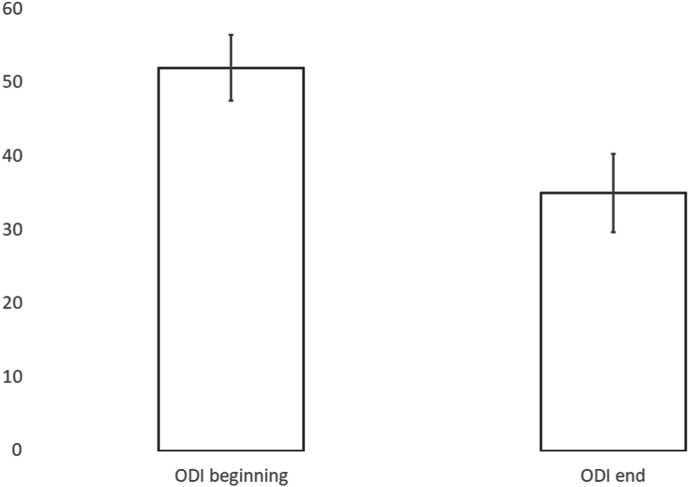
Telehealth was the preferred method of consultation for 101 consecutive patients presenting with cervicothoracic and/or low-back pain. After conservative care, patients with continued pain and disability were offered procedures. Disability Index (NDI and ODI) and pain Visual Analog Scores (VAS) were used to determine patient outcomes.
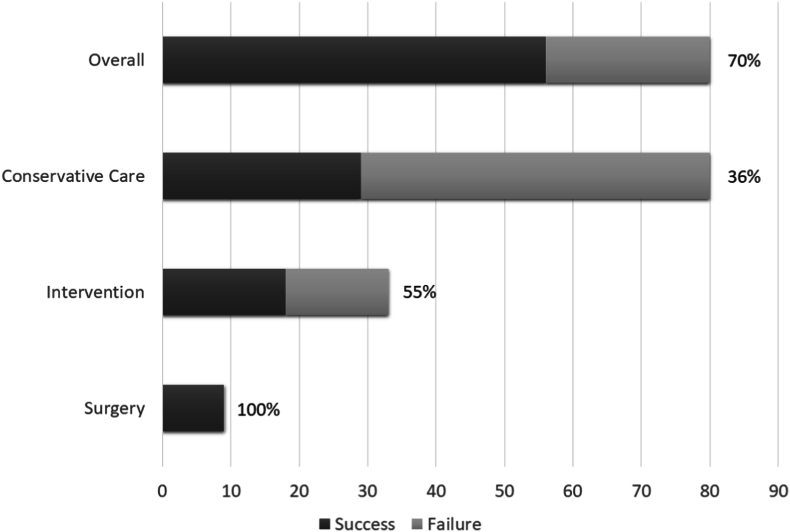
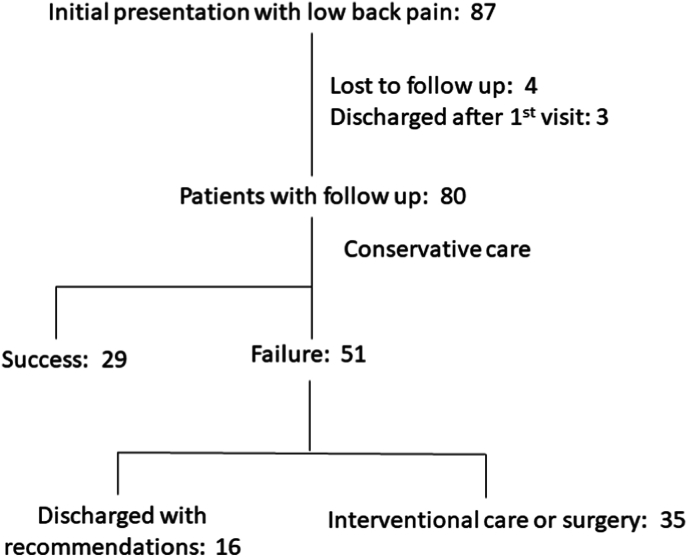
101 new out-patient consultations occurred. Telehealth initial consultation occurred in 98% of cases. There was a total of 504 follow up consultations. Follow up was via telehealth in 69%. Significant neurological abnormalities were detected by telehealth in 3% of patients. The lost to follow up rate was 10%. All 63 interventional procedures performed on 42 patients were completed as planned during telehealth visits. Likewise for all 9 surgical procedures. Outcomes were monitored via telehealth. Overall, for patients with cervicothoracic pain, minimal clinically important differences (MCID) for VAS or NDI were reached in 71%. Overall, the MCID for VAS or ODI for low back pain patients was reached in 70%.
Telehealth in our series was easily deployable, highly feasible, allowed accurate monitoring of patient care and resulted in accurate triaging for interventions and surgery. Overall patient outcomes compare favorably with that reported for in-person spinal pain care. Telehealth was effective and easily utilizable.
主要研究目的是评估远程医疗在管理脊柱疼痛方面的有效性和实用性。次要目的是评估采用各种远程医疗治疗方法的可行性。
回顾性病例系列,研究对象为美国在2019冠状病毒病大流行的前6个月主要通过远程医疗管理的脊柱疼痛患者。
一个基于社区的单中心门诊诊所和门诊手术设施。
101名连续就诊于专科脊柱诊所、主诉颈胸段或下背部疼痛的成年患者。
远程医疗是101名连续出现颈胸段和/或下背部疼痛患者首选的咨询方式。在保守治疗后,为仍有疼痛和功能障碍的患者提供手术治疗。使用功能障碍指数(NDI和ODI)和疼痛视觉模拟评分(VAS)来确定患者的治疗效果。
共进行了101次新的门诊咨询。98%的病例进行了远程医疗初始咨询。总共进行了504次随访咨询。69%的随访通过远程医疗进行。3%的患者通过远程医疗检测到明显的神经异常。失访率为10%。对42名患者进行的所有63项介入手术均在远程医疗就诊期间按计划完成。9项外科手术也是如此。通过远程医疗监测治疗效果。总体而言,颈胸段疼痛患者中,71%的患者在VAS或NDI方面达到了最小临床重要差异(MCID)。总体而言,下背部疼痛患者在VAS或ODI方面达到MCID的比例为70%。
在我们的系列研究中,远程医疗易于部署,高度可行,能够准确监测患者护理情况,并能准确分诊以进行干预和手术。总体患者治疗效果与面对面脊柱疼痛护理报告的效果相比具有优势。远程医疗有效且易于使用。