Gul Fahad, Abid Seemab, Khalid Shafia, Khalid Shahrukh, Shad Iram, Saleem Samar, Qayyum Sardar Noman, Noori Samim
Department of Medicine, Holy Family Hospital.
Department of Medicine, Benazir Bhutto Hospital.
Ann Med Surg (Lond). 2024 Aug 2;86(9):5206-5210. doi: 10.1097/MS9.0000000000002417. eCollection 2024 Sep.
Defibrillation is a critical intervention in managing cardiac emergencies, yet healthcare workers (HCWs) preparation for utilizing defibrillators remains inadequate, particularly in low and middle-income countries. This quality improvement project aimed to assess and enhance HCWs' knowledge, skills, and attitudes toward defibrillator use in the emergency department (ED) through a 1-h defibrillator workshop.
An observational clinical audit was conducted within the ED of a tertiary care hospital. Pre- and post-workshop data were collected from the participants using structured questionnaires for demographics, knowledge assessment (20 multiple-choice questions), skills assessment (10-step checklist), and attitude evaluation (Likert-scale statements). The workshop included theoretical instruction and hands-on practice, with a post-workshop assessment conducted one week later. Data analysis employed descriptive statistics and paired -tests, while ethical considerations ensured confidentiality and consent.
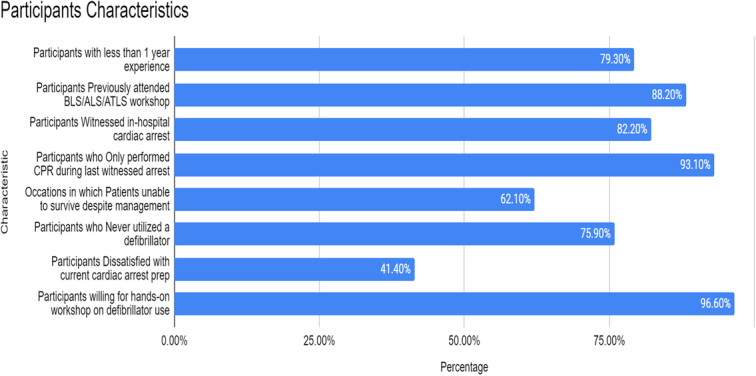
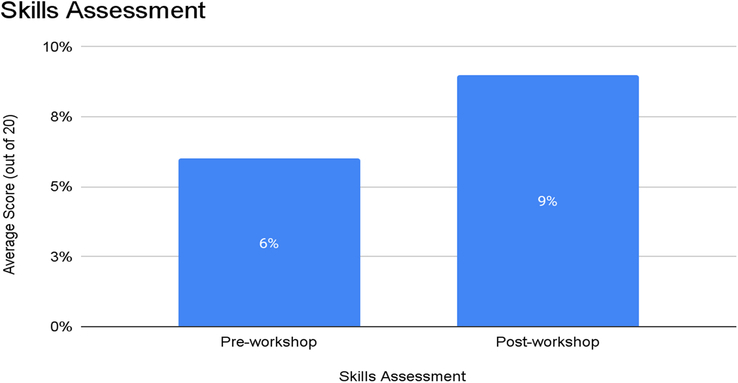
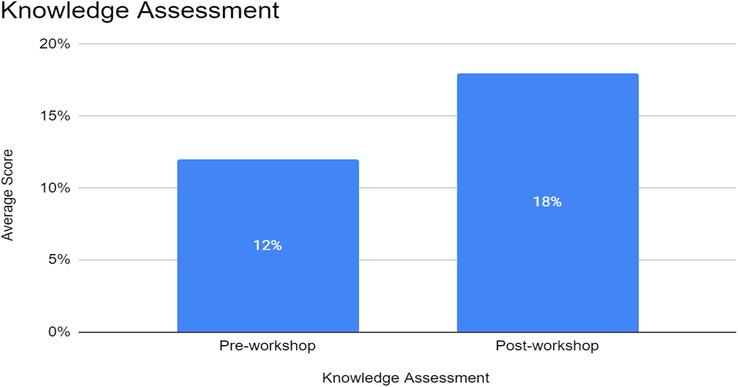
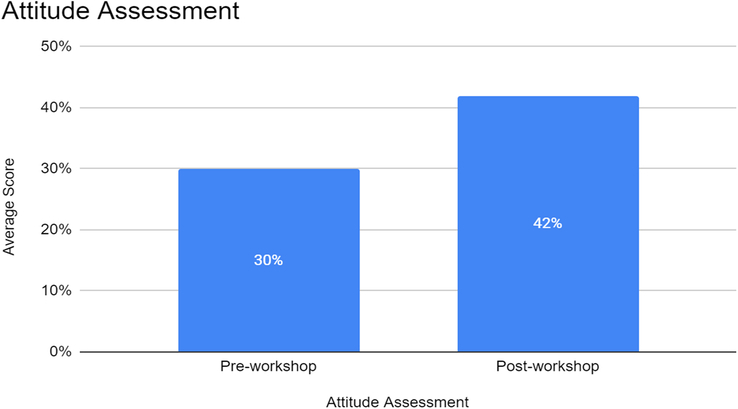
The study included 38 participants, demonstrating significant gaps in defibrillator knowledge, skills, and attitudes pre-workshop. Post-workshop assessments revealed a marked improvement in knowledge scores (<0.05), attitudes (<0.05), and practical skills (<0.05). Participants' confidence and preparation for managing cardiac emergencies notably increased, indicating the workshop's efficacy in addressing the identified deficiencies.
The 1-h defibrillator workshop effectively enhanced HCWs' competence and readiness to utilize ED defibrillators. The observed improvements underscore the importance of targeted educational interventions in bridging knowledge gaps and fostering proactive attitudes toward emergency management. Regular training sessions should be conducted to sustain these enhancements and improve patient outcomes in the ED.
除颤是处理心脏急症的关键干预措施,但医护人员使用除颤器的准备工作仍不充分,尤其是在低收入和中等收入国家。本质量改进项目旨在通过一个为时1小时的除颤器工作坊,评估并提高急诊科医护人员对使用除颤器的知识、技能和态度。
在一家三级护理医院的急诊科开展了一项观察性临床审计。使用结构化问卷从参与者那里收集工作坊前后的数据,问卷涉及人口统计学、知识评估(20道多项选择题)、技能评估(10步清单)和态度评价(李克特量表陈述)。工作坊包括理论指导和实践操作,一周后进行工作坊后评估。数据分析采用描述性统计和配对检验,同时伦理考量确保了保密性和知情同意。
该研究纳入了38名参与者,结果显示工作坊前在除颤器知识、技能和态度方面存在显著差距。工作坊后评估显示知识得分(<0.05)、态度(<0.05)和实践技能(<0.05)有显著提高。参与者处理心脏急症的信心和准备程度明显增强,表明该工作坊在弥补已发现的不足方面具有成效。
为时1小时的除颤器工作坊有效提高了医护人员使用急诊科除颤器的能力和准备程度。观察到的改善凸显了针对性教育干预在弥合知识差距和培养对急诊管理的积极态度方面的重要性。应定期开展培训课程以维持这些提升,并改善急诊科的患者治疗效果。