Xing Lei, Lu Xuelin, Zhang Wengang, Wang Qishan, Zhang Weijian
Shanghai Animal Disease Control Center, Shanghai 201103, China.
Department of Animal Science, College of Animal Sciences, Zhejiang University, Hangzhou 310030, China.
Animals (Basel). 2024 Aug 23;14(17):2449. doi: 10.3390/ani14172449.
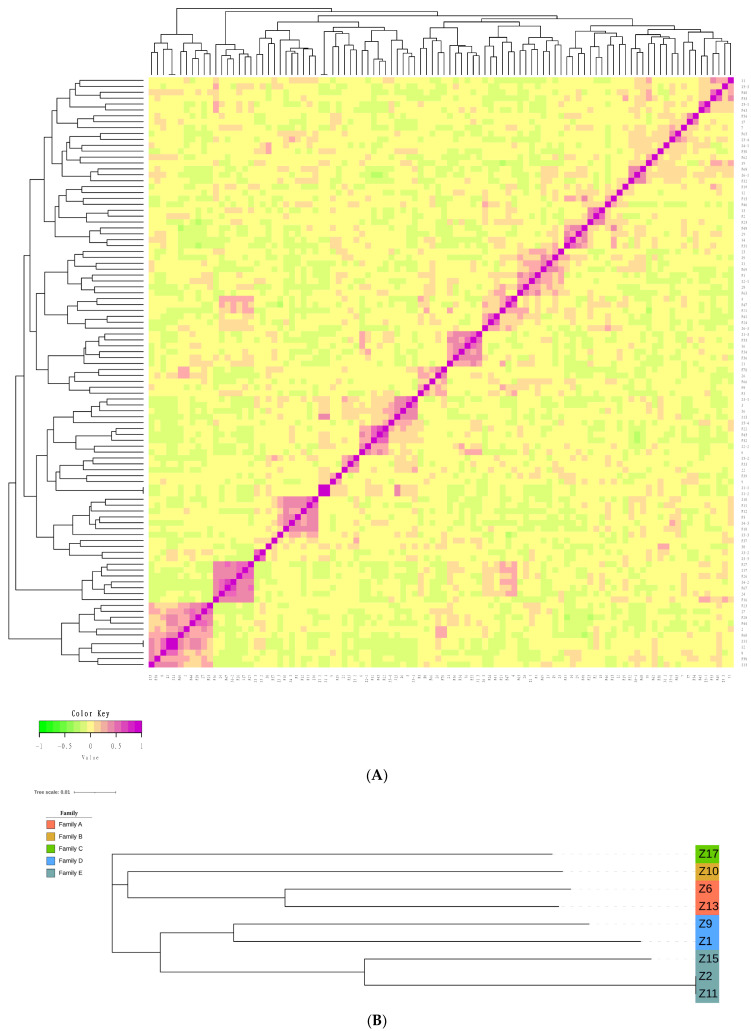
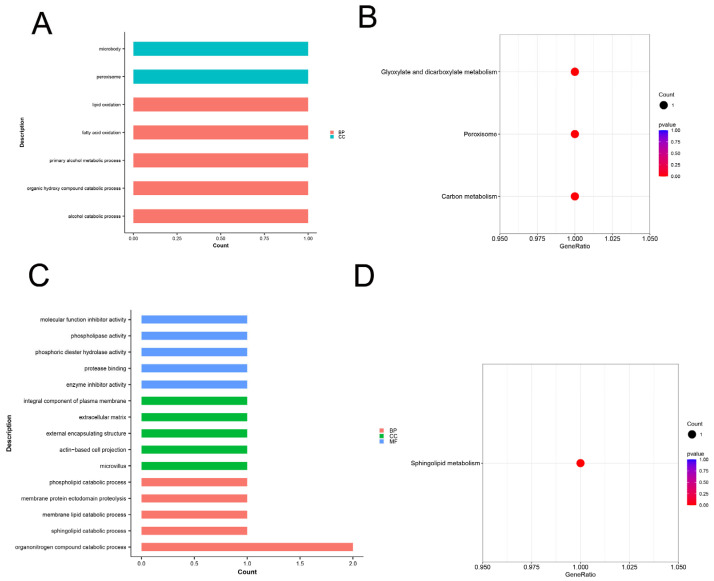
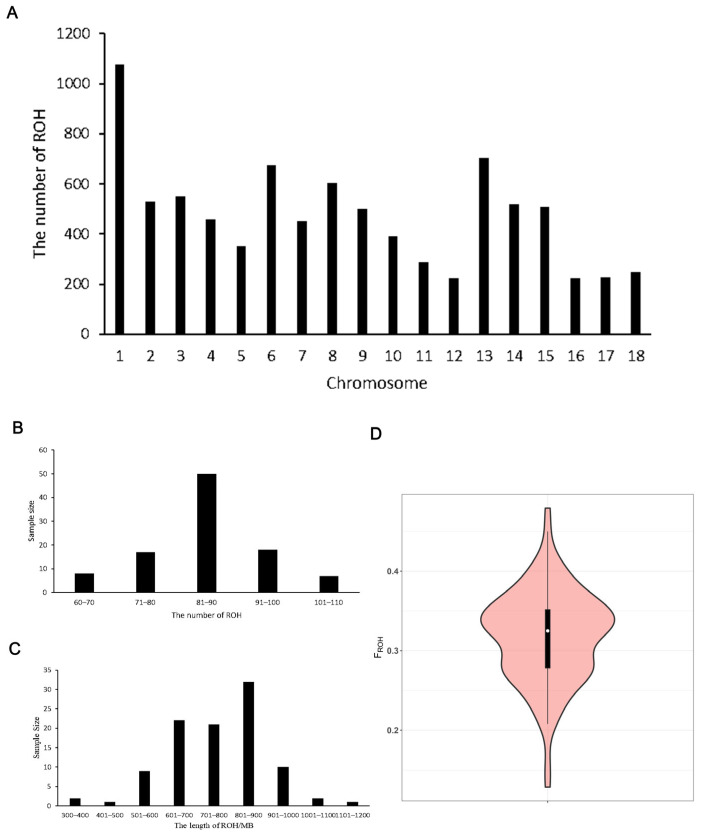
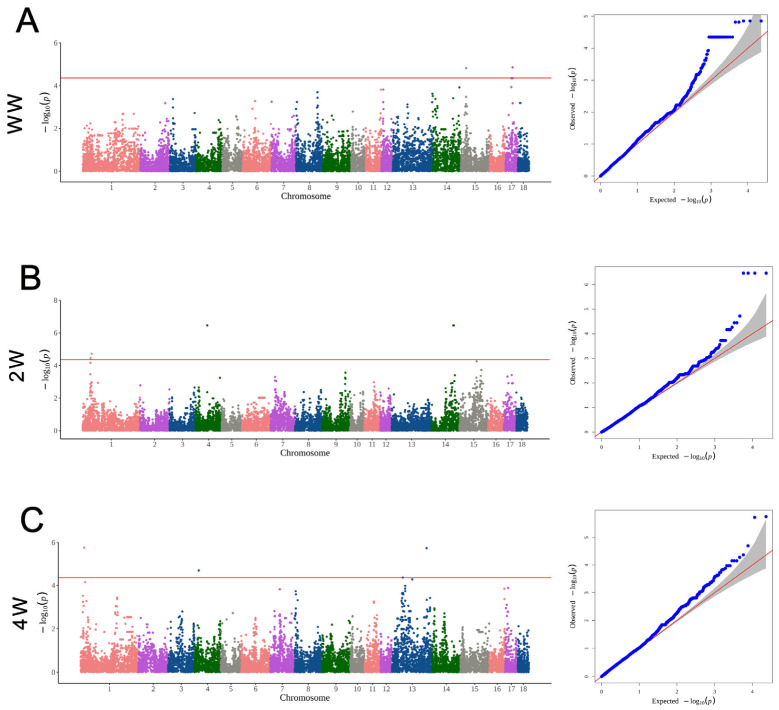
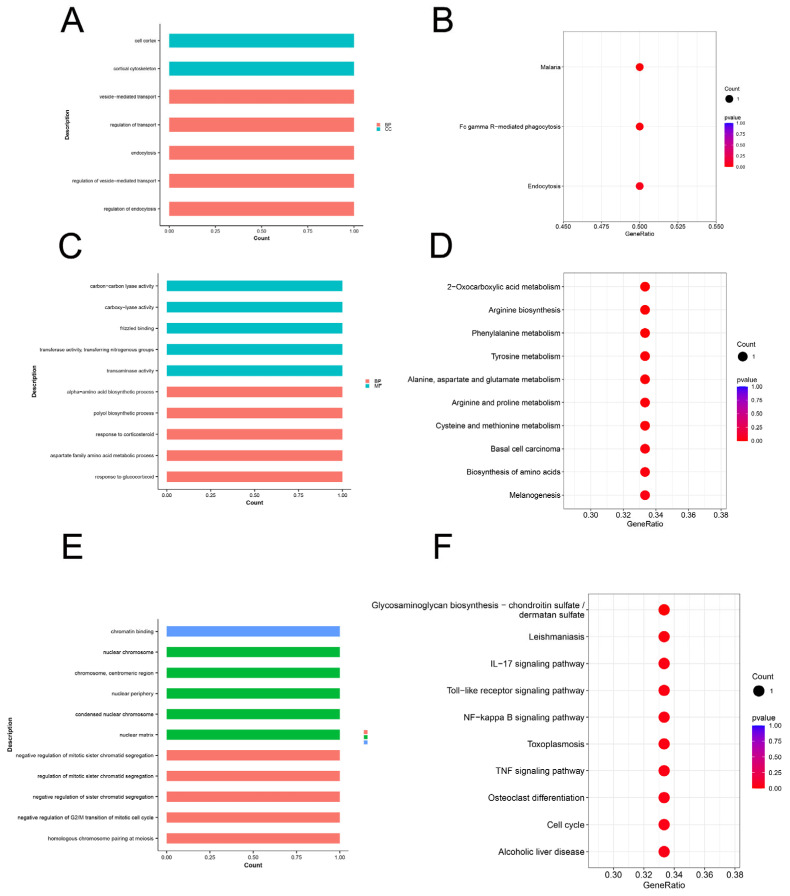
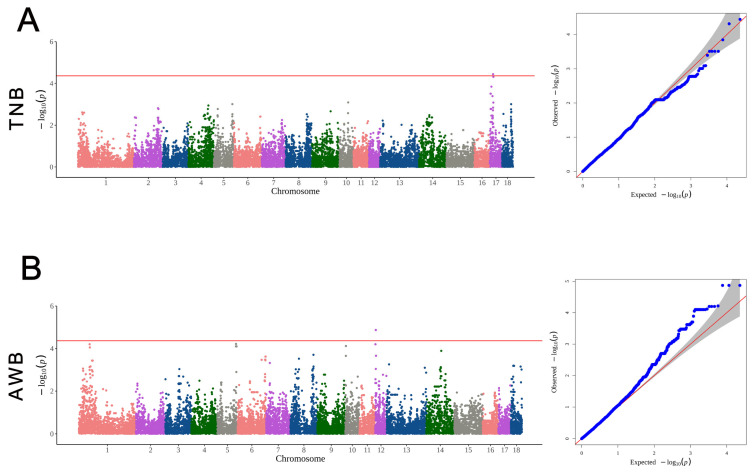
The Fengjing pig is one of the local pig breed resources in China and has many excellent germplasm characteristics. However, research on its genome is lacking. To explore the degree of genetic diversity of the Fengjing pig and to deeply explore its excellent traits, this study took Fengjing pigs as the research object and used the Beadchip Array Infinium iSelect-96|XT KPS_PorcineBreedingChipV2 for genotyping. We analyzed the genetic diversity, relatedness, inbreeding coefficient, and population structure within the Fengjing pig population. Our findings revealed that the proportion of polymorphic markers (P) was 0.469, and the effective population size was 6.8. The observed and expected heterozygosity were 0.301 and 0.287, respectively. The -matrix results indicated moderate relatedness within the population, with certain individuals exhibiting closer genetic relationships. The NJ evolutionary tree classified Fengjing boars into five family lines. The average inbreeding coefficient based on ROH was 0.318, indicating a high level of inbreeding. GWAS identified twenty SNPs significantly associated with growth traits (WW, 2W, and 4W) and reproductive traits (TNB and AWB). Notably, WNT8B, RAD21, and HAO1 emerged as candidate genes influencing 2W, 4W, and TNB, respectively. Genes such as WNT8B were verified by querying the PigBiobank database. In conclusion, this study provides a foundational reference for the conservation and utilization of Fengjing pig germplasm resources and offers insights for future molecular breeding efforts in Fengjing pigs.
枫泾猪是中国地方猪种资源之一,具有许多优良的种质特性。然而,对其基因组的研究尚缺。为探究枫泾猪的遗传多样性程度并深入挖掘其优良性状,本研究以枫泾猪为研究对象,使用Beadchip Array Infinium iSelect - 96|XT KPS_PorcineBreedingChipV2进行基因分型。我们分析了枫泾猪群体内的遗传多样性、亲缘关系、近交系数和群体结构。我们的研究结果显示,多态性标记比例(P)为0.469,有效群体大小为6.8。观察到的杂合度和期望杂合度分别为0.301和0.287。-矩阵结果表明群体内存在中等程度的亲缘关系,某些个体表现出更紧密的遗传关系。NJ进化树将枫泾公猪分为五个家系。基于ROH的平均近交系数为0.318,表明近交程度较高。全基因组关联研究(GWAS)确定了20个与生长性状(WW、2W和4W)和繁殖性状(TNB和AWB)显著相关的单核苷酸多态性(SNP)。值得注意的是,WNT8B、RAD21和HAO1分别成为影响2W、4W和TNB的候选基因。通过查询猪生物银行数据库验证了WNT8B等基因。总之,本研究为枫泾猪种质资源的保护和利用提供了基础参考,并为枫泾猪未来的分子育种工作提供了见解。