MOE Key Laboratory of Gene Function and Regulation, State Key Laboratory for Biocontrol, School of Life Sciences, Sun Yat-Sen University, Guangzhou 510275, China.
Innovation Center for Evolutionary Synthetic Biology, School of Life Sciences, Sun Yat-Sen University, Guangzhou 510275, China.
Int J Mol Sci. 2024 Sep 5;25(17):9630. doi: 10.3390/ijms25179630.
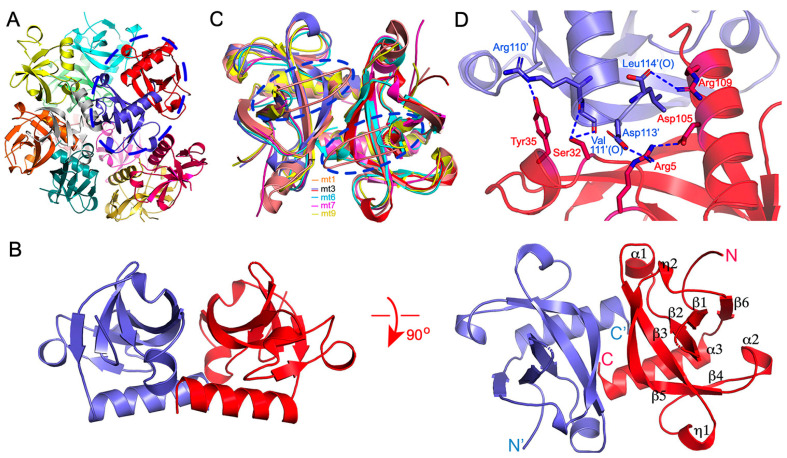
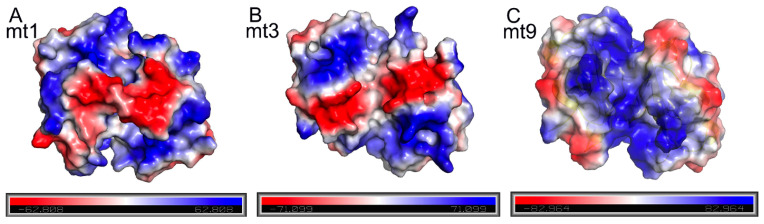
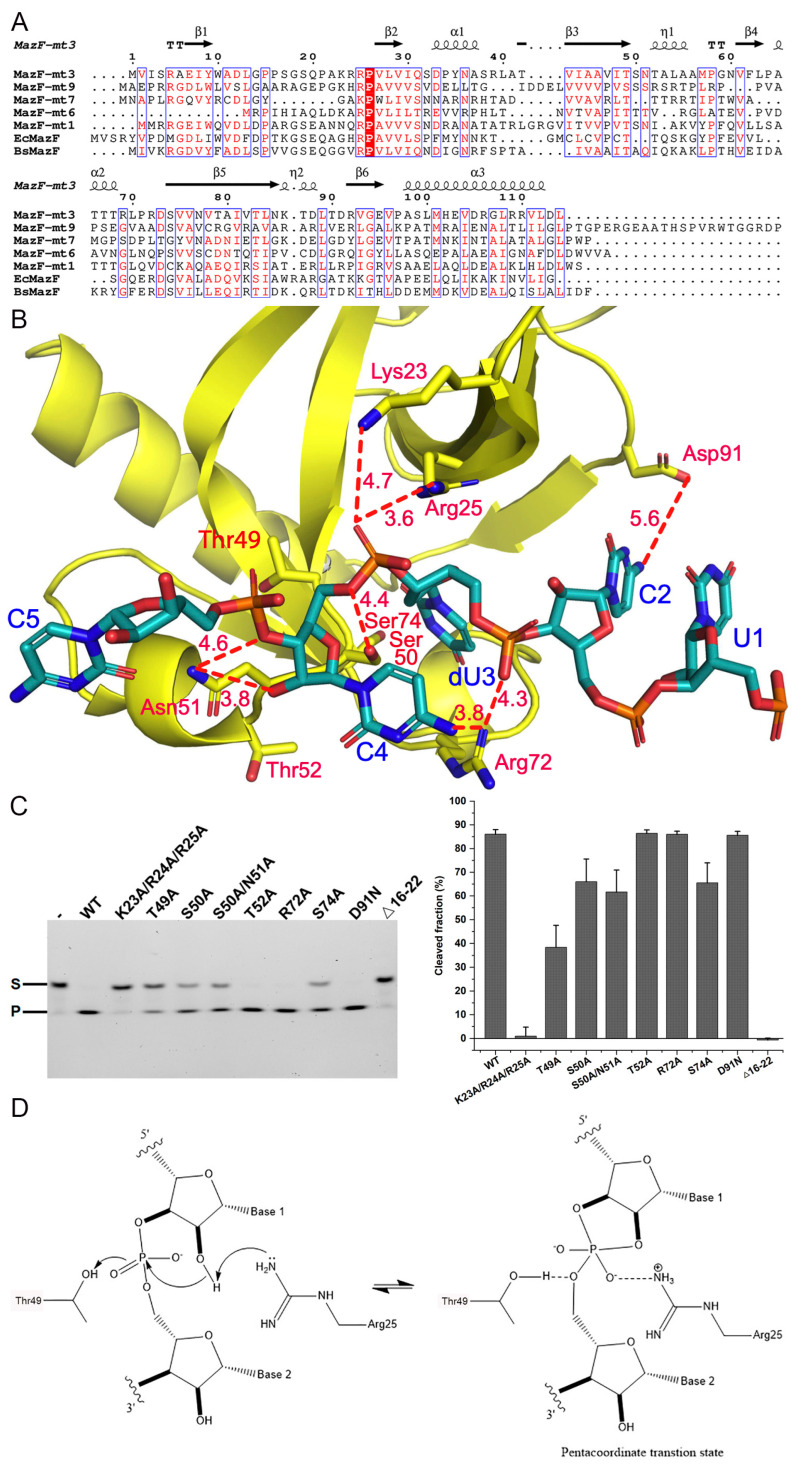
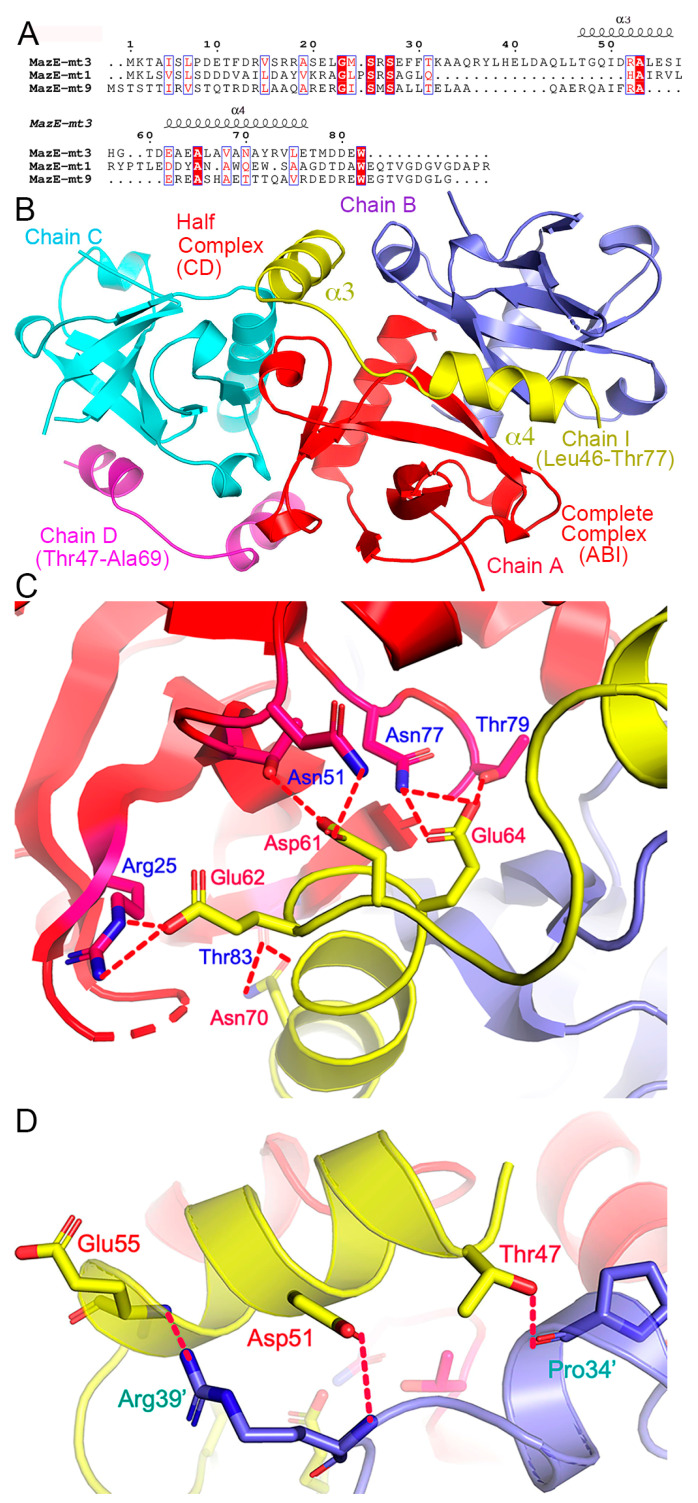
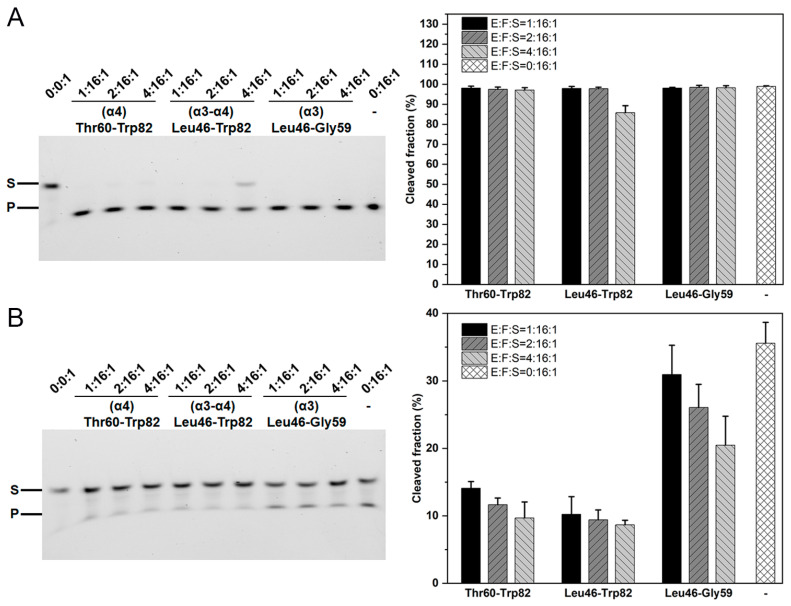
Tuberculosis is a worldwide plague caused by the pathogen (). Toxin-antitoxin (TA) systems are genetic elements abundantly present in prokaryotic organisms and regulate important cellular processes. MazEF is a TA system implicated in the formation of "persisters cells" of , which contain more than 10 such members. However, the exact function and inhibition mode of each MazF are not fully understood. Here we report crystal structures of MazF-mt3 in its apo form and in complex with the C-terminal half of MazE-mt3. Structural analysis suggested that two long but disordered β1-β2 loops would interfere with the binding of the cognate MazE-mt3 antitoxin. Similar loops are also present in the MazF-mt1 and -mt9 but are sustainably shortened in other MazF members, and these TA pairs behave distinctly in terms of their binding modes and their RNase activities. Systematic crystallographic and biochemical studies further revealed that the biochemical activities of toxins were combined results between the interferences from the characteristic loops and the electrostatic interactions between the cognate TA pairs. This study provides structural insight into the binding mode and the inhibition mechanism of the MazE/F TA pairs, which facilitate the structure-based peptide designs.
结核病是一种由病原体()引起的世界性瘟疫。毒素-抗毒素(TA)系统是在原核生物中大量存在的遗传元件,调节着重要的细胞过程。MazEF 是一种与形成“持久细胞”相关的 TA 系统,其中包含超过 10 个这样的成员。然而,每个 MazF 的确切功能和抑制模式尚不完全清楚。在这里,我们报告了 MazF-mt3 在apo 形式和与 MazE-mt3 的 C 末端一半复合物的晶体结构。结构分析表明,两个长但无序的β1-β2 环会干扰同源 MazE-mt3 抗毒素的结合。类似的环也存在于 MazF-mt1 和 -mt9 中,但在其他 MazF 成员中被持续缩短,这些 TA 对在它们的结合模式和核糖核酸酶活性方面表现出明显的不同。系统的晶体学和生化研究进一步表明,毒素的生化活性是特征环的干扰和同源 TA 对之间的静电相互作用的综合结果。这项研究提供了对 MazE/F TA 对的结合模式和抑制机制的结构见解,这有助于基于结构的肽设计。