Sapienza Jacopo, Agostoni Giulia, Comai Stefano, Nasini Sofia, Dall'Acqua Stefano, Sut Stefania, Spangaro Marco, Martini Francesca, Bechi Margherita, Buonocore Mariachiara, Bigai Giorgia, Repaci Federica, Nocera Daniela, Ave Chiara, Guglielmino Carmelo, Cocchi Federica, Cavallaro Roberto, Deste Giacomo, Bosia Marta
Department of Clinical Neurosciences, IRCCS San Raffaele Scientific Institute, Milan, Italy.
Department of Humanities and Life Sciences, University School for Advanced Studies IUSS, Pavia, Italy.
Schizophr Res Cogn. 2024 Aug 29;38:100328. doi: 10.1016/j.scog.2024.100328. eCollection 2024 Dec.
In the last decade, the kynurenine pathway (KP) has gained attention in the pathogenesis of cognitive impairment in schizophrenia being at the croassroad between neuroinflammation and glutamatergic and cholinergic neurotransmission. However, clinical findings are scarse and conflicting, and the specific contributions of these two systems to the neurobiology of cognitive symptoms are far from being elucidated. Furthermore, little is known about the molecular underpinnings of non-pharmacological interventions for cognitive improvement, including rehabilitation strategies.
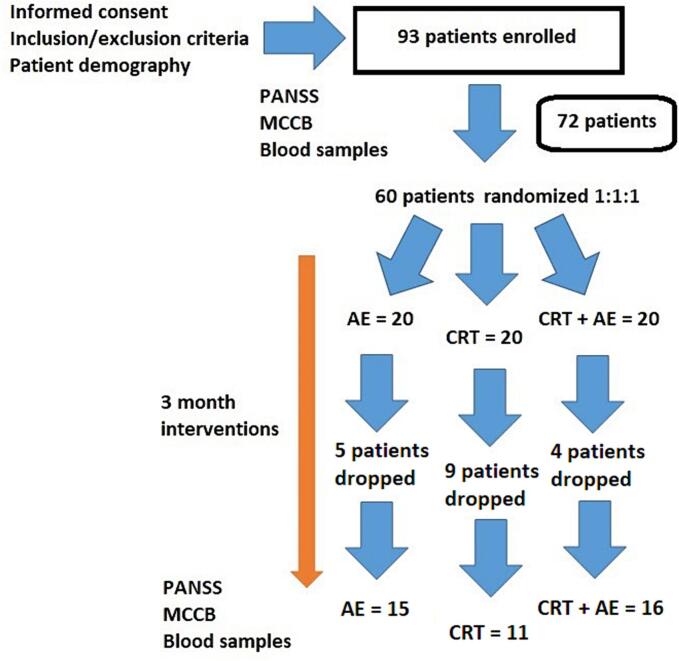
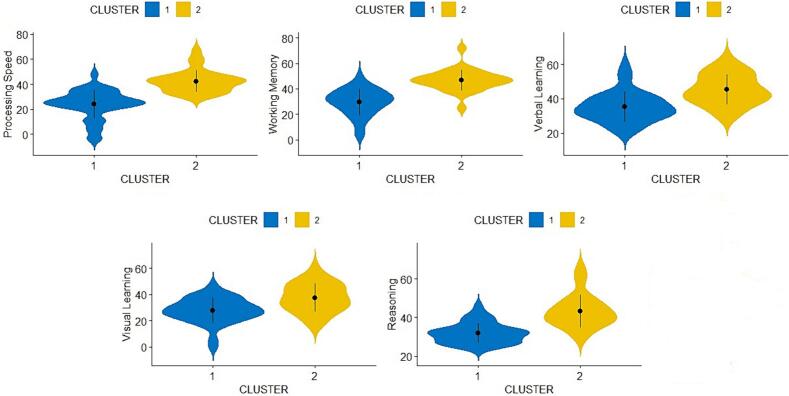
The current study examined 72 patients with schizophrenia, divided in two clusters depending on the severity of the cognitive impairment, with the aim to evaluate the impact of inflammatory biomarkers and KP metabolites depending on cognitive functioning. Moreover, we studied their possible link to the cognitive outcome in relation to sessions of cognitive remediation therapy (CRT) and aerobic exercise (AE) in a longitudinal arm of 42 patients.
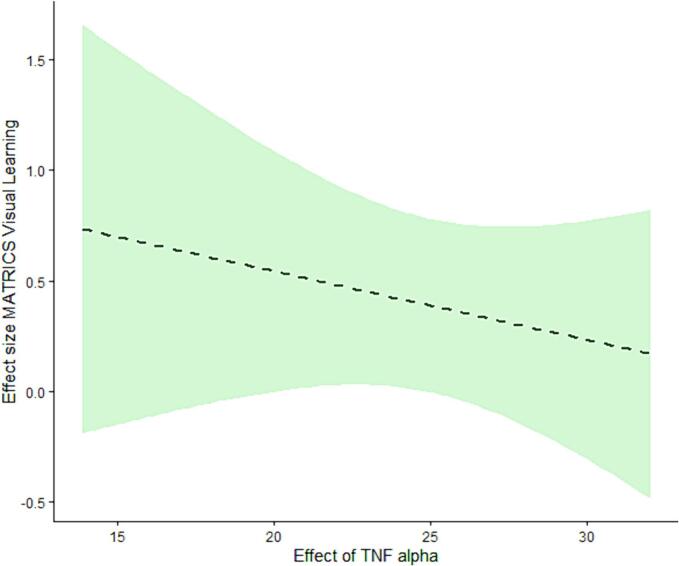
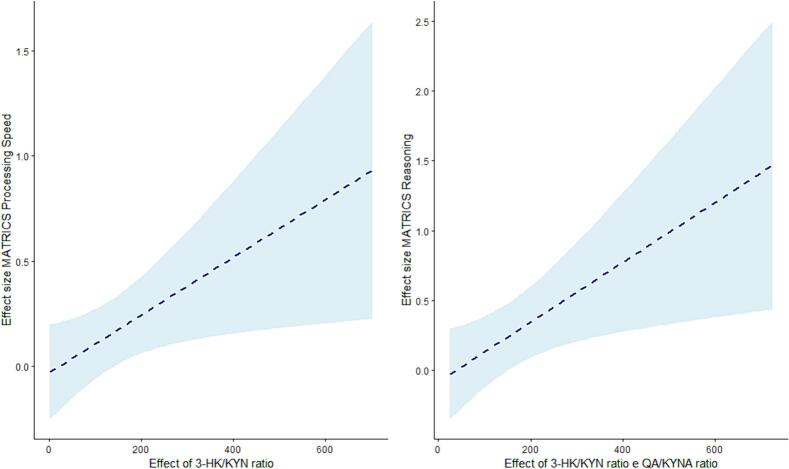
Neuroinflammation appeared to exert a more pronounced influence on cognition in patients exhibiting a higher cognitive functioning, contrasting with the activation of the KP, which had a greater impact on individuals with a lower cognitive profile. Cognitive improvements after the treatments were negatively predicted by levels of TNF-α and positively predicted by the 3-hydroxykynurenine (3-HK)/kynurenine (KYN) ratio, an index of the kynurenine-3-monooxygenase (KMO) enzyme activity.
Overall, these findings add novel evidence on the biological underpinnings of cognitive impairment in schizophrenia pointing at a differential role of neuroinflammation and KP metabolites in inducing cognitive deficits depending on the cognitive reserve and predicting outcomes after rehabilitation.
在过去十年中,犬尿氨酸途径(KP)在精神分裂症认知障碍的发病机制中受到关注,它处于神经炎症与谷氨酸能和胆碱能神经传递的交叉点。然而,临床研究结果稀少且相互矛盾,这两个系统对认知症状神经生物学的具体贡献远未阐明。此外,对于包括康复策略在内的改善认知的非药物干预的分子基础知之甚少。
本研究对72例精神分裂症患者进行了检查,根据认知障碍的严重程度分为两组,旨在评估炎症生物标志物和KP代谢产物对认知功能的影响。此外,我们在42例患者的纵向研究中,研究了它们与认知康复治疗(CRT)和有氧运动(AE)疗程相关的认知结果的可能联系。
神经炎症似乎对认知功能较高的患者的认知产生更显著的影响,与之形成对比的是,KP的激活对认知水平较低的个体影响更大。治疗后认知功能的改善与TNF-α水平呈负相关,与犬尿氨酸-3-单加氧酶(KMO)酶活性指标3-羟基犬尿氨酸(3-HK)/犬尿氨酸(KYN)比值呈正相关。
总体而言,这些发现为精神分裂症认知障碍的生物学基础提供了新的证据,表明神经炎症和KP代谢产物在根据认知储备诱导认知缺陷以及预测康复后结果方面具有不同作用。