Bin Li, Shahzad Muhammad, Farhan Muhammad, Ayoub Muhammad, Ali Saqib, Bitew Girmaw Teshager
School of Electrical and Electronic Engineering, North China Electric Power University, Beijing 102206, China.
Department of Electrical Engineering, Muhammad Nawaz Sharif University of Engineering and Technology, Multan 66000, Pakistan.
Heliyon. 2024 Aug 28;10(17):e36990. doi: 10.1016/j.heliyon.2024.e36990. eCollection 2024 Sep 15.
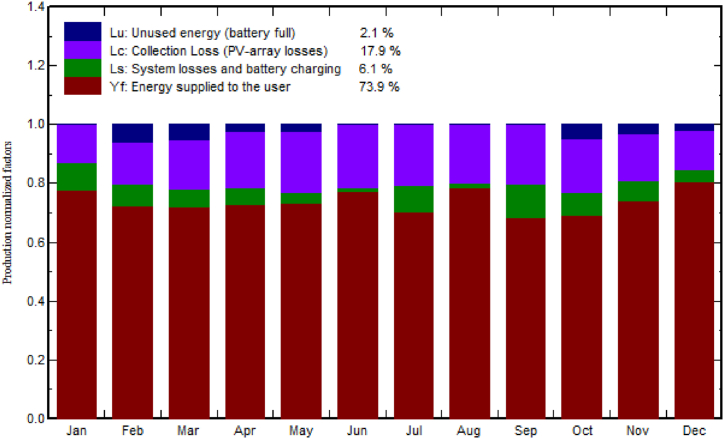
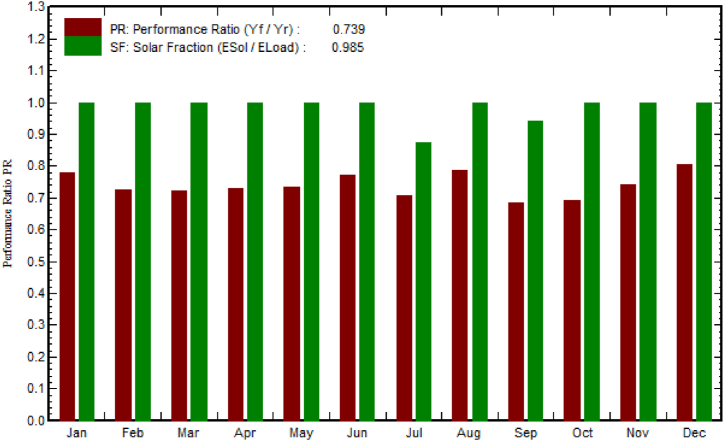
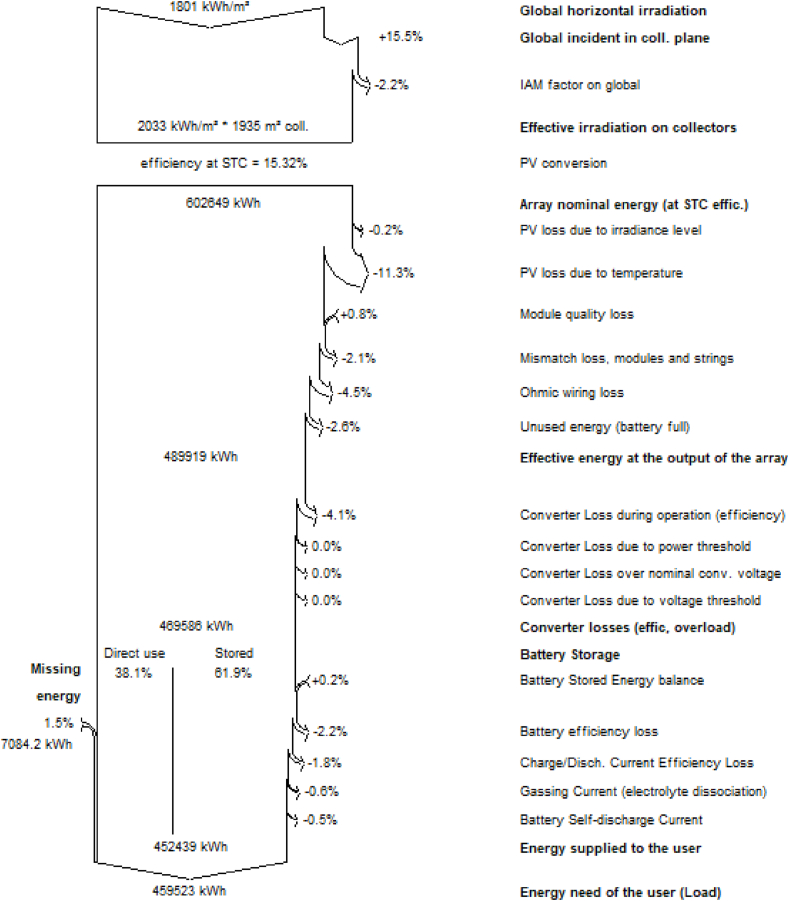
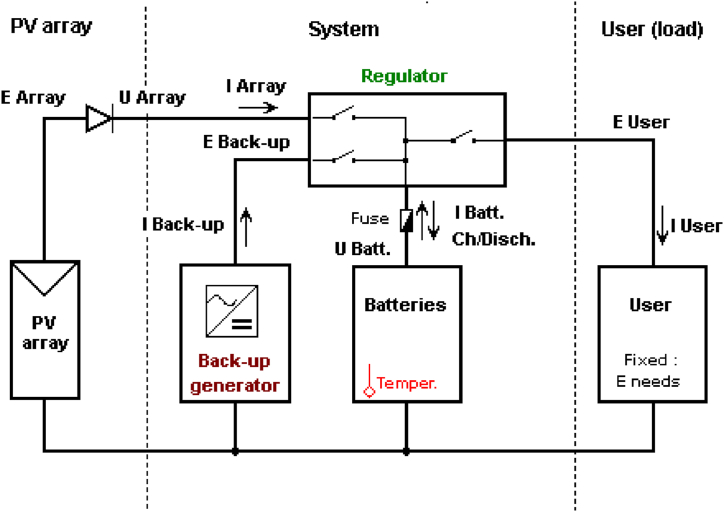
With the increase in population at an immense rate, electricity demand is growing exponentially. Researchers and policymakers are seeking alternating means of power generation to meet the load demand. These resources should be cost-effective, environmentally friendly and least carbon emissions. To mitigate the load demand Renewable Energy Sources (RES) are integrated into electrical networks. In this work, an off-grid solar photovoltaic (PV) system is designed for rural areas of Dera Ghazi Khan (DG Khan), Pakistan. These areas often lack access to reliable grid power. Installing PV systems in these areas can help provide a reliable source of electricity, reduce reliance on fossil fuels, and improve living conditions. This case study is simulated using PVsyst 7.2. of Roonghan village such as hospitals, shops, and residential houses for techno-economic analysis of off-grid solar PV. The economic viability shows that installing off-grid solar PV in DG Khan is much cheaper. The electricity taken from the grid that's almost 80.01%is expensive. This case study helps other researchers and policymakers to mitigate the electricity requirement of remote areas located far away from the national grid. To install a transmission line, having cost $26.98 corer but using an off-grid to provide electricity to the same area is $2.16 corer. Additionally, it integrates Battery Energy Storage (BES) with Renewable Energy Sources (RES) to achieve a 5 % annual energy cost reduction and enhanced self-sufficiency, filling a gap in existing literature.
随着人口以极快的速度增长,电力需求呈指数级增长。研究人员和政策制定者正在寻求替代发电方式以满足负荷需求。这些资源应具有成本效益、环境友好且碳排放最少。为了缓解负荷需求,可再生能源(RES)被整合到电网中。在这项工作中,为巴基斯坦德拉加齐汗(DG Khan)的农村地区设计了一个离网太阳能光伏(PV)系统。这些地区通常缺乏可靠的电网电力供应。在这些地区安装光伏系统有助于提供可靠的电力来源,减少对化石燃料的依赖,并改善生活条件。本案例研究使用PVsyst 7.2对Roonghan村的医院、商店和住宅等进行离网太阳能光伏的技术经济分析。经济可行性表明,在DG Khan安装离网太阳能光伏要便宜得多。从电网获取的电力几乎80.01%都很昂贵。本案例研究有助于其他研究人员和政策制定者缓解远离国家电网的偏远地区的电力需求。安装一条输电线路成本为26.98亿卢比,但使用离网方式为同一地区供电成本为2.16亿卢比。此外,它将电池储能(BES)与可再生能源(RES)集成,以实现每年5%的能源成本降低并提高自给自足能力,填补了现有文献中的空白。