Kshetri Rajaram, Beavers James O, Hyde Romana, Ewa Roseline, Schwertman Amber, Porcayo Sarahi, Richardson Ben D
Department of Pharmacology, Southern Illinois University - School of Medicine, Springfield, IL 62702.
Department of Biological Sciences, University of Idaho, Moscow, ID 83844.
Res Sq. 2024 Sep 6:rs.3.rs-4888950. doi: 10.21203/rs.3.rs-4888950/v1.
, a gene encoding a synaptic scaffolding protein, is implicated in autism spectrum disorder (ASD) and is disrupted in Phelan-McDermid syndrome (PMS). Despite evidence of regression or worsening of ASD-like symptoms in individuals with PMS, the underlying mechanisms remain unclear. Although is highly expressed in the cerebellar cortical granule cells, its role in cerebellar function and contribution to behavioral deficits in ASD models are unknown. This study investigates behavioral changes and cerebellar synaptic alterations in mice at two developmental stages.
S wildtype, heterozygous, and homozygous knockout mice lacking exons 4-22 (all functional isoforms) were subjected to a behavioral battery in both juvenile (5-7 weeks old) and adult (3-5 months old) mouse cohorts of both sexes. Immunostaining was used to show the expression of SHANK3 in the cerebellar cortex. Spontaneous excitatory postsynaptic currents (sEPSCs) from cerebellar granule cells (CGCs) were recorded by whole-cell patch-clamp electrophysiology.
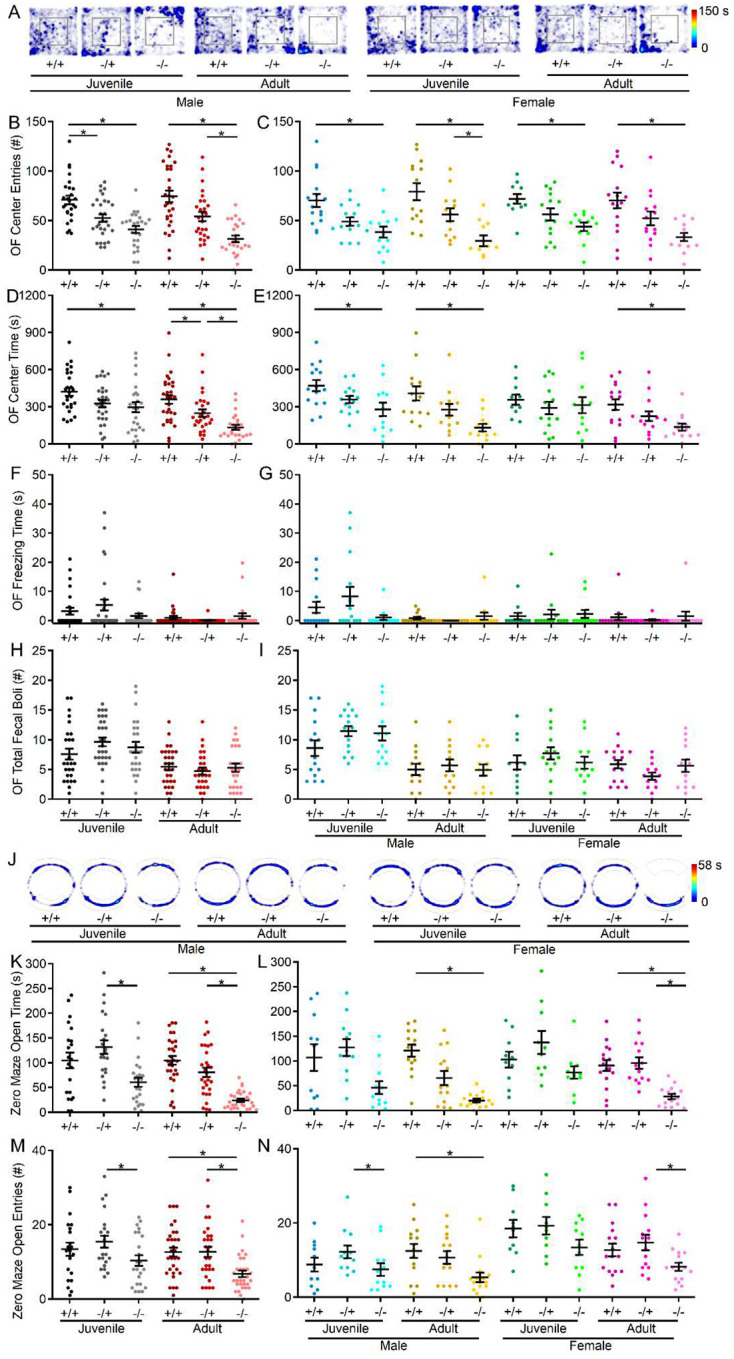
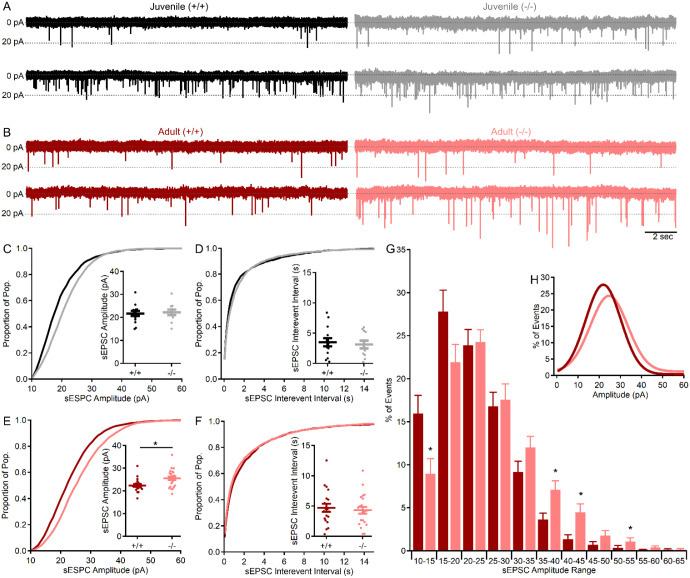
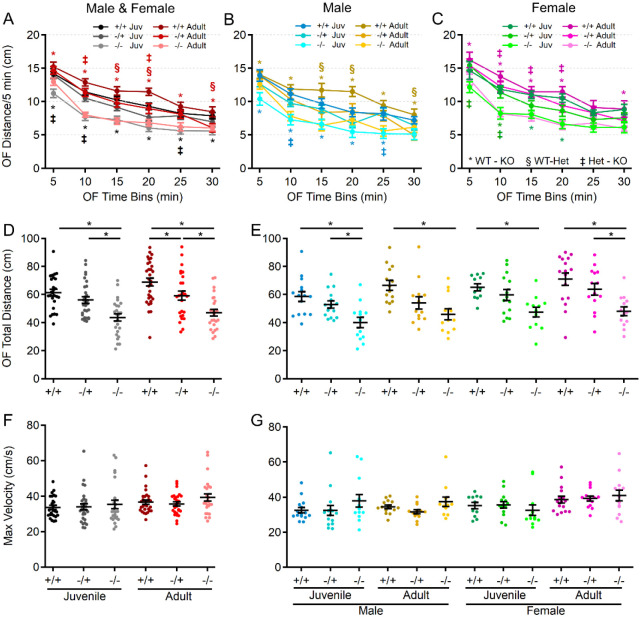
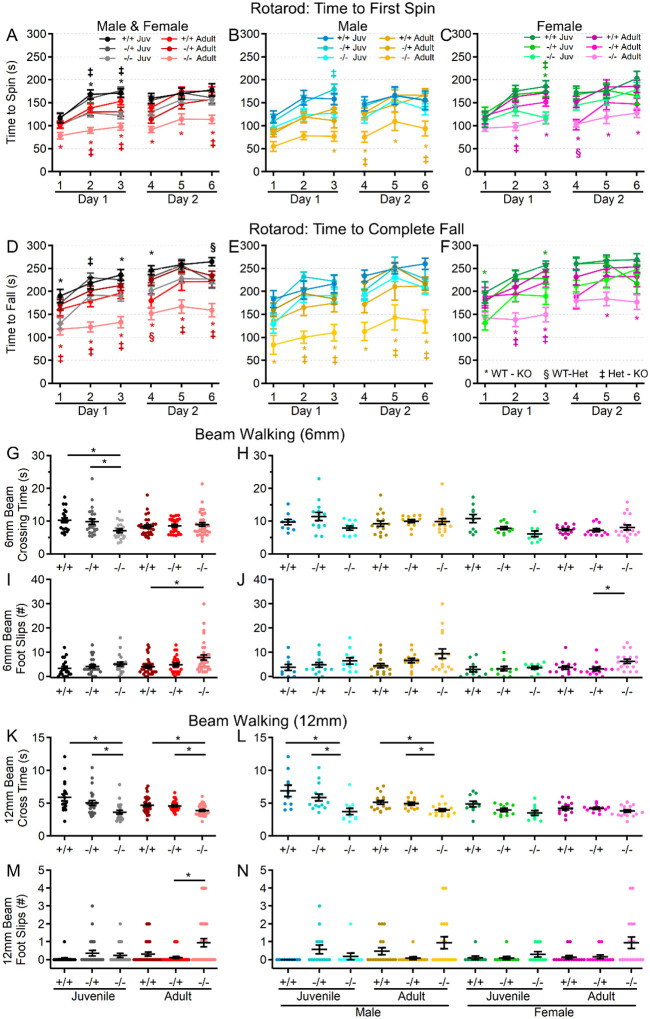
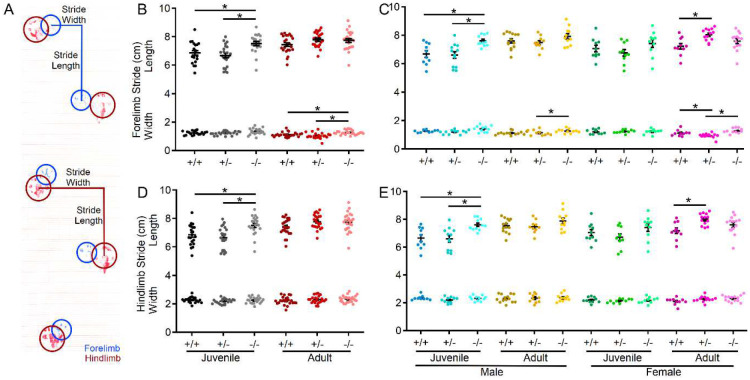
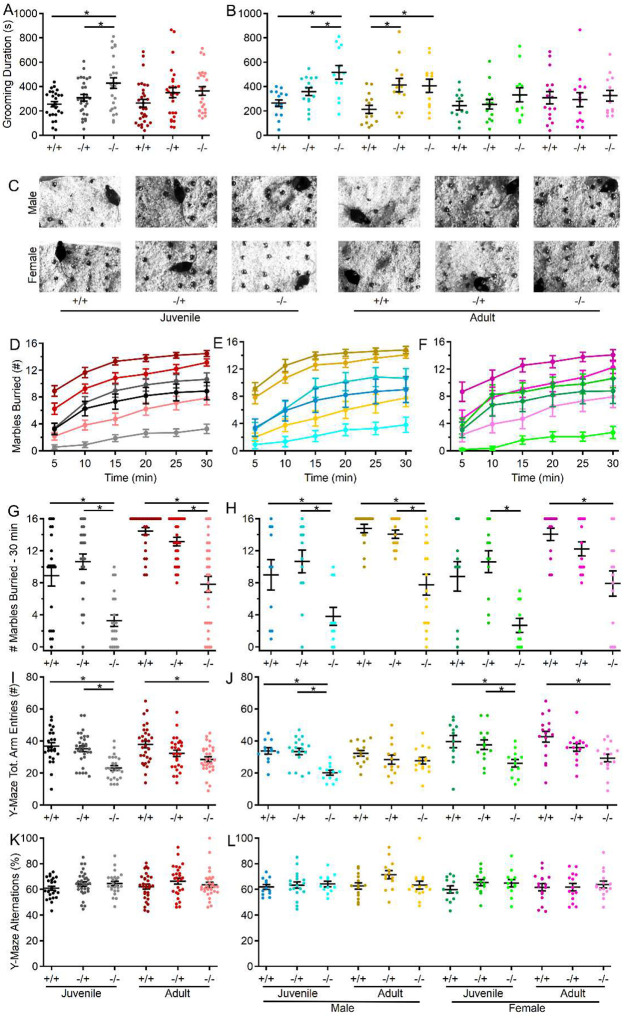
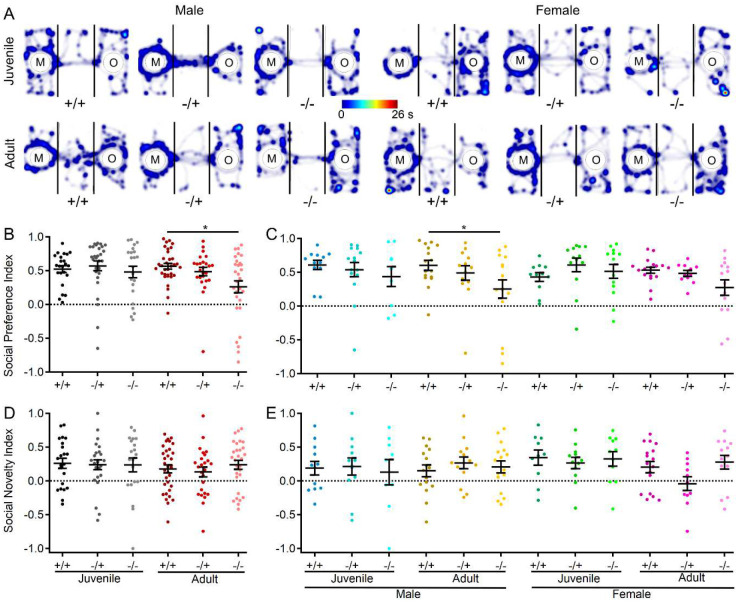
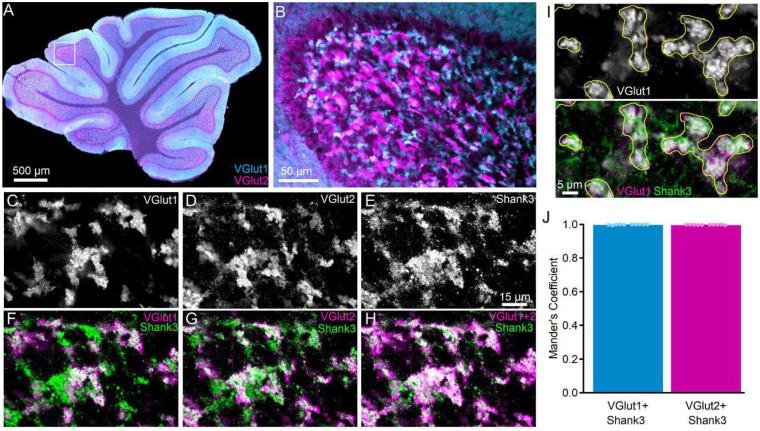
Deletion of caused deficits in motor function, heightened anxiety, and repetitive behaviors. These genotype-dependent behavioral alterations were more prominent in adult mice than in juveniles. Reduced social preference was only identified in adult knockout mice and self-grooming was uniquely elevated only in males across both age groups. Immunofluorescence staining indicates the presence of SHANK3 predominantly in the dendrite-containing rosette-like structures in CGCs, colocalizing with presynaptic markers of glutamatergic mossy fiber. Electrophysiological findings identify a parallel relationship between the age-related exacerbation of behavioral impairments and the enhancement of sEPSC amplitude in CGCs.
Other behavioral tests of muscle strength (grip strength test), memory (Barnes/water maze), and communication (ultrasonic vocalization), were not performed. Further study is necessary to elucidate how SHANK3 modulates synaptic function at the mossy fiber-granule cell synapse in the cerebellum.
Our findings reveal an age-related exacerbation of behavioral impairments in mutant mice. These results suggest that SHANK3 may play a role in maintaining glutamatergic receptors and synapses in CGCs, as well as the potential involvement of the cerebellum in ASD.
SHANK3基因编码一种突触支架蛋白,与自闭症谱系障碍(ASD)有关,并且在费兰-麦克德米德综合征(PMS)中发生了突变。尽管有证据表明PMS患者的ASD样症状会出现退化或加重,但其潜在机制仍不清楚。虽然SHANK3在小脑皮质颗粒细胞中高度表达,但其在小脑功能中的作用以及对ASD模型行为缺陷的影响尚不清楚。本研究调查了两个发育阶段的SHANK3基因敲除小鼠的行为变化和小脑突触改变。
对缺失外显子4-22(所有功能异构体)的野生型、杂合子和纯合子敲除小鼠在幼年(5-7周龄)和成年(3-5月龄)两个年龄段的雌雄小鼠队列中进行了一系列行为测试。免疫染色用于显示小脑皮质中SHANK3的表达。通过全细胞膜片钳电生理记录小脑颗粒细胞(CGCs)的自发兴奋性突触后电流(sEPSCs)。
SHANK3基因的缺失导致运动功能缺陷、焦虑加剧和重复行为。这些基因型依赖性的行为改变在成年小鼠中比在幼年小鼠中更为明显。社交偏好降低仅在成年SHANK3基因敲除小鼠中发现,而自我梳理行为仅在两个年龄组的雄性小鼠中独特地升高。免疫荧光染色表明,SHANK3主要存在于CGCs中含树突的玫瑰花结样结构中,与谷氨酸能苔藓纤维的突触前标记物共定位。电生理结果表明,行为障碍的年龄相关加重与CGCs中sEPSC幅度的增强之间存在平行关系。
未进行其他肌肉力量(握力测试)、记忆(巴恩斯/水迷宫)和交流(超声波发声)的行为测试。需要进一步研究以阐明SHANK3如何调节小脑中苔藓纤维-颗粒细胞突触的突触功能。
我们的研究结果揭示了SHANK3基因敲除小鼠行为障碍的年龄相关加重。这些结果表明,SHANK3可能在维持CGCs中的谷氨酸能受体和突触方面发挥作用,以及小脑在ASD中的潜在参与。