Fourie Chantelle, Vyas Yukti, Lee Kevin, Jung Yewon, Garner Craig C, Montgomery Johanna M
Department of Physiology and Centre for Brain Research, University of Auckland, Auckland, New Zealand.
German Center for Neurodegenerative Disorders, Charité-Universitätsmedizin Berlin, Berlin, Germany.
Front Cell Neurosci. 2018 Oct 22;12:374. doi: 10.3389/fncel.2018.00374. eCollection 2018.
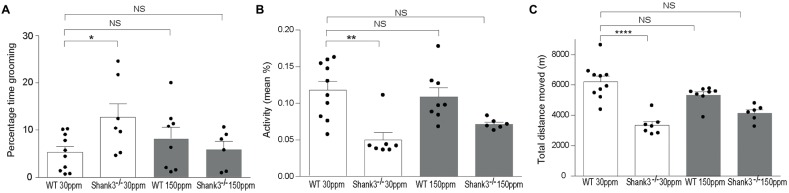
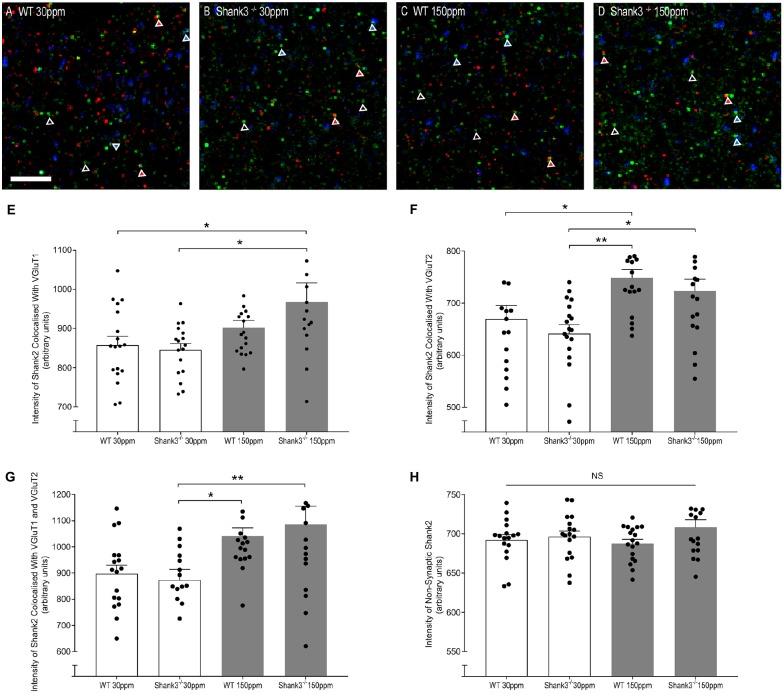
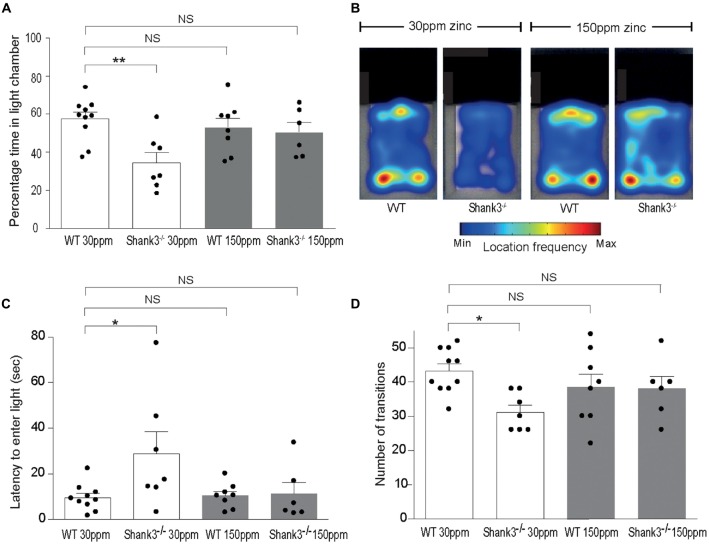
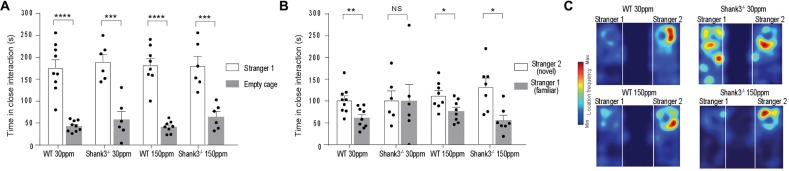
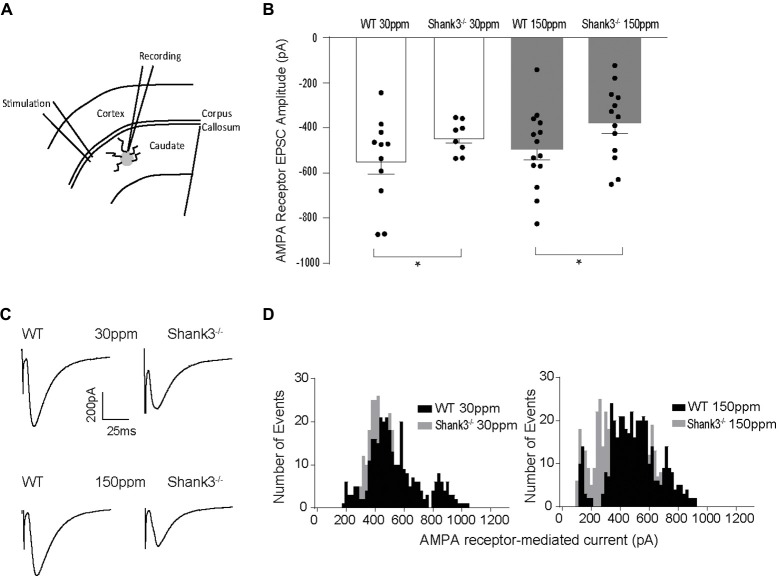
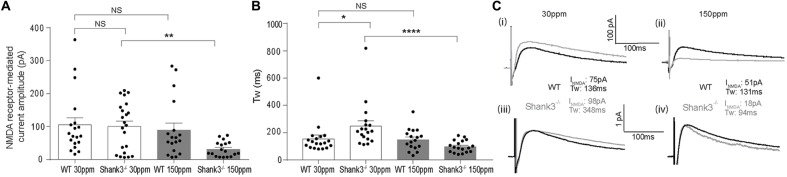
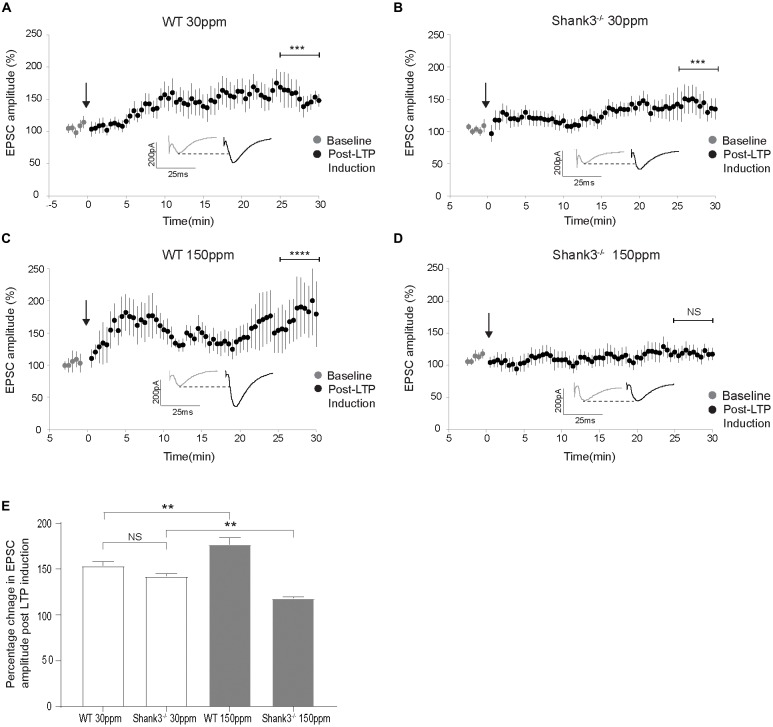
The SHANK family of synaptic proteins (SHANK1-3) are master regulators of the organizational structure of excitatory synapses in the brain. Mutations in are prevalent in patients with autism spectrum disorders (ASD), and loss of one copy of causes Phelan-McDermid Syndrome, a syndrome in which Autism occurs in >80% of cases. The synaptic stability of SHANK3 is highly regulated by zinc, driving the formation of postsynaptic protein complexes and increases in excitatory synaptic strength. As ASD-associated SHANK3 mutations retain responsiveness to zinc, here we investigated how increasing levels of dietary zinc could alter behavioral and synaptic deficits that occur with ASD. We performed behavioral testing together with cortico-striatal slice electrophysiology on a mouse model of ASD ( ), which displays ASD-related behaviors and structural and functional deficits at striatal synapses. We observed that 6 weeks of dietary zinc supplementation in mice prevented ASD-related repetitive and anxiety behaviors and deficits in social novelty recognition. Dietary zinc supplementation also increased the recruitment of zinc sensitive SHANK2 to synapses, reduced synaptic transmission specifically through -methyl-D-aspartate (NMDA)-type glutamate receptors, reversed the slowed decay tau of NMDA receptor (NMDAR)-mediated currents and occluded long term potentiation (LTP) at cortico-striatal synapses. These data suggest that alterations in NMDAR function underlie the lack of NMDAR-dependent cortico-striatal LTP and contribute to the reversal of ASD-related behaviors such as compulsive grooming. Our data reveal that dietary zinc alters neurological function from synapses to behavior, and identifies dietary zinc as a potential therapeutic agent in ASD.
SHANK突触蛋白家族(SHANK1 - 3)是大脑中兴奋性突触组织结构的主要调节因子。其突变在自闭症谱系障碍(ASD)患者中很常见,缺失一个拷贝会导致费伦 - 麦克德米德综合征,在该综合征中,超过80%的病例会出现自闭症。SHANK3的突触稳定性受到锌的高度调节,锌可驱动突触后蛋白复合物的形成并增强兴奋性突触强度。由于与ASD相关的SHANK3突变对锌仍有反应,我们在此研究了增加饮食中的锌含量如何改变ASD患者出现的行为和突触缺陷。我们对一种ASD小鼠模型( )进行了行为测试以及皮质 - 纹状体切片电生理实验,该模型在纹状体突触处表现出与ASD相关的行为以及结构和功能缺陷。我们观察到,对 小鼠进行6周的饮食锌补充可预防与ASD相关的重复行为和焦虑行为以及社交新奇识别缺陷。饮食锌补充还增加了对锌敏感的SHANK2向突触的募集,特异性地通过N - 甲基 - D - 天冬氨酸(NMDA)型谷氨酸受体减少突触传递,逆转NMDA受体(NMDAR)介导电流的缓慢衰减时间常数,并阻断皮质 - 纹状体突触处的长时程增强(LTP)。这些数据表明,NMDAR功能的改变是NMDAR依赖性皮质 - 纹状体LTP缺失的基础,并导致诸如强迫性梳理等ASD相关行为的逆转。我们的数据表明,饮食锌可改变从突触到行为的神经功能,并确定饮食锌是ASD的一种潜在治疗剂。