Zhang Guoqing, Zhou Zhijun, Cui Chunxue, Zhang Jian, Wang Jingyi
Key Laboratory of Enhanced Oil Recovery, Northeast Petroleum University, Daqing City, Heilongjiang Province 163318, China.
Institute of Mechanics, Chinese Academy of Sciences, Beijing 100190, China.
ACS Omega. 2024 Aug 24;9(36):37724-37736. doi: 10.1021/acsomega.4c03028. eCollection 2024 Sep 10.
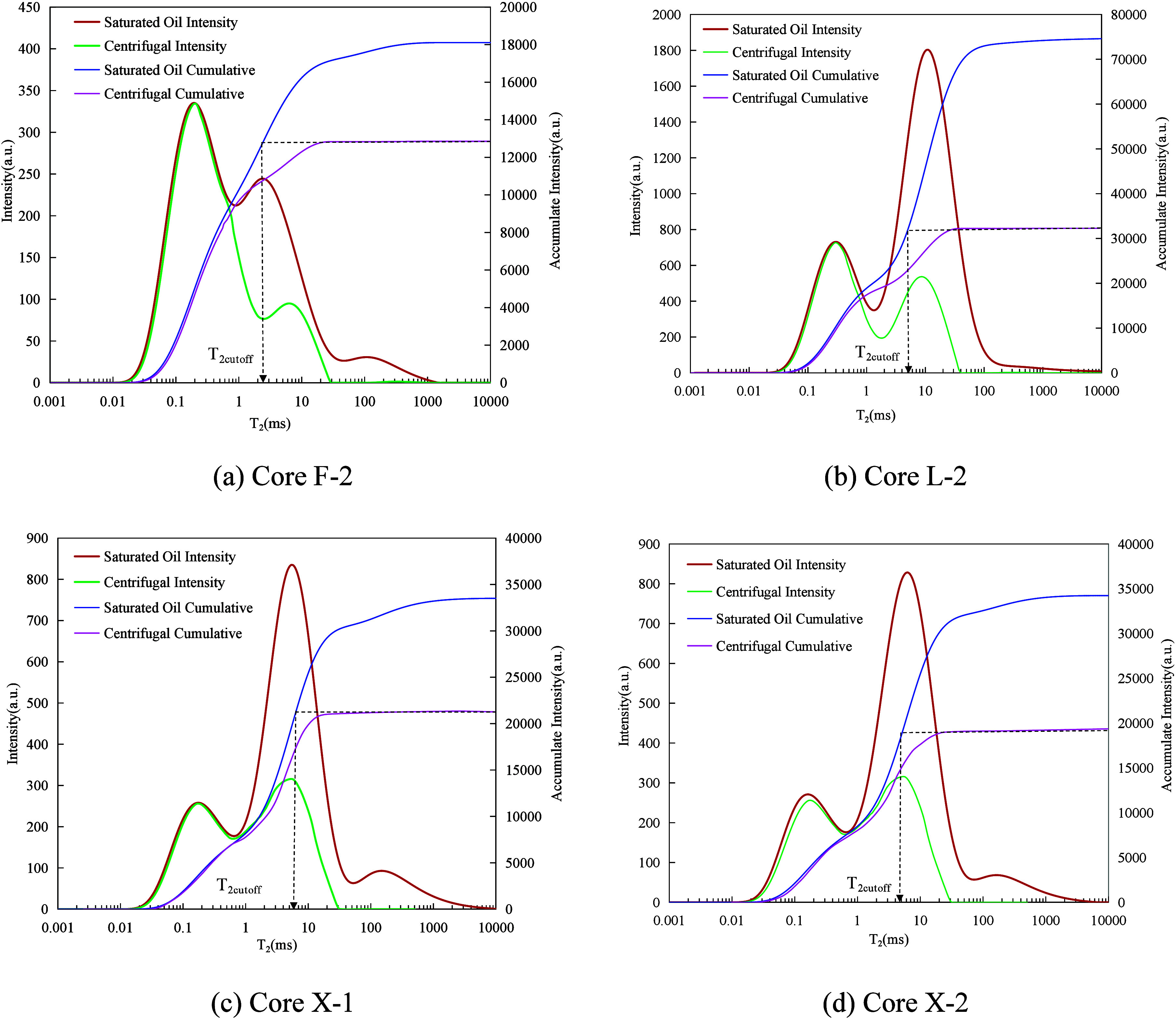
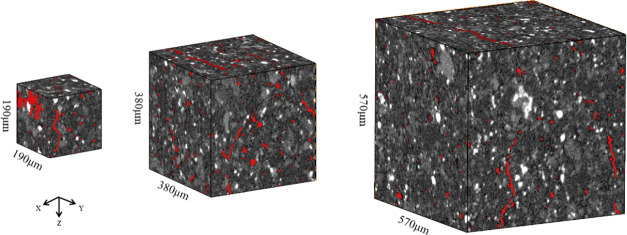
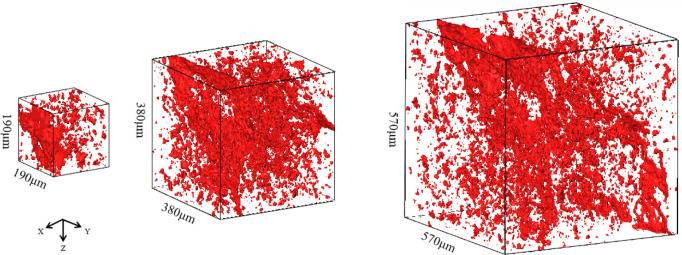
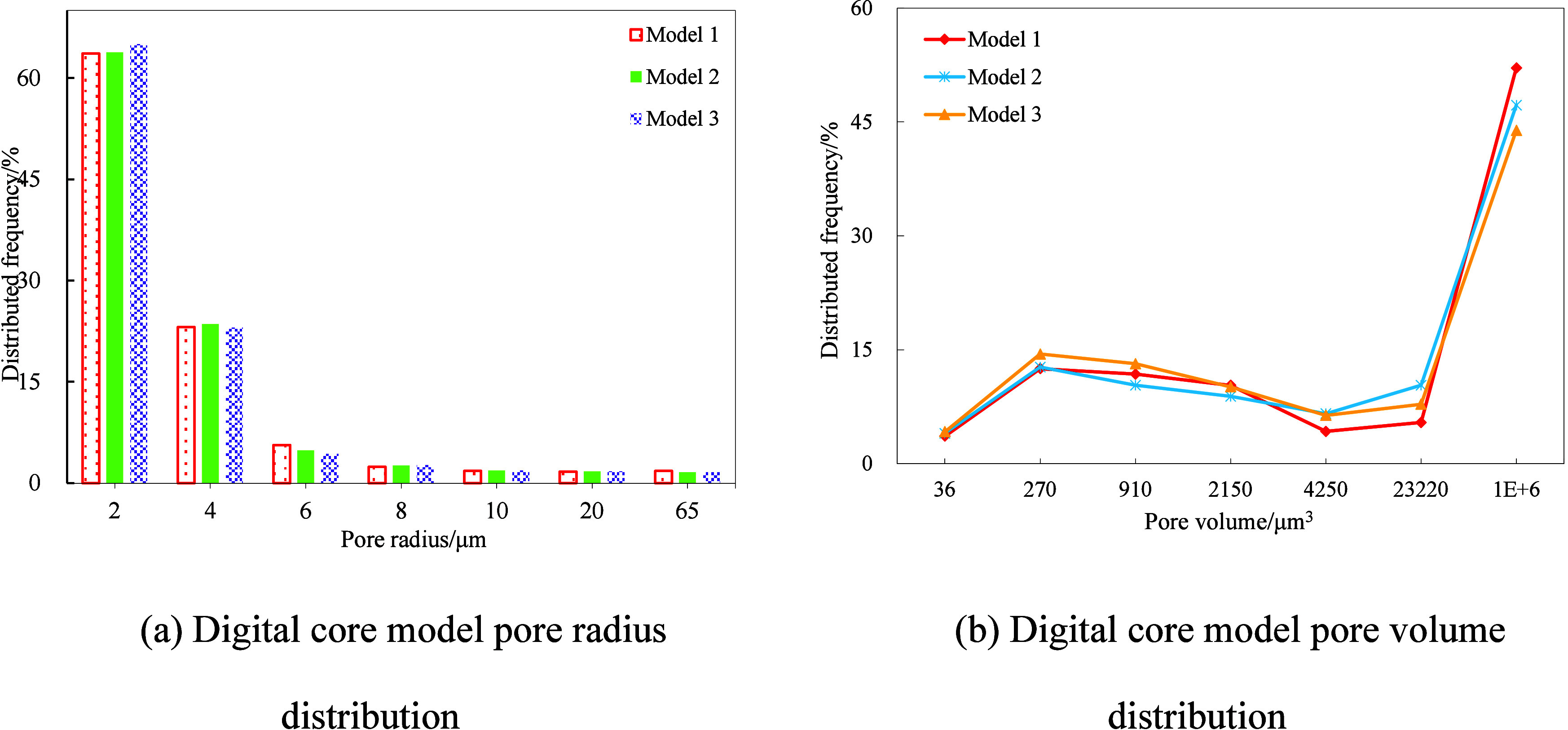
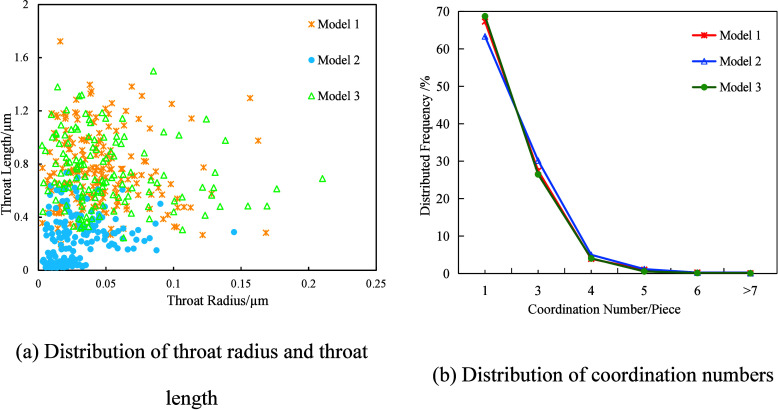
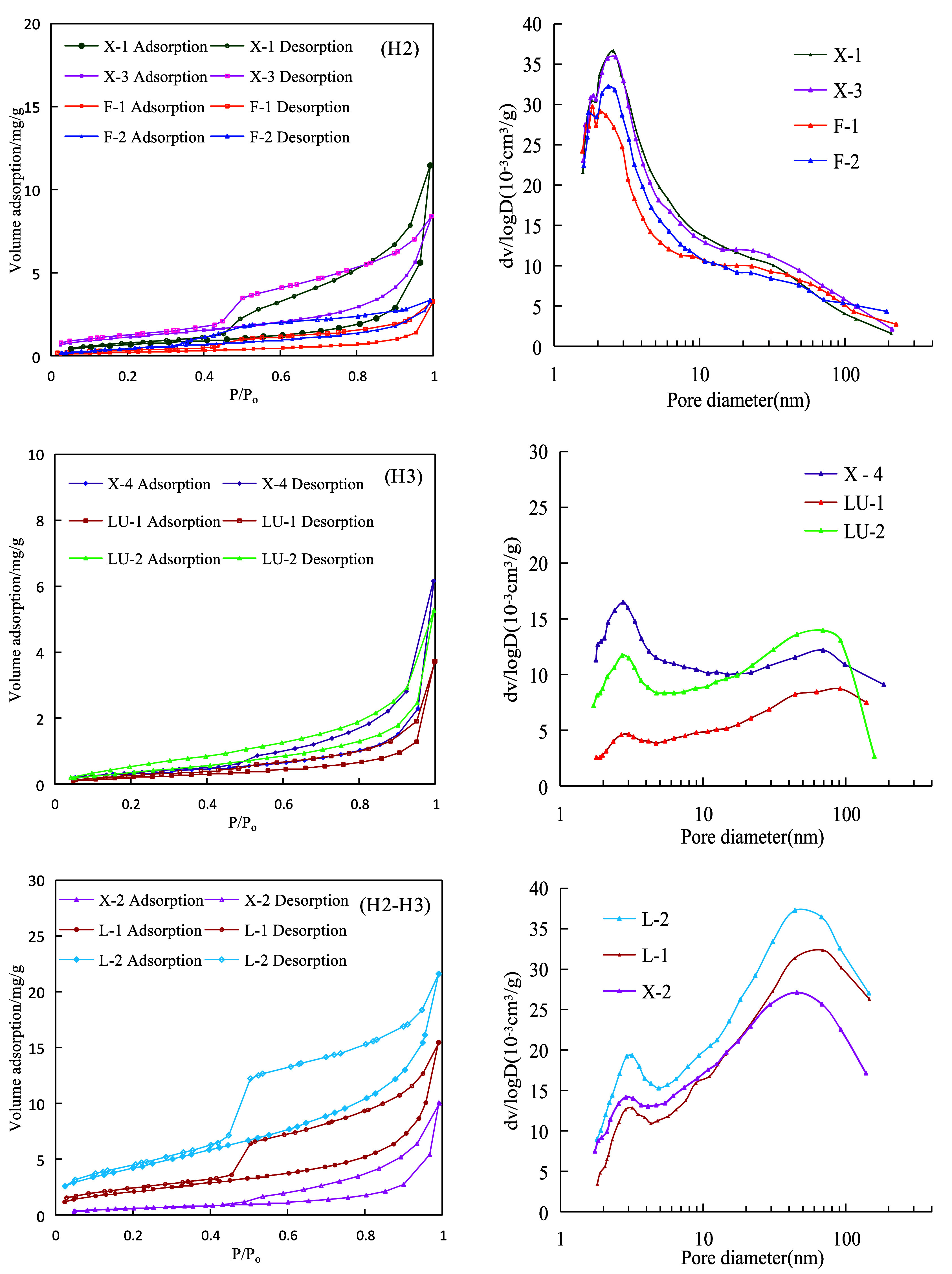
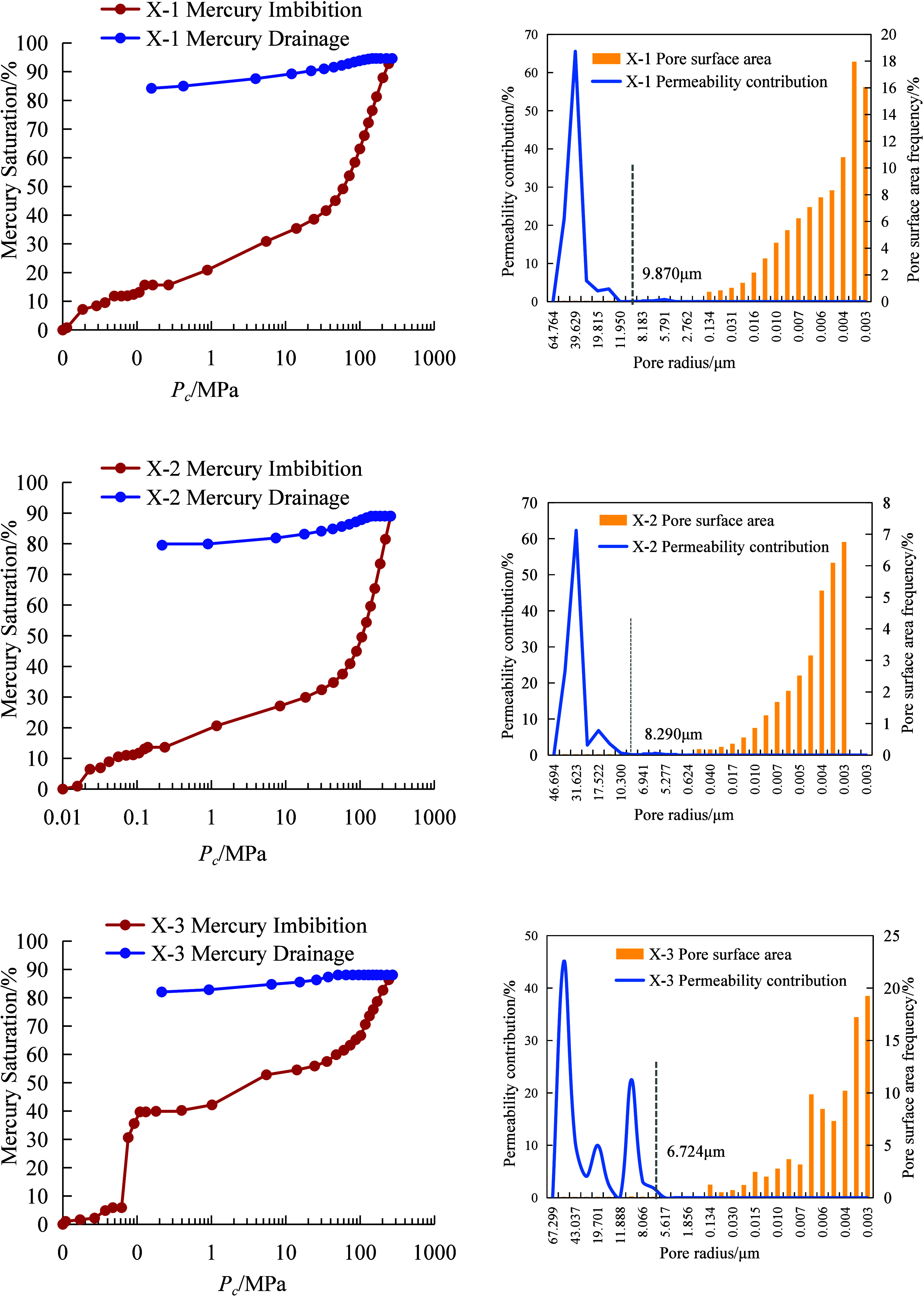
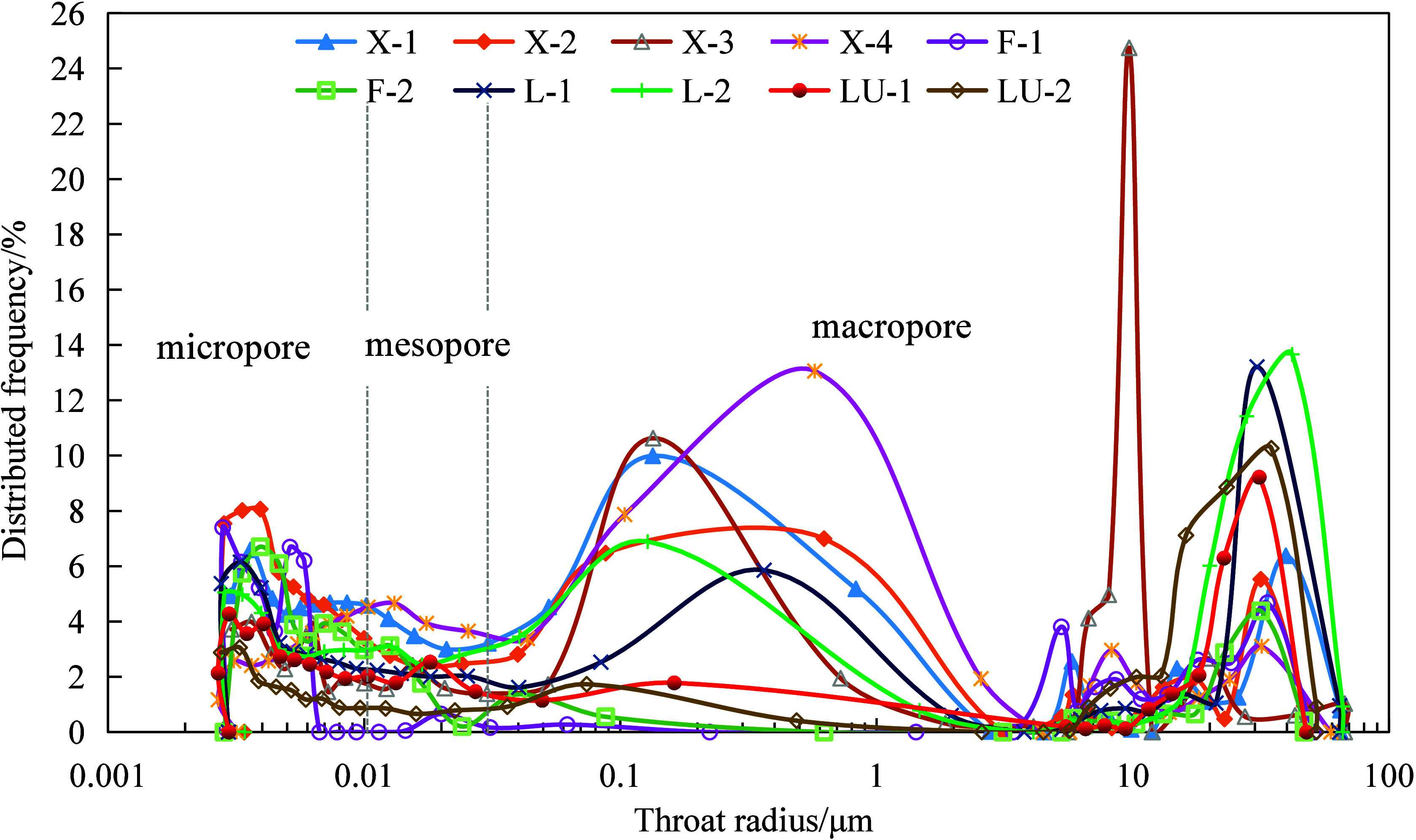
Accompanying the commercial exploitation of shale oil and gas in North America, shale oil has gradually become an important resource, sparking great interest among countries around the world in recent years. In this study, focusing on the Paleogene Shahejie Formation in Bohai Bay (Eastern China), techniques such as CT, nitrogen adsorption, mercury injection capillary pressure (MICP), and nuclear magnetic resonance (NMR) were used to characterize the pore structure and mobility of the shale reservoir. Based on the X-ray CT data, the pore radius of the shale reservoir is in the range 0.5-65 μm, and the pore coordination number is concentrated in the range of 1-4. The shale reservoir is poorly connected. The minimum size of the unit body for establishing the digital core model is 380 μm. Based on the experimental data of nitrogen adsorption and MICP, the pores of shale in the study area are mainly classified as ink-bottle-shaped pores, transition-shaped pores, and flat plate slit-shaped pores. The specific surface area and volume of pores are mainly attributed to meso- and macropores. The movable fluid saturation of shale is distributed from 23.59 to 44.42%, the pore throat radius is distributed from 0.001 to 6 μm, and the lower limit of the movable pore throat radius of shale is distributed between 9.0 and 20.1 nm. The movable fluid porosity is mainly distributed between 0.84 and 4.08%, with an average movable fluid porosity of 2.37%. The findings provide a theoretical basis for the efficient development of shale oil resources.
随着北美页岩油气的商业开发,页岩油已逐渐成为一种重要资源,近年来引发了世界各国的极大关注。本研究聚焦于中国东部渤海湾古近系沙河街组,采用CT、氮气吸附、压汞毛细管压力(MICP)和核磁共振(NMR)等技术对页岩储层的孔隙结构和流动性进行表征。基于X射线CT数据,页岩储层的孔隙半径在0.5 - 65μm范围内,孔隙配位数集中在1 - 4范围内。页岩储层连通性较差。建立数字岩心模型的单元体最小尺寸为380μm。基于氮气吸附和MICP的实验数据,研究区页岩孔隙主要分为墨水瓶形孔隙、过渡形孔隙和平板裂隙形孔隙。比表面积和孔隙体积主要归因于中孔和大孔。页岩的可动流体饱和度分布在23.59%至44.42%之间,孔喉半径分布在0.001至6μm之间,页岩可动孔喉半径下限分布在9.0至20.1nm之间。可动流体孔隙度主要分布在0.84%至4.08%之间,平均可动流体孔隙度为2.37%。研究结果为页岩油资源的高效开发提供了理论依据。