Høj Kristina, Baldan Jonathan, Seymour Philip Allan, Rift Charlotte Vestrup, Hasselby Jane Preuss, Sandelin Albin, Arnes Luis
Biotech Research and Innovation Centre (BRIC), University of Copenhagen, Copenhagen, Denmark.
Department of Pathology, Copenhagen University Hospital Rigshospitalet, Copenhagen, Denmark.
Gastro Hep Adv. 2024 Jul 14;3(7):973-985. doi: 10.1016/j.gastha.2024.07.002. eCollection 2024.
The regenerative capacity of the pancreas diminishes with age. Understanding acinar cell responses to injury and the resolution of regenerative processes is crucial for tissue homeostasis. However, knowledge about the impact of aging on these processes remains limited.
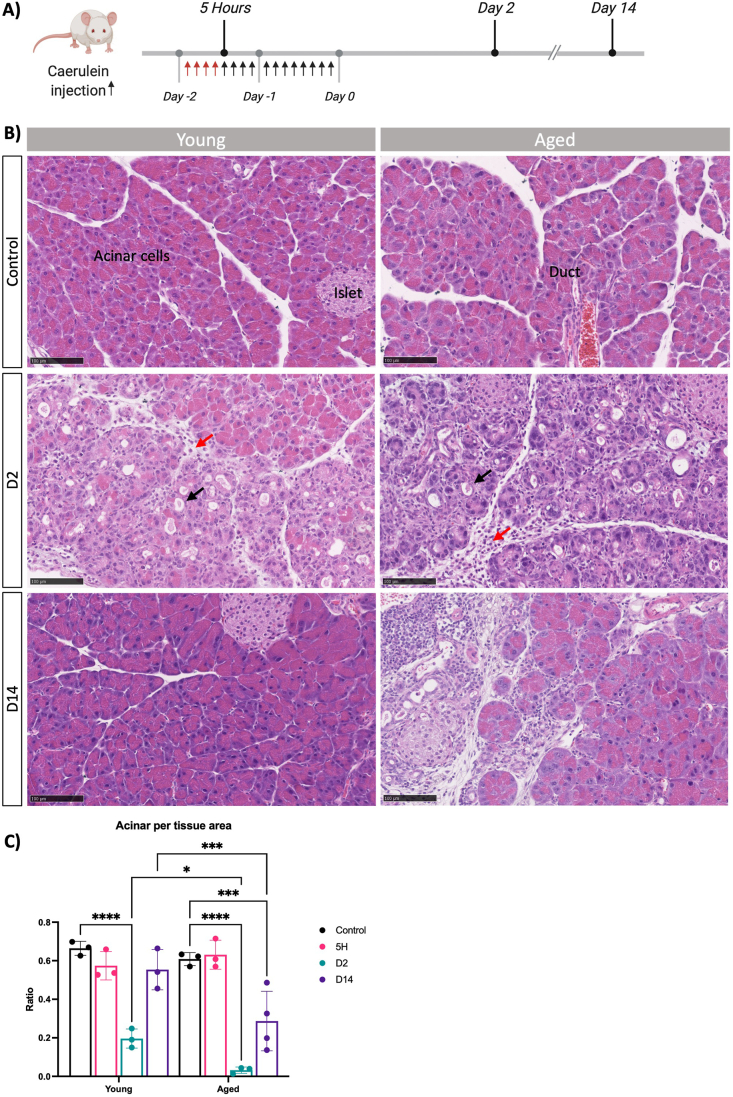
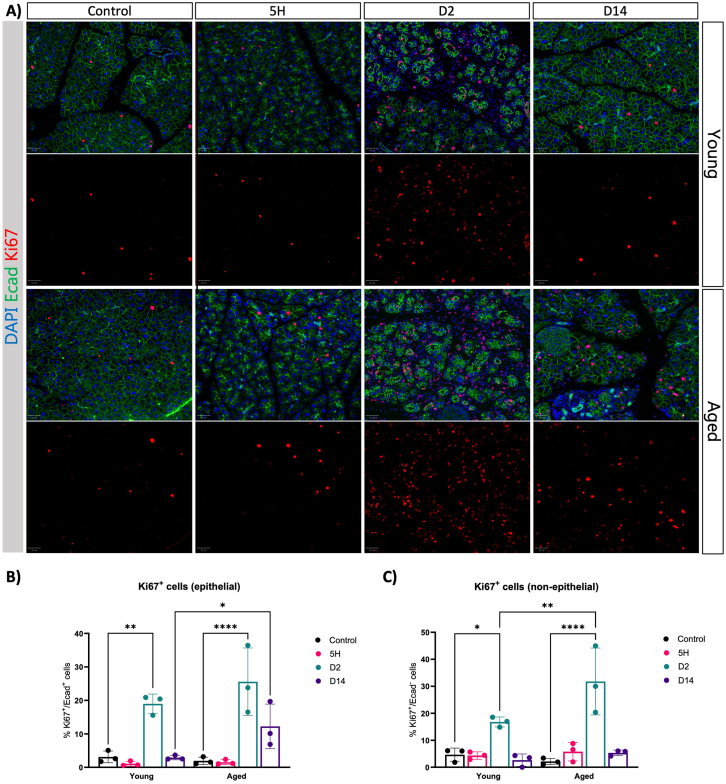
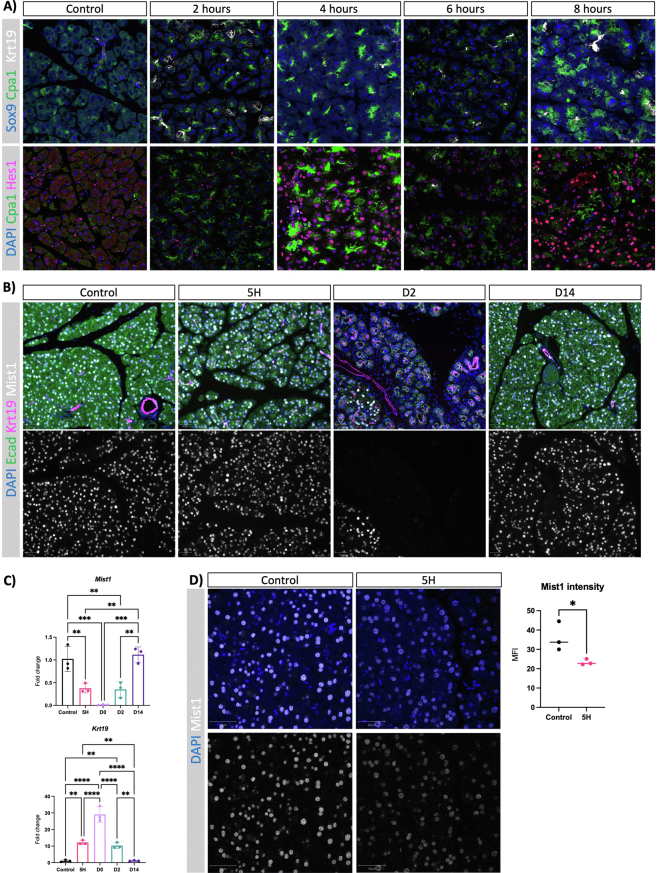
To investigate the influence of aging on pancreas regeneration, we established a cohort of young (7-14 weeks) and old (18 months) C57bl/6 mice. Experimental pancreatitis was induced using caerulein, and pancreas samples were collected at various time points after induction, covering acute damage response, inflammation, peak proliferation, and inflammation resolution. Our analysis involved immunohistochemistry, quantitative imaging, and gene expression analyses.
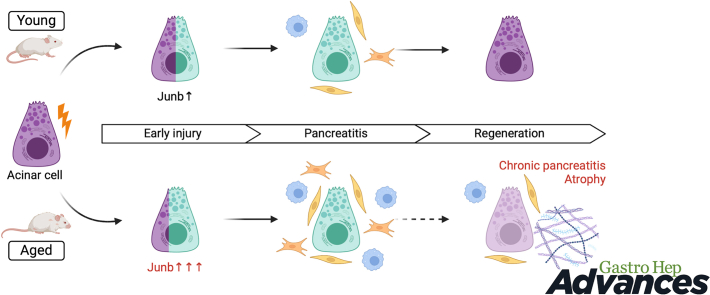
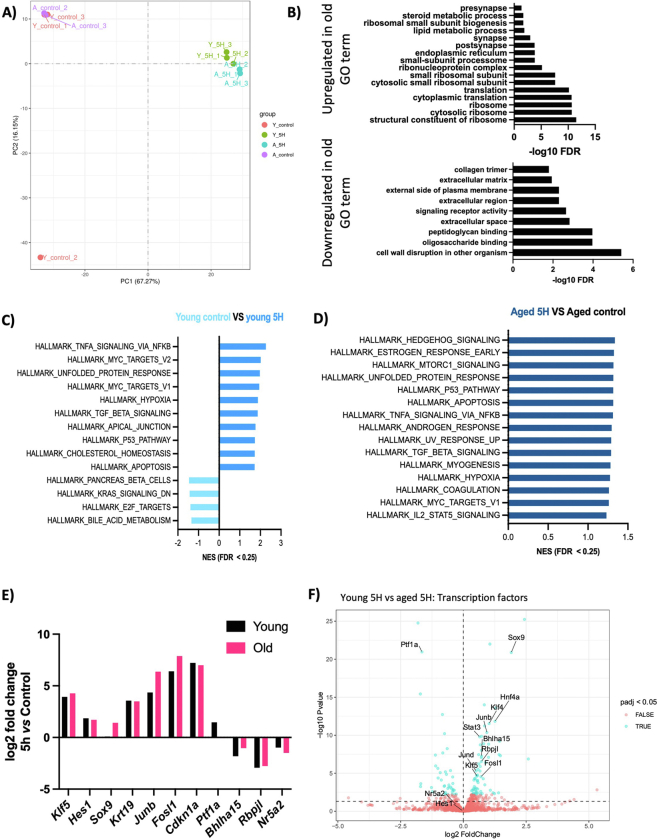
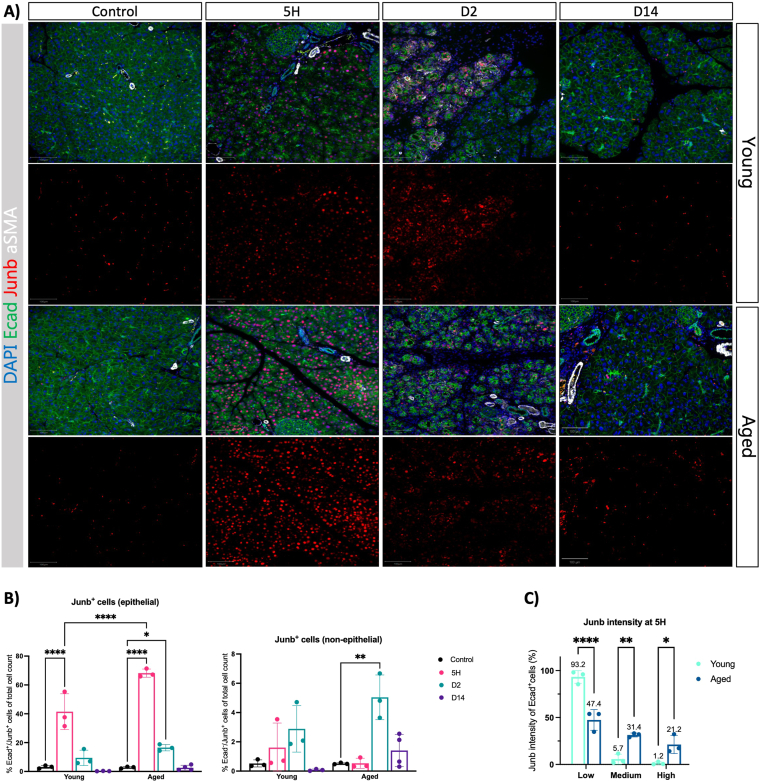
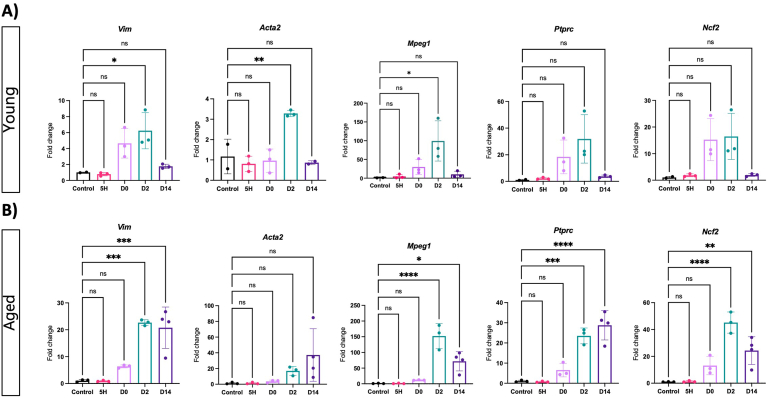
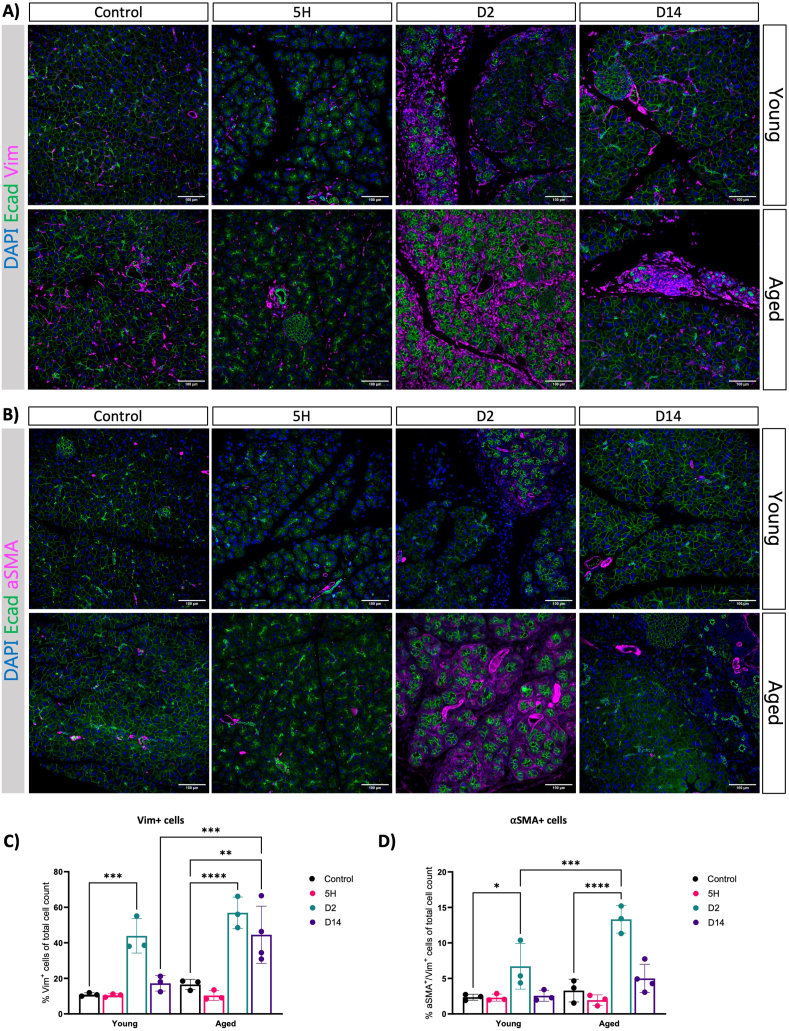
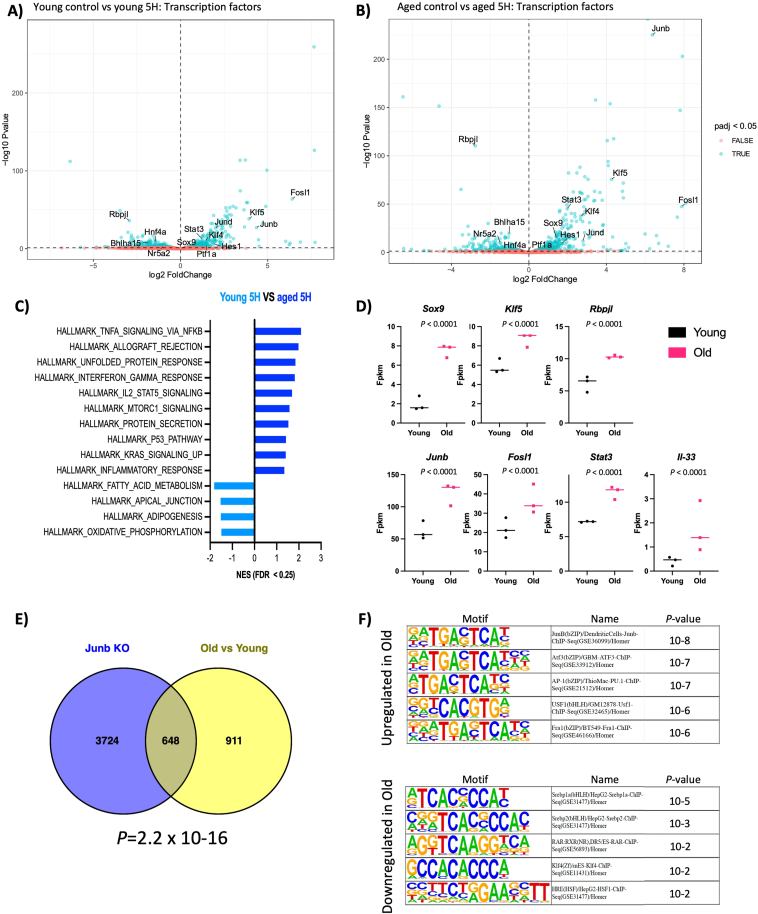
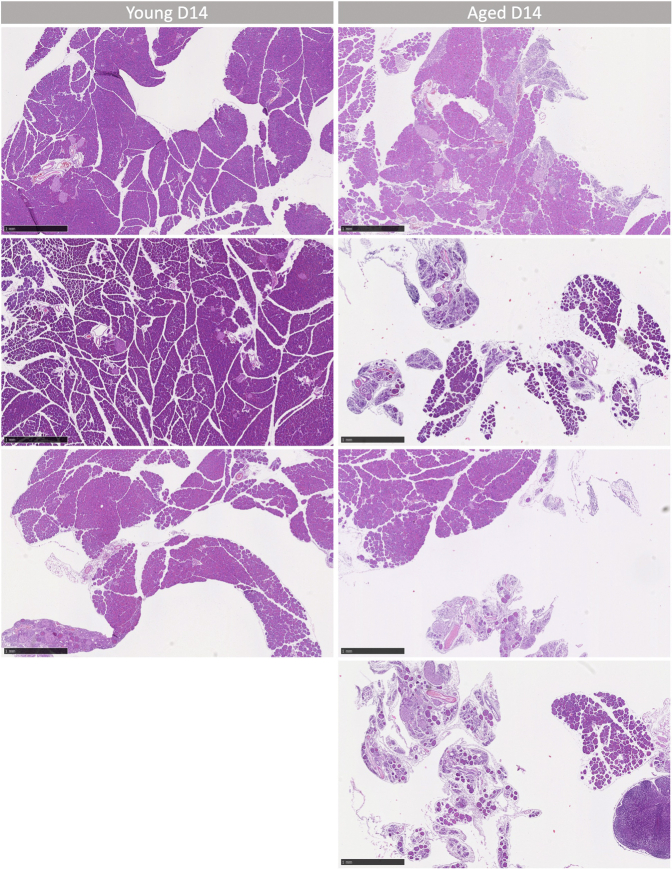
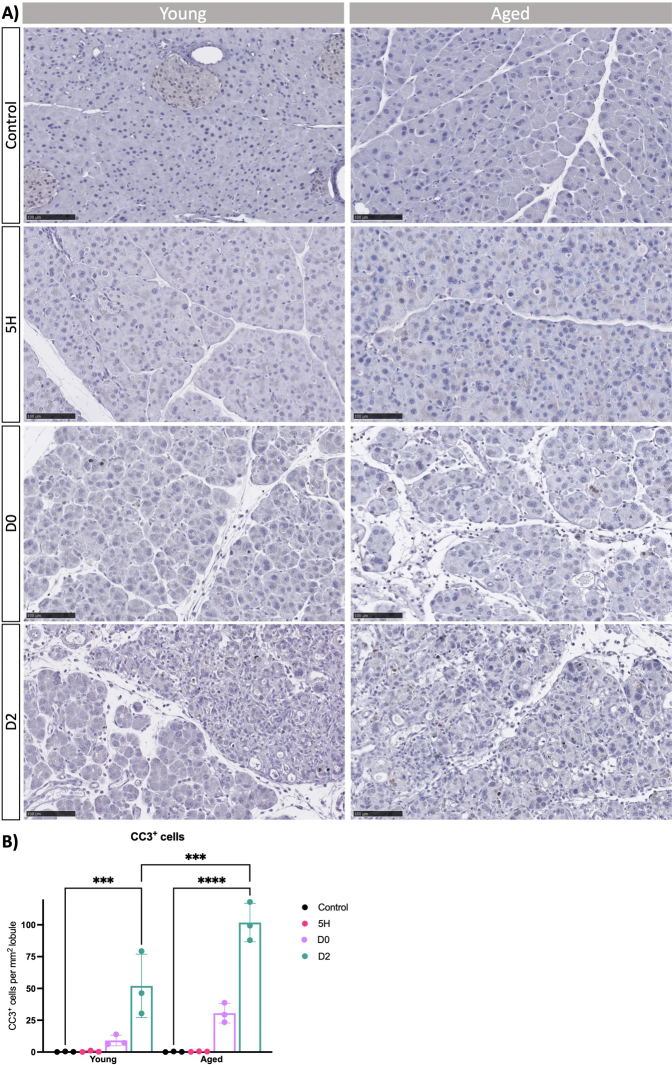
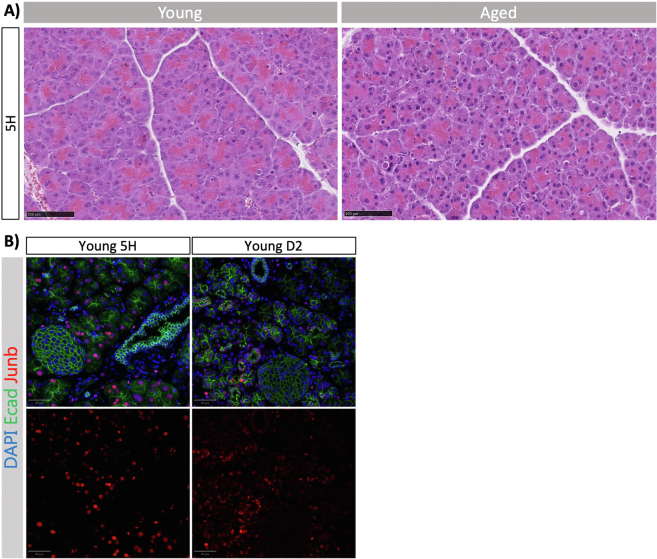
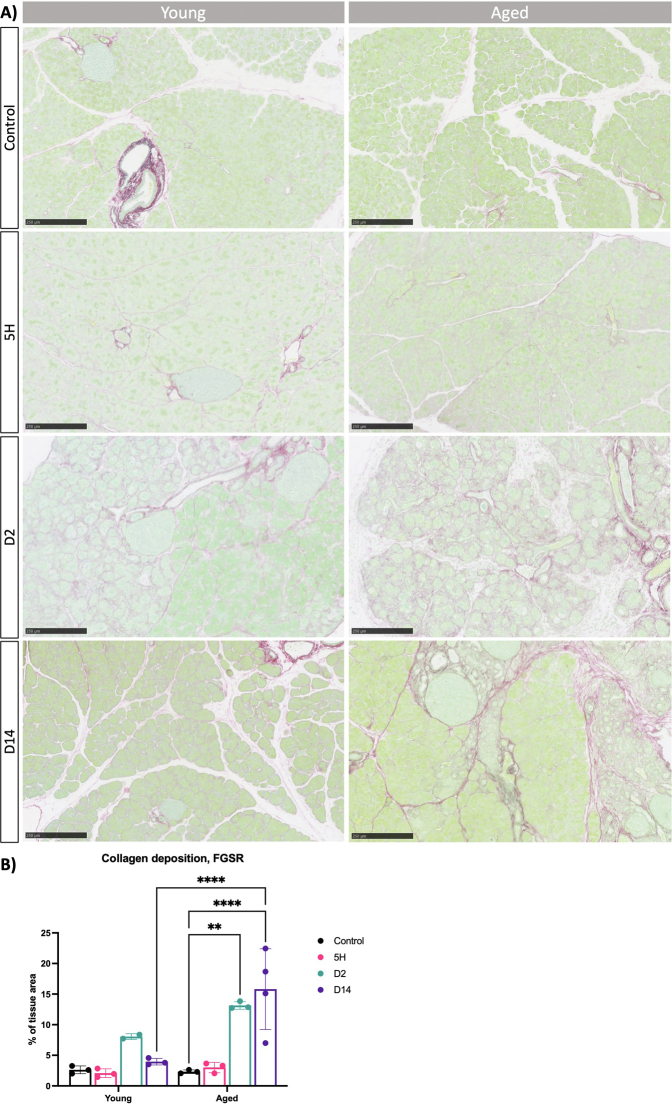
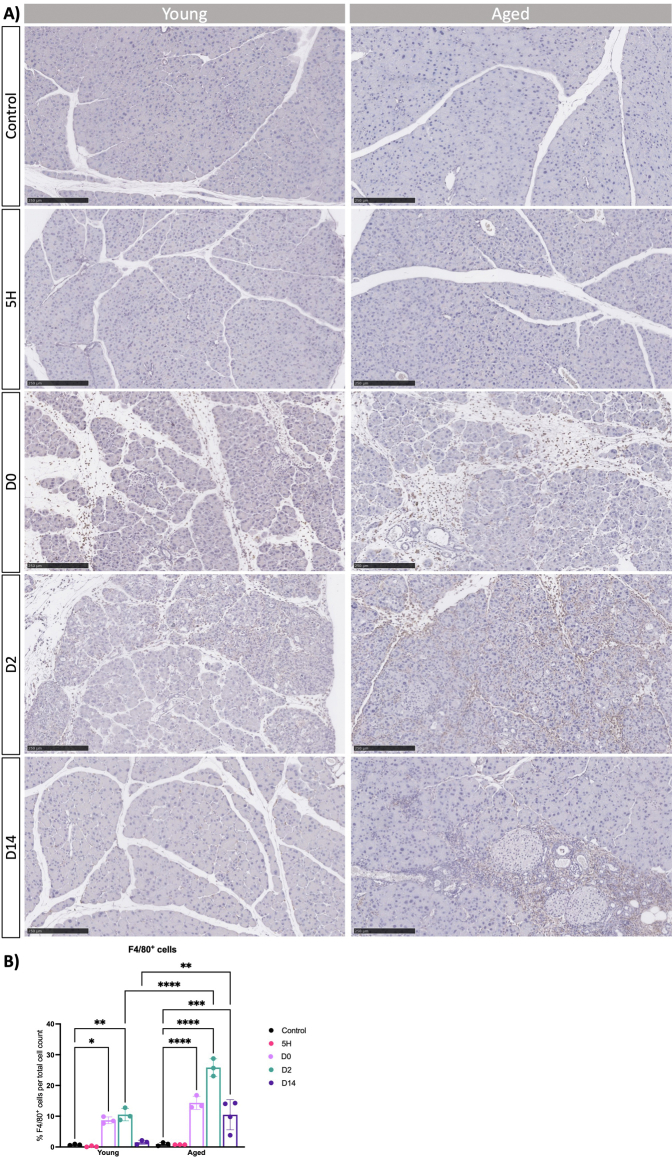
Our study revealed a significant decline in the regenerative capacity of the pancreas in old mice. Despite similar morphology and transcriptional profiles between the pancreas of young and old mice under homeostasis, the aged pancreas is primed to generate an exacerbated proinflammatory reaction in response to injury. Specifically, we observed notable upregulation of expression in acinar cells and aberrant myofibroblast activation in the aged pancreas.
The response of acinar cells to injury in the pancreas of aged mice is characterized by an increased susceptibility to inflammation and stromal reactions. Our findings uncover a pre-existing proinflammatory state in aged acinar cells, offering insights into potential strategies to prevent the onset of pancreatic insufficiency and the development of inflammatory conditions. These insights hold implications for preventing conditions such as chronic pancreatitis and pancreatic ductal adenocarcinoma.
胰腺的再生能力会随着年龄增长而下降。了解腺泡细胞对损伤的反应以及再生过程的消退对于组织稳态至关重要。然而,关于衰老对这些过程影响的知识仍然有限。
为了研究衰老对胰腺再生的影响,我们建立了一组年轻(7 - 14周)和年老(18个月)的C57bl/6小鼠。使用雨蛙素诱导实验性胰腺炎,并在诱导后的不同时间点收集胰腺样本,涵盖急性损伤反应、炎症、增殖高峰期和炎症消退期。我们的分析包括免疫组织化学、定量成像和基因表达分析。
我们的研究表明老年小鼠胰腺的再生能力显著下降。尽管在稳态下年轻和老年小鼠的胰腺在形态和转录谱上相似,但老年胰腺在受到损伤时会引发加剧的促炎反应。具体而言,我们观察到老年胰腺腺泡细胞中 表达显著上调以及肌成纤维细胞异常激活。
老年小鼠胰腺腺泡细胞对损伤的反应特点是对炎症和基质反应的易感性增加。我们的研究结果揭示了老年腺泡细胞中预先存在的促炎状态,为预防胰腺功能不全的发生和炎症性疾病的发展提供了潜在策略的见解。这些见解对预防慢性胰腺炎和胰腺导管腺癌等疾病具有重要意义。