Thermophile Research Unit, Te Aka Mātuatua - School of Science, Te Whare Wānanga o Waikato - University of Waikato, Hamilton, Aotearoa 3216, New Zealand.
International Centre for Terrestrial Antarctic Research, Te Whare Wānanga o Waikato - University of Waikato, Hamilton, Aotearoa 3216, New Zealand.
FEMS Microbiol Ecol. 2024 Oct 25;100(11). doi: 10.1093/femsec/fiae128.
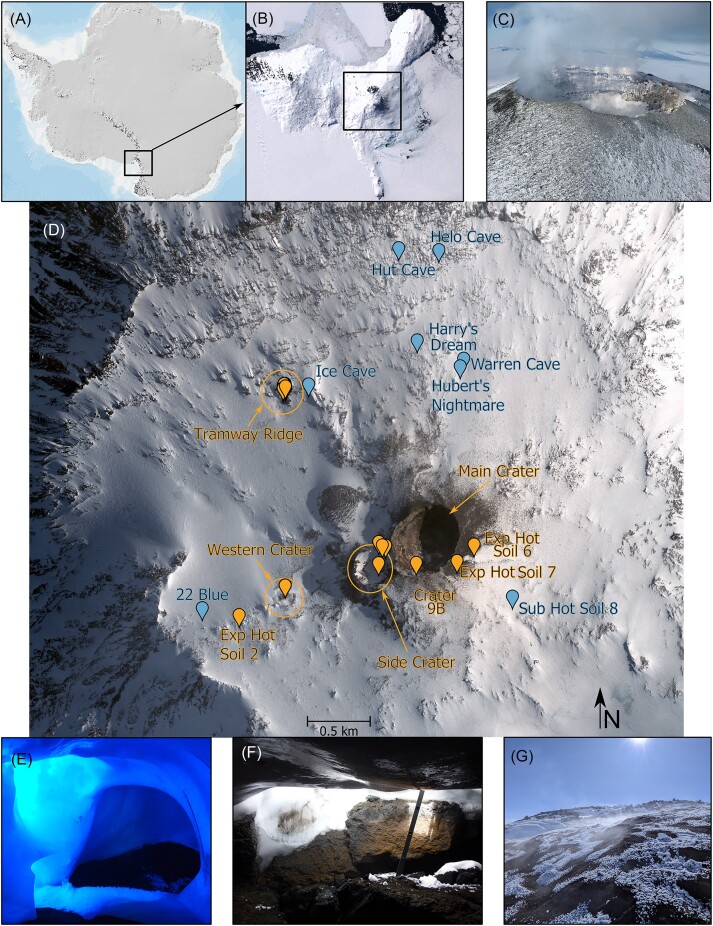
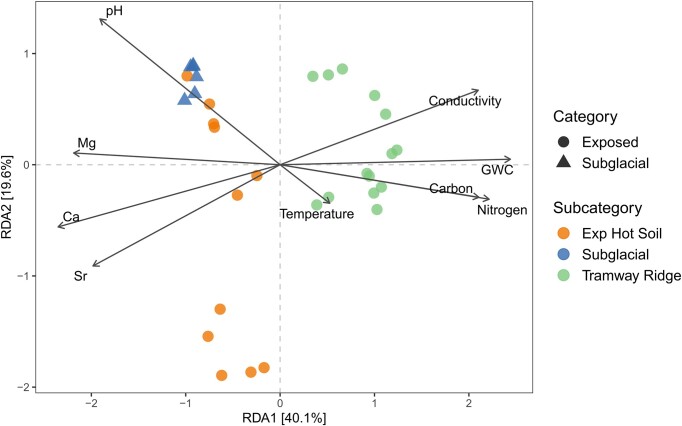
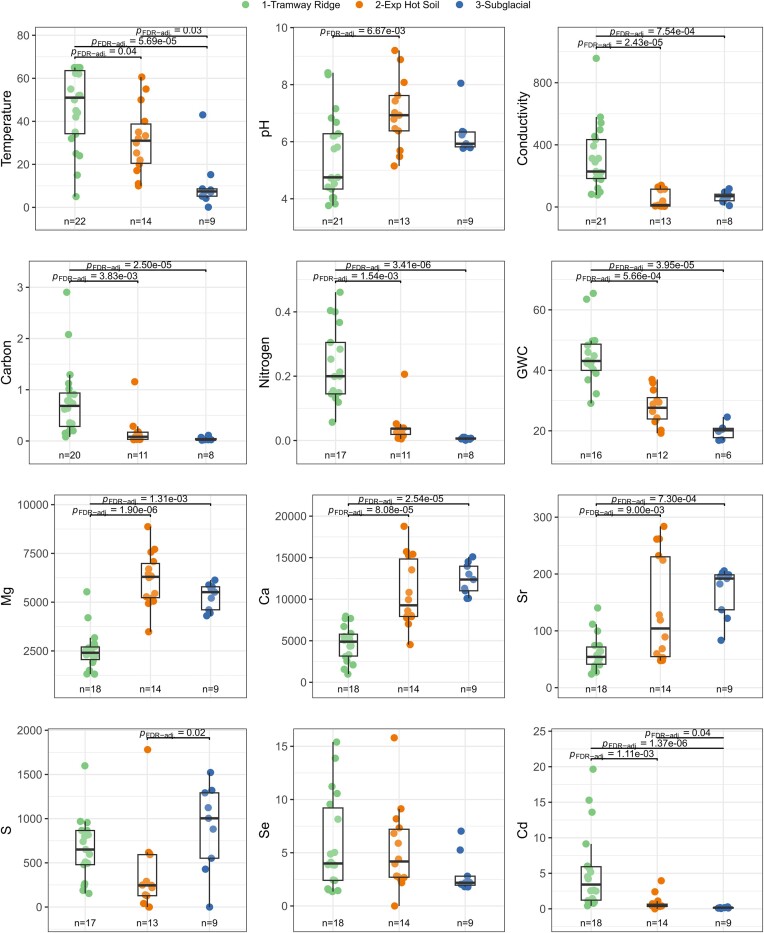
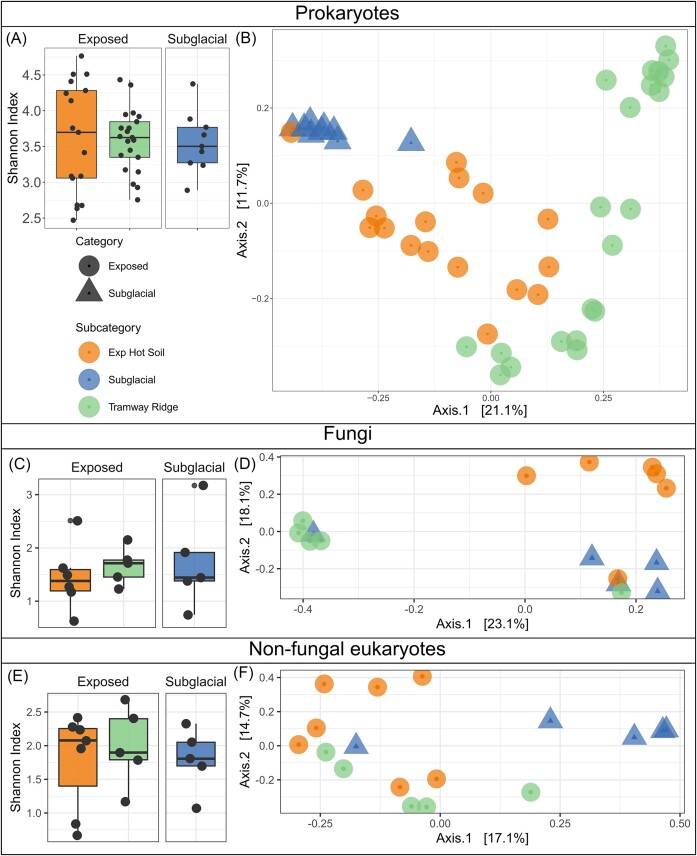
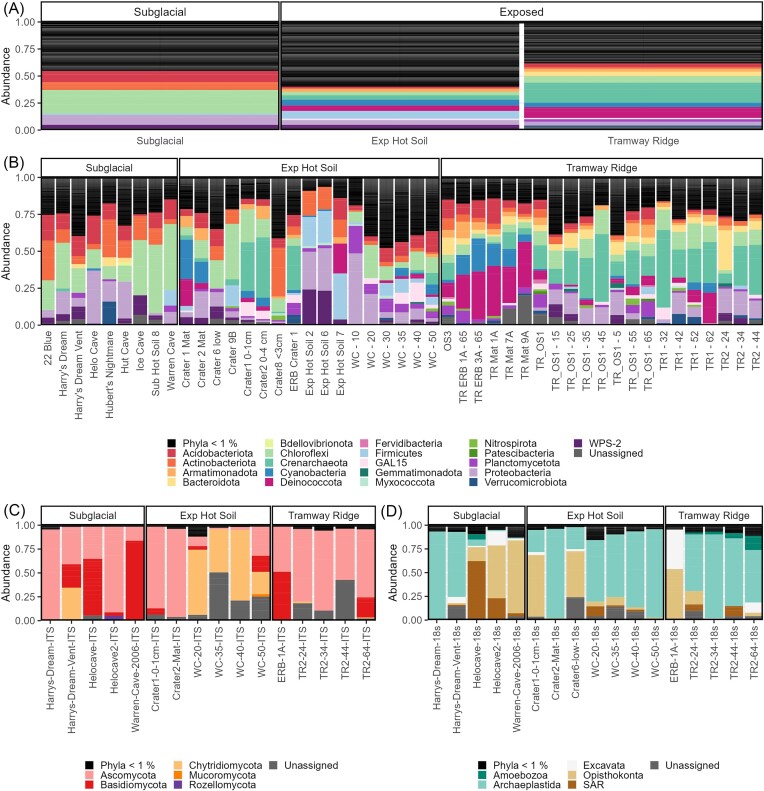
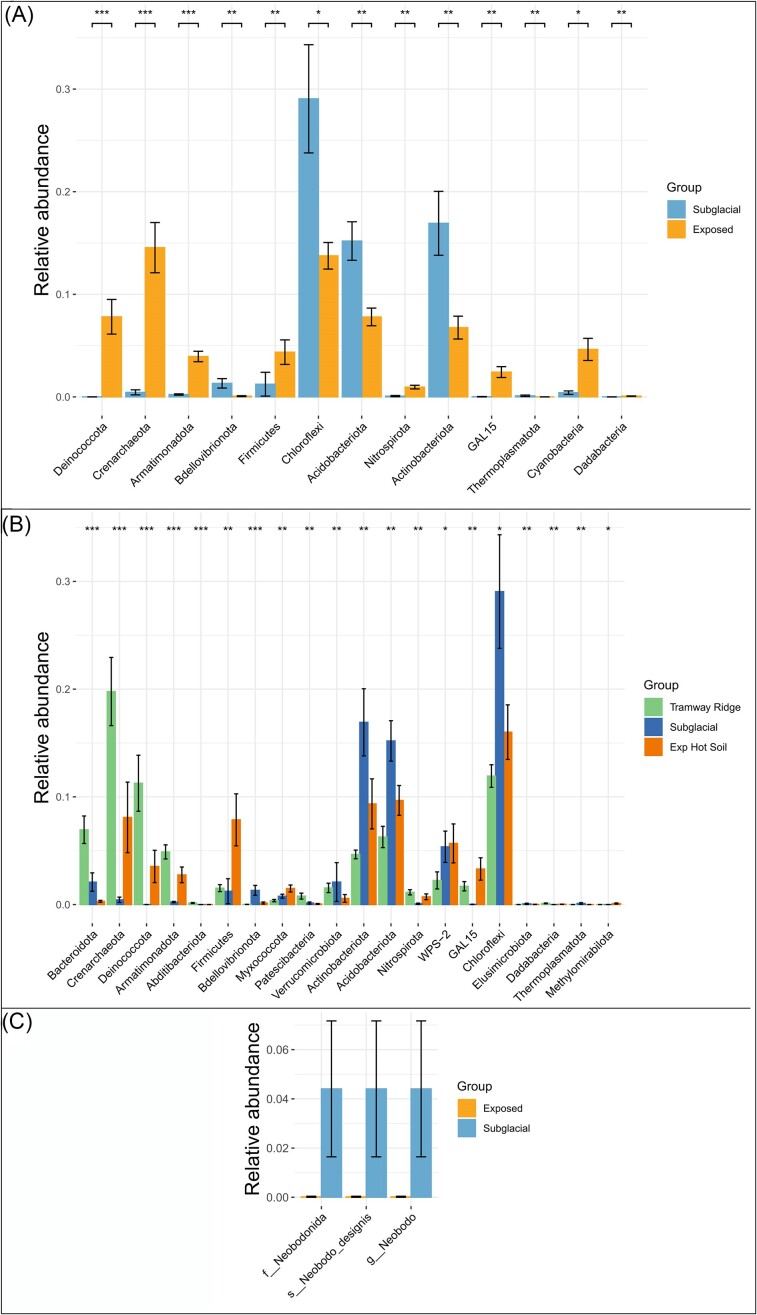
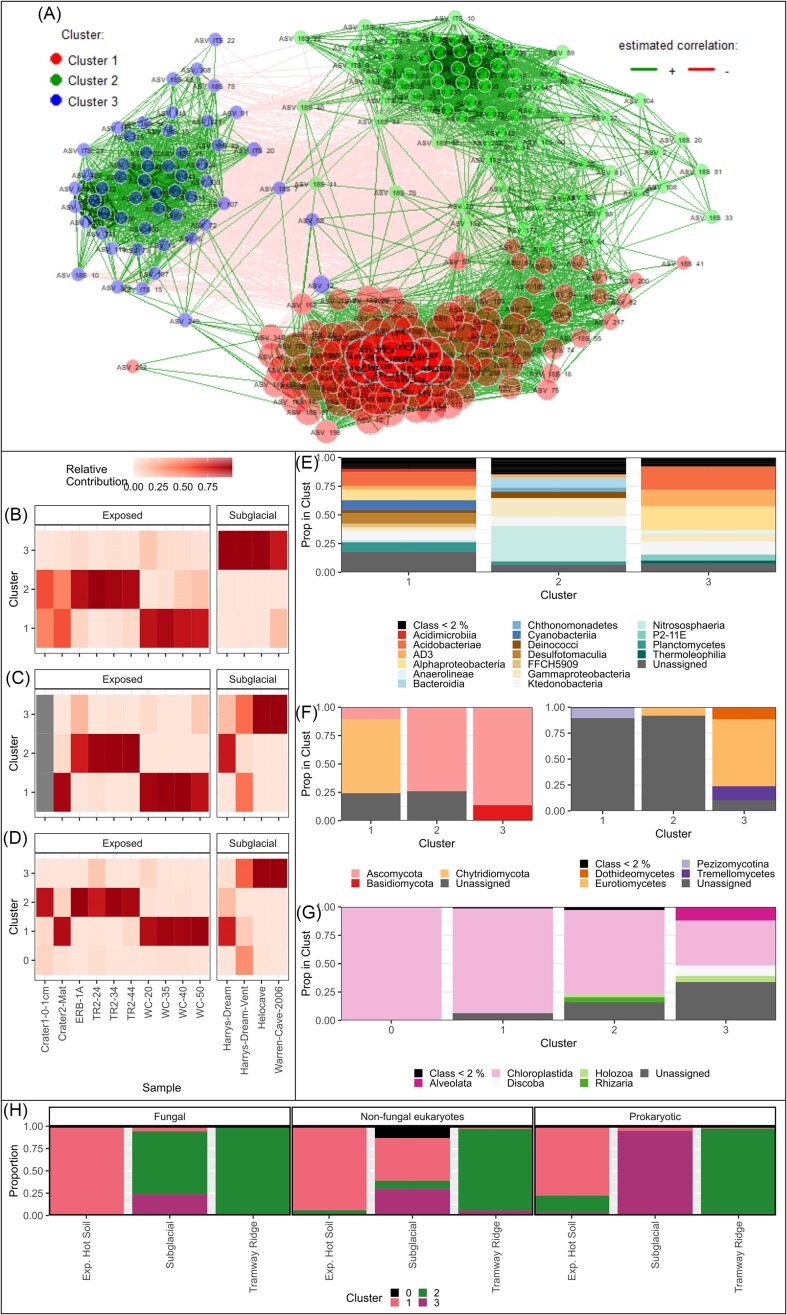
Mt. Erebus, Antarctica, is the southernmost active volcano in the world and harbors diverse geothermally unique ecosystems, including "Subglacial" and "Exposed" features, surrounded by a vast desert of ice and snow. Previous studies, while limited in scope, have highlighted the unique and potentially endemic biota of Mt. Erebus. Here, we provide an amplicon-based biodiversity study across all domains of life and all types of geothermal features, with physicochemical and biological data from 48 samples (39 Exposed and 9 Subglacial) collected through various field seasons. We found potentially high taxonomic novelty among prokaryotes and fungi, supporting past hypotheses of high endemism due to the distinctive and isolated environment; in particular, the large number of taxonomically divergent fungal sequences was surprising. We found that different site types had unique physicochemistry and biota; Exposed sites were warmer than Subglacial (median: 40°C versus 10°C for Exposed and Subglacial, respectively) and tended to have more photosynthetic organisms (Cyanobacteria and Chlorophyta). Subglacial sites had more Actinobacteriota, correlated with greater concentrations of Ca and Mg present. Our results also suggest potential human impacts on these remote, highly significant sites, finding evidence for fungal taxa normally associated with wood decay. In this study, we provide a blueprint for future work aimed at better understanding the novel biota of Mt. Erebus.
南极洲的埃里伯斯山是世界上最南端的活火山,拥有多样化的地热独特生态系统,包括“地下”和“暴露”特征,周围环绕着冰雪覆盖的广阔沙漠。以前的研究虽然范围有限,但强调了埃里伯斯山独特且可能特有生物区系。在这里,我们提供了一项基于扩增子的生物多样性研究,涵盖了生命的所有领域和所有类型的地热特征,涉及 48 个样本(39 个暴露样本和 9 个地下样本)的理化和生物数据,这些样本是通过多个野外季节收集的。我们发现了原核生物和真菌中可能存在高分类学新颖性,这支持了过去由于独特和孤立的环境而存在高特有性的假设;特别是,大量分类上不同的真菌序列令人惊讶。我们发现不同的地点类型具有独特的理化性质和生物群;暴露地点比地下(暴露和地下的中位数分别为 40°C 和 10°C)温暖,并且往往有更多的光合作用生物(蓝藻和绿藻)。地下地点有更多的放线菌门,这与存在的 Ca 和 Mg 浓度较高有关。我们的研究结果还表明,这些偏远的、具有重要意义的地点可能受到了人类的影响,发现了与木材腐烂有关的真菌类群的证据。在这项研究中,我们为未来的工作提供了蓝图,旨在更好地了解埃里伯斯山的新型生物区系。