OrganLife Organ Regeneration Centre of Excellence and Daniel Swarovski Research Laboratory (DSL), Department of Visceral, Transplant and Thoracic Surgery, Centre of Operative Medicine, Medical University of Innsbruck, Anichstr. 35, A-6020, Innsbruck, Austria.
Institute of Bioinformatics, Biocentre, Medical University of Innsbruck, Innrain 80/82, A-6020, Innsbruck, Austria.
EBioMedicine. 2024 Oct;108:105330. doi: 10.1016/j.ebiom.2024.105330. Epub 2024 Sep 18.
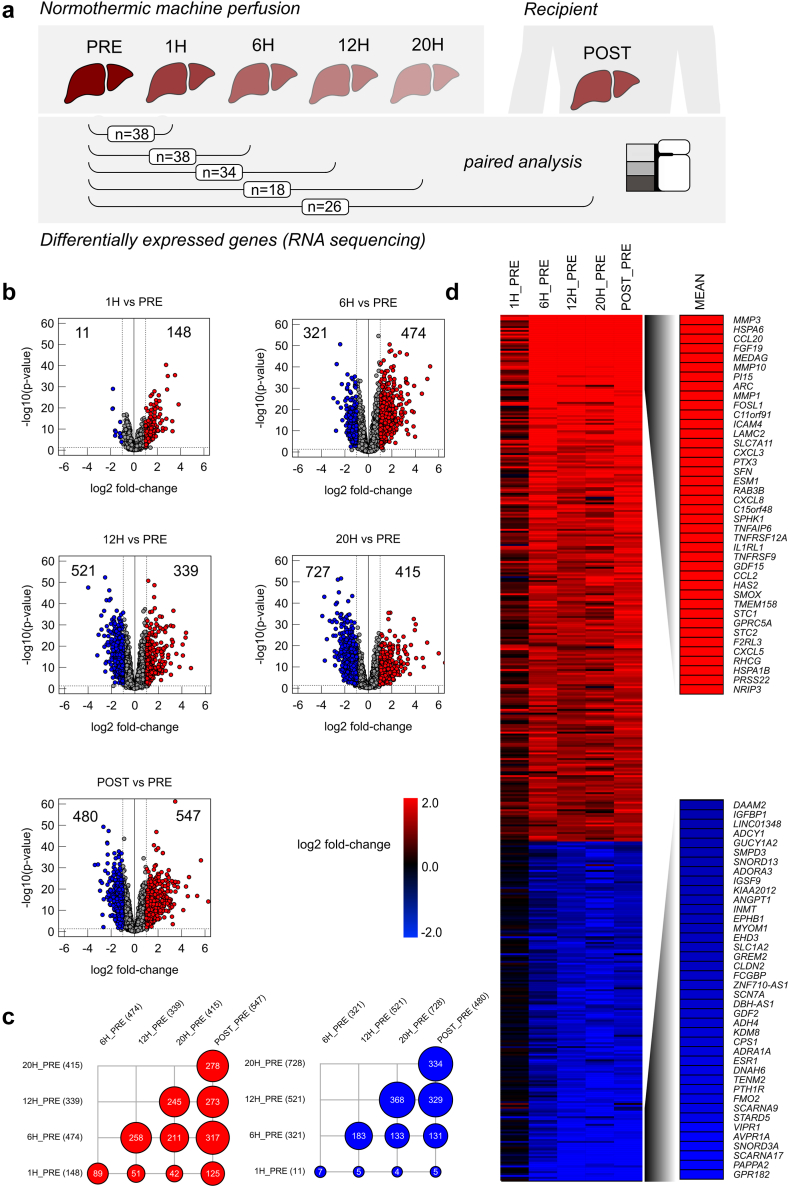
A better understanding of the molecular events during liver normothermic machine perfusion (NMP) is warranted to develop a data-based approach for the identification of biomarkers representative of graft quality and posttransplant outcome. We analysed the dynamic transcriptional changes during NMP and linked them to clinical and biochemical parameters.
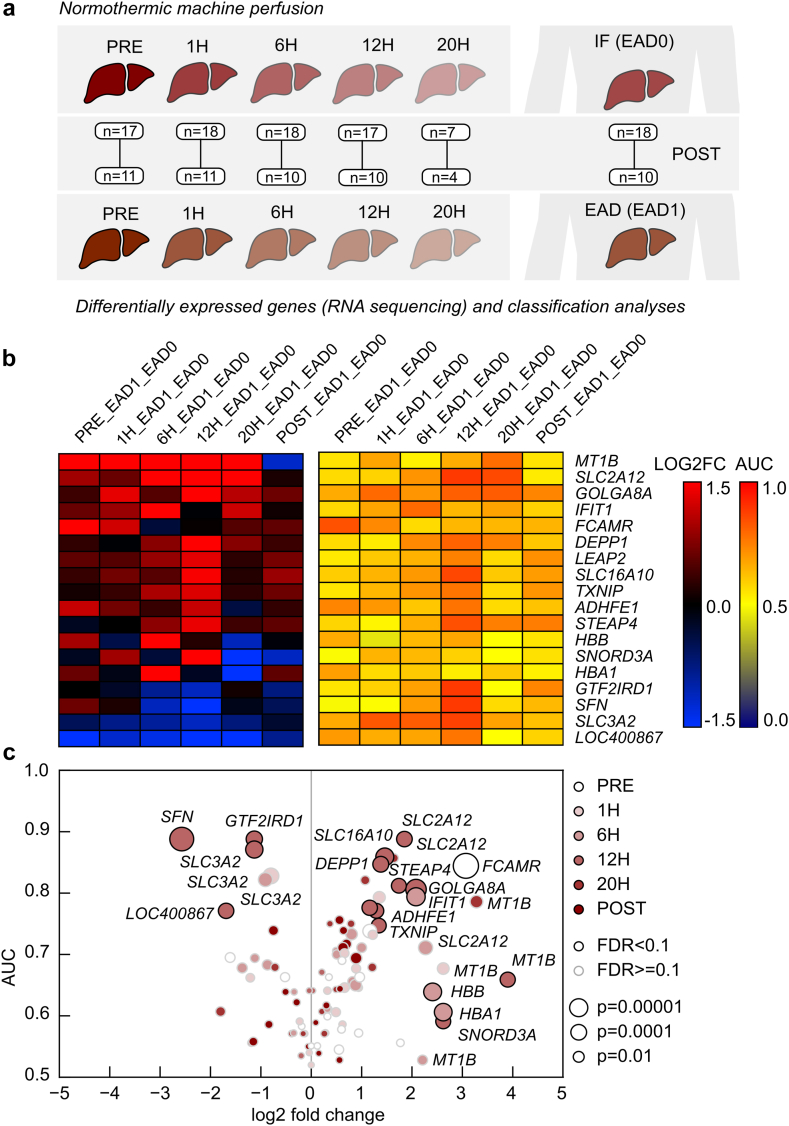
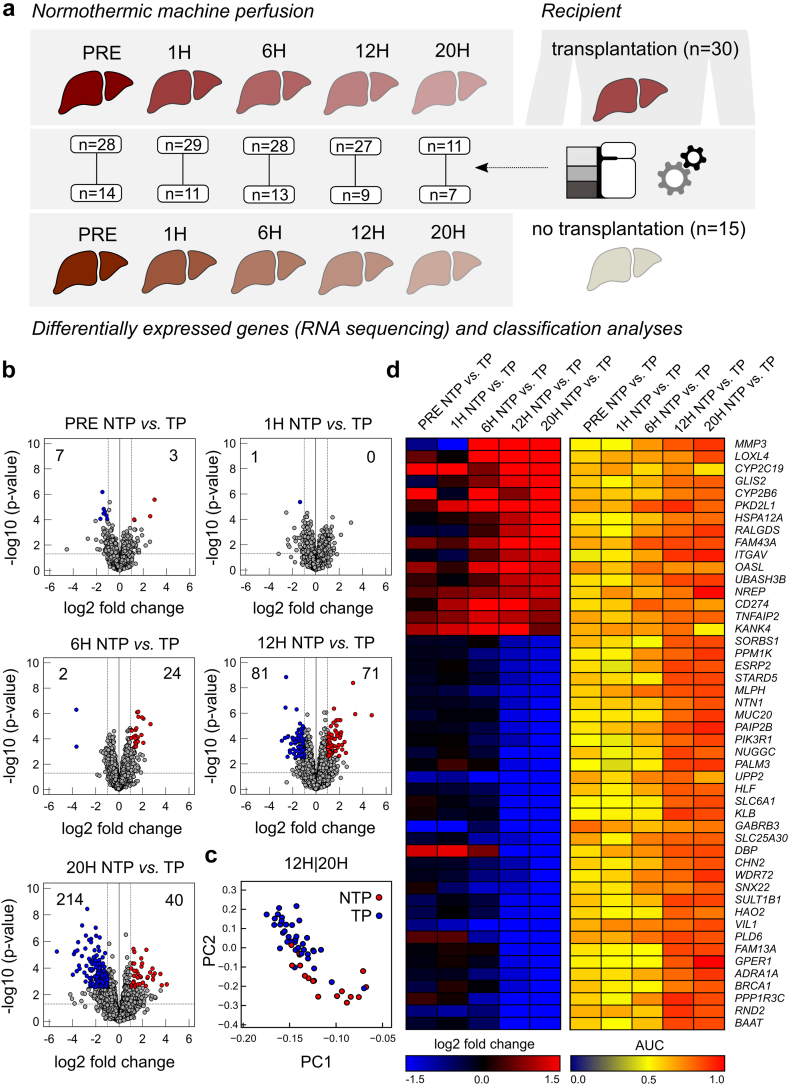
50 livers subjected to NMP for up to 24 h were enrolled. Bulk RNA sequencing was performed in serial biopsies collected pre and during NMP, and after reperfusion. Perfusate was sampled to monitor liver function. qPCR and immunohistochemistry were performed to validate findings. Molecular profiles were compared between transplanted and non-transplanted livers, and livers with and without early allograft dysfunction.
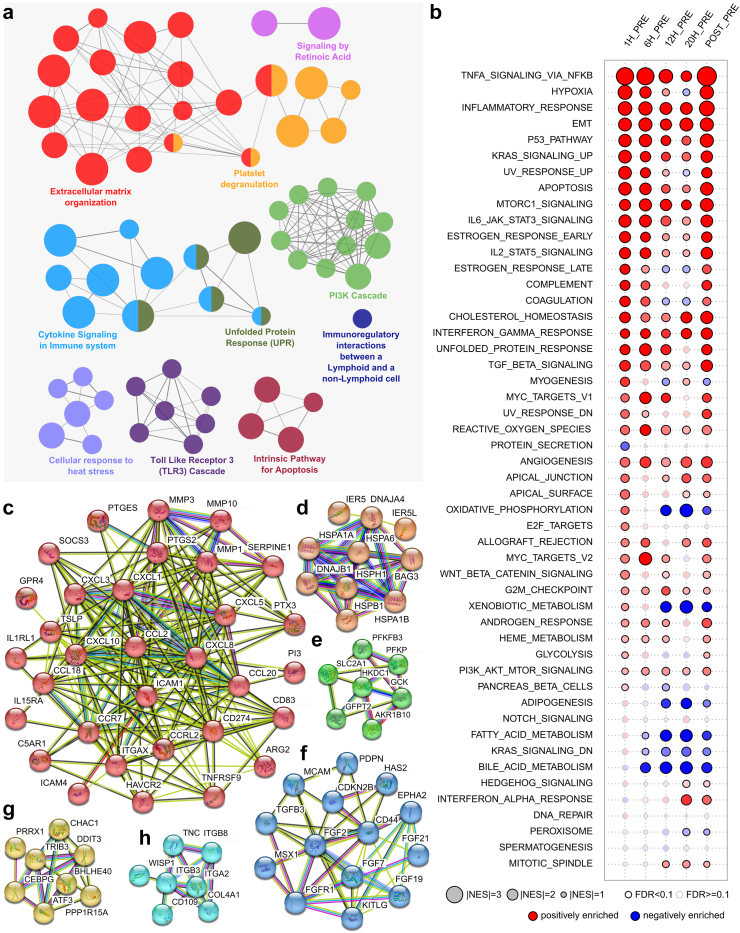
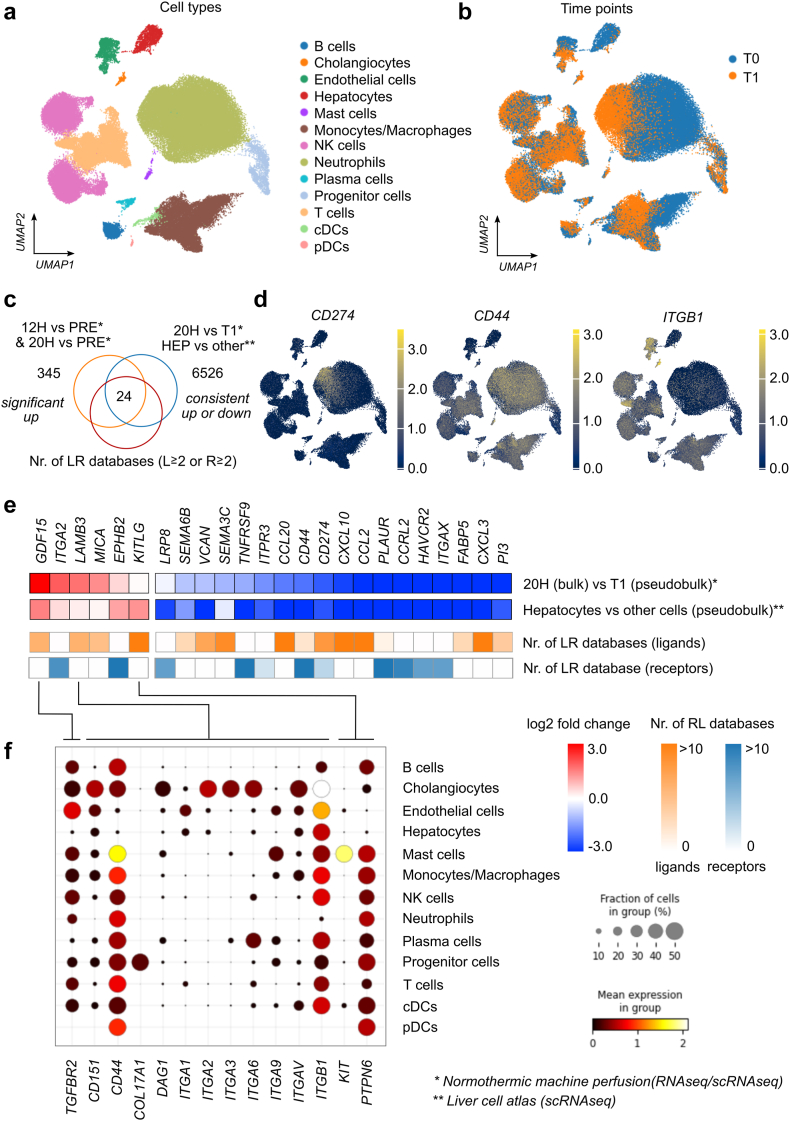
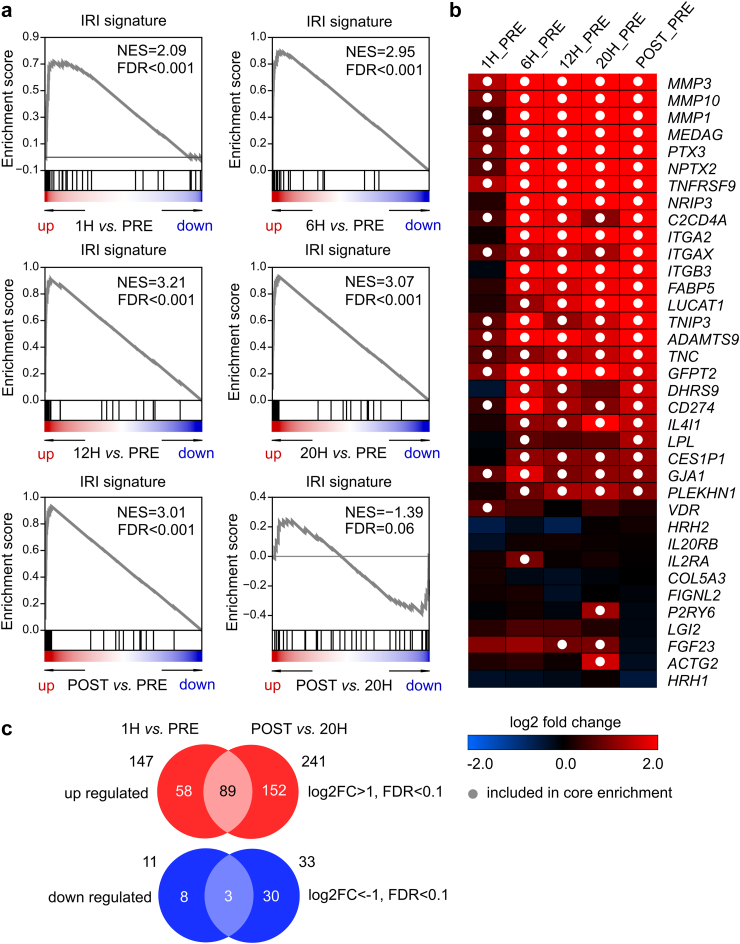
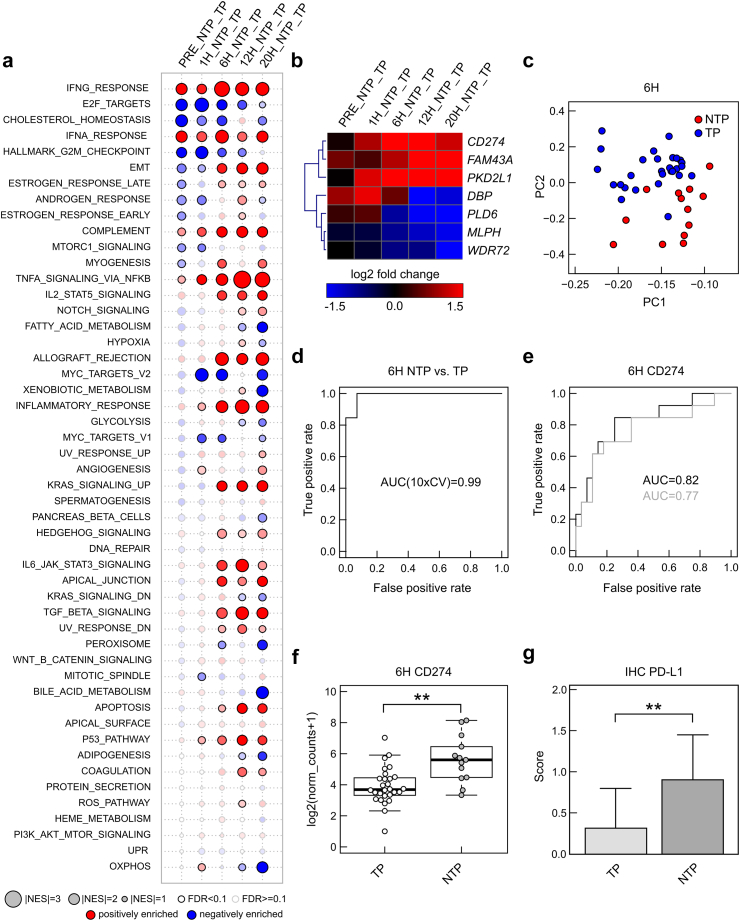
Pathways related to immune and cell stress responses, cell trafficking and cell regulation were activated during NMP, while cellular metabolism was downregulated over time. Anti-inflammatory responses and genes involved in tissue remodelling were induced at later time-points, suggesting a counter-response to the immediate damage. NMP strongly induced a gene signature associated with ischemia-reperfusion injury. A 7-gene signature corresponds with the benchmarking criteria for transplantation or discard at 6 h NMP (area under curve 0.99). CD274 gene expression (encoding programmed cell-death ligand-1) showed the highest predictive value. LEAP2 gene expression at 6 h NMP correlated with impaired graft function.
Assessment of gene expression markers could serve as a reliable tool to evaluate liver quality during NMP and predicts early graft function after transplantation.
The research was supported by "In Memoriam Dr. Gabriel Salzner Stiftung", Tiroler Wissenschaftsfond, Jubiläumsfonds-Österreichische Nationalbank and MUI Start grant.
为了开发一种基于数据的方法来识别代表移植物质量和移植后结果的生物标志物,有必要更好地了解肝脏常温机器灌注(NMP)过程中的分子事件。我们分析了 NMP 过程中的动态转录变化,并将其与临床和生化参数联系起来。
对 50 例接受 NMP 长达 24 小时的肝脏进行了研究。在 NMP 前和期间以及再灌注后采集的连续活检中进行了批量 RNA 测序。采集灌流液样本以监测肝功能。进行 qPCR 和免疫组化以验证发现。将分子谱与移植和未移植的肝脏以及无早期移植物功能障碍和有早期移植物功能障碍的肝脏进行了比较。
在 NMP 过程中,与免疫和细胞应激反应、细胞迁移和细胞调节相关的途径被激活,而细胞代谢随时间下调。抗炎反应和参与组织重塑的基因在稍后的时间点被诱导,这表明对即刻损伤的一种反作用。NMP 强烈诱导与缺血再灌注损伤相关的基因特征。一个 7 基因特征与 6 小时 NMP 时的移植或丢弃基准标准相对应(曲线下面积 0.99)。CD274 基因表达(编码程序性细胞死亡配体-1)显示出最高的预测价值。NMP 6 小时时 LEAP2 基因表达与受损的移植物功能相关。
评估基因表达标志物可以作为评估 NMP 期间肝脏质量的可靠工具,并预测移植后早期移植物功能。
这项研究得到了“纪念加布里埃尔·萨尔茨纳博士基金会”、蒂罗尔科学基金会、奥地利国家银行周年纪念基金和 MUI 启动赠款的支持。