Department of Surgical Oncology, National Cancer Institute, Cairo University, Cairo, Egypt.
Department of Surgical Pathology, National Cancer Institute, Cairo University, Cairo, Egypt.
World J Surg Oncol. 2024 Sep 19;22(1):253. doi: 10.1186/s12957-024-03515-1.
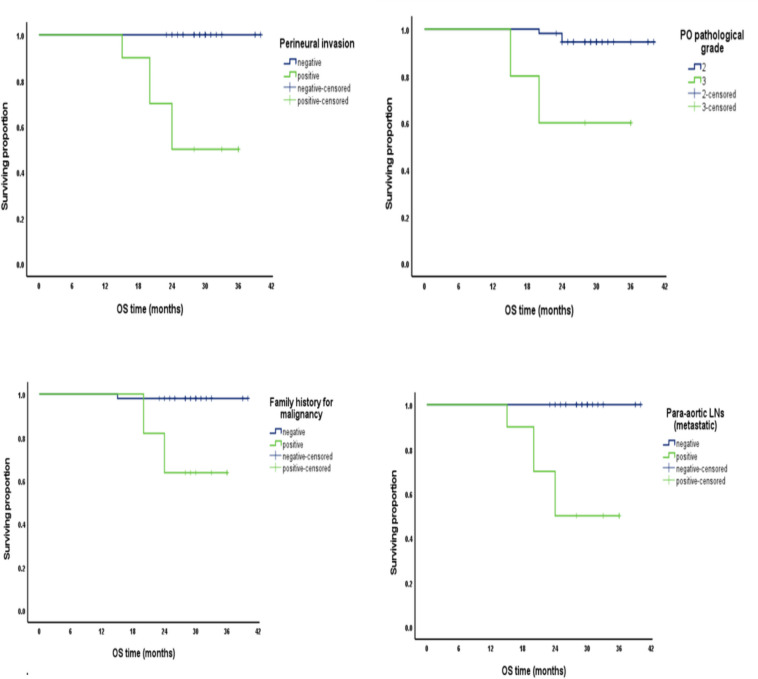
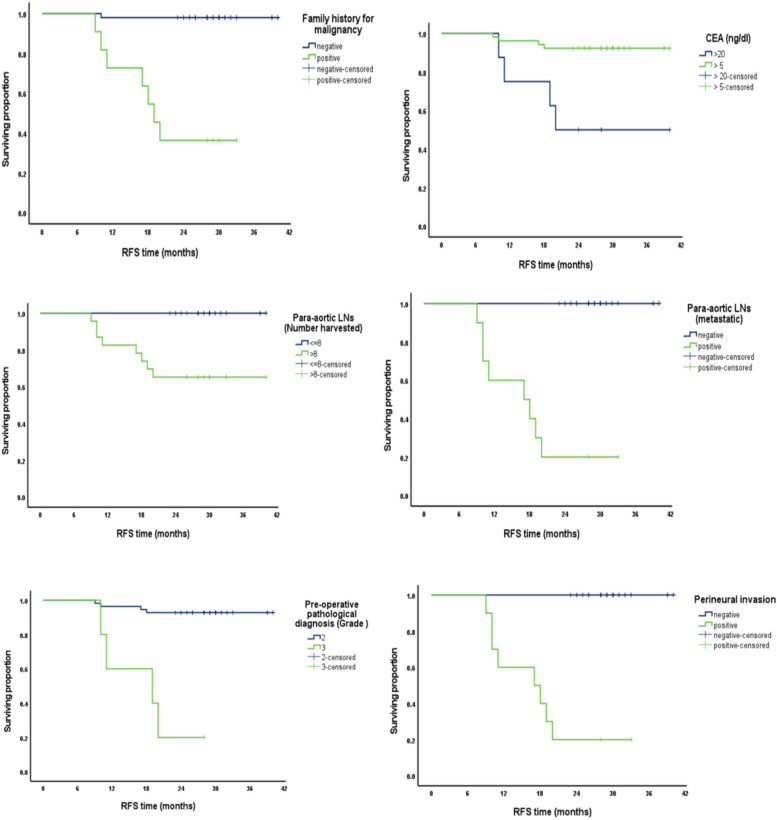
Colorectal cancer is the 3rd most common cancer worldwide, representing 10% of all cancer types, and is considered the 2nd leading cause of cancer-related deaths. It usually metastasizes to the liver or lung. Para-aortic lymph node metastasis is considered a metastatic disease (stage 4) according to the AJCC and is considered a regional disease (stage 3) according to the JSCCR. Para-aortic lymph node metastases occur in about 1% of cases. Neoadjuvant CTH, followed by PALN, is the best option for metastatic para-aortic LNs in colorectal cancer patients. This study addresses the value of prophylactic para-aortic LN dissection among colon-rectal cancer patients (overtreatment protocol).
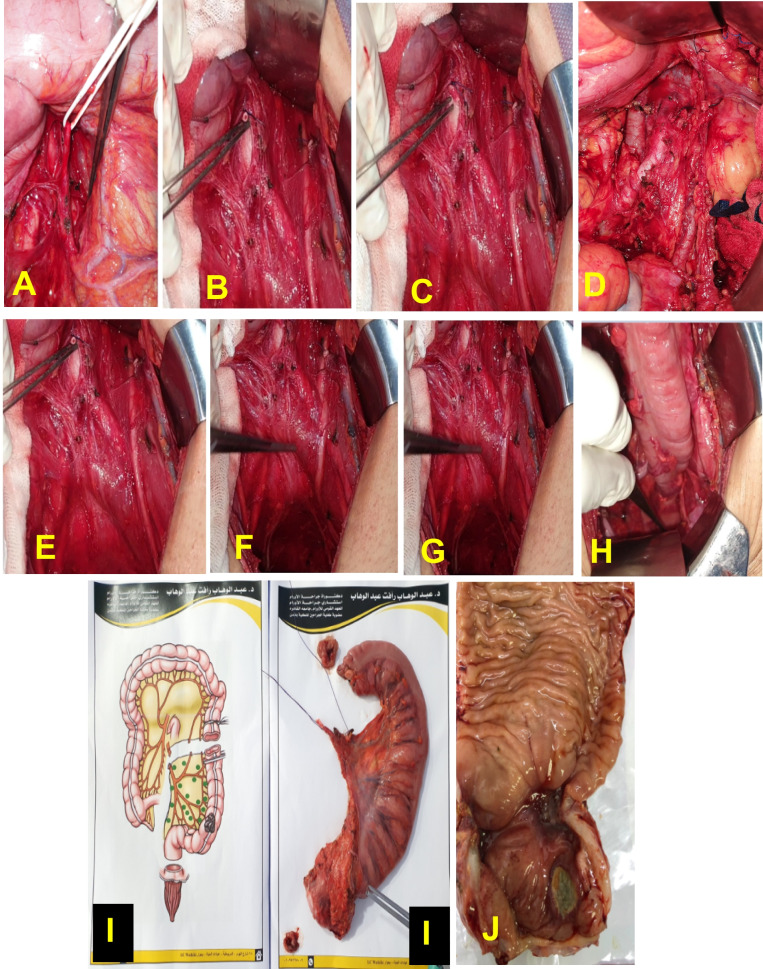
This is a prospective study that included patients attending NCI, Cairo University, from December 2020 to December 2023 who were complaining of left colonic cancer or recto-sigmoid cancer and underwent left hemicolectomy, sigmoid colectomy, or LAR. All patients underwent formal mesenteric LN dissection and prophylactic para-aortic LN dissection.
Among 60 patients who underwent colorectal surgery with prophylactic para-aortic LN dissection, 21 cases (35%) were in the descending colon, 22 cases (36.7%) were in the sigmoid colon, 11 cases (18.3%) were in the recto-sigmoid, and 6 cases (10%) were in the upper rectum. 55 cases (91.7%) were in grade 2, and 5 cases (8.3%) were in grade 3. Neoadjuvant CTH was given in 3 cases (5%) while neoadjuvant RTH was given in 6 cases (10%). Regarding reported postoperative complications, lymphorrhea was reported in 2 patients (3.3%) and wound infection occurred in 6 patients (10%). A recurrence was reported among 8 cases (13.4%).
We aimed in this study to highlight the value of prophylactic para-aortic lymph node dissection among colorectal cancer patients (over-treatment protocol) and report its reflection on predicting the behavior of the disease and subsequently selecting the patients who will be suitable to do this procedure.
结直肠癌是全球第三大常见癌症,占所有癌症类型的 10%,被认为是癌症相关死亡的第二大主要原因。它通常转移到肝脏或肺部。根据 AJCC,腹主动脉旁淋巴结转移被认为是转移性疾病(第 4 期),根据 JSCCR,被认为是区域性疾病(第 3 期)。约 1%的病例发生腹主动脉旁淋巴结转移。新辅助 CTH 后行 PALN 是结直肠癌患者转移性腹主动脉旁 LN 的最佳选择。本研究旨在探讨预防性腹主动脉旁 LN 解剖在结直肠癌患者中的价值(过度治疗方案)。
这是一项前瞻性研究,纳入 2020 年 12 月至 2023 年 12 月在开罗大学国家癌症研究所就诊的主诉左结肠癌或直肠乙状结肠癌并接受左半结肠切除术、乙状结肠切除术或 LAR 的患者。所有患者均行肠系膜 LN 解剖和预防性腹主动脉旁 LN 解剖。
60 例接受预防性腹主动脉旁 LN 解剖的结直肠手术患者中,21 例(35%)为降结肠癌,22 例(36.7%)为乙状结肠癌,11 例(18.3%)为直肠乙状结肠癌,6 例(10%)为高位直肠癌。55 例(91.7%)为 2 级,5 例(8.3%)为 3 级。3 例(5%)患者接受新辅助 CTH,6 例(10%)患者接受新辅助 RTH。术后报告并发症,2 例(3.3%)出现淋巴漏,6 例(10%)出现伤口感染。8 例(13.4%)报告复发。
本研究旨在强调预防性腹主动脉旁淋巴结解剖在结直肠癌患者中的价值(过度治疗方案),并报告其对预测疾病行为的影响,从而选择适合该手术的患者。