INSERM UMR-S1213, Université Claude Bernard Lyon 1, Lyon, France.
INSERM UMR-S1213, Université Claude Bernard Lyon 1, Lyon, France.
Mol Metab. 2024 Nov;89:102036. doi: 10.1016/j.molmet.2024.102036. Epub 2024 Sep 18.
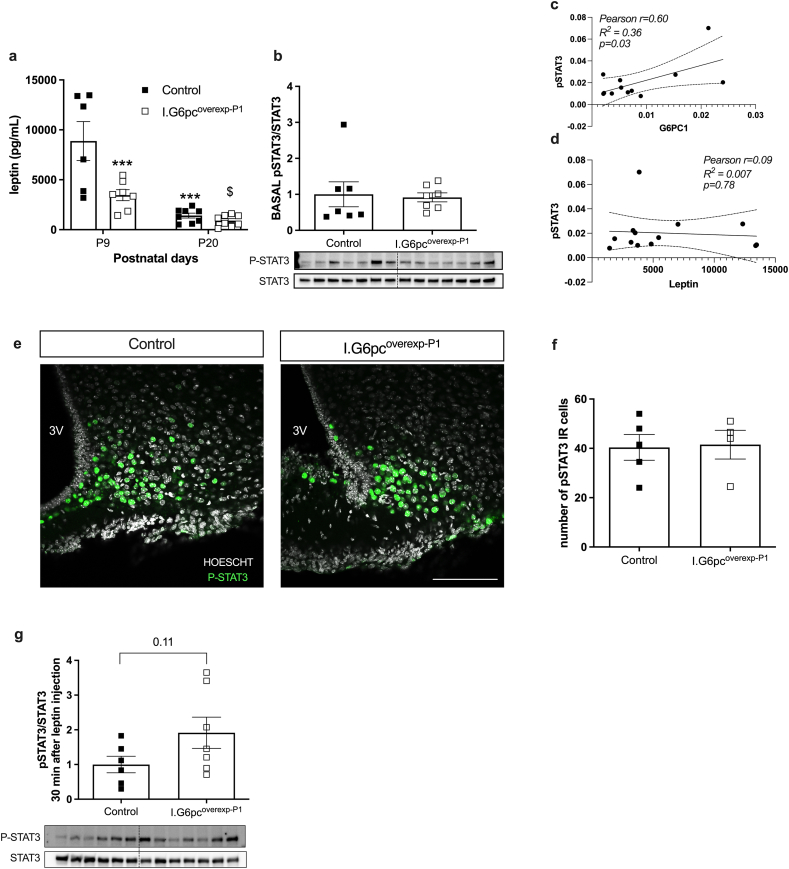
Intestinal gluconeogenesis (IGN) regulates adult energy homeostasis in part by controlling the same hypothalamic targets as leptin. In neonates, leptin exhibits a neonatal surge controlling axonal outgrowth between the different hypothalamic nuclei involved in feeding circuits and autonomic innervation of peripheral tissues involved in energy and glucose homeostasis. Interestingly, IGN is induced during this specific time-window. We hypothesized that the neonatal pic of IGN also regulates the development of hypothalamic feeding circuits and sympathetic innervation of adipose tissues.
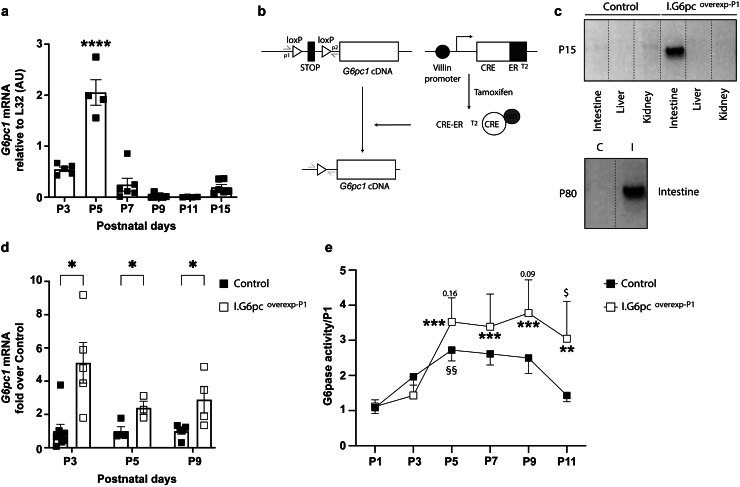
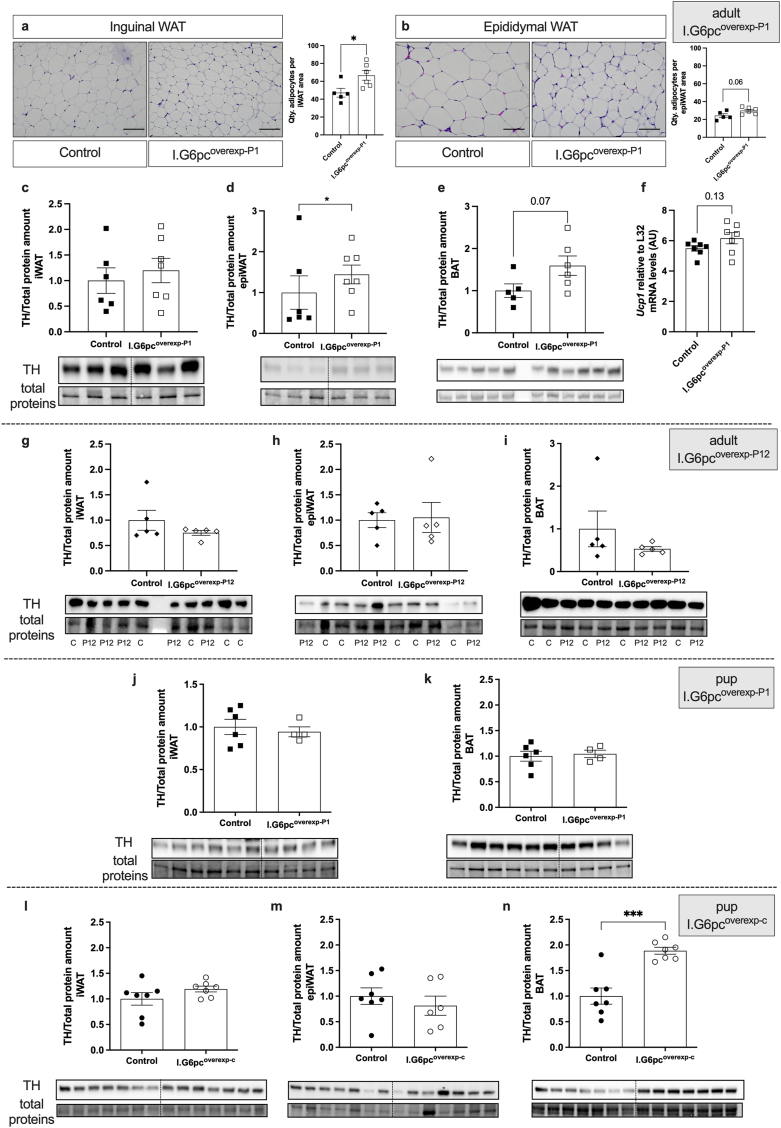
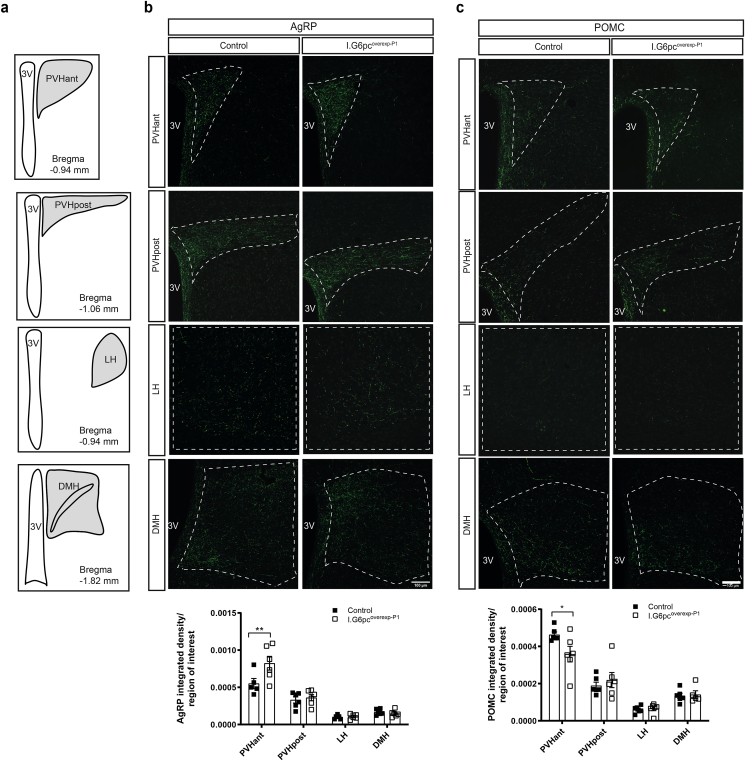
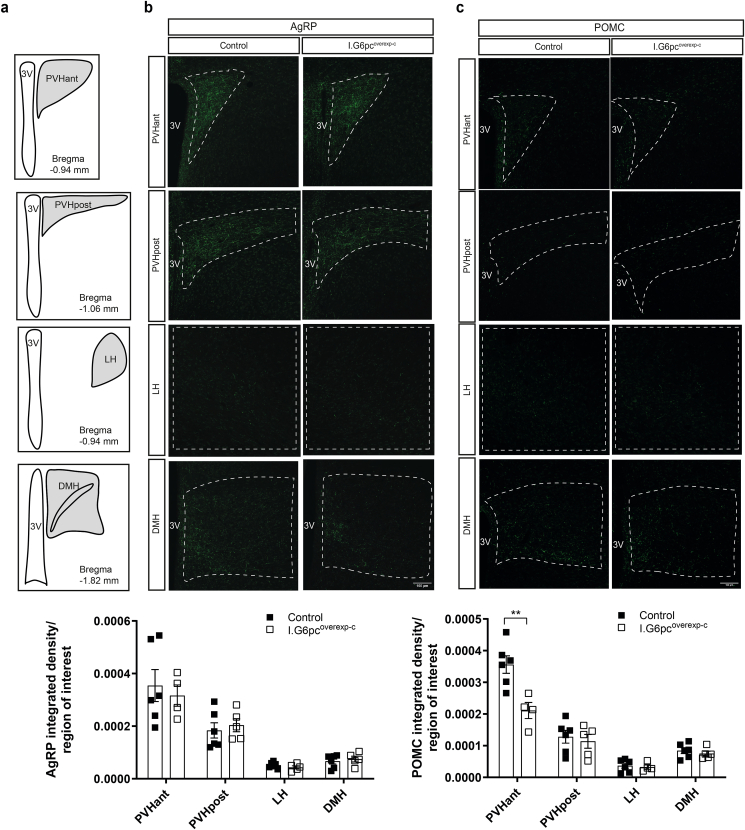
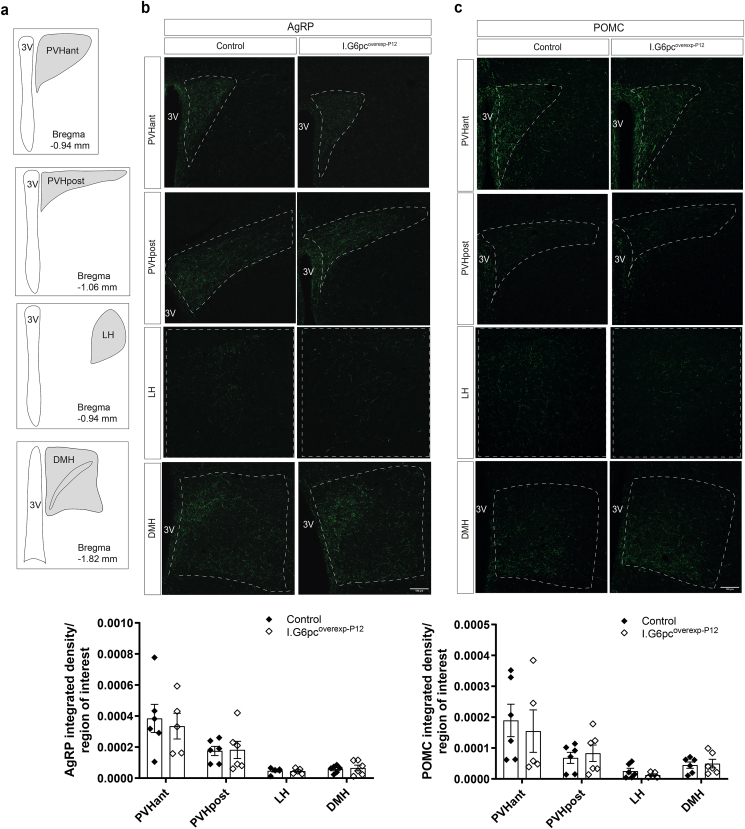
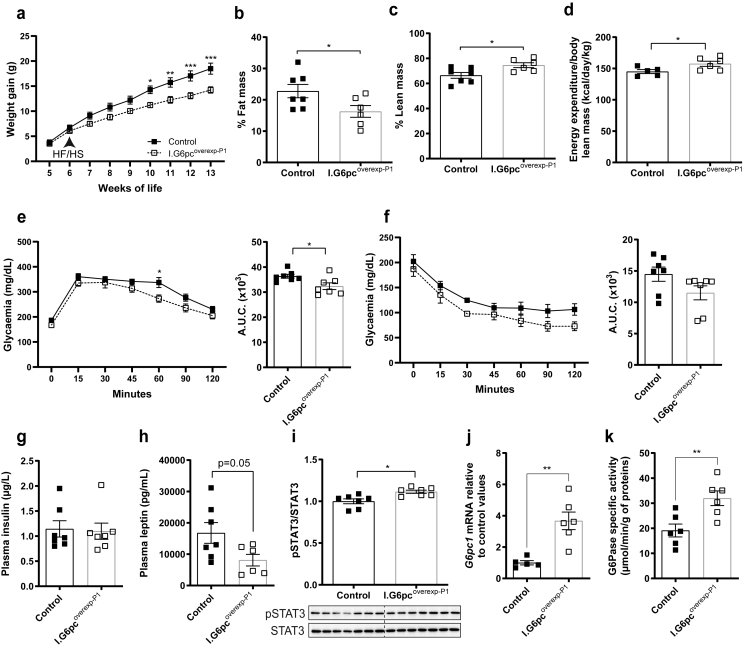
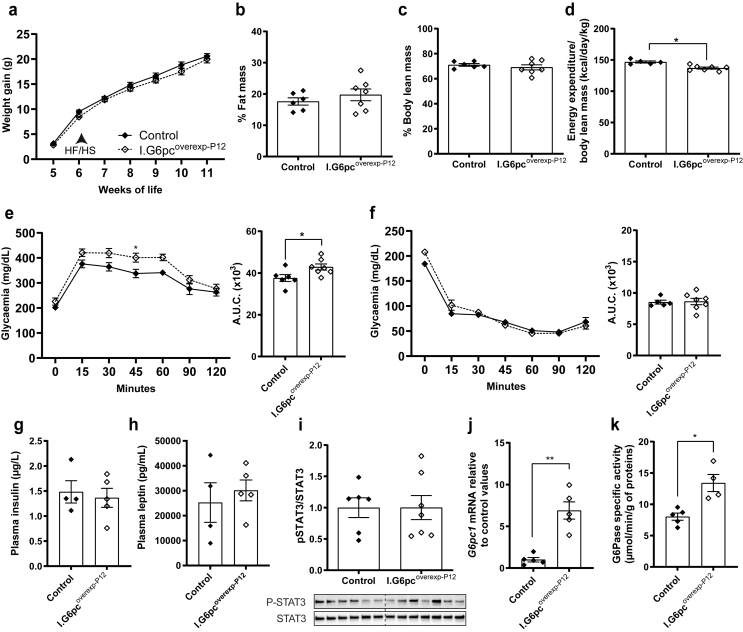
We genetically induced neonatal IGN by overexpressing G6pc1 the catalytic subunit of glucose-6-phosphatase (the mandatory enzyme of IGN) at birth or at twelve days after birth. The neonatal development of hypothalamic feeding circuits was studied by measuring Agouti-related protein (AgRP) and Pro-opiomelanocortin (POMC) fiber density in hypothalamic nuclei of 20-day-old pups. The effect of the neonatal induction of intestinal G6pc1 on sympathetic innervation of the adipose tissues was studied via tyrosine hydroxylase (TH) quantification. The metabolic consequences of the neonatal induction of intestinal G6pc1 were studied in adult mice challenged with a high-fat/high-sucrose (HFHS) diet for 2 months.
Induction of intestinal G6pc1 at birth caused a neonatal reorganization of AgRP and POMC fiber density in the paraventricular nucleus of the hypothalamus, increased brown adipose tissue tyrosine hydroxylase levels, and protected against high-fat feeding-induced metabolic disorders. In contrast, inducing intestinal G6pc1 12 days after birth did not impact AgRP/POMC fiber densities, adipose tissue innervation or adult metabolism.
These findings reveal that IGN at birth but not later during postnatal life controls the development of hypothalamic feeding circuits and sympathetic innervation of adipose tissues, promoting a better management of metabolism in adulthood.
肠道糖异生(IGN)通过控制与瘦素相同的下丘脑靶点来调节成人能量稳态。在新生儿中,瘦素有一个新生儿激增,控制参与进食回路的不同下丘脑核之间的轴突生长以及参与能量和葡萄糖稳态的外周组织的自主神经支配。有趣的是,IGN 在这个特定的时间窗口被诱导。我们假设,IGN 的新生儿高峰也调节下丘脑进食回路和脂肪组织交感神经支配的发育。
我们通过在出生时或出生后 12 天过度表达葡萄糖-6-磷酸酶 1(IGN 的必需酶)来遗传诱导新生儿 IGN。通过测量 20 天大的幼鼠下丘脑核中 Agouti 相关蛋白(AgRP)和 Pro-opiomelanocortin(POMC)纤维密度来研究下丘脑进食回路的新生儿发育。通过酪氨酸羟化酶(TH)定量研究肠道 G6pc1 的新生儿诱导对脂肪组织交感神经支配的影响。通过用高脂肪/高蔗糖(HFHS)饮食挑战 2 个月来研究肠道 G6pc1 的新生儿诱导对成年小鼠代谢的影响。
出生时诱导肠道 G6pc1 导致下丘脑室旁核中 AgRP 和 POMC 纤维密度的新生儿重组,增加棕色脂肪组织酪氨酸羟化酶水平,并防止高脂肪喂养引起的代谢紊乱。相比之下,出生后 12 天诱导肠道 G6pc1 不会影响 AgRP/POMC 纤维密度、脂肪组织神经支配或成年代谢。
这些发现表明,IGN 在出生时但不在出生后生命的后期控制下丘脑进食回路和脂肪组织交感神经支配的发育,促进成年期代谢的更好管理。