Avdulla Christos S, Tachirai Ntaniela
Department of Public Health, University of Patras, Patras, GRC.
Department of Public Health Policy, University of West Attica, Athens, GRC.
Cureus. 2024 Aug 23;16(8):e67602. doi: 10.7759/cureus.67602. eCollection 2024 Aug.
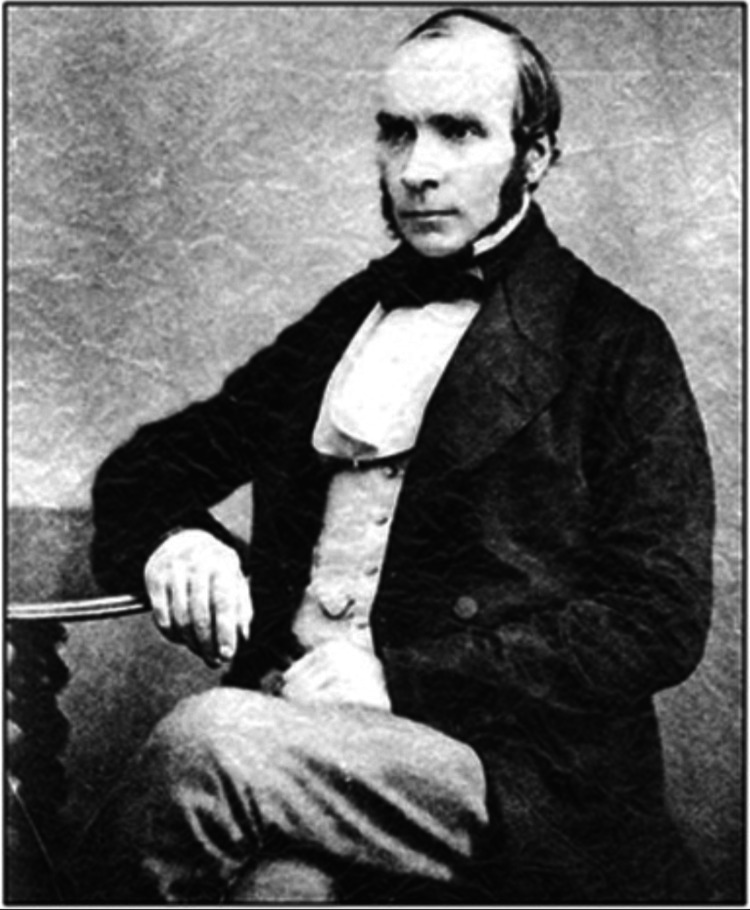
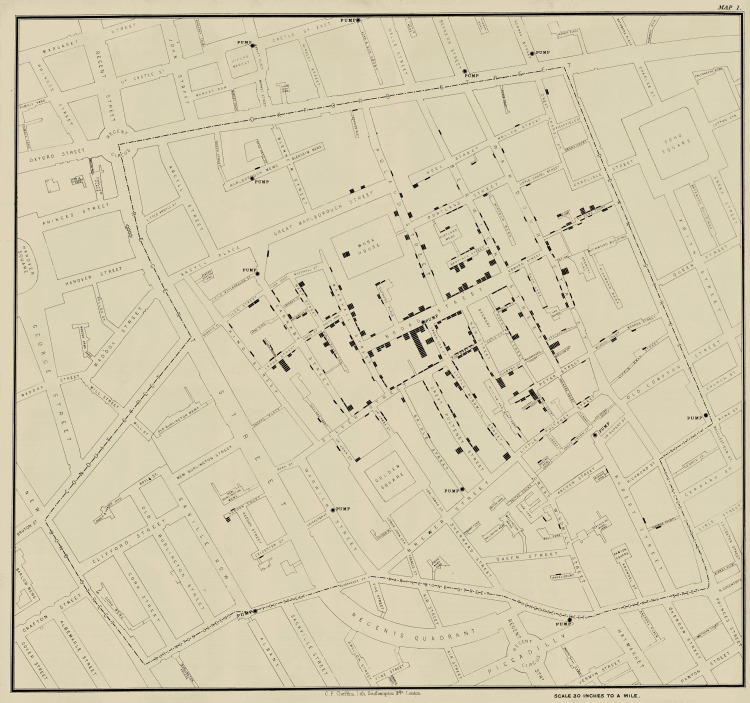
John Snow (15 March 1813-16 June 1858) stands as a seminal figure in the fields of epidemiology and anesthesia. His groundbreaking work in tracing the source of cholera outbreaks and advancing the practice of anesthesia has left an indelible mark on modern medicine. Born in York, England, Snow's early passion for science and dedication to medical practice led him to become a pioneering force in his field. His meticulous methods, including the innovative use of spatial analysis and statistical mapping, challenged prevailing theories and laid the groundwork for modern public health initiatives. Snow's contributions to anesthesia, particularly his work with ether and chloroform, revolutionized surgical practices, significantly improving patient care and safety. This article delves into Snow's life, achievements, and the innovative processes he employed, underscoring his enduring impact on human health. By examining his legacy, we aim to enhance our understanding of medical history and inspire both present and future healthcare professionals, honoring the legacy of this medical hero.
约翰·斯诺(1813年3月15日 - 1858年6月16日)是流行病学和麻醉学领域的一位开创性人物。他在追踪霍乱疫情源头以及推动麻醉实践方面的开创性工作,在现代医学上留下了不可磨灭的印记。斯诺出生于英国约克,他早年对科学的热爱和对医疗实践的执着使他成为该领域的一股先锋力量。他严谨的方法,包括创新性地运用空间分析和统计绘图,挑战了当时盛行的理论,为现代公共卫生举措奠定了基础。斯诺在麻醉学方面的贡献,尤其是他在乙醚和氯仿方面的工作,彻底改变了外科手术实践,显著提高了患者护理水平和安全性。本文深入探讨斯诺的生平、成就以及他所采用的创新方法,强调他对人类健康的持久影响。通过审视他的遗产,我们旨在增进对医学史的理解,并激励当代和未来的医疗保健专业人员,纪念这位医学英雄的遗产。