Department of Biochemistry & Molecular Biology, China Medical University, Shenyang, China.
Teaching Center for Basic Medical Experiment, China Medical University, Shenyang, China.
PLoS Comput Biol. 2024 Sep 27;20(9):e1012412. doi: 10.1371/journal.pcbi.1012412. eCollection 2024 Sep.
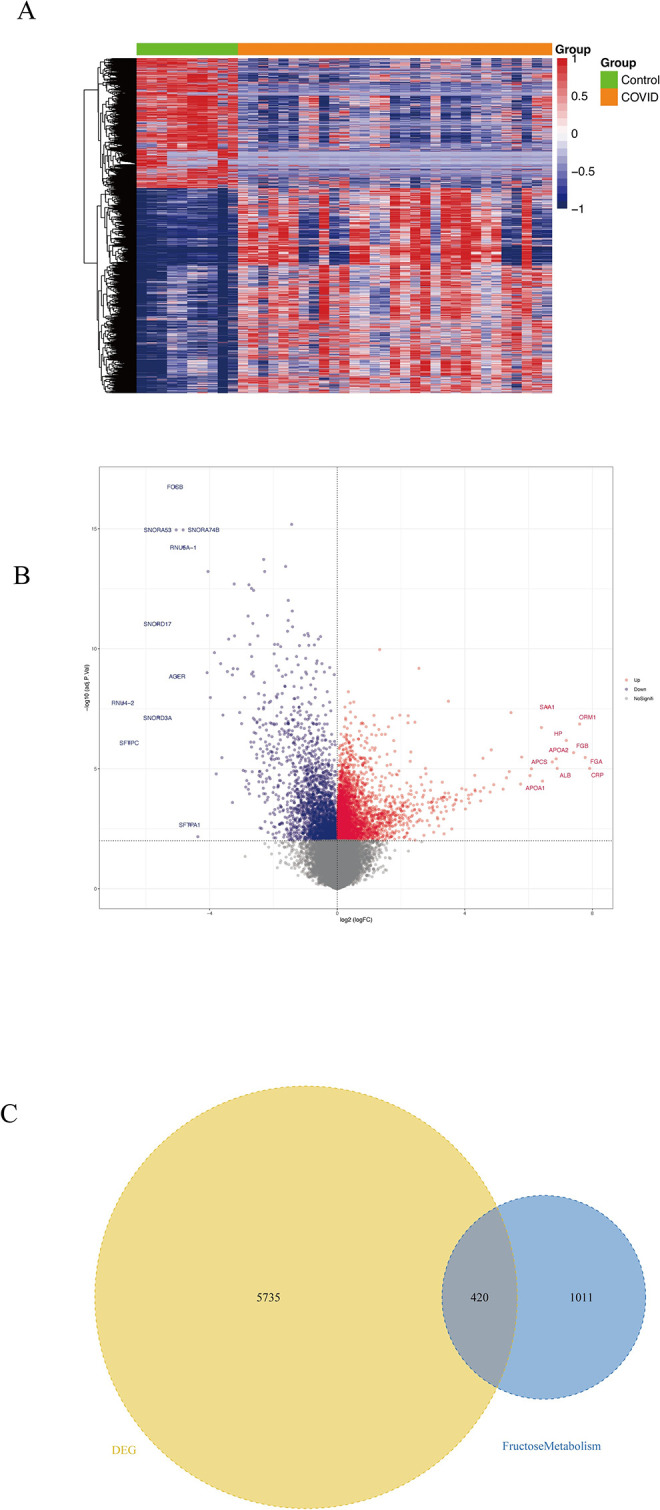
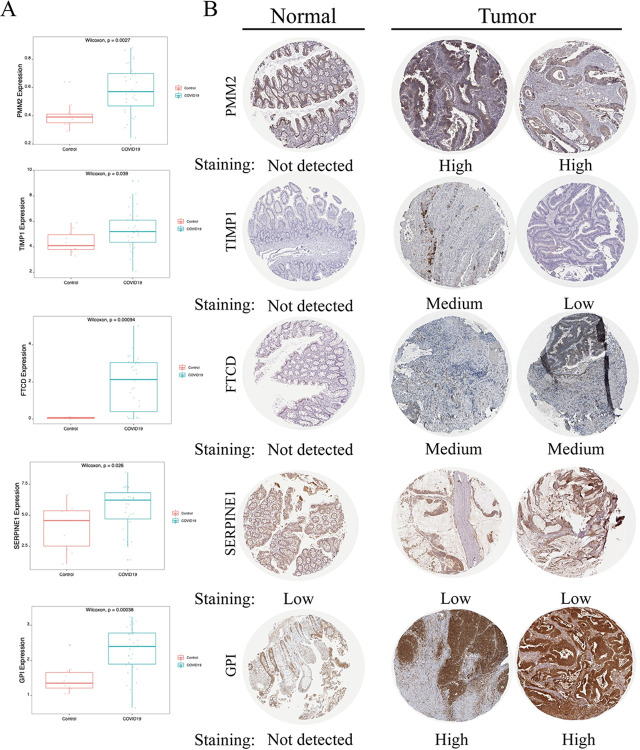
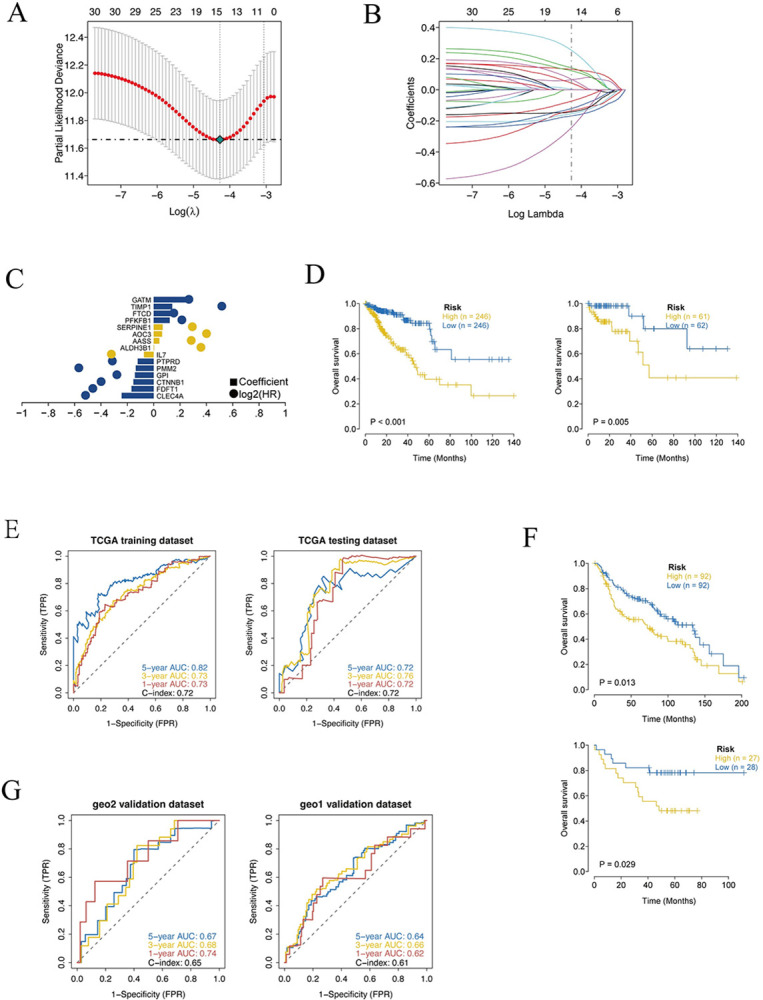
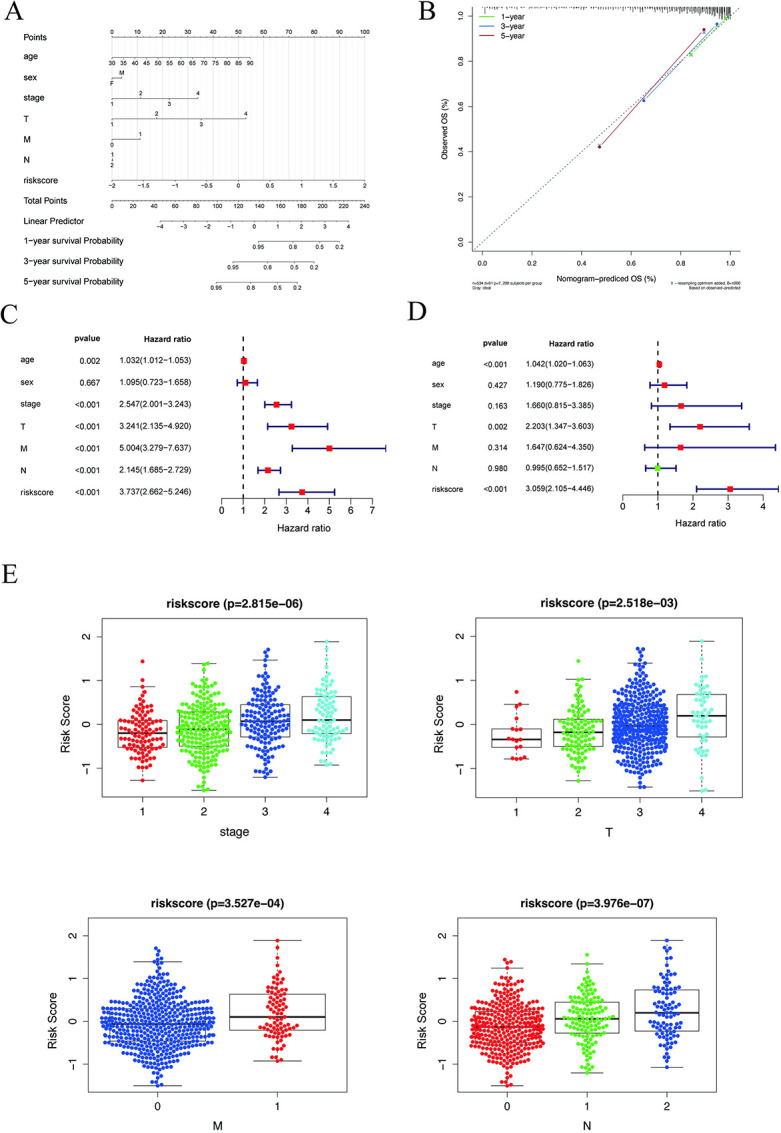
Most COVID-19 patients have a positive prognosis, but patients with additional underlying diseases are more likely to have severe illness and increased fatality rates. Numerous studies indicate that cancer patients are more prone to contract SARS-CoV-2 and develop severe COVID-19 or even dying. In the recent transcriptome investigations, it is demonstrated that the fructose metabolism is altered in patients with SARS-CoV-2 infection. However, cancer cells can use fructose as an extra source of energy for growth and metastasis. Furthermore, enhanced living conditions have resulted in a notable rise in fructose consumption in individuals' daily dietary habits. We therefore hypothesize that the poor prognosis of cancer patients caused by SARS-CoV-2 may therefore be mediated through fructose metabolism. Using CRC cases from four distinct cohorts, we built and validated a predictive model based on SARS-CoV-2 producing fructose metabolic anomalies by coupling Cox univariate regression and lasso regression feature selection algorithms to identify hallmark genes in colorectal cancer. We also developed a composite prognostic nomogram to improve clinical practice by integrating the characteristics of aberrant fructose metabolism produced by this novel coronavirus with age and tumor stage. To obtain the genes with the greatest potential prognostic values, LASSO regression analysis was performed, In the TCGA training cohort, patients were randomly separated into training and validation sets in the ratio of 4: 1, and the best risk score value for each sample was acquired by lasso regression analysis for further analysis, and the fifteen genes CLEC4A, FDFT1, CTNNB1, GPI, PMM2, PTPRD, IL7, ALDH3B1, AASS, AOC3, SEPINE1, PFKFB1, FTCD, TIMP1 and GATM were finally selected. In order to validate the model's accuracy, ROC curve analysis was performed on an external dataset, and the results indicated that the model had a high predictive power for the prognosis prediction of patients. Our study provides a theoretical foundation for the future targeted regulation of fructose metabolism in colorectal cancer patients, while simultaneously optimizing dietary guidance and therapeutic care for colorectal cancer patients in the context of the COVID-19 pandemic.
大多数 COVID-19 患者预后良好,但伴有其他基础疾病的患者更易发生重症和死亡率增加。大量研究表明,癌症患者更容易感染 SARS-CoV-2 并发展为严重的 COVID-19 甚至死亡。在最近的转录组研究中,表明 SARS-CoV-2 感染患者的果糖代谢发生改变。然而,癌细胞可以将果糖作为生长和转移的额外能量来源。此外,生活条件的改善导致个体日常饮食习惯中果糖消耗显著增加。因此,我们假设 SARS-CoV-2 导致癌症患者预后不良可能是通过果糖代谢介导的。我们使用来自四个不同队列的 CRC 病例,通过将 Cox 单因素回归和lasso 回归特征选择算法相结合,构建并验证了一个基于 SARS-CoV-2 产生果糖代谢异常的预测模型,以识别结直肠癌中的标志性基因。我们还开发了一个综合预后列线图,通过将这种新型冠状病毒产生的异常果糖代谢特征与年龄和肿瘤分期相结合,来改善临床实践。为了获得具有最大潜在预后价值的基因,进行了 LASSO 回归分析。在 TCGA 训练队列中,患者随机分为训练集和验证集,比例为 4:1,通过 lasso 回归分析获取每个样本的最佳风险评分值,进一步进行分析,最终选择了 15 个基因 CLEC4A、FDFT1、CTNNB1、GPI、PMM2、PTPRD、IL7、ALDH3B1、AASS、AOC3、SEPINE1、PFKFB1、FTCD、TIMP1 和 GATM。为了验证模型的准确性,对外部数据集进行了 ROC 曲线分析,结果表明该模型对患者的预后预测具有较高的预测能力。我们的研究为未来结直肠癌患者果糖代谢的靶向调节提供了理论基础,同时为 COVID-19 大流行背景下结直肠癌患者的饮食指导和治疗护理提供了优化策略。