Department of Psychiatry, Washington University, St. Louis, MO 63110, USA; NeuroGenomics and Informatics, Washington University, St. Louis, MO 63110, USA.
Department of Neurology, Washington University School of Medicine, St. Louis, MO 63110, USA.
Cell. 2024 Oct 31;187(22):6309-6326.e15. doi: 10.1016/j.cell.2024.08.049. Epub 2024 Sep 26.
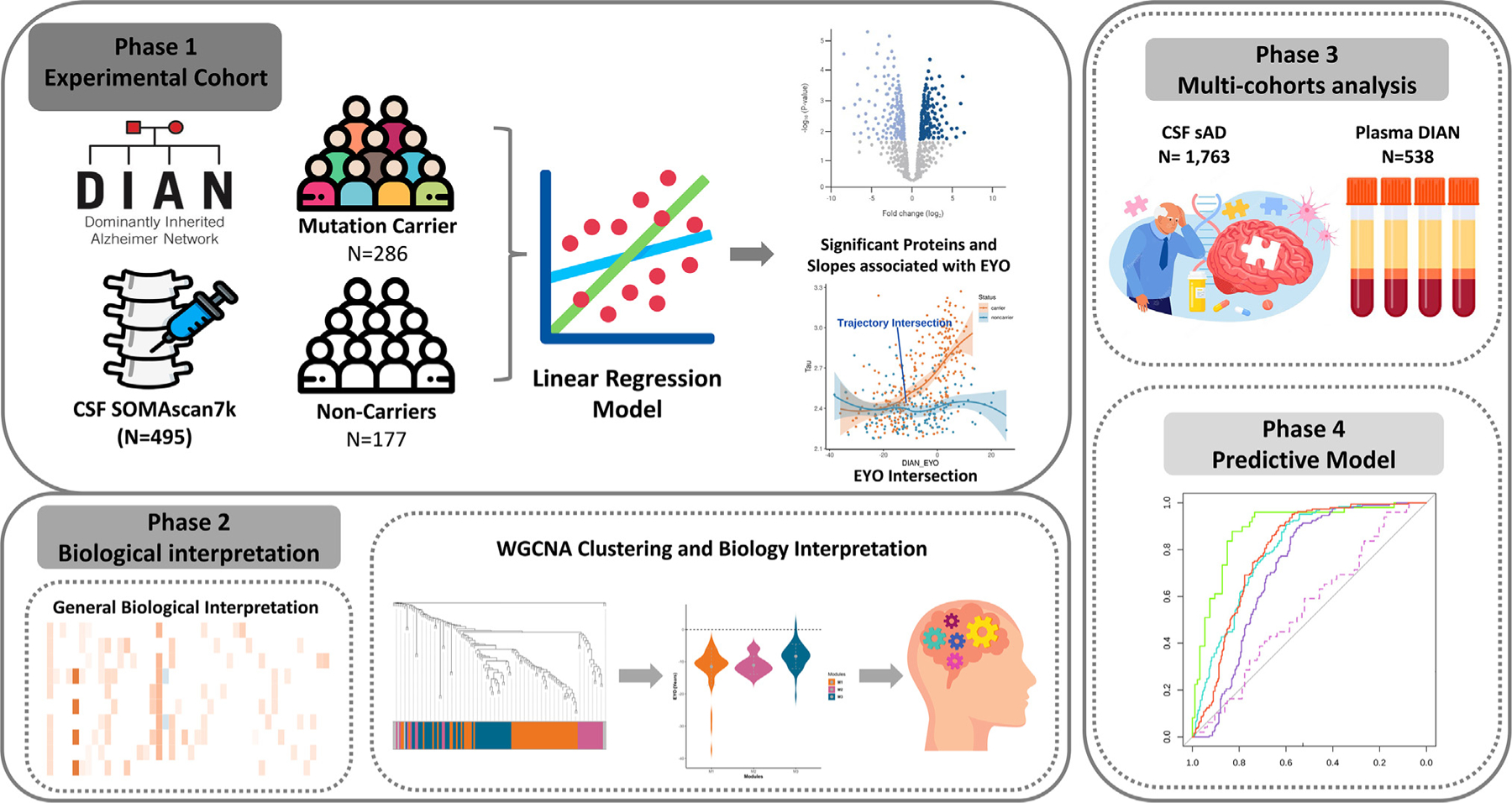
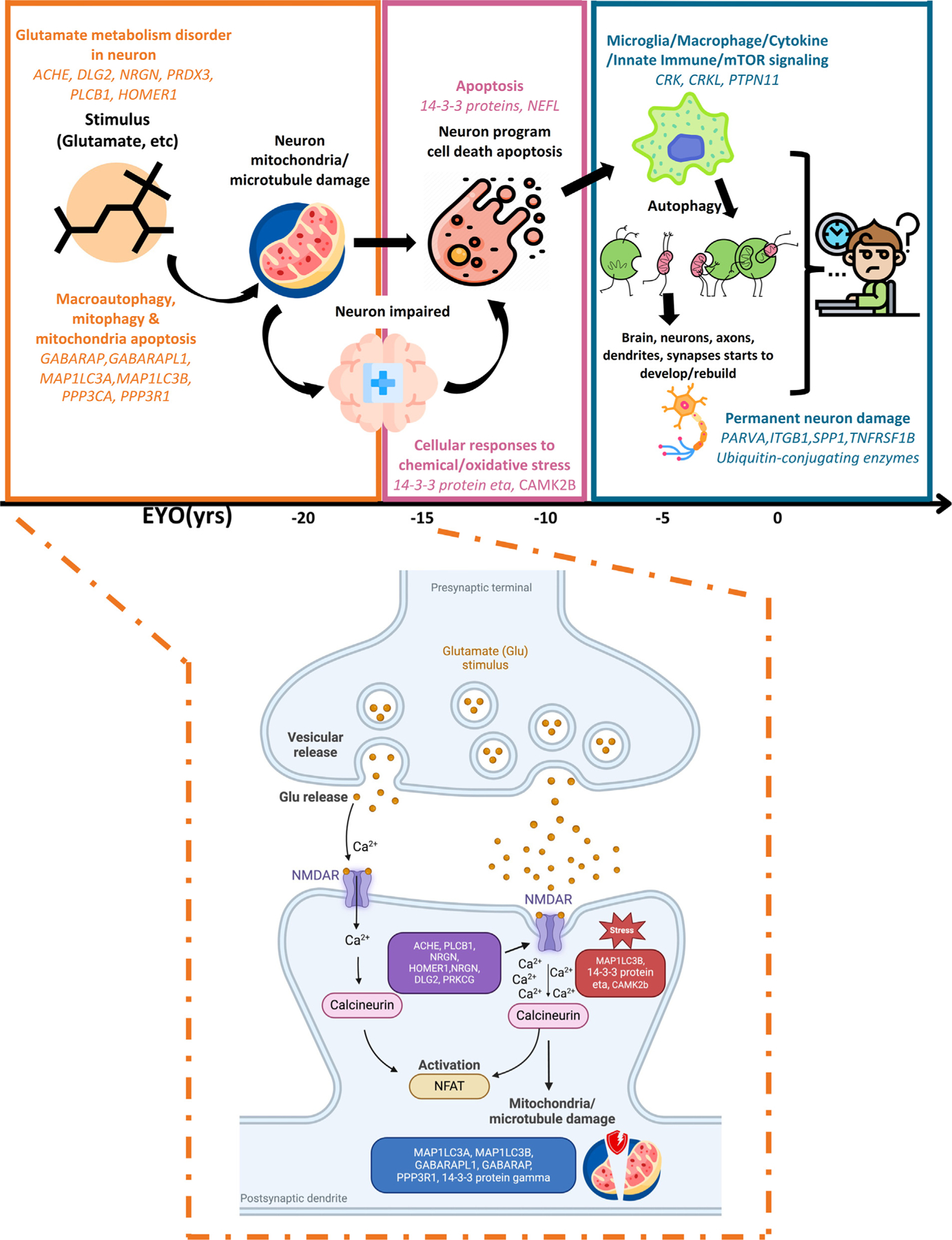
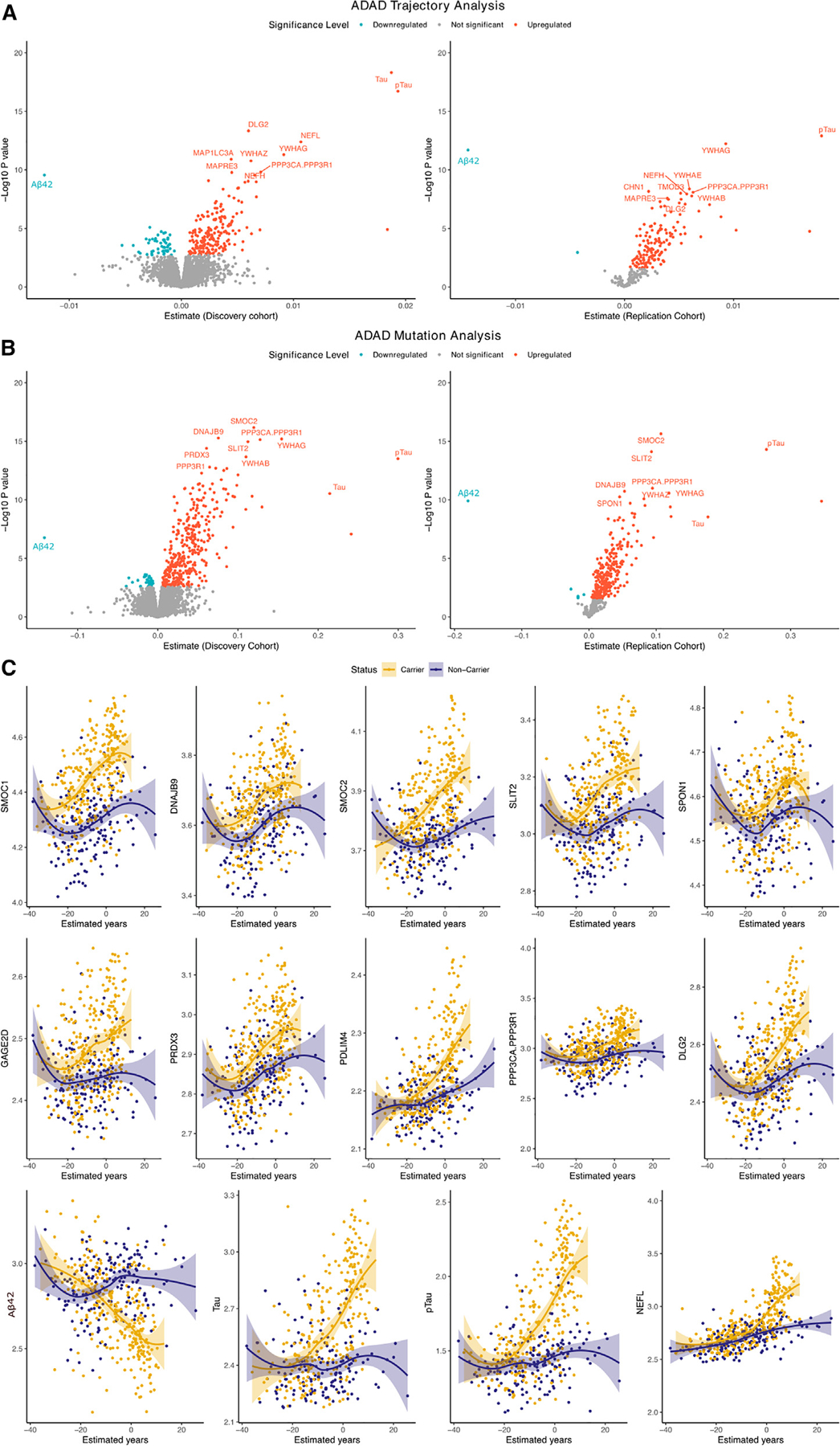
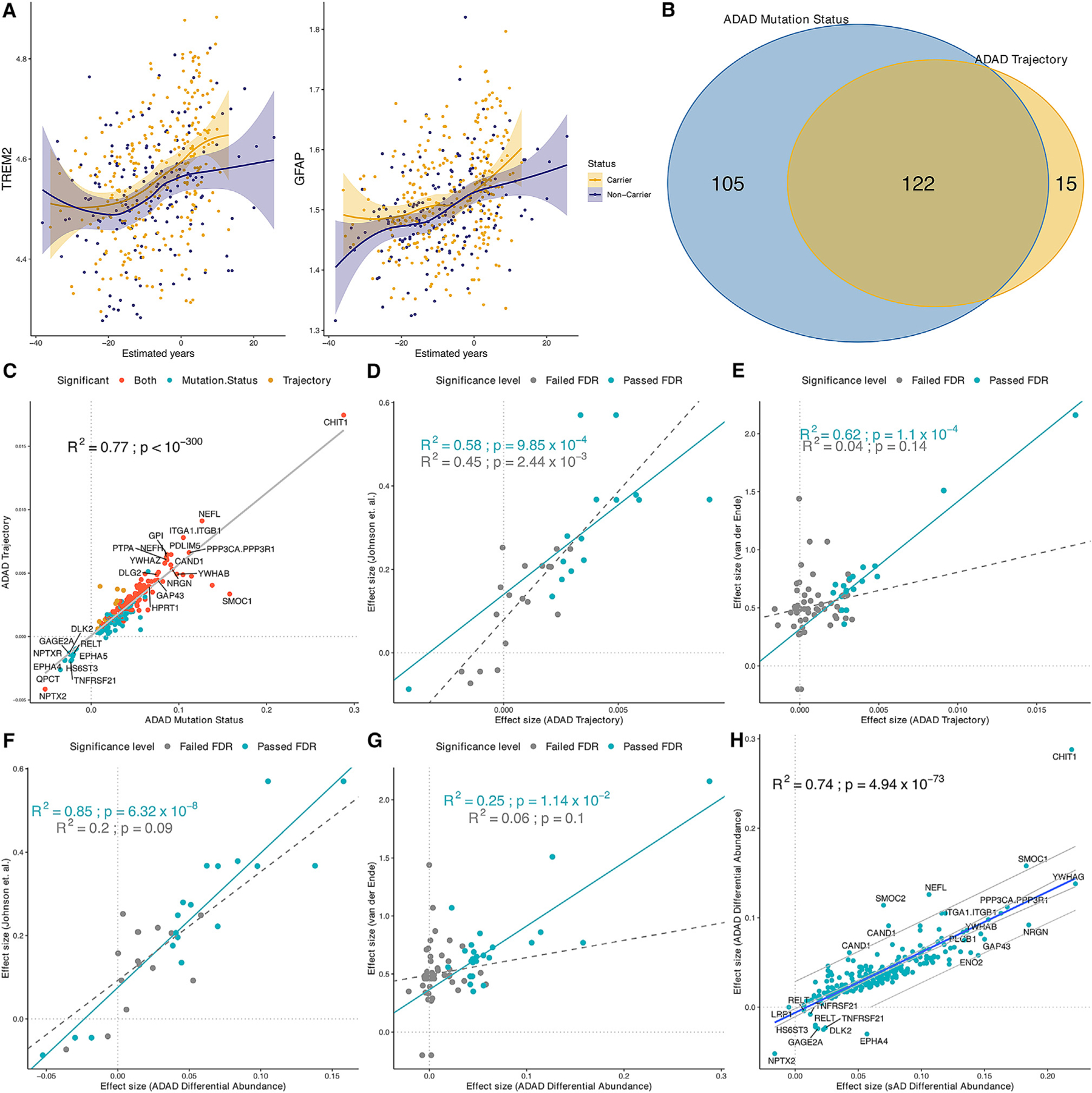
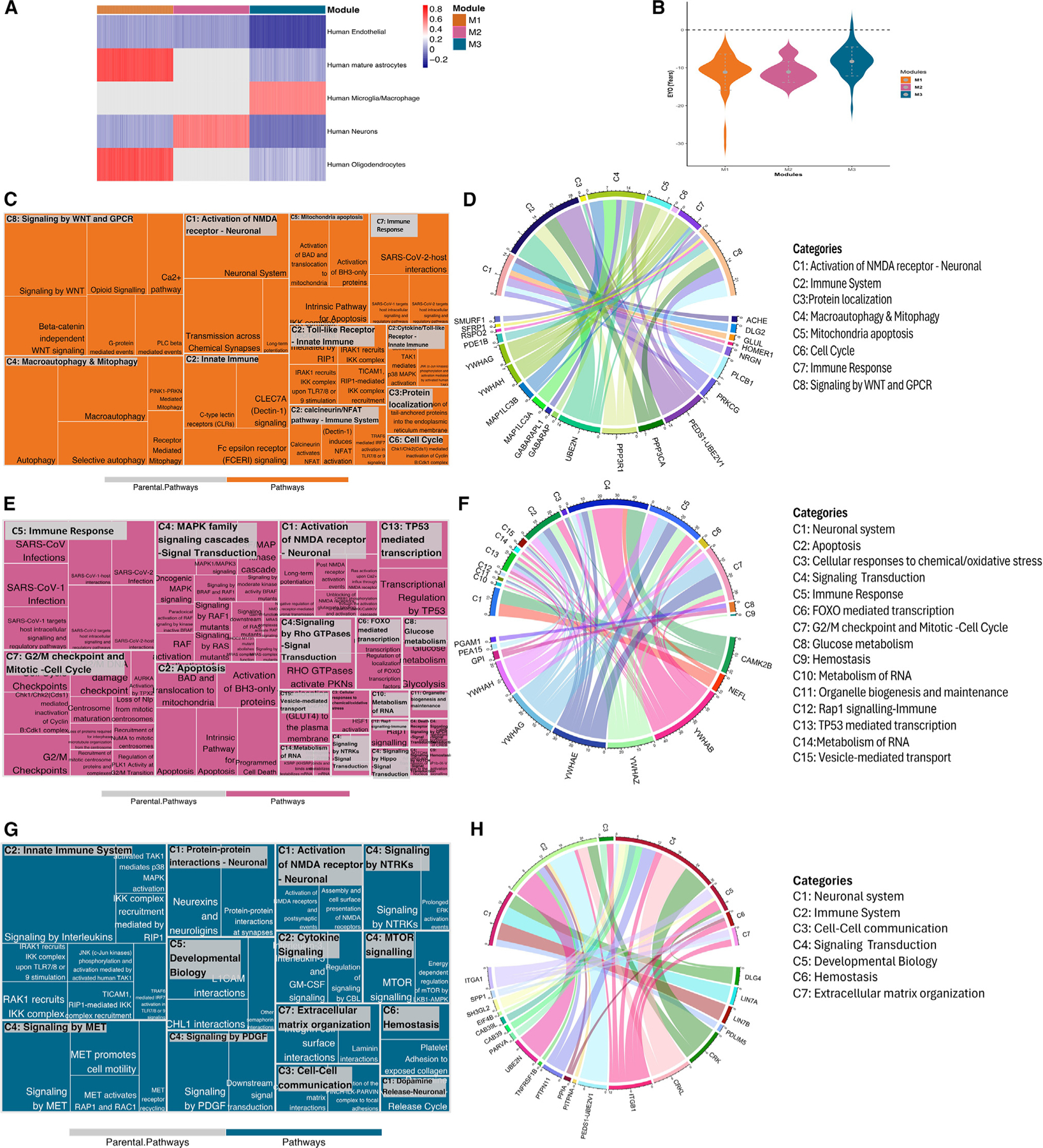
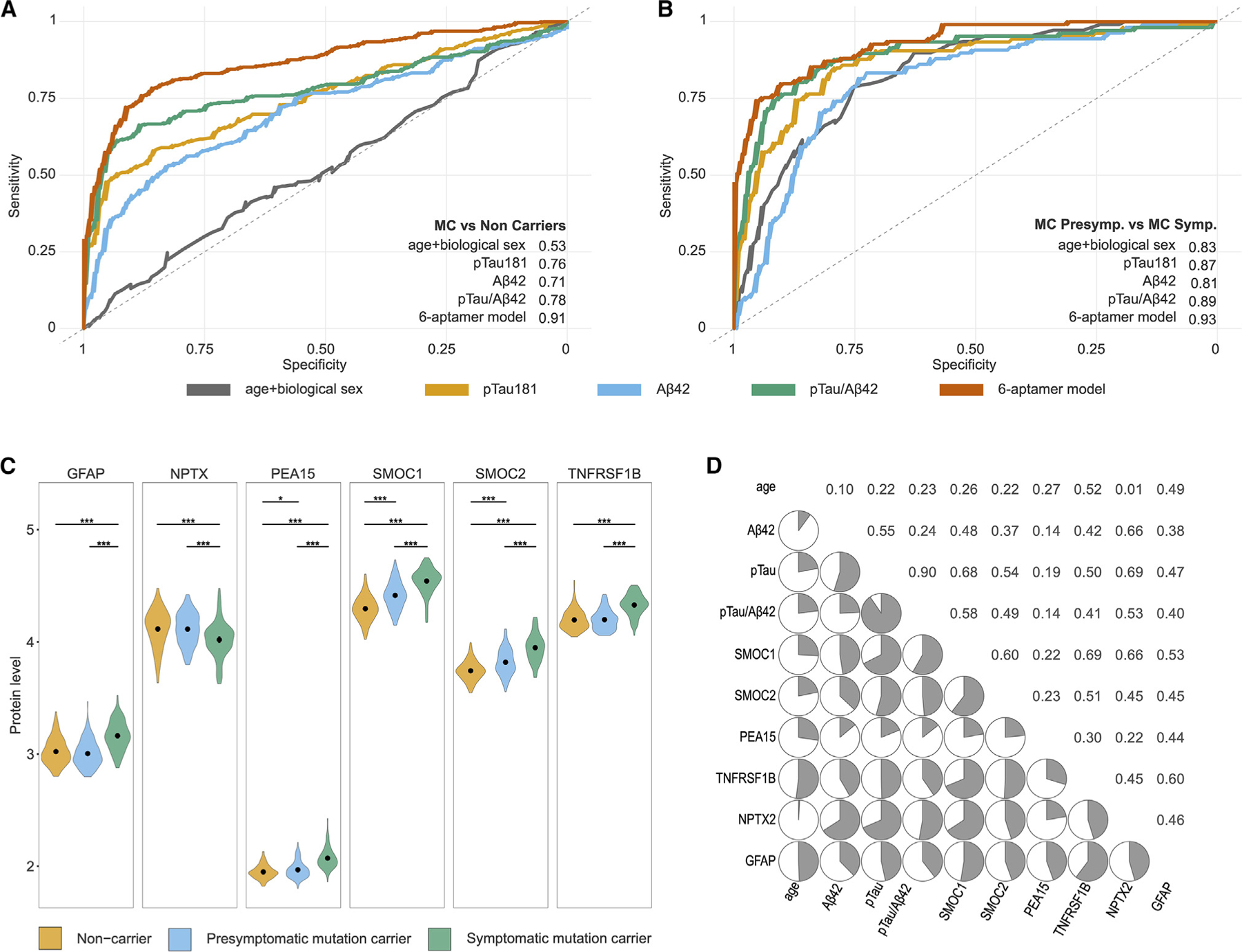
In this high-throughput proteomic study of autosomal dominant Alzheimer's disease (ADAD), we sought to identify early biomarkers in cerebrospinal fluid (CSF) for disease monitoring and treatment strategies. We examined CSF proteins in 286 mutation carriers (MCs) and 177 non-carriers (NCs). The developed multi-layer regression model distinguished proteins with different pseudo-trajectories between these groups. We validated our findings with independent ADAD as well as sporadic AD datasets and employed machine learning to develop and validate predictive models. Our study identified 137 proteins with distinct trajectories between MCs and NCs, including eight that changed before traditional AD biomarkers. These proteins are grouped into three stages: early stage (stress response, glutamate metabolism, neuron mitochondrial damage), middle stage (neuronal death, apoptosis), and late presymptomatic stage (microglial changes, cell communication). The predictive model revealed a six-protein subset that more effectively differentiated MCs from NCs, compared with conventional biomarkers.
在这项针对常染色体显性阿尔茨海默病(ADAD)的高通量蛋白质组学研究中,我们试图确定脑脊液(CSF)中的早期生物标志物,用于疾病监测和治疗策略。我们检查了 286 名突变携带者(MCs)和 177 名非携带者(NCs)的 CSF 蛋白。开发的多层回归模型区分了这两组之间具有不同伪轨迹的蛋白质。我们使用独立的 ADAD 和散发性 AD 数据集验证了我们的发现,并使用机器学习开发和验证预测模型。我们的研究确定了 137 种在 MCs 和 NCs 之间具有不同轨迹的蛋白质,其中 8 种在传统 AD 生物标志物之前发生了变化。这些蛋白质分为三个阶段:早期阶段(应激反应、谷氨酸代谢、神经元线粒体损伤)、中期阶段(神经元死亡、细胞凋亡)和晚期前症状阶段(小胶质细胞变化、细胞通讯)。与传统生物标志物相比,预测模型揭示了一个由六个蛋白质组成的亚组,能够更有效地将 MCs 与 NCs 区分开来。