Basic Medical College, Inner Mongolia Medical University, Hohhot, 010110, China.
College of Humanities Education , Inner Mongolia Medical University, Hohhot, 010110, China.
Sci Rep. 2024 Sep 27;14(1):22111. doi: 10.1038/s41598-024-72793-2.
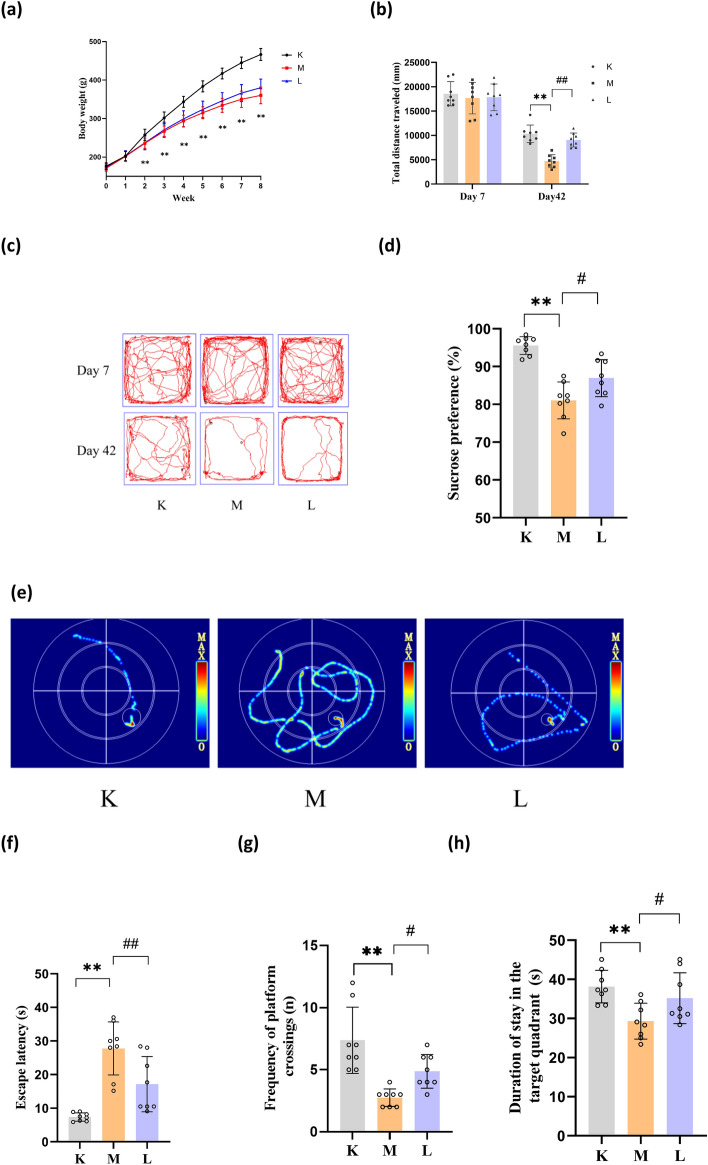
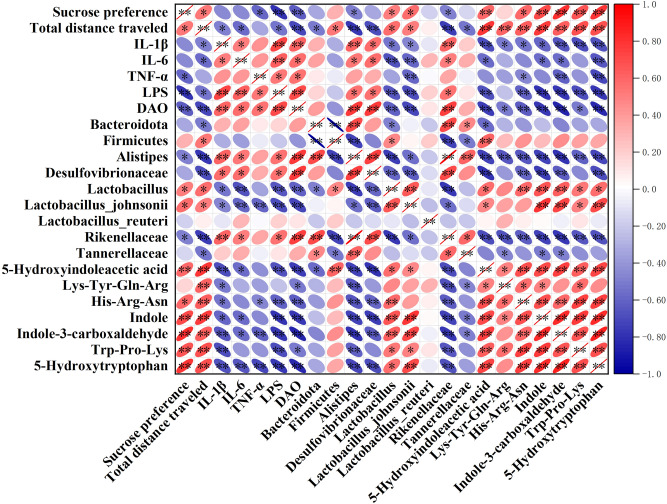
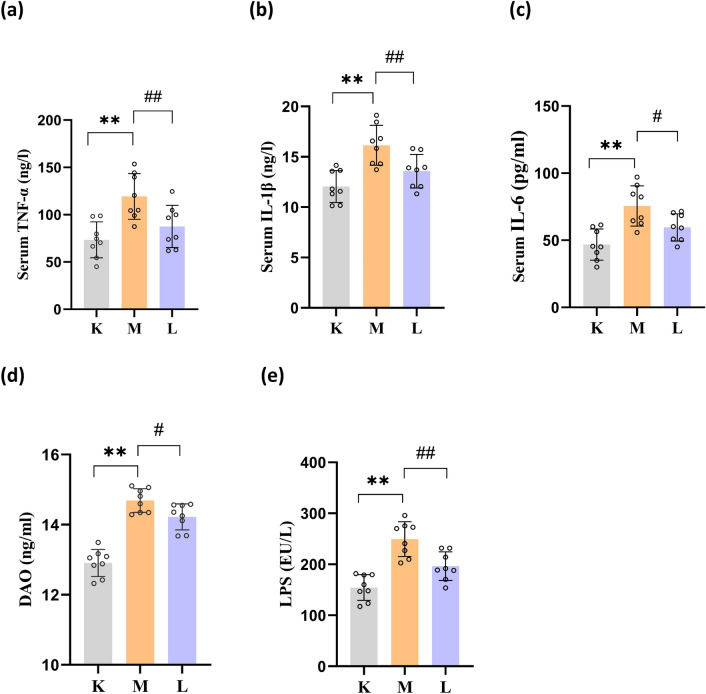
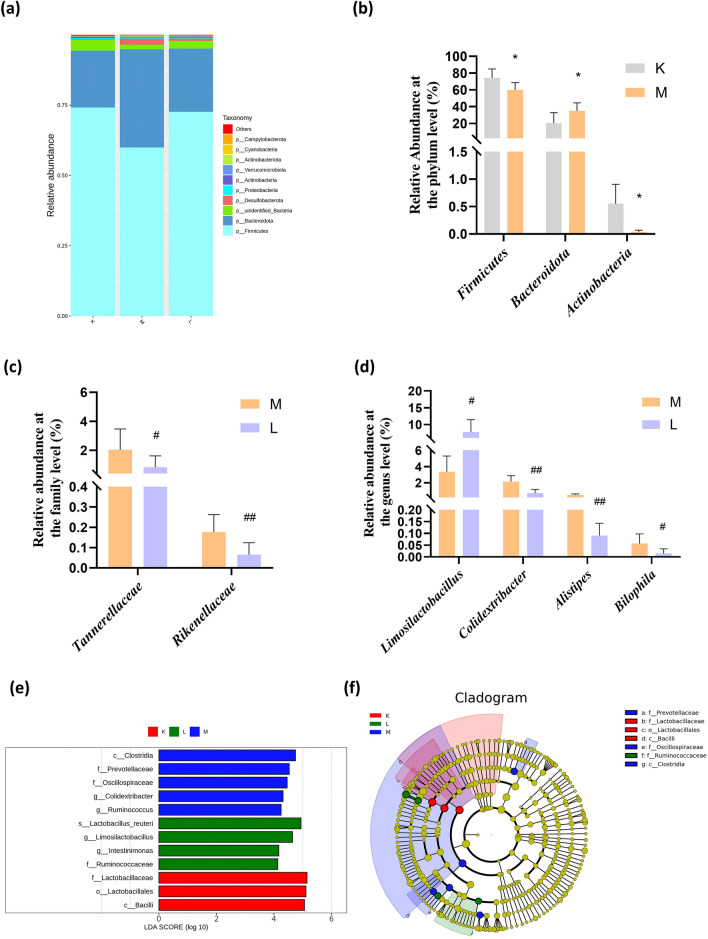
Lactoferrin is a natural multifunctional glycoprotein with potential antidepressant-like effects. However, the mechanism of its antidepressant effect has not been explored from the perspective of gut flora metabolism. Therefore, we employed both 16S rDNA gene sequencing and LC-MS metabolomics analysis to investigate the regulatory effects and mechanisms of lactoferrin in a rat model of depression. After one week of acclimatization, twenty-four 7-week-old male Sprague-Dawley rats were randomly and equally assigned into three groups: the control group, the model group, and the lactoferrin intervention group. The control group rats were housed under standard conditions, while the rats in the model and lactoferrin intervention groups were individually housed and exposed to chronic unpredictable mild stress for 44 days simultaneously. The lactoferrin intervention group was provided with water containing 2% lactoferrin (2 g/100 ml). Behavioural tests were conducted at week 7. Upon completion of the behavioral tests, the rats were anesthetized with isoflurane, humanely euthanized using a rat guillotine, and tissue samples were collected for further experiments. The results indicated that lactoferrin intervention led to an increase in sucrose solution consumption, horizontal movement distance, number of cross platforms, and residence time in the target quadrant. Additionally, it resulted in an increase in jejunal tight junction protein ZO-1 expression and a suppression of serum expression of inflammatory factors, Lipopolysaccharide and Diamine oxidase. In summary, lactoferrin can regulate the metabolic disorder of intestinal flora, reduce intestinal permeability, and further regulate the metabolic balance of hippocampal tissues through the microbiota-gut-brain axis. This process ultimately alleviates the depression-like behavior in rats.
乳铁蛋白是一种天然多功能糖蛋白,具有潜在的抗抑郁样作用。然而,其抗抑郁作用的机制尚未从肠道菌群代谢的角度进行探索。因此,我们采用 16S rDNA 基因测序和 LC-MS 代谢组学分析,研究了乳铁蛋白在抑郁大鼠模型中的调节作用和机制。经过一周的适应期,将 24 只 7 周龄雄性 Sprague-Dawley 大鼠随机平均分为 3 组:对照组、模型组和乳铁蛋白干预组。对照组大鼠在标准条件下饲养,而模型组和乳铁蛋白干预组大鼠单独饲养,并同时暴露于慢性不可预测的轻度应激 44 天。乳铁蛋白干预组大鼠给予含有 2%乳铁蛋白(2 g/100 ml)的水。在第 7 周进行行为测试。行为测试完成后,大鼠用异氟烷麻醉,用大鼠断头器人道处死,收集组织样本进行进一步实验。结果表明,乳铁蛋白干预导致蔗糖溶液消耗增加、水平运动距离增加、跨平台次数增加和目标象限停留时间增加。此外,它还导致空肠紧密连接蛋白 ZO-1 的表达增加,并抑制了血清中炎症因子脂多糖和二胺氧化酶的表达。总之,乳铁蛋白可以通过菌群-肠-脑轴调节肠道菌群的代谢紊乱,降低肠道通透性,进一步调节海马组织的代谢平衡,从而缓解大鼠的抑郁样行为。