Yanagisawa Kaoru, Miyamoto Kazuyuki, Wakayama Yoshihiro, Arata Satoru, Suzuki Keisuke, Nakamura Motoyasu, Yamaga Hiroki, Miyazaki Takuro, Honda Kazuho, Dohi Kenji, Ohtaki Hirokazu
Department of Anatomy, School of Medicine, Showa University, 1-5-8 Hatanodai, Shinagawa-ku, Tokyo 142-8555, Japan.
Department of Emergency, Critical Care and Disaster Medicine, School of Medicine, Showa University, 1-5-8 Hatanodai, Shinagawa-ku, Tokyo 142-8555, Japan.
Biomedicines. 2024 Sep 10;12(9):2057. doi: 10.3390/biomedicines12092057.
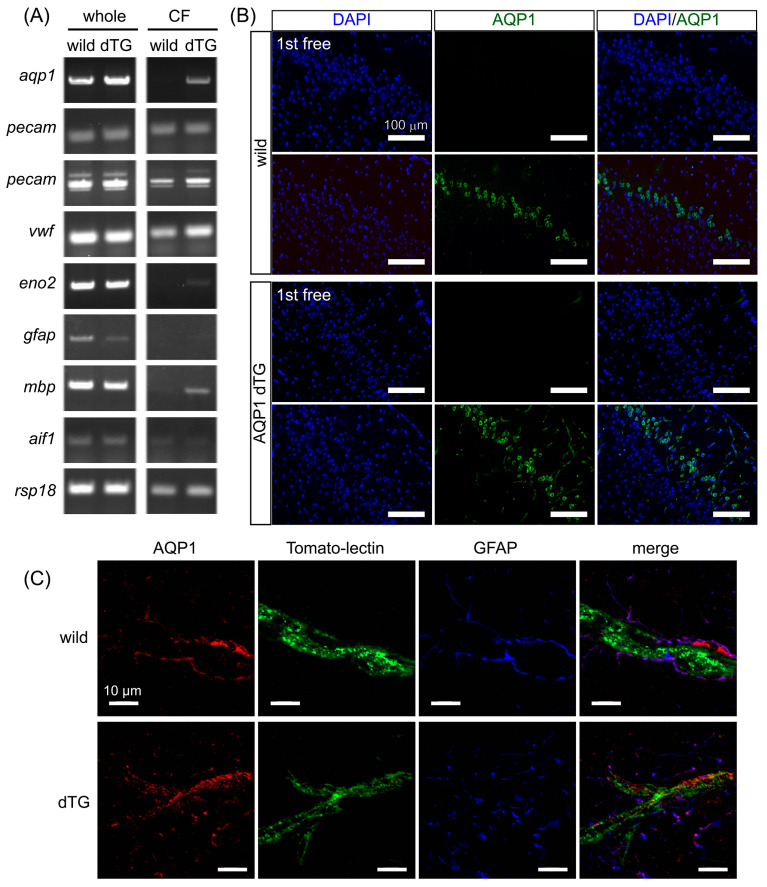
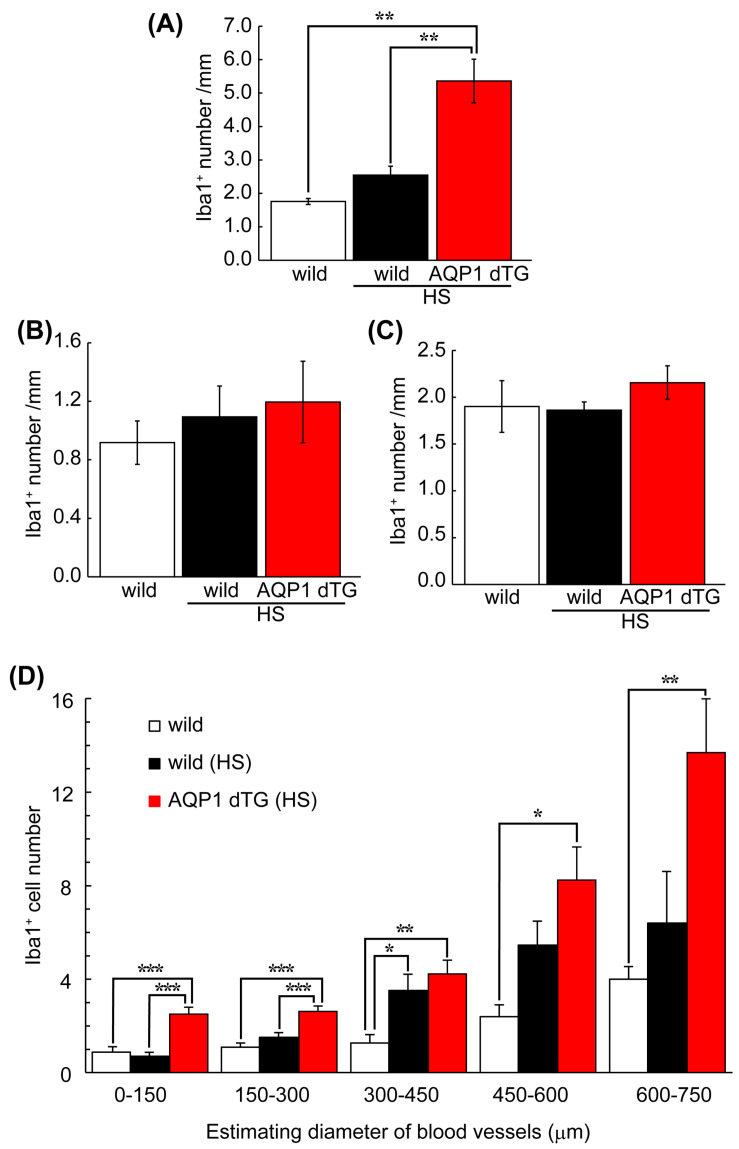
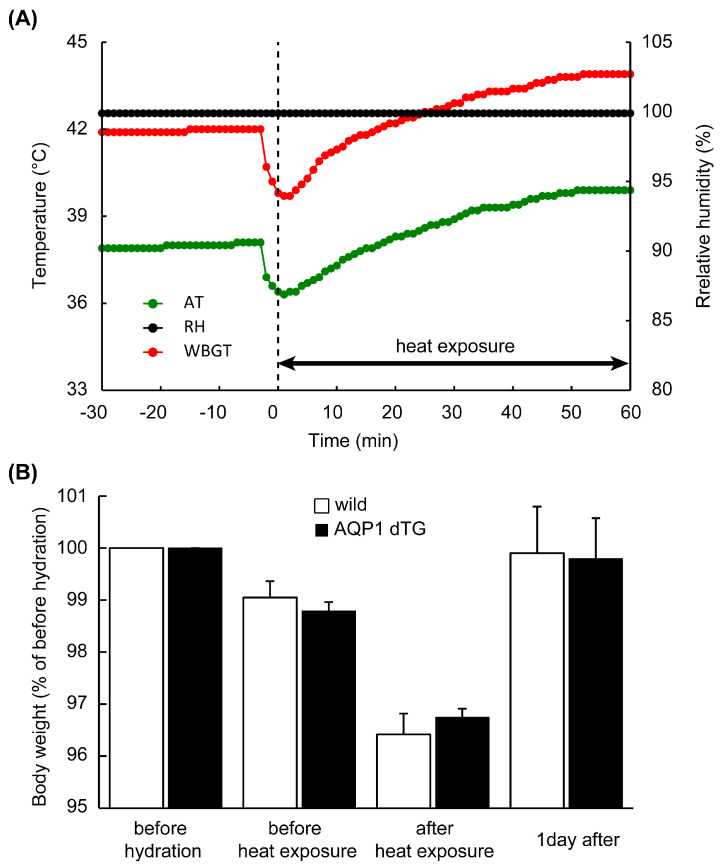
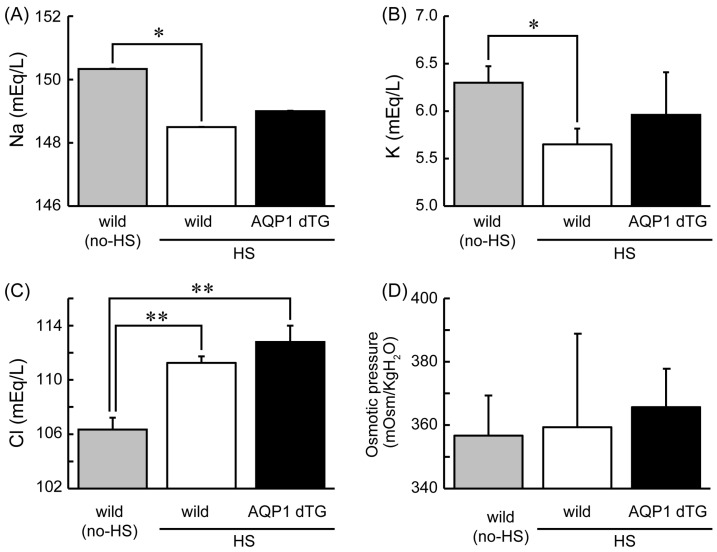
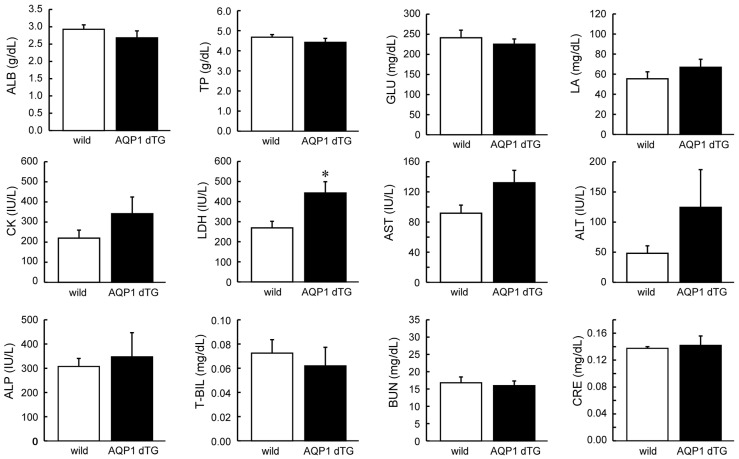
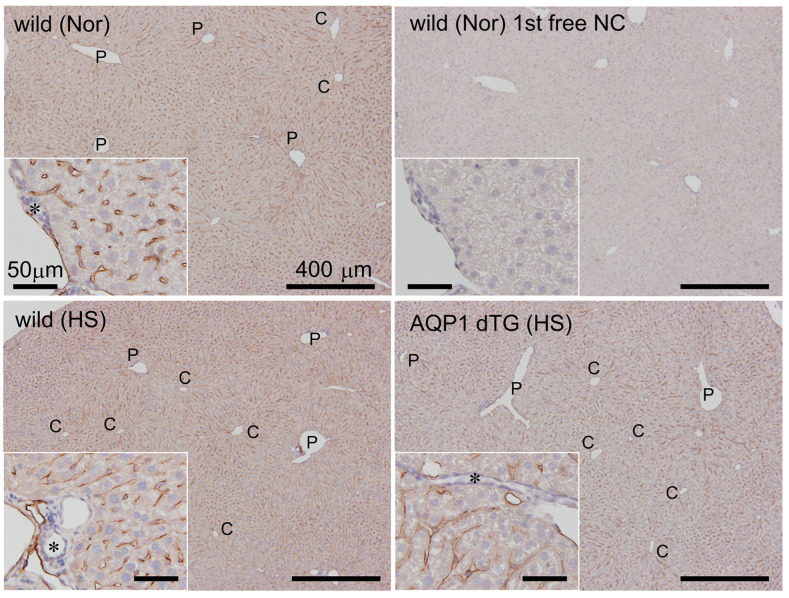
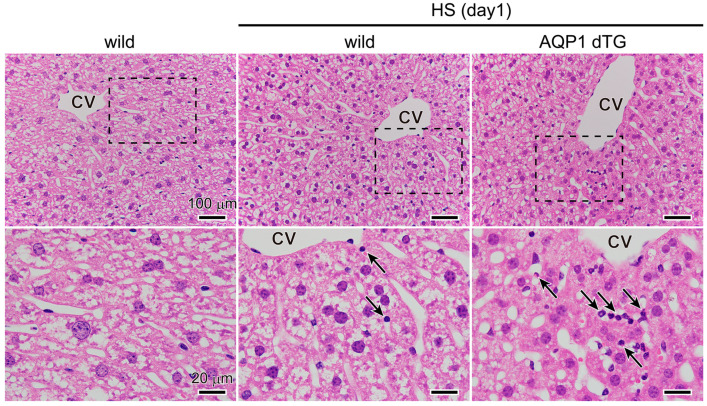
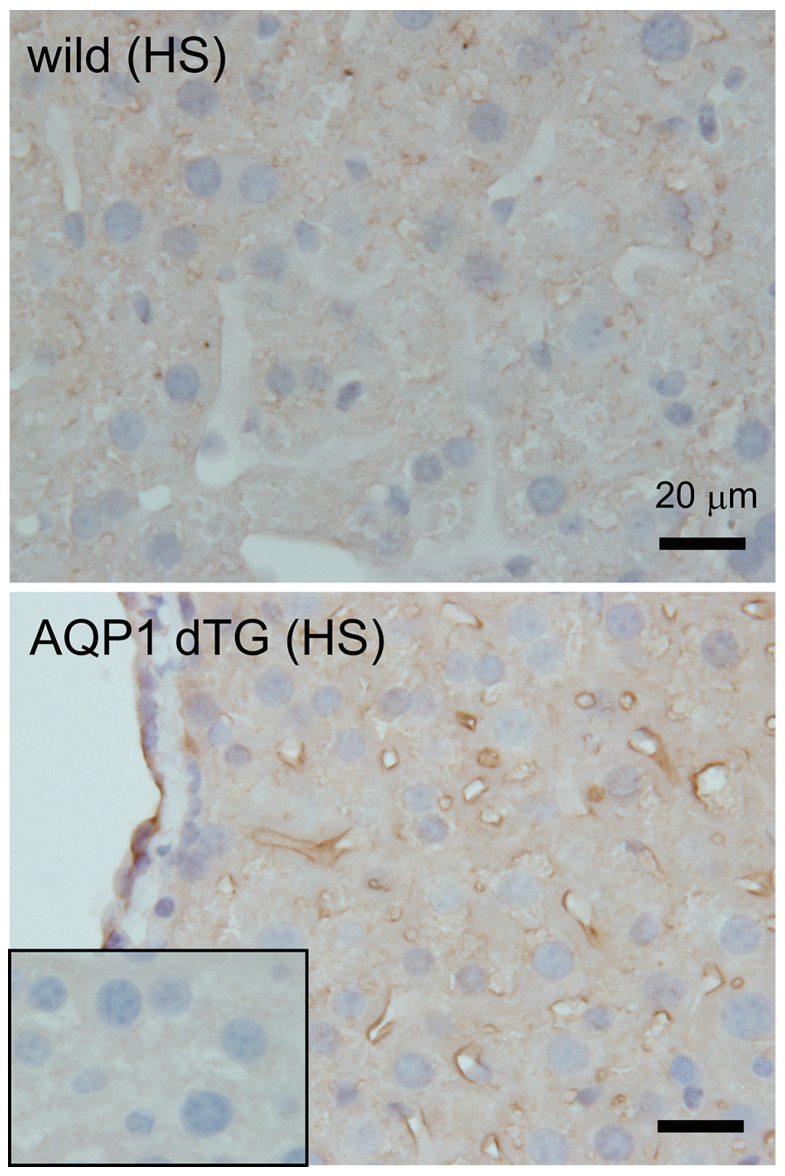
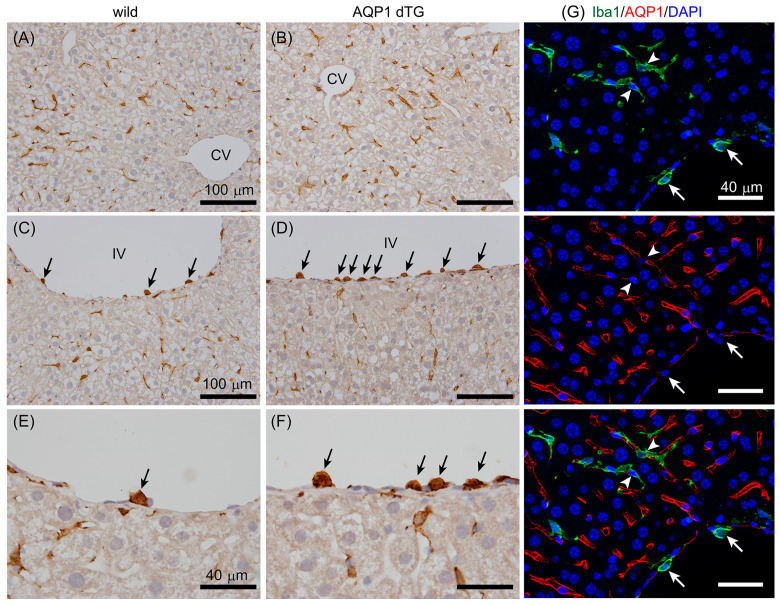
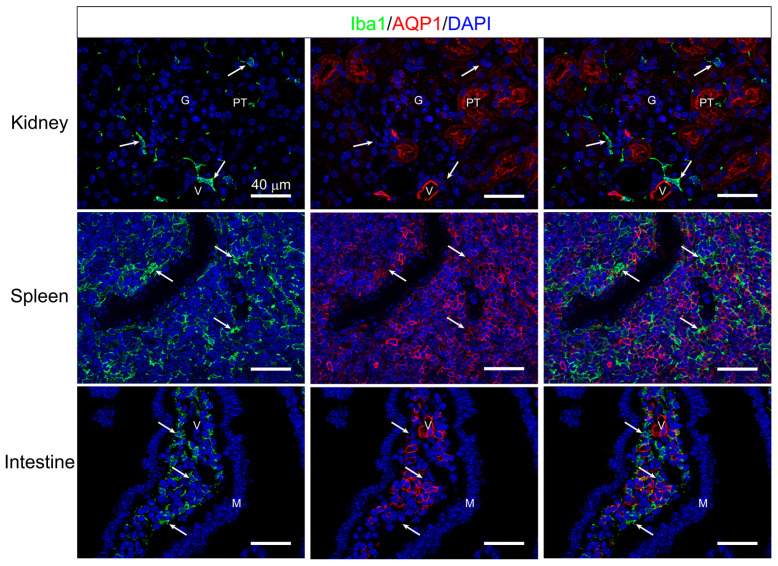
Heatstroke induces fluid loss and electrolyte abnormalities owing to high ambient temperature (AT) and relative humidity (RH). Aquaporin 1 (AQP1) is a key protein for water homeostasis; however, its role in heatstroke remains unclear. This study examines endothelial AQP1 in Tie2-Cre/LNL-AQP1 double transgenic (dTG) mice with upregulated Aqp1 in endothelial cells. For experimental heatstroke, mice were exposed to 41 °C AT and >99% RH. Blood, brain, kidney, and liver samples were collected 24 h later. Blood was analyzed for electrolytes and tissue damage markers, and organs were examined using morphological and immunohistological staining for 3-nitrotyrosine (3-NT), AQP1, and Iba-1. No difference in Aqp1 expression was observed in the whole brain; however, it was detected in dTG mice after capillary deprivation. AQP1 immunostaining revealed immunoreaction in blood vessels. After heat exposure, wild-type and dTG mice showed electrolyte abnormalities compared with non-heatstroke wild-type mice. Hepatic damage markers were significantly higher in dTG mice than in wild-type mice. Hematoxylin-eosin staining and 3-NT immunoreactivity in the liver indicated hepatic damage. The number of Iba-1-positive cells adherent to hepatic vasculature was significantly higher in dTG mice than in wild-type mice. This study is the first to suggest that endothelial AQP1 contributes to hepatic damage after heatstroke.
由于环境温度(AT)高和相对湿度(RH)高,中暑会导致体液流失和电解质异常。水通道蛋白1(AQP1)是水稳态的关键蛋白;然而,其在中暑中的作用仍不清楚。本研究在Tie2-Cre/LNL-AQP1双转基因(dTG)小鼠中检测内皮细胞AQP1,这些小鼠的内皮细胞中Aqp1上调。对于实验性中暑,将小鼠暴露于41°C的环境温度和>99%的相对湿度下。24小时后采集血液、脑、肾和肝脏样本。分析血液中的电解质和组织损伤标志物,并使用针对3-硝基酪氨酸(3-NT)、AQP1和Iba-1的形态学和免疫组织化学染色检查器官。在全脑中未观察到Aqp1表达的差异;然而,在毛细血管剥夺后的dTG小鼠中检测到了它。AQP1免疫染色显示血管中有免疫反应。热暴露后,野生型和dTG小鼠与未中暑的野生型小鼠相比出现电解质异常。dTG小鼠的肝损伤标志物明显高于野生型小鼠。肝脏中的苏木精-伊红染色和3-NT免疫反应性表明存在肝损伤。dTG小鼠中粘附在肝血管上的Iba-1阳性细胞数量明显高于野生型小鼠。本研究首次表明内皮细胞AQP1在中暑后导致肝损伤。