Asta Laura, Sbrigata Adriana, Pisano Calogera
Department of Cardiac Surgery, Clinical Mediterranean, 80122 Naples, Italy.
Cardiac Surgery Unit, Department of Precision Medicine in Medical Surgical and Critical Area (Me.Pre.C.C.), University of Palermo, 90134 Palermo, Italy.
J Clin Med. 2024 Sep 20;13(18):5592. doi: 10.3390/jcm13185592.
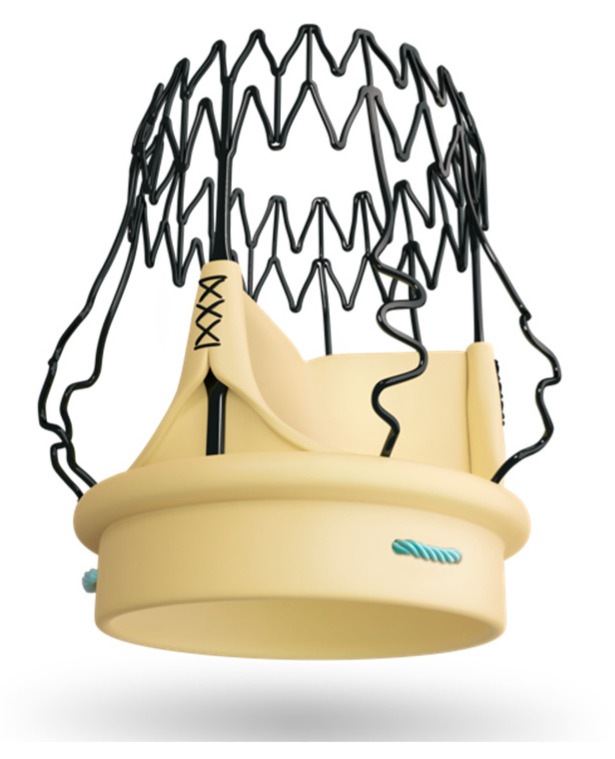
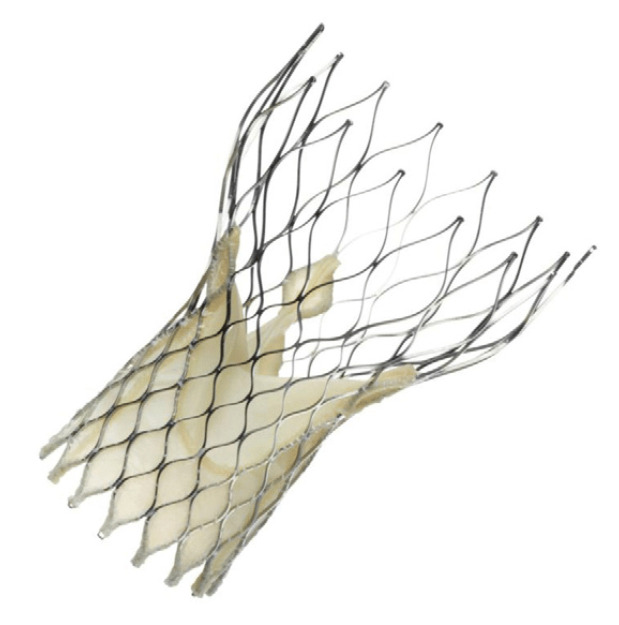
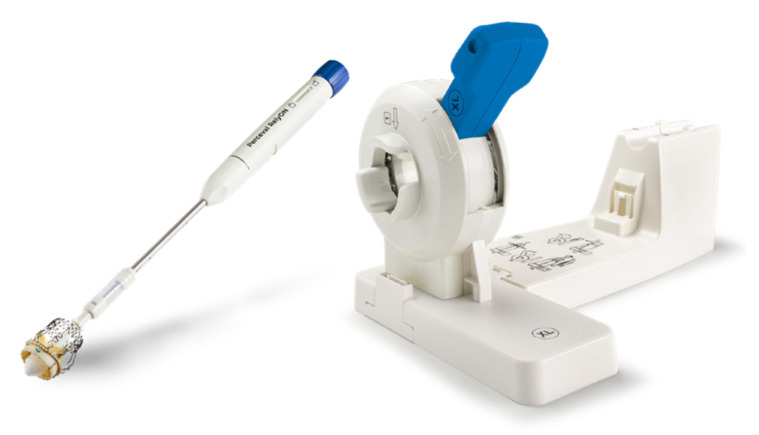
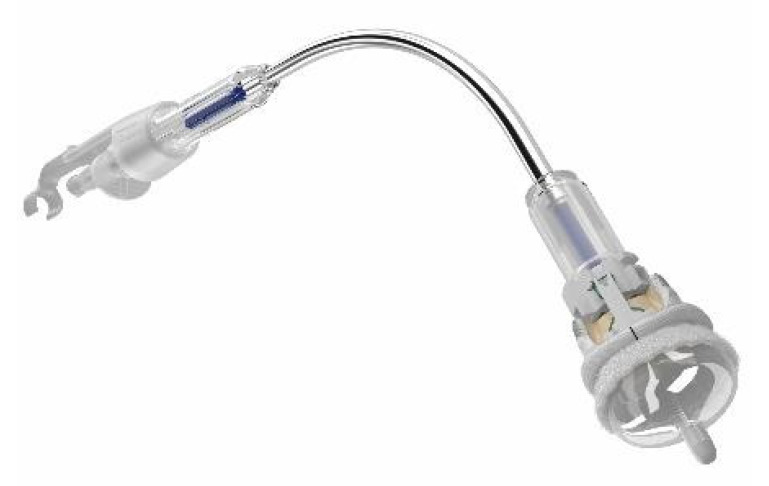
Aortic stenosis remains the most frequently occurring valvular pathology in the elderly population of Western countries. According to the latest guidelines, the therapeutic choice of aortic stenosis depends on the age of the patient (<75 years or >75 years) and the risk class (STS-Prom/Euroscore II < o >4%). Therefore, if the surgical indication is clear in young and low-risk patients and percutaneous treatment is the gold standard in older and high-risk patients, the therapeutic choice is still debated in intermediate-risk patients. In this group of patients, aortic valve stenosis treatment depends on the patient's global evaluation, the experience of the center, and, no less importantly, the patient's will. Two main therapeutic options are debated: surgical aortic valve replacement with sutureless prosthesis versus transcatheter aortic valve implantation. In addition, the progressive development of mininvasive techniques for aortic valve surgery (right-anterior minithoracotomy) has also reduced the peri- and post-operative risk in this group of patients. The purpose of this review is to compare sutureless aortic valve replacement (SuAVR) versus TAVI in intermediate-risk patients with severe aortic stenosis.
在西方国家老年人群中,主动脉瓣狭窄仍然是最常见的瓣膜病变。根据最新指南,主动脉瓣狭窄的治疗选择取决于患者年龄(<75岁或>75岁)和风险等级(STS-Prom/Euroscore II <或>4%)。因此,如果手术指征在年轻低风险患者中明确,而经皮治疗是老年高风险患者的金标准,那么在中度风险患者中治疗选择仍存在争议。在这组患者中,主动脉瓣狭窄的治疗取决于患者的全面评估、中心的经验,以及同样重要的患者意愿。目前有两种主要治疗方案存在争议:使用无缝合人工瓣膜进行外科主动脉瓣置换术与经导管主动脉瓣植入术。此外,主动脉瓣手术微创技术(右前小切口开胸术)的不断发展也降低了这组患者围手术期和术后的风险。本综述的目的是比较中度风险的重度主动脉瓣狭窄患者中无缝合主动脉瓣置换术(SuAVR)与经导管主动脉瓣植入术(TAVI)。