Laboratory of Nutritional Biochemistry, National Institute of Gastroenterology-IRCCS "Saverio de Bellis", Castellana Grotte, 70013 Bari, Italy.
Ambulatory of Clinical Nutrition, National Institute of Gastroenterology-IRCCS "Saverio de Bellis", Castellana Grotte, 70013 Bari, Italy.
Nutrients. 2024 Sep 20;16(18):3191. doi: 10.3390/nu16183191.
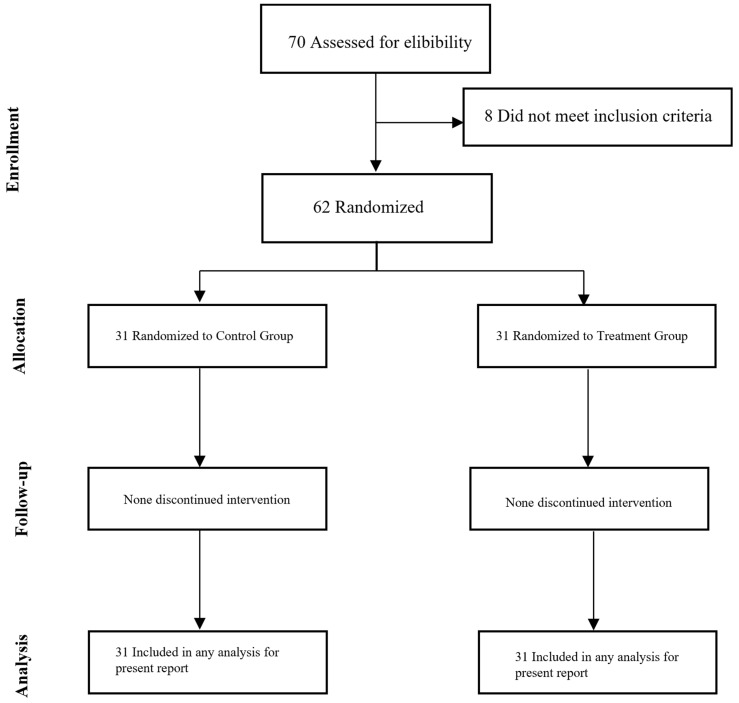
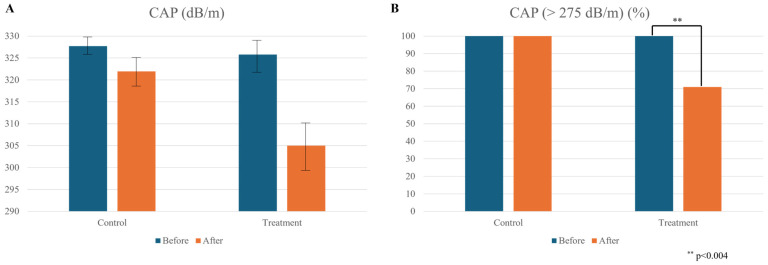
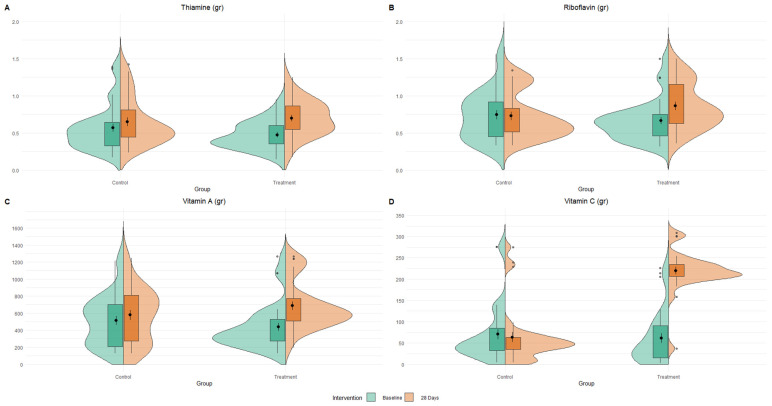
: Consumption of flavonoid-rich orange juice has been shown to reduce adiposity and liver steatosis in murine models of diet-induced obesity. However, little is known about the effects of whole orange intake, independent of body weight changes, on liver function and steatosis in individuals with metabolic dysfunction-associated steatotic liver disease (MASLD). The goal is to understand the direct impact of orange consumption on metabolic health. : Sixty-two men and women aged 30-65 with MASLD (Controlled Attenuation Parameter, (CAP) > 275 dB/m) were randomly assigned to consume either 400 g of whole oranges or non-citrus fruits daily for 4 weeks. Baseline evaluations included medical assessments, blood tests, and body composition. Liver health was assessed using transient elastography (FibroScan) for steatosis and fibrosis, conducted by blinded personnel. This clinical trial was registered at ClinicalTrials.gov (NCT05558592). : After 4 weeks of orange supplementation, liver steatosis decreased in the treatment group, with 70.9% showing steatosis compared to 100% in controls ( < 0.004), indicating a 30% reduction in liver disease prevalence. There were no significant changes in fibrosis or plasma liver enzymes, though plasma gamma glutaril transferase (GGT) levels decreased significantly. Body weight, waist circumference, body composition, lipid profile, fasting glucose, insulin, and C-reactive protein levels remained unchanged. Dietary analysis revealed no change in caloric intake, but vitamins C, A, thiamine, and riboflavin increased in the orange group. : Our findings suggest that phytochemical-rich foods, especially whole fruits like oranges, may enhance liver function as an adjunct treatment for MASLD. The notable reduction in liver steatosis prevalence occurred independently of body weight changes. Further studies are needed to investigate the long-term effects of orange supplementation on steatosis and fibrosis progression and to identify the specific bioactive compounds and mechanisms involved.
: 富含类黄酮的橙汁消费已被证明可减少肥胖诱导的肥胖症小鼠模型中的肥胖和肝脂肪变性。然而,对于代谢功能障碍相关脂肪性肝病(MASLD)患者,摄入整个橙子对肝功能和脂肪变性的影响,而不考虑体重变化,知之甚少。目标是了解橙子消费对代谢健康的直接影响。 : 62 名年龄在 30-65 岁之间的患有 MASLD(受控衰减参数,(CAP)> 275 dB/m)的男性和女性被随机分配每天食用 400 克整个橙子或非柑橘类水果,持续 4 周。基线评估包括医疗评估、血液检查和身体成分。使用瞬时弹性成像(FibroScan)评估肝脏健康状况,以评估脂肪变性和纤维化,由盲法人员进行。这项临床试验在 ClinicalTrials.gov(NCT05558592)注册。 : 在橙子补充 4 周后,治疗组的肝脂肪变性减少,70.9%的患者有脂肪变性,而对照组为 100%(<0.004),表明肝病患病率降低了 30%。纤维化或血浆肝酶无显著变化,尽管血浆γ谷氨酰转移酶(GGT)水平显著降低。体重、腰围、身体成分、血脂谱、空腹血糖、胰岛素和 C 反应蛋白水平保持不变。膳食分析显示热量摄入没有变化,但橙子组的维生素 C、A、硫胺素和核黄素增加。 : 我们的研究结果表明,富含植物化学物质的食物,尤其是整个橙子等水果,可能作为 MASLD 的辅助治疗方法增强肝功能。肝脏脂肪变性患病率的显著降低与体重变化无关。需要进一步研究以调查橙子补充对脂肪变性和纤维化进展的长期影响,并确定涉及的特定生物活性化合物和机制。