Schooley Allana, Venev Sergey V, Aksenova Vasilisa, Navarrete Emily, Dasso Mary, Dekker Job
Department of Systems Biology, University of Massachusetts Chan Medical School; Worcester, USA.
Division of Molecular and Cellular Biology, National Institute for Child Health and Human Development, National Institutes of Health, Bethesda, MD 20892-4480, USA.
bioRxiv. 2024 Sep 16:2024.09.16.613305. doi: 10.1101/2024.09.16.613305.
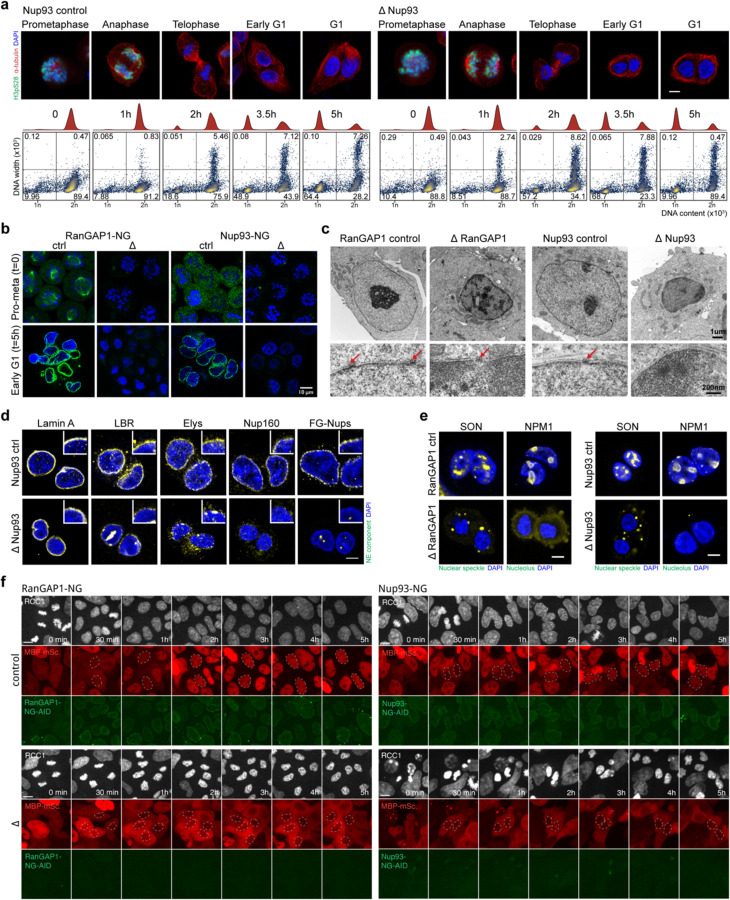
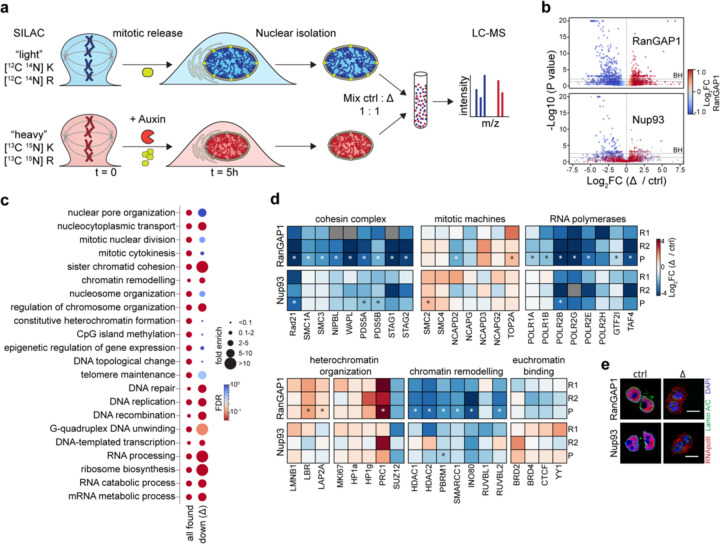
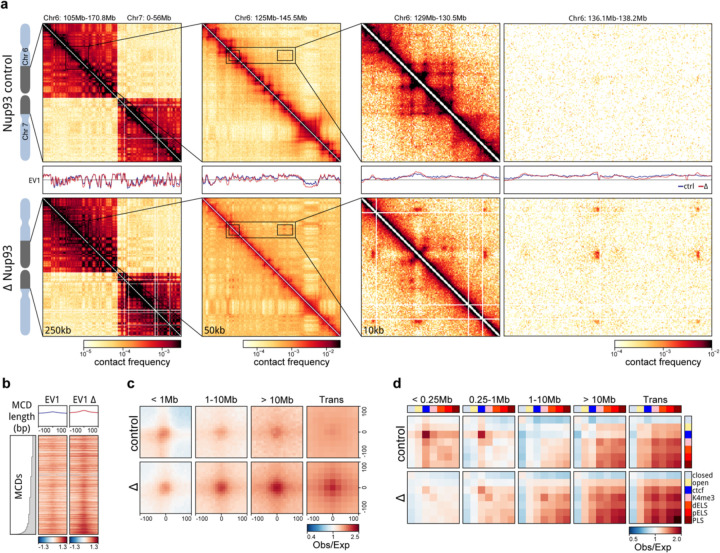
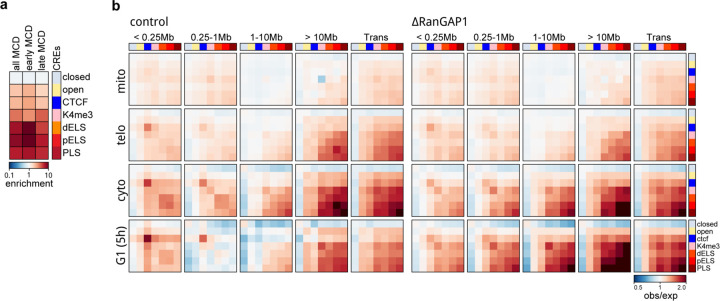
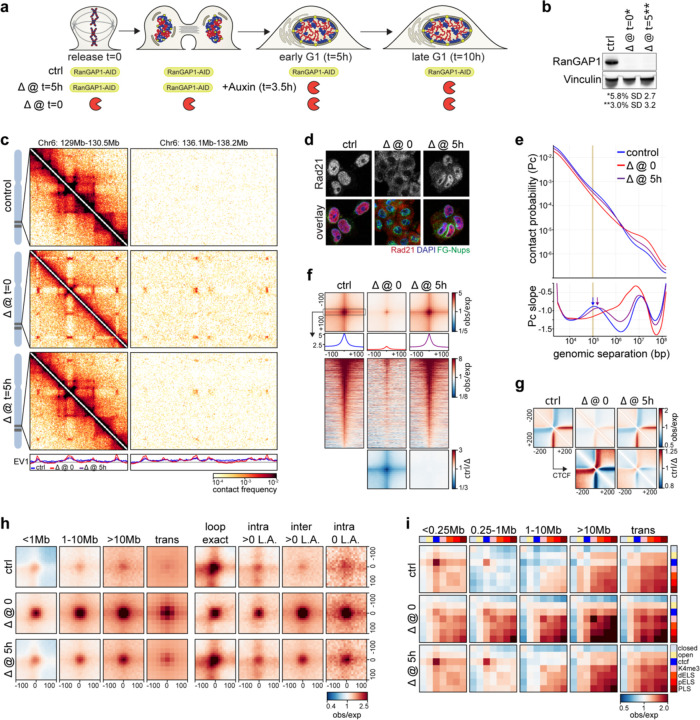
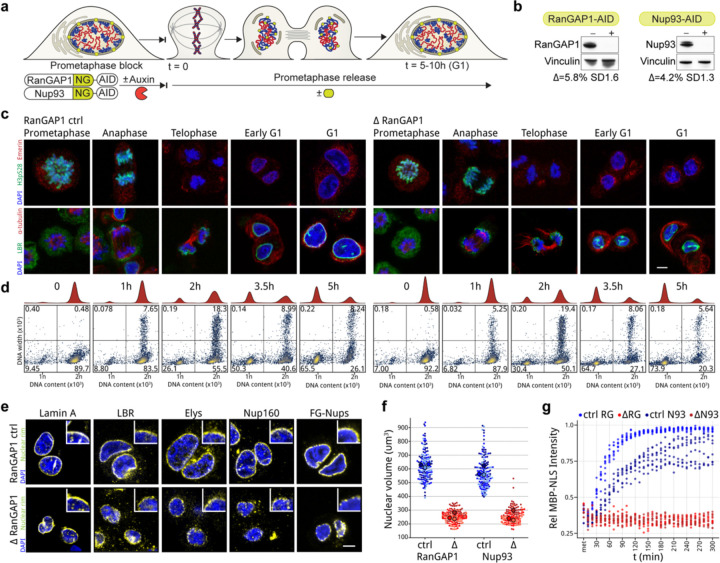
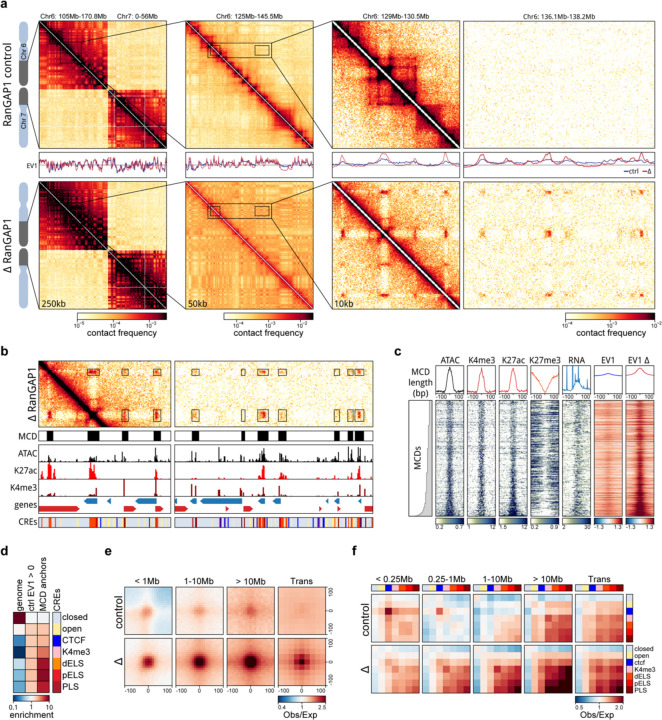
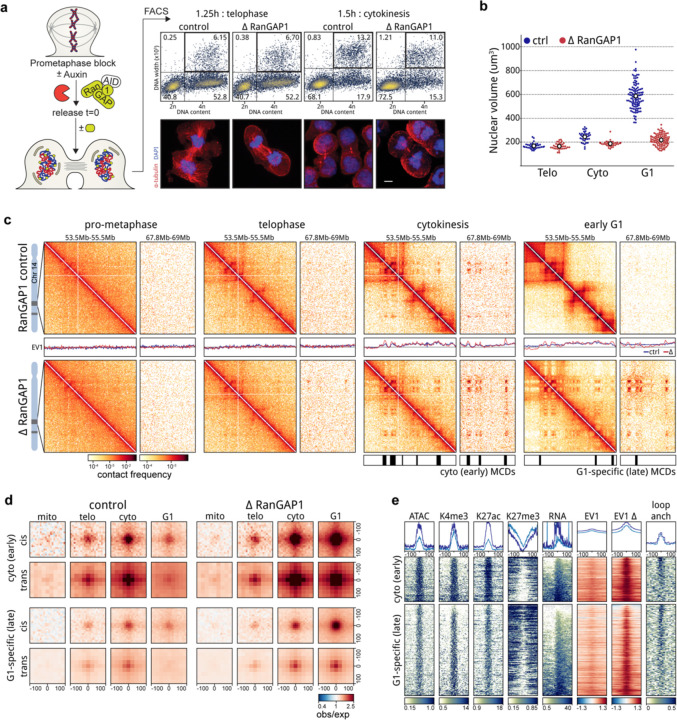
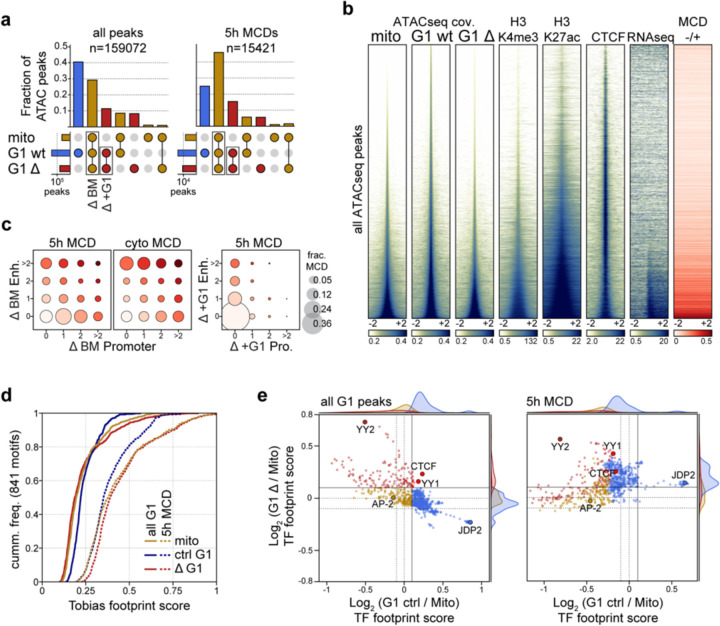
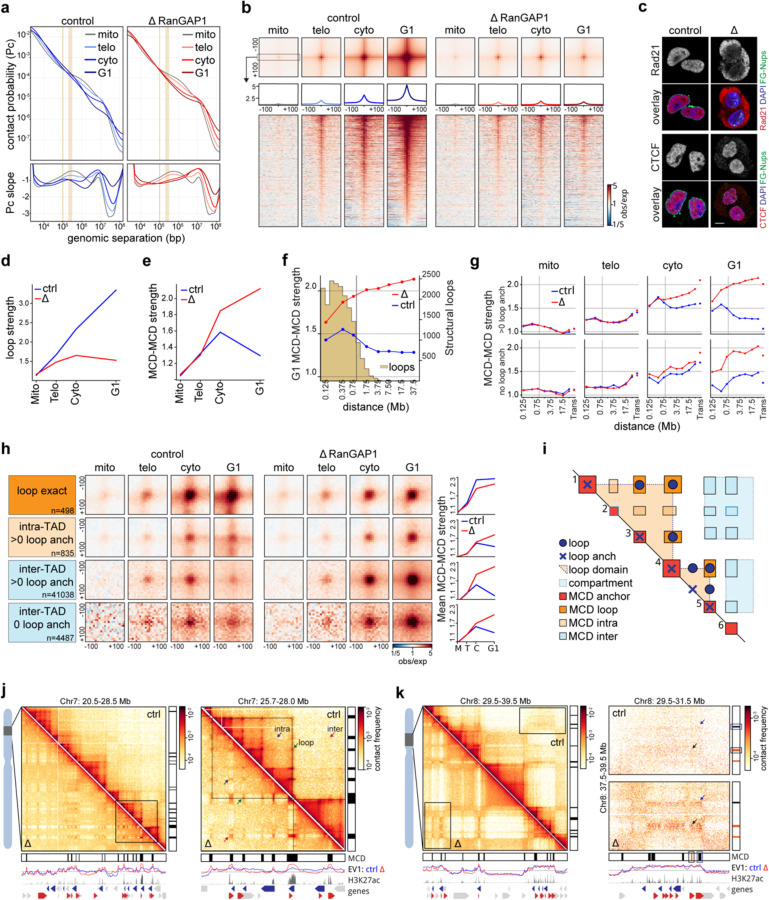
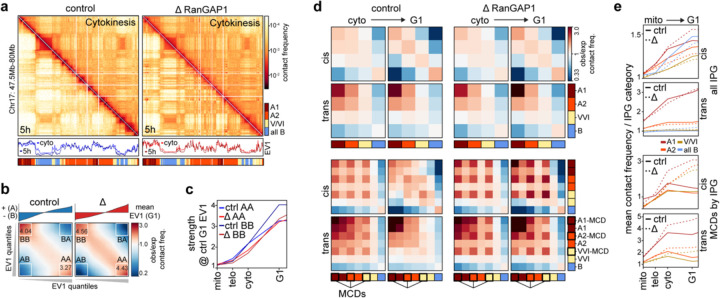
Identity-specific interphase chromosome conformation must be re-established each time a cell divides. To understand how interphase folding is inherited, we developed an experimental approach that physically segregates mediators of G1 folding that are intrinsic to mitotic chromosomes from cytoplasmic factors. Proteins essential for nuclear transport, RanGAP1 and Nup93, were degraded in pro-metaphase arrested DLD-1 cells to prevent the establishment of nucleo-cytoplasmic transport during mitotic exit and isolate the decondensing mitotic chromatin of G1 daughter cells from the cytoplasm. Using this approach, we discover a transient folding intermediate entirely driven by chromosome-intrinsic factors. In addition to conventional compartmental segregation, this chromosome-intrinsic folding program leads to prominent genome-scale microcompartmentalization of mitotically bookmarked and cell type-specific cis-regulatory elements. This microcompartment conformation is formed during telophase and subsequently modulated by a second folding program driven by factors inherited through the cytoplasm in G1. This nuclear import-dependent folding program includes cohesin and factors involved in transcription and RNA processing. The combined and inter-dependent action of chromosome-intrinsic and cytoplasmic inherited folding programs determines the interphase chromatin conformation as cells exit mitosis.
每次细胞分裂时,特定身份的间期染色体构象都必须重新建立。为了了解间期折叠是如何遗传的,我们开发了一种实验方法,将有丝分裂染色体固有的G1期折叠介质与细胞质因子进行物理分离。在有丝分裂中期停滞的DLD-1细胞中降解核转运所需的蛋白质RanGAP1和Nup93,以防止在有丝分裂退出期间建立核质转运,并将G1期子细胞解聚的有丝分裂染色质与细胞质分离。使用这种方法,我们发现了一种完全由染色体固有因子驱动的瞬时折叠中间体。除了传统的区室分离外,这种染色体固有折叠程序还导致有丝分裂标记和细胞类型特异性顺式调控元件在基因组尺度上显著的微区室化。这种微区室构象在末期形成,随后由G1期通过细胞质遗传的因子驱动的第二个折叠程序进行调节。这种依赖于核输入的折叠程序包括黏连蛋白以及参与转录和RNA加工的因子。染色体固有和细胞质遗传折叠程序的联合和相互依赖作用决定了细胞退出有丝分裂时的间期染色质构象。