Laboratory of Fungal Pathogenesis, BRIC-Centre for DNA Fingerprinting and Diagnostics, Hyderabad-500039, Telangana, India.
Graduate Studies, Regional Centre for Biotechnology, Faridabad-121001, Haryana, India.
EMBO Rep. 2024 Nov;25(11):4846-4875. doi: 10.1038/s44319-024-00270-y. Epub 2024 Sep 30.
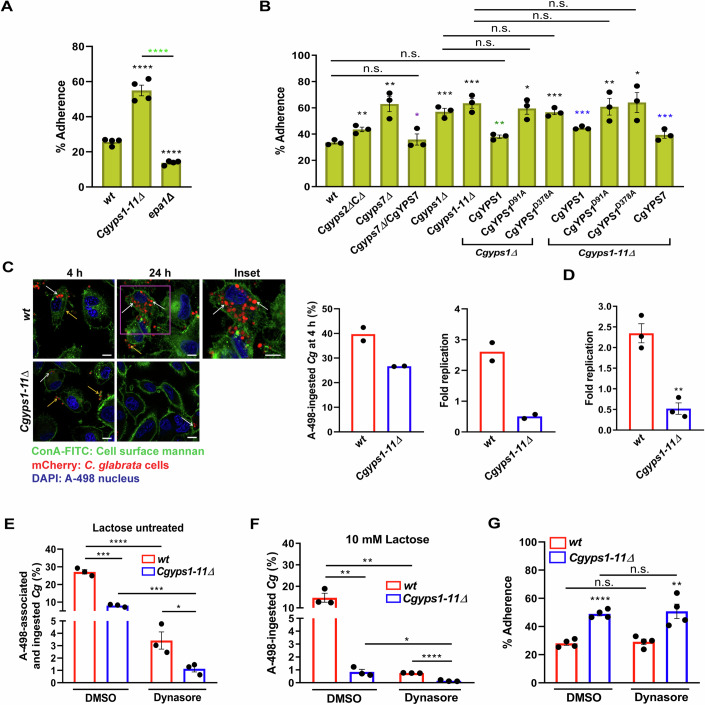
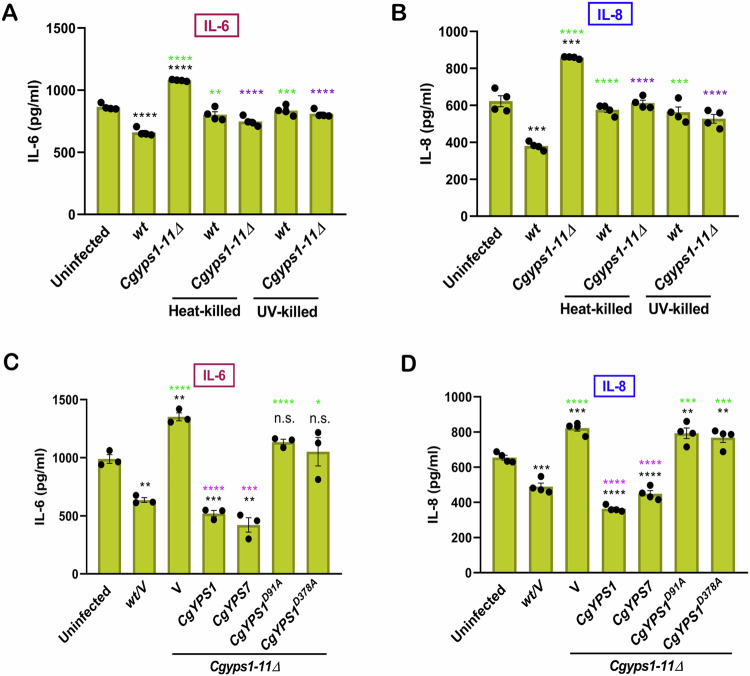
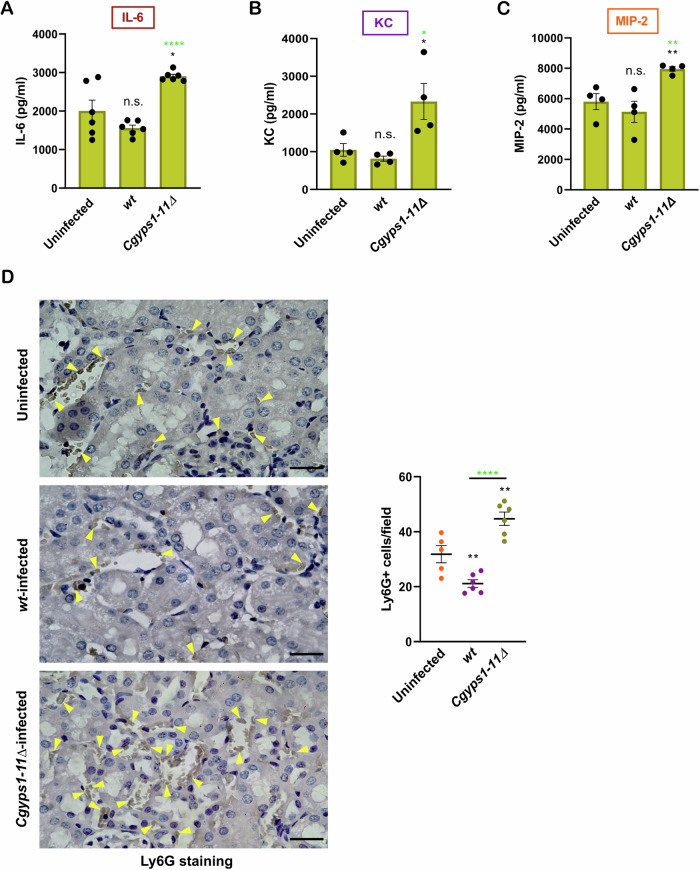
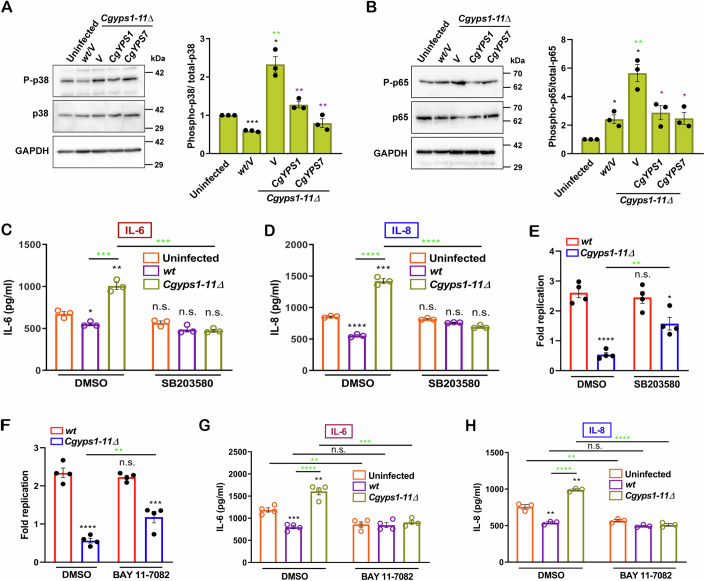
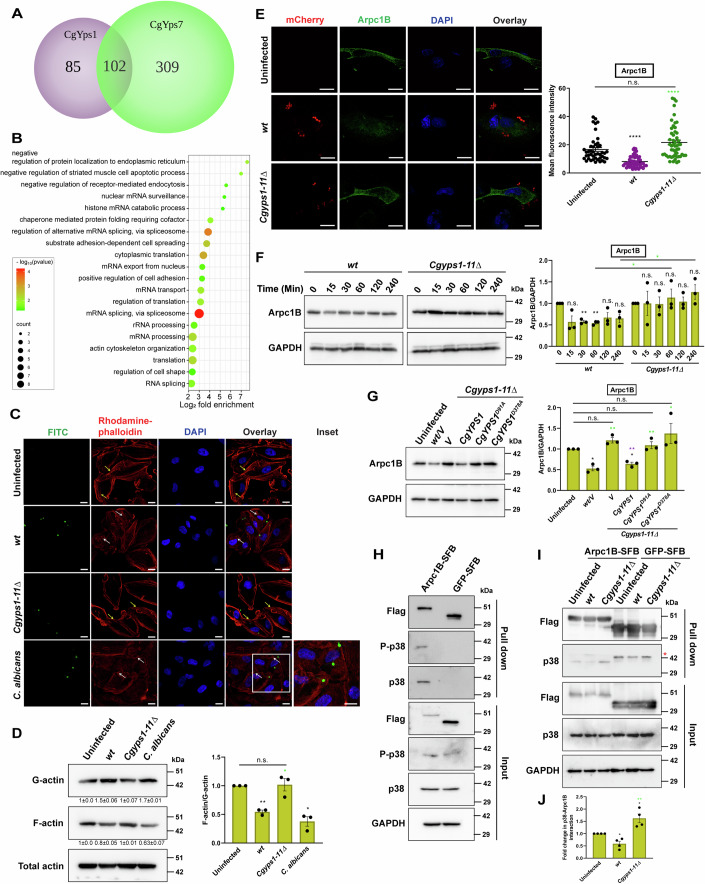
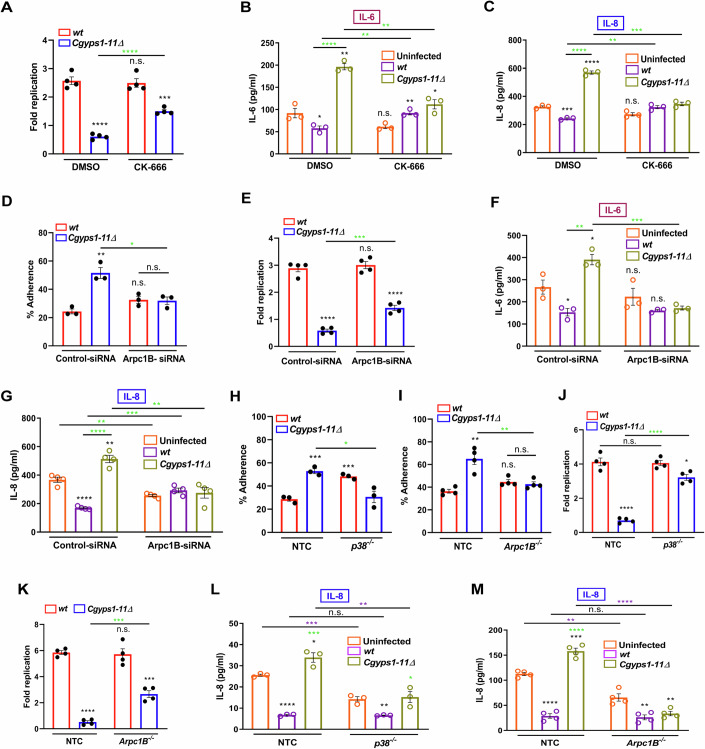
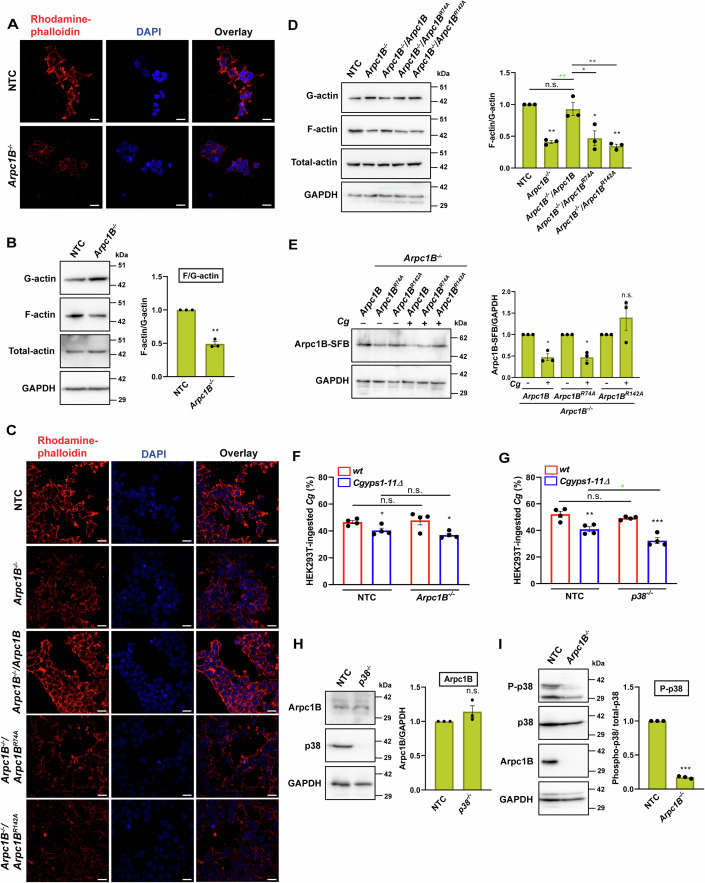
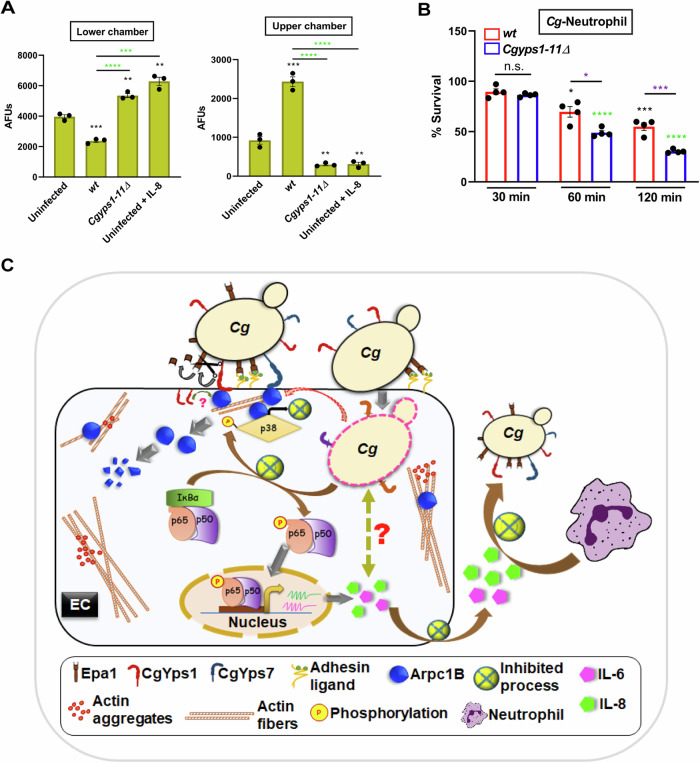
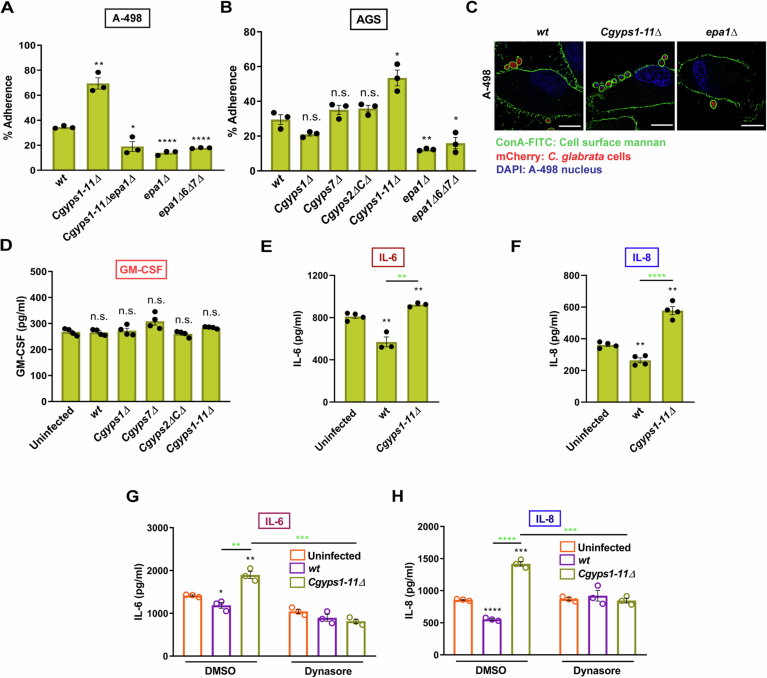
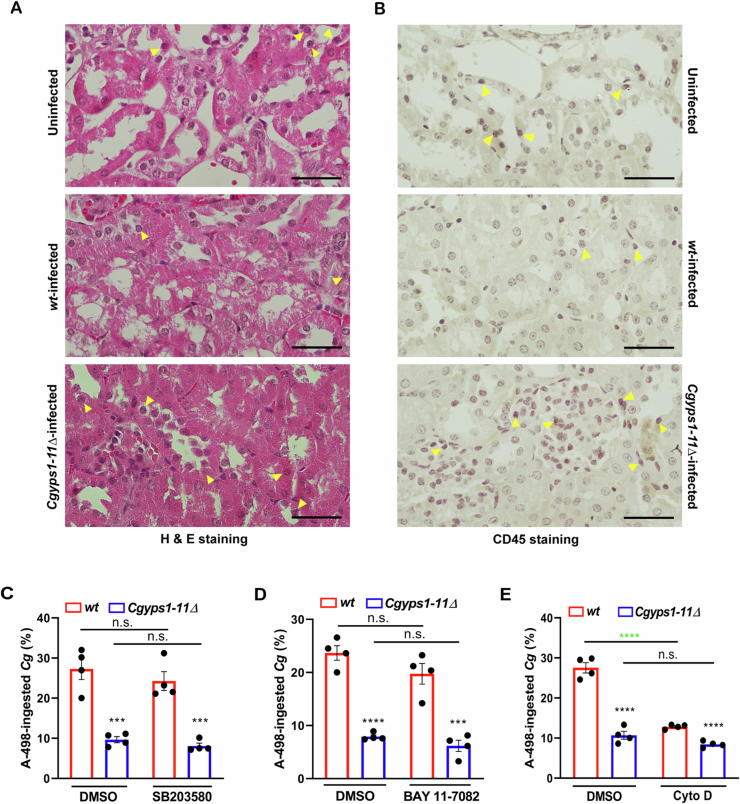
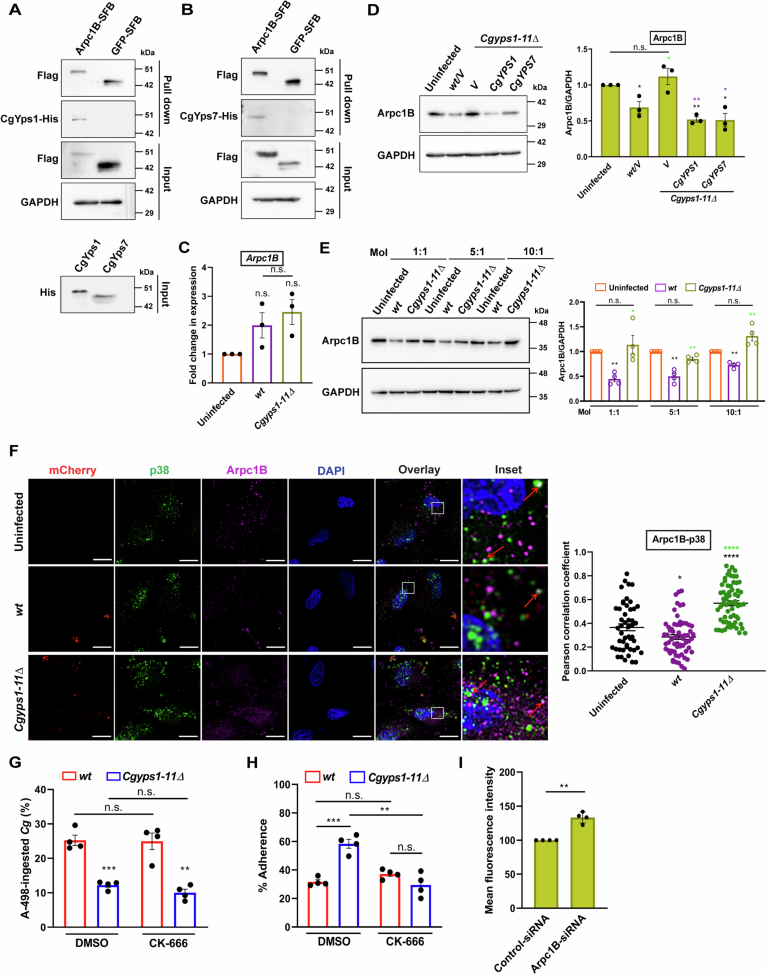
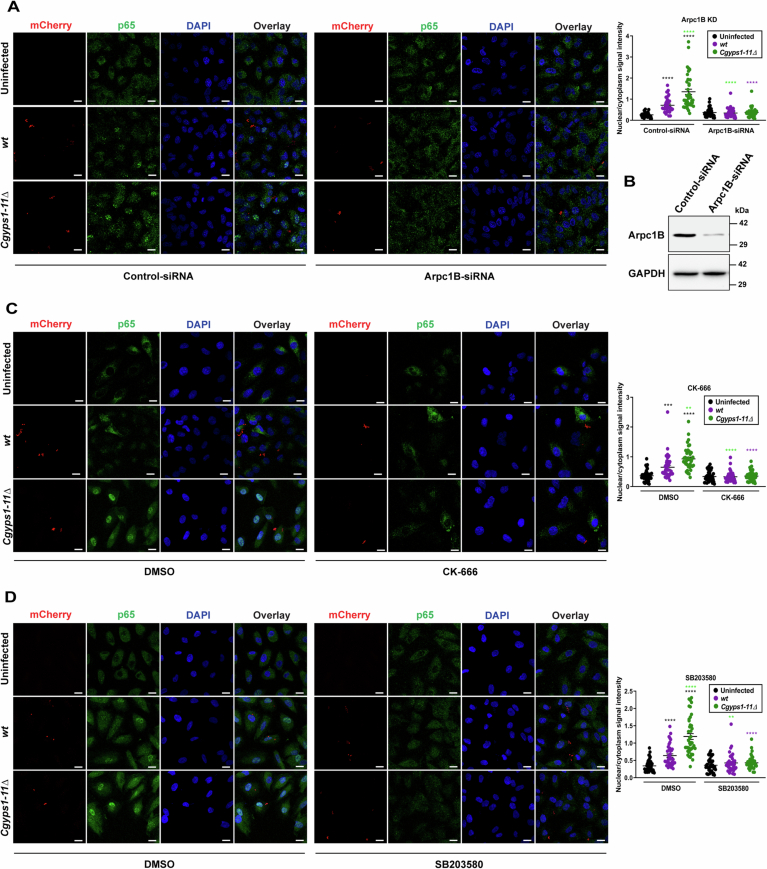
Epithelial-immune cell communication is pivotal to control microbial infections. We show that glycosylphosphatidylinositol-linked aspartyl proteases (Yapsins) of the human opportunistic pathogenic yeast Candida glabrata (Cg) thwart epithelial cell (EC)-neutrophil signalling by targeting the EC protein, Arpc1B (actin nucleator Arp2/3 complex subunit), which leads to actin disassembly and impeded IL-8 secretion by ECs. Further, the diminished IL-8 secretion inhibits neutrophil migration, and protects Cg from the neutrophil-mediated killing. CgYapsin-dependent Arpc1B degradation requires Arginine-142 in Arpc1B, and leads to reduced Arpc1B-p38 MAPK interaction and downregulated p38 signalling. Consistently, Arpc1B or p38 deletion promotes survival of the Cg aspartyl protease-deficient mutant in ECs. Importantly, kidneys of the protease-deficient mutant-infected mice display elevated immune cell infiltration and cytokine secretion, implicating CgYapsins in immune response suppression in vivo. Besides delineating Cg-EC interplay, our results uncover a novel target, Arpc1B, that pathogens attack to constrain the host signalling networks, and link Arpc1B mechanistically with p38 activation.
上皮细胞-免疫细胞通讯对于控制微生物感染至关重要。我们发现,人类机会致病菌光滑假丝酵母(Candida glabrata)的糖基磷脂酰肌醇连接的天冬氨酸蛋白酶(Yapsins)通过靶向上皮细胞(EC)蛋白 Arpc1B(肌动蛋白成核 Arp2/3 复合物亚基)来破坏 EC-中性粒细胞信号通路,导致肌动蛋白解聚和 EC 中 IL-8 分泌受阻。此外,IL-8 分泌减少抑制中性粒细胞迁移,并保护 Cg 免受中性粒细胞介导的杀伤。CgYapsin 依赖的 Arpc1B 降解需要 Arpc1B 中的精氨酸 142,导致 Arpc1B-p38 MAPK 相互作用减少和 p38 信号下调。一致地,Arpc1B 或 p38 的缺失促进了 Cg 天冬氨酸蛋白酶缺失突变体在 EC 中的存活。重要的是,缺乏蛋白酶的突变体感染的小鼠肾脏显示免疫细胞浸润和细胞因子分泌增加,表明 CgYapsins 在体内抑制免疫反应。除了描绘 Cg-EC 相互作用外,我们的结果还揭示了一个新的靶标 Arpc1B,病原体攻击该靶标以限制宿主信号网络,并将 Arpc1B 与 p38 激活在机制上联系起来。