Taddi Vishnu V, Kohli Ravshish K, Puri Pooja
Amity Institute of Forensic Sciences, Amity University, Noida 201313, India.
World J Clin Pediatr. 2024 Sep 9;13(3):97501. doi: 10.5409/wjcp.v13.i3.97501.
Mental illness is a health challenge faced by adolescents that has grown worse after the Coronavirus disease 2019 pandemic. Research on social media and young people's mental health has recently increased, and numerous studies have examined whether frequent use of social media is linked to issues such as anxiety, stress, depression, eating disorders, insomnia, frustration, feeling alone, and externalizing problems among adolescents. This influence of social media on adolescents' lives is clear, with many platforms like Facebook, Instagram, and YouTube playing an important role in daily interactions and self-expression. Even though social media offers numerous benefits, such as connectivity and information sharing, excessive usage can have detrimental effects on mental health, particularly among adolescents.
To study the impact of social media on the mental wellbeing of adolescents, and the associated potential dangers in India.
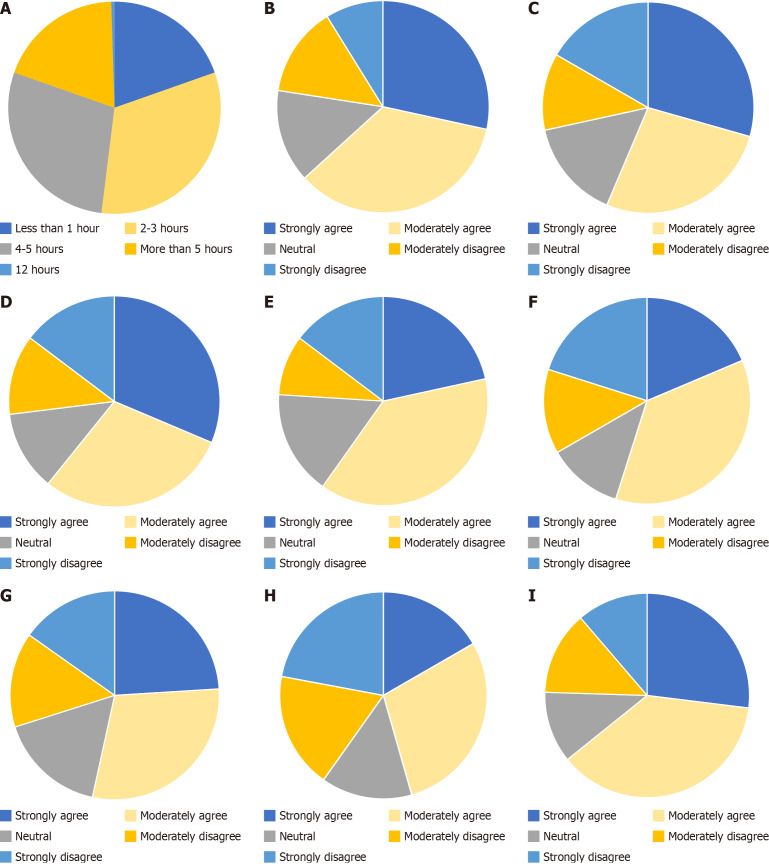
A total of 204 adolescents aged 14 years to 23 years were included in the study. This study explored the intricate relationship between social media usage and adolescent mental health in India. The study employs a cross-sectional survey design to capture a snapshot of adolescent mental health and social media usage patterns. Data collection involved administering structured questionnaires and the analysis utilized quantitative methods, including descriptive statistics.
Excessive use of social media is correlated with increased stress, anxiety, and depression. Adolescents engage in compulsive behaviors such as scrolling in the middle of the night, which negatively impacts their mental and physical health, and leads to significant sleep disruption. Findings from the study aim to provide insights into the current state of adolescent mental health and inform strategies to promote positive wellbeing in the Indian population.
The study underscores the need for further research to better understand the complex interplay between social media and adolescent mental health, and need for effective strategies to combat online harassment.
精神疾病是青少年面临的一项健康挑战,在2019年冠状病毒病大流行后情况变得更糟。最近,关于社交媒体与年轻人心理健康的研究有所增加,许多研究探讨了频繁使用社交媒体是否与青少年的焦虑、压力、抑郁、饮食失调、失眠、沮丧、孤独感以及外化问题等有关。社交媒体对青少年生活的这种影响是显而易见的,像脸书、照片墙和优兔等许多平台在日常互动和自我表达中发挥着重要作用。尽管社交媒体带来了诸多益处,如建立联系和信息共享,但过度使用可能会对心理健康产生有害影响,尤其是对青少年而言。
研究社交媒体对印度青少年心理健康的影响以及相关的潜在危险。
共有204名年龄在14岁至23岁之间的青少年参与了该研究。本研究探讨了印度社交媒体使用与青少年心理健康之间的复杂关系。该研究采用横断面调查设计,以获取青少年心理健康和社交媒体使用模式的概况。数据收集包括发放结构化问卷,分析采用定量方法,包括描述性统计。
过度使用社交媒体与压力、焦虑和抑郁的增加相关。青少年会出现诸如半夜刷屏等强迫行为,这对他们的身心健康产生负面影响,并导致严重的睡眠障碍。该研究的结果旨在深入了解青少年心理健康的现状,并为促进印度人群积极健康的策略提供信息。
该研究强调需要进一步开展研究,以更好地理解社交媒体与青少年心理健康之间的复杂相互作用,以及制定有效策略来应对网络骚扰的必要性。