Neeli Praveen, Maza Perry Ayn Mayson A, Chai Dafei, Zhao Dan, Hoi Xen Ping, Chan Keith Syson, Young Ken H, Li Yong
Department of Medicine, Baylor College of Medicine, Houston, TX, 77030, USA.
Department of Urology, Neal Cancer Center, Houston Methodist Research Institute, Houston, TX, USA.
NPJ Vaccines. 2024 Oct 1;9(1):180. doi: 10.1038/s41541-024-00979-w.
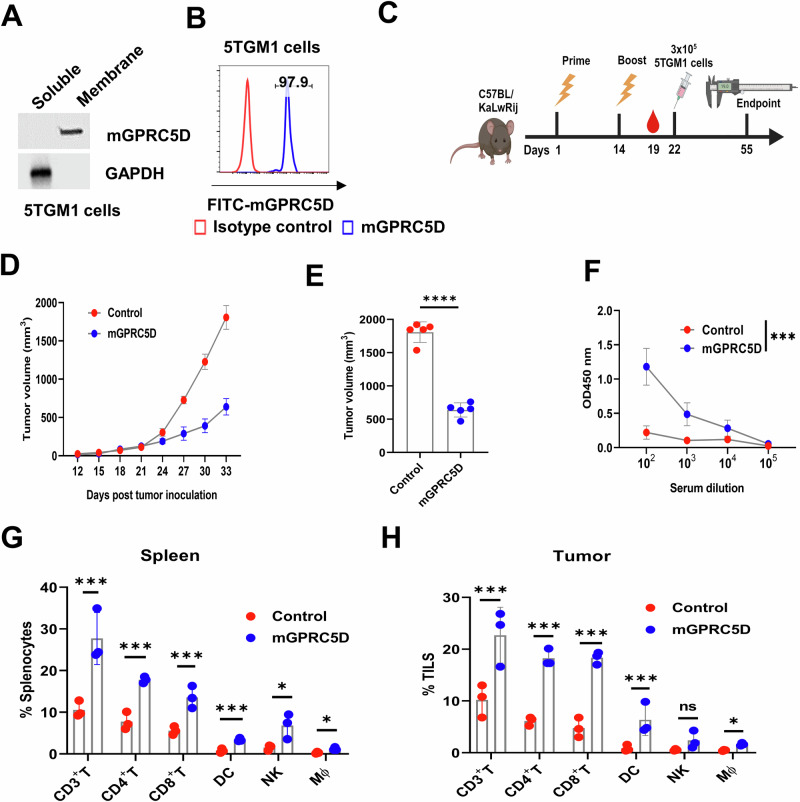
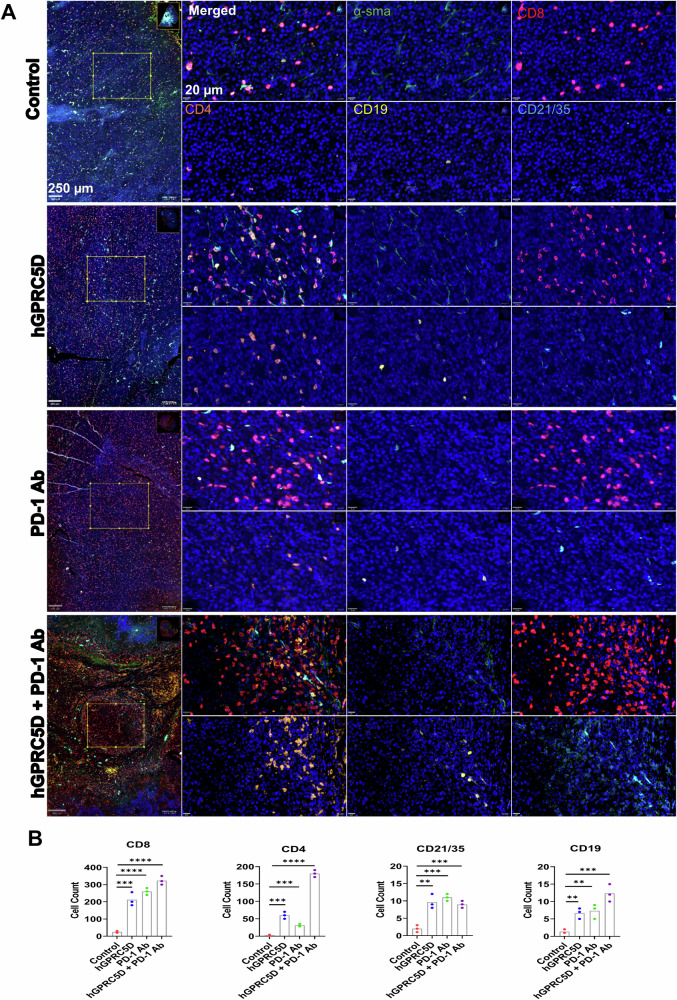
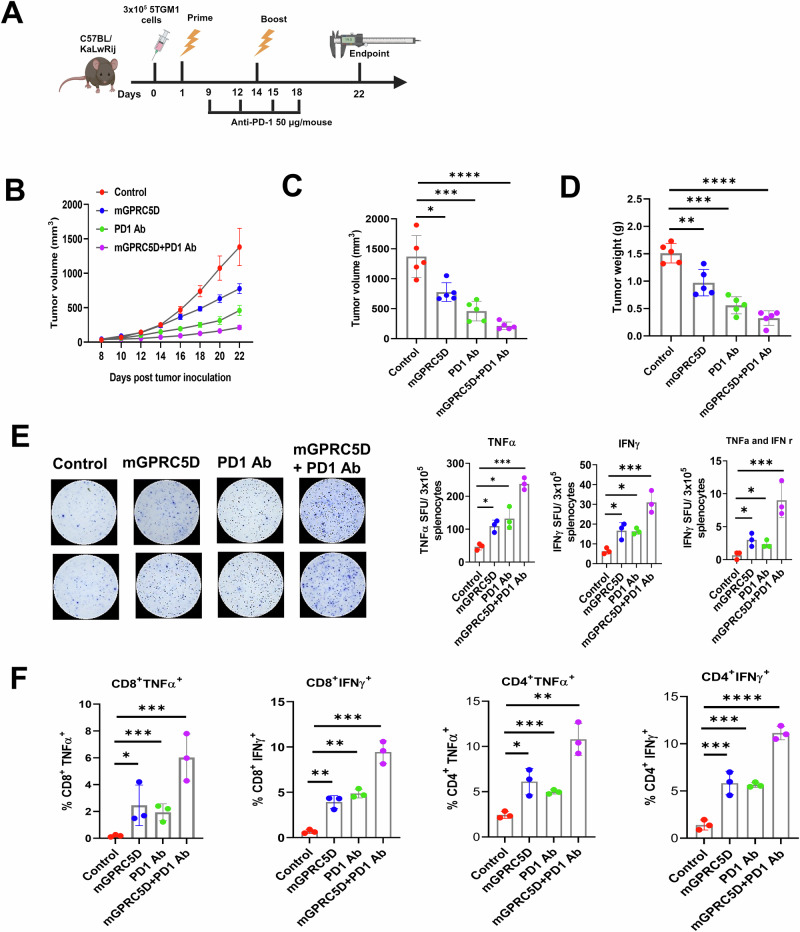
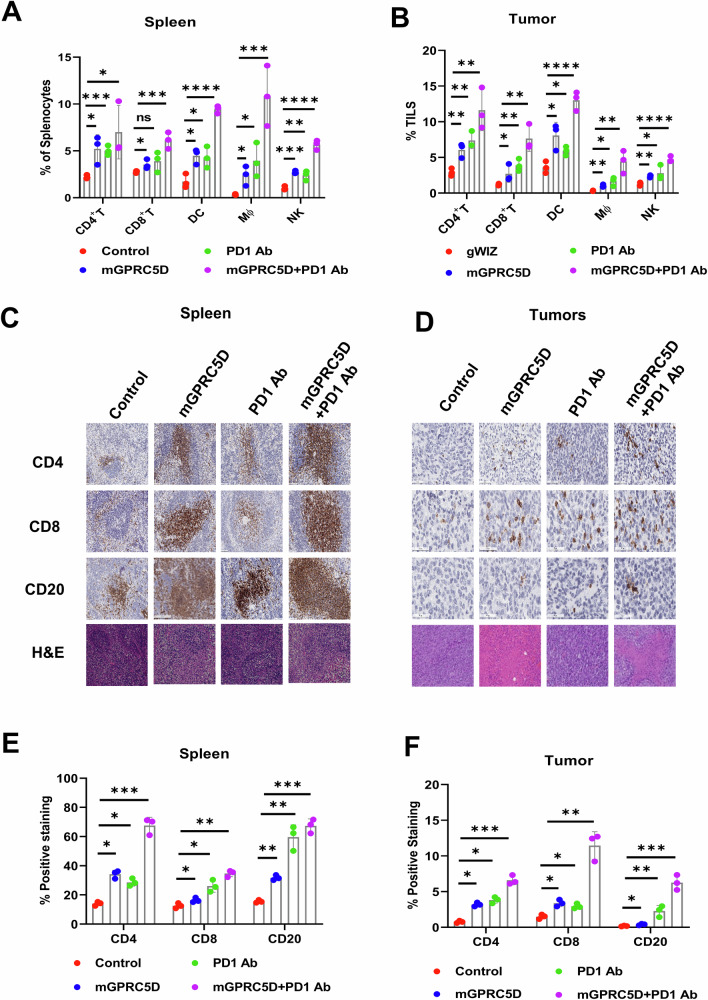
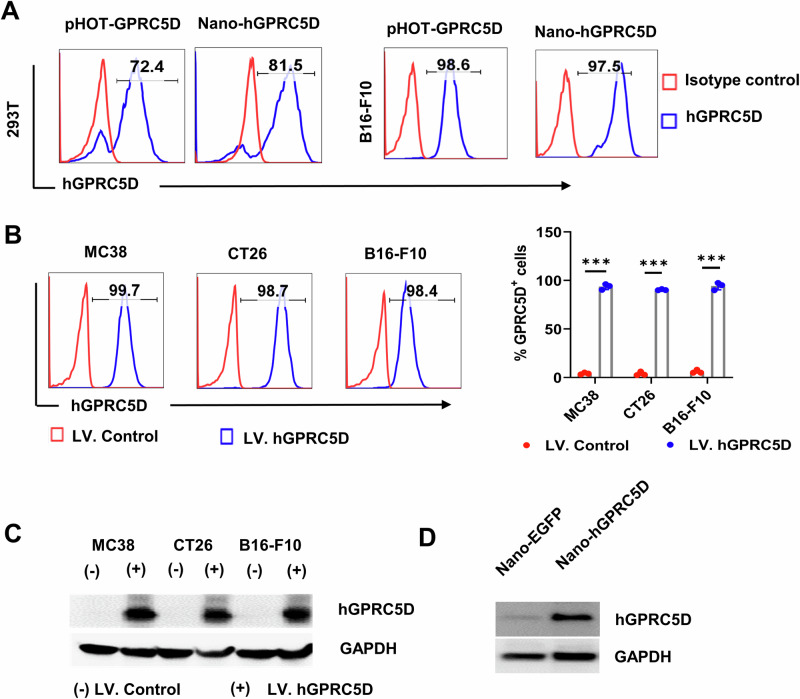
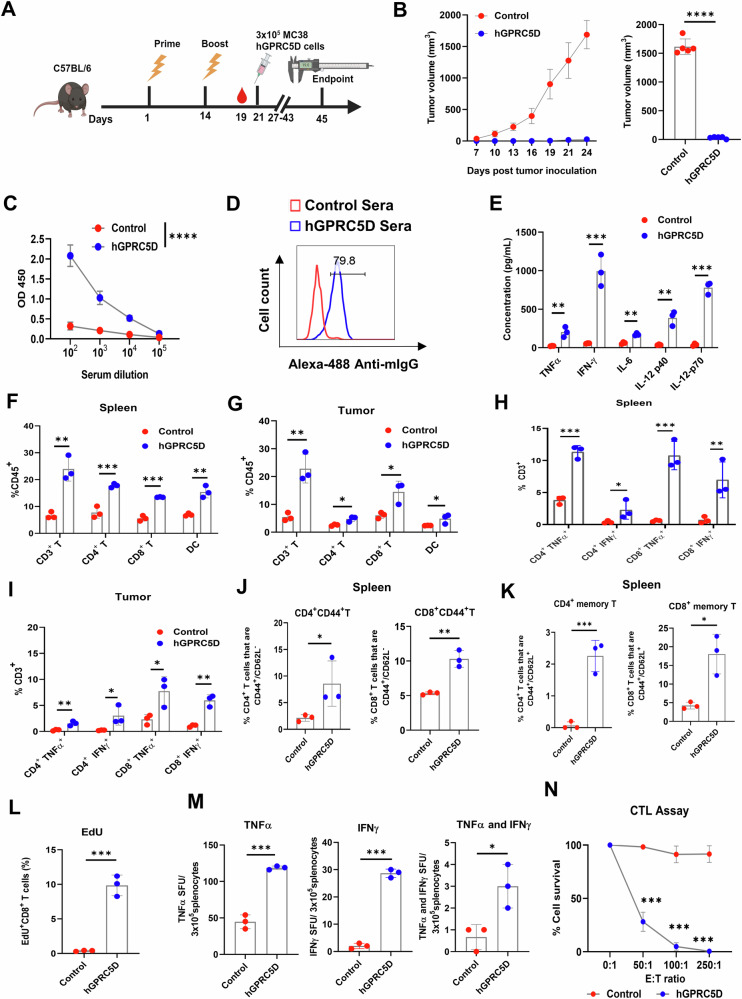
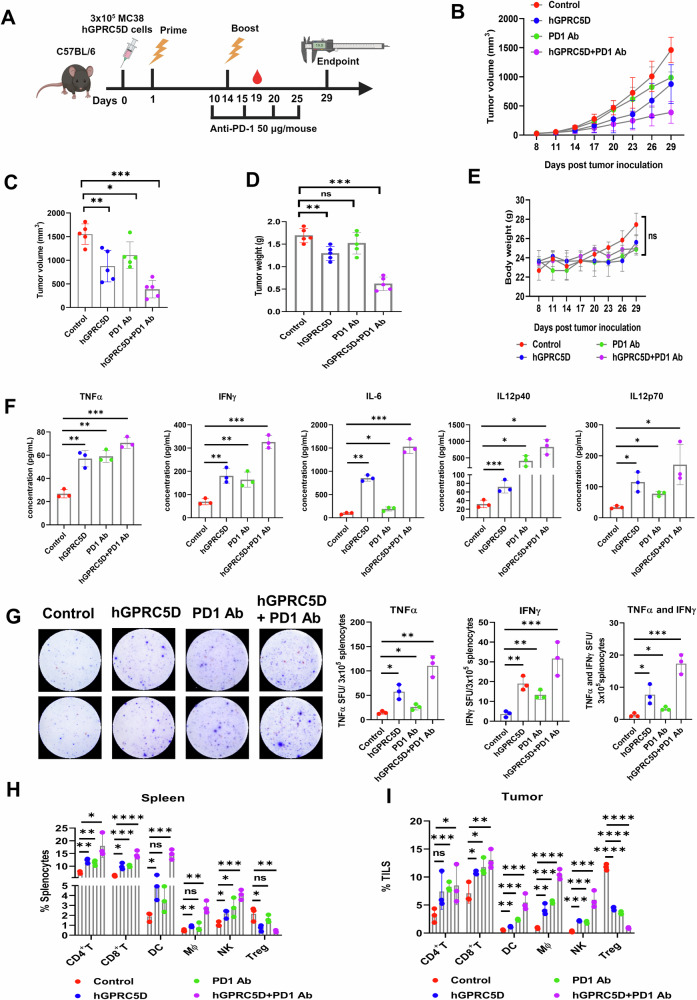
Multiple myeloma (MM), a hematological malignancy of the bone marrow, remains largely incurable. The orphan G protein-coupled receptor, GPRC5D, which is uniquely expressed in plasma cells and highly expressed in MM, is a compelling candidate for immunotherapy. In this study, we investigated the efficacy of a combination of DNA vaccine encoding mouse GPRC5D and PD-1 blockade in preventing and treating MM using the 5TGM1 murine model of MM. The mouse vaccine alone was effective in preventing myeloma growth but required PD-1 antibodies to inhibit established MM tumors. We next evaluated the prophylactic and therapeutic efficacy of a nanoplasmid vector encoding human GPRC5D in several murine syngeneic tumor models. Similar results for tumor inhibition were observed, as human GPRC5D-specific T cells and antibodies were induced by DNA vaccines. Taken together, these findings underscore the potential of GPRC5D-targeted DNA vaccines as versatile platforms for the treatment and prevention of MM.
多发性骨髓瘤(MM)是一种骨髓血液系统恶性肿瘤,目前在很大程度上仍无法治愈。孤儿G蛋白偶联受体GPRC5D在浆细胞中独特表达且在MM中高表达,是免疫治疗的一个极具吸引力的候选靶点。在本研究中,我们使用MM的5TGM1小鼠模型,研究了编码小鼠GPRC5D的DNA疫苗与PD-1阻断剂联合使用在预防和治疗MM方面的疗效。单独使用小鼠疫苗在预防骨髓瘤生长方面有效,但需要PD-1抗体来抑制已形成的MM肿瘤。接下来,我们在几种小鼠同基因肿瘤模型中评估了编码人GPRC5D的纳米质粒载体的预防和治疗效果。观察到了类似的肿瘤抑制结果,因为DNA疫苗可诱导人GPRC5D特异性T细胞和抗体。综上所述,这些发现强调了靶向GPRC5D的DNA疫苗作为治疗和预防MM的通用平台的潜力。