Department of Genetics, Stanford University, Stanford, CA, USA.
Developmental Biology Graduate Program, Stanford University, Stanford, CA, USA.
Nature. 2024 Oct;634(8036):1150-1159. doi: 10.1038/s41586-024-07972-2. Epub 2024 Oct 2.
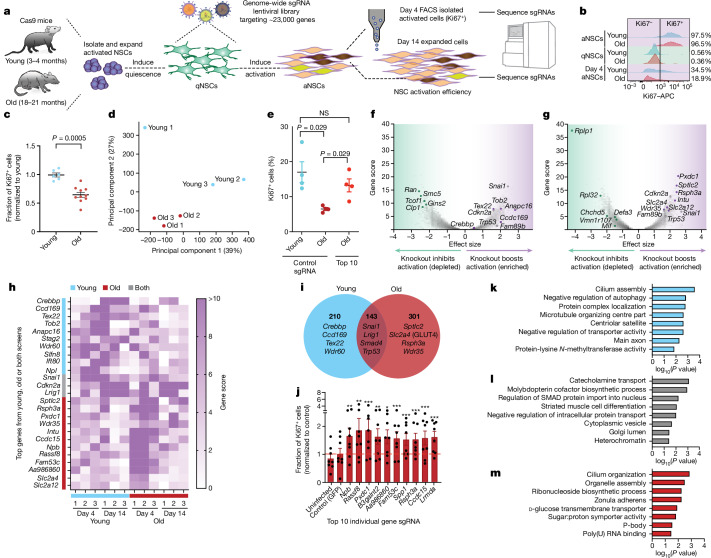
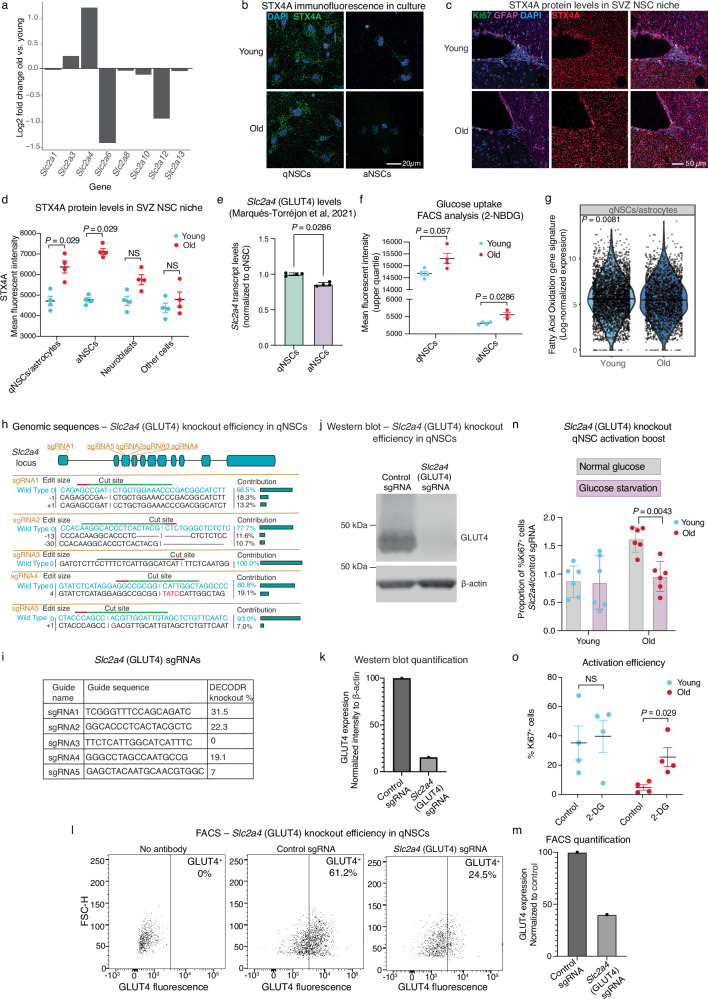
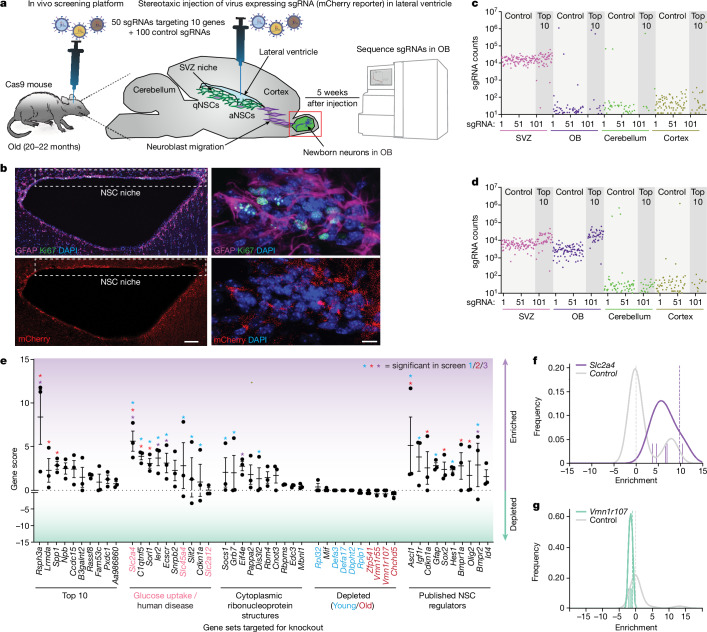
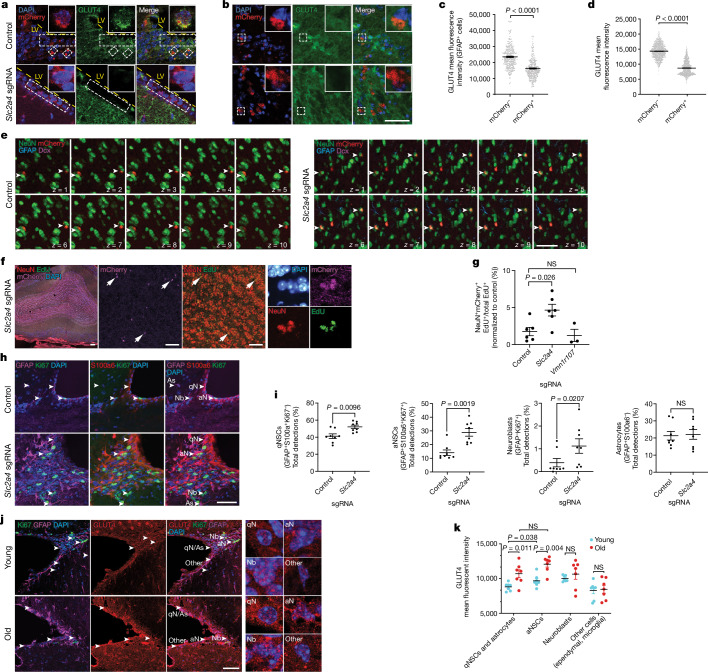
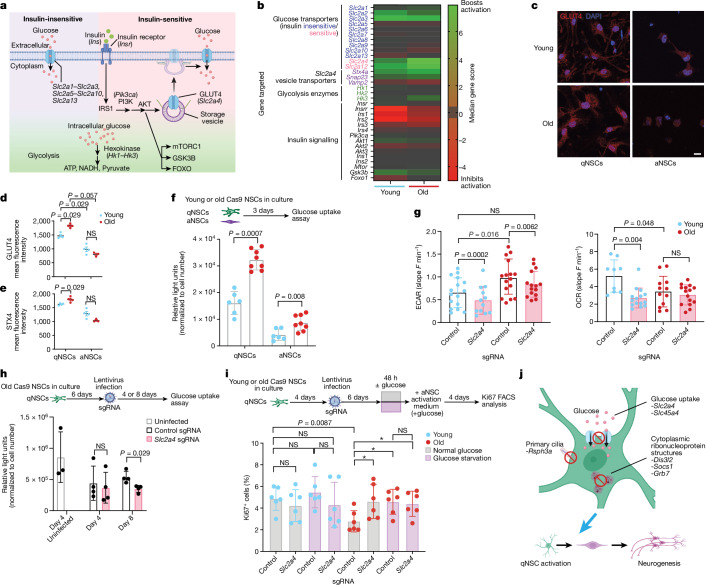
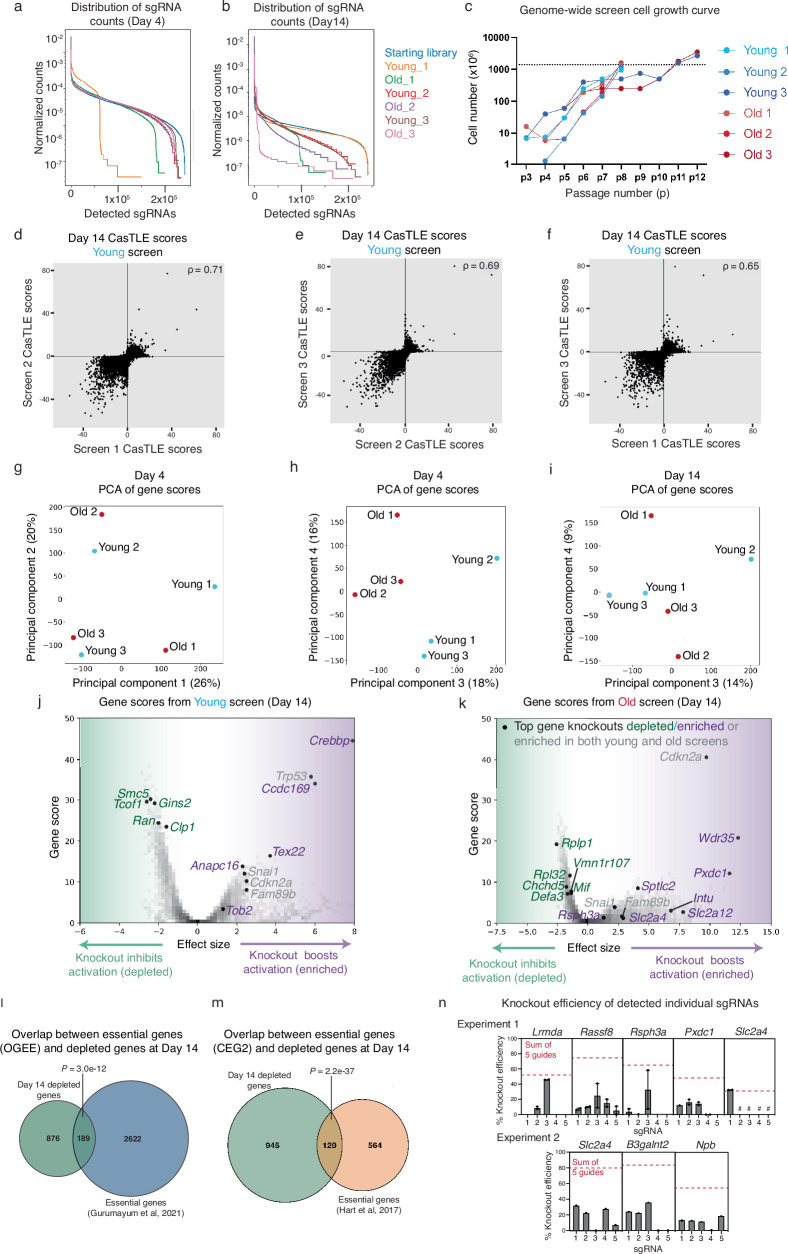
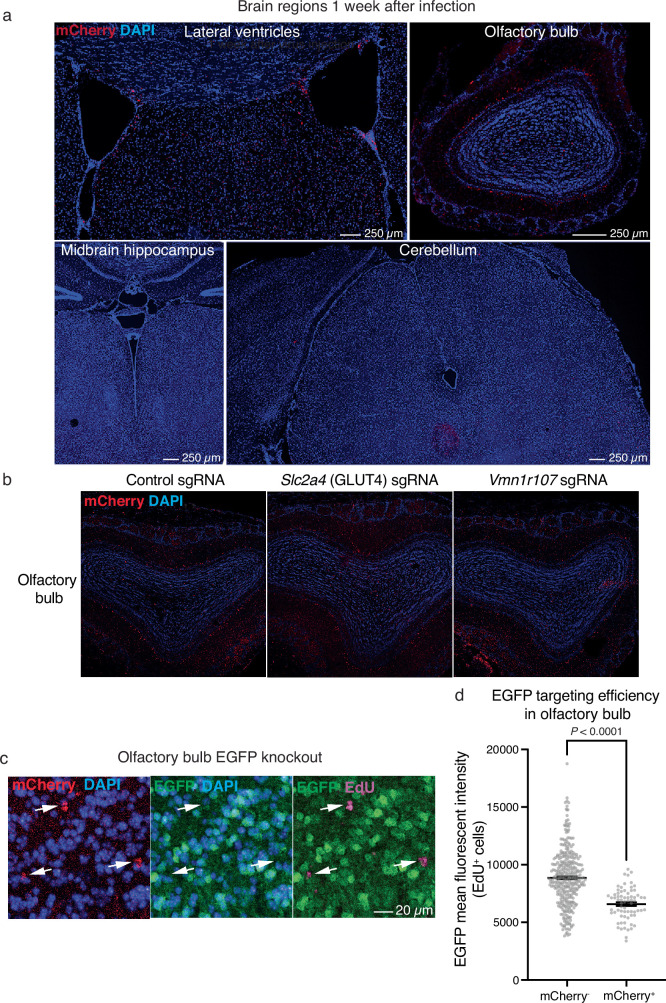
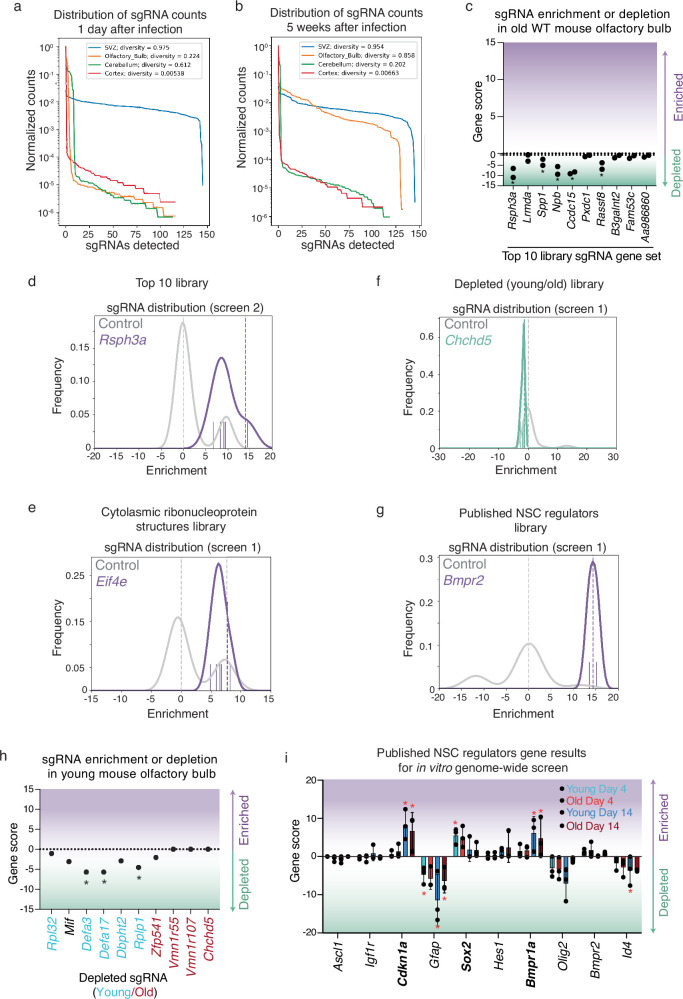
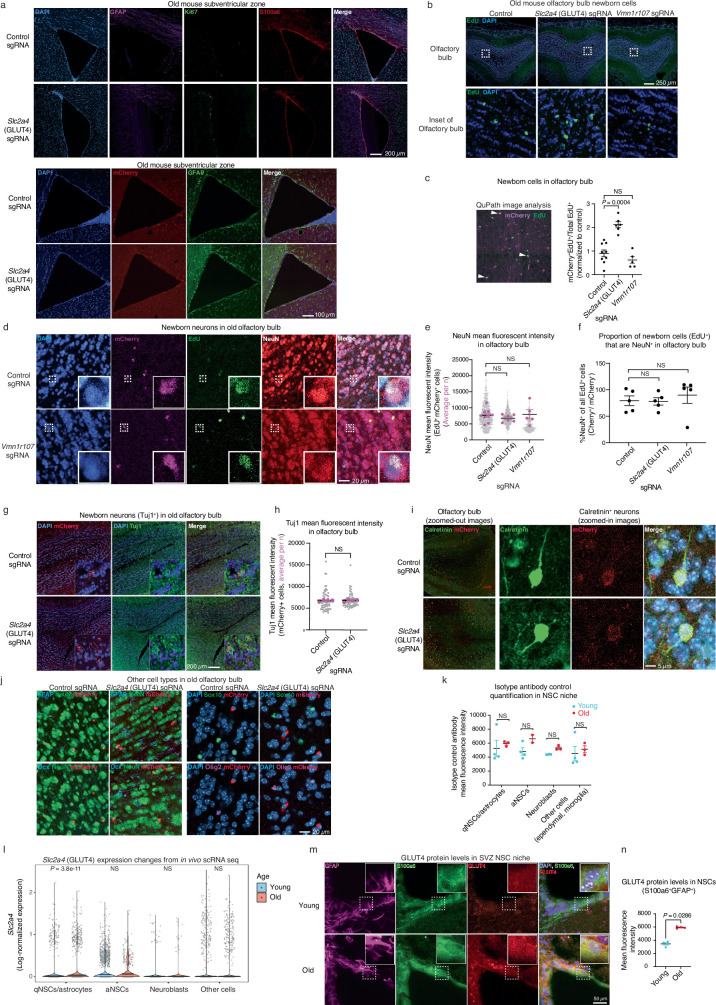
Ageing impairs the ability of neural stem cells (NSCs) to transition from quiescence to proliferation in the adult mammalian brain. Functional decline of NSCs results in the decreased production of new neurons and defective regeneration following injury during ageing. Several genetic interventions have been found to ameliorate old brain function, but systematic functional testing of genes in old NSCs-and more generally in old cells-has not been done. Here we develop in vitro and in vivo high-throughput CRISPR-Cas9 screening platforms to systematically uncover gene knockouts that boost NSC activation in old mice. Our genome-wide screens in primary cultures of young and old NSCs uncovered more than 300 gene knockouts that specifically restore the activation of old NSCs. The top gene knockouts are involved in cilium organization and glucose import. We also establish a scalable CRISPR-Cas9 screening platform in vivo, which identified 24 gene knockouts that boost NSC activation and the production of new neurons in old brains. Notably, the knockout of Slc2a4, which encodes the GLUT4 glucose transporter, is a top intervention that improves the function of old NSCs. Glucose uptake increases in NSCs during ageing, and transient glucose starvation restores the ability of old NSCs to activate. Thus, an increase in glucose uptake may contribute to the decline in NSC activation with age. Our work provides scalable platforms to systematically identify genetic interventions that boost the function of old NSCs, including in vivo, with important implications for countering regenerative decline during ageing.
衰老会削弱成年哺乳动物大脑中神经干细胞(NSC)从静止状态向增殖状态转变的能力。NSC 的功能下降会导致新神经元的产生减少,并在衰老过程中受伤后再生缺陷。已经发现几种遗传干预措施可以改善老年大脑功能,但尚未对老年 NSCs 中的基因进行系统的功能测试——更普遍地说,对老年细胞中的基因进行系统的功能测试。在这里,我们开发了体外和体内高通量 CRISPR-Cas9 筛选平台,以系统地发现可增强老年小鼠 NSC 激活的基因敲除。我们对年轻和老年 NSCs 的原代培养物进行的全基因组筛选发现了 300 多个基因敲除,这些基因敲除特异性地恢复了老年 NSCs 的激活。排名靠前的基因敲除与纤毛组织和葡萄糖摄取有关。我们还在体内建立了可扩展的 CRISPR-Cas9 筛选平台,该平台确定了 24 种基因敲除,可增强老年大脑中 NSC 的激活和新神经元的产生。值得注意的是,编码 GLUT4 葡萄糖转运蛋白的 Slc2a4 的基因敲除是一种提高老年 NSCs 功能的顶级干预措施。衰老过程中 NSCs 中的葡萄糖摄取增加,短暂的葡萄糖饥饿恢复了老年 NSCs 的激活能力。因此,葡萄糖摄取的增加可能是导致 NSC 随年龄激活能力下降的原因之一。我们的工作提供了可扩展的平台,可系统地识别可增强老年 NSCs 功能的遗传干预措施,包括体内干预措施,这对对抗衰老过程中的再生能力下降具有重要意义。