Tandon Akrati, Baral Budhadev, Saini Vaishali, Kandpal Meenakshi, Dixit Amit Kumar, Parmar Hamendra Singh, Meena Ajay Kumar, Chandra Jha Hem
Infection Bioengineering Group, Department of Biosciences and Biomedical Engineering, Indian Institute of Technology Indore, Simrol, Indore, Madhya Pradesh, 453552, India.
Central Ayurveda Research Institute, Kolkata, 4-CN Block, Sector -V, Bidhannagar, Kolkata, 700 091, India.
Heliyon. 2024 Sep 17;10(18):e37585. doi: 10.1016/j.heliyon.2024.e37585. eCollection 2024 Sep 30.
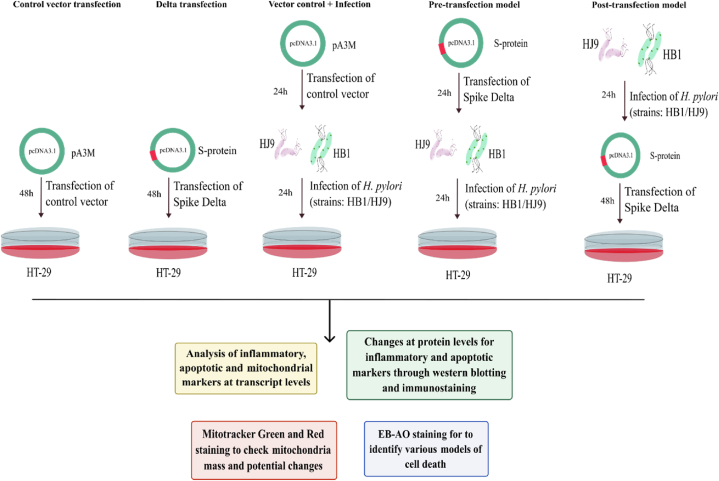
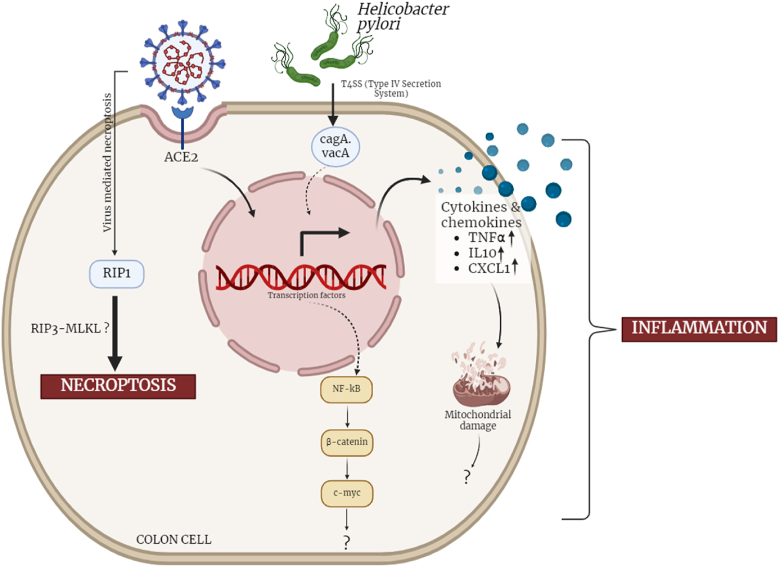
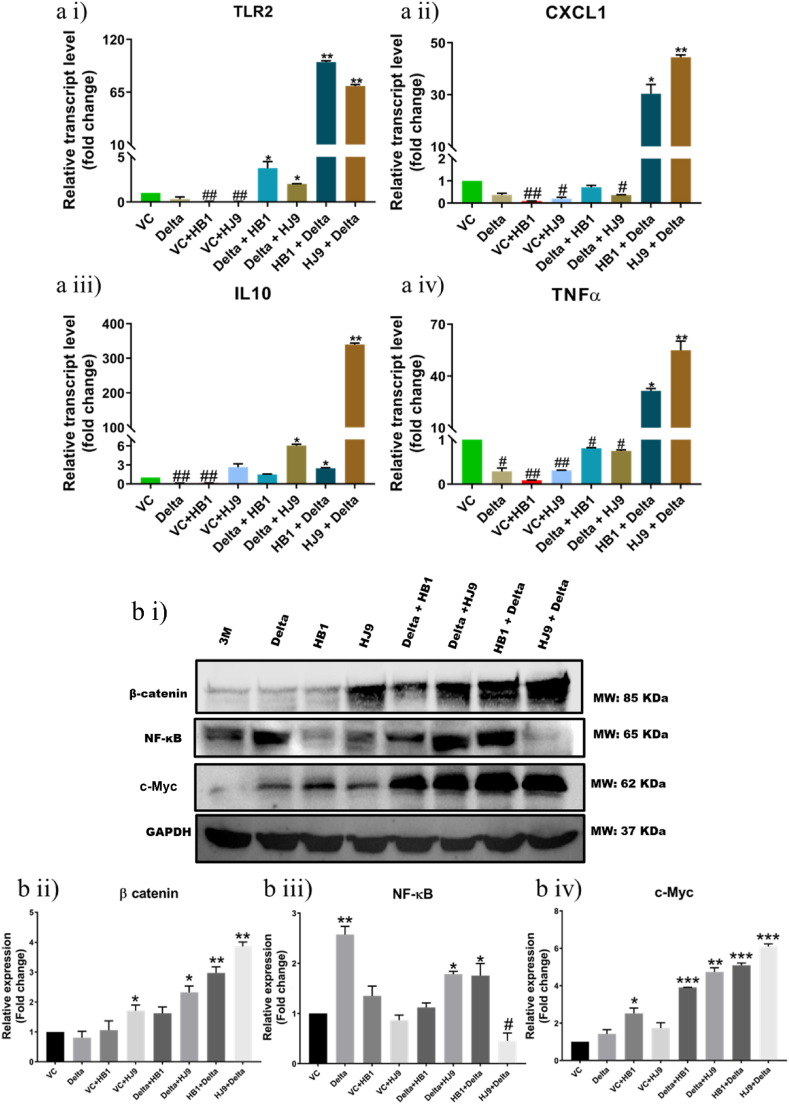
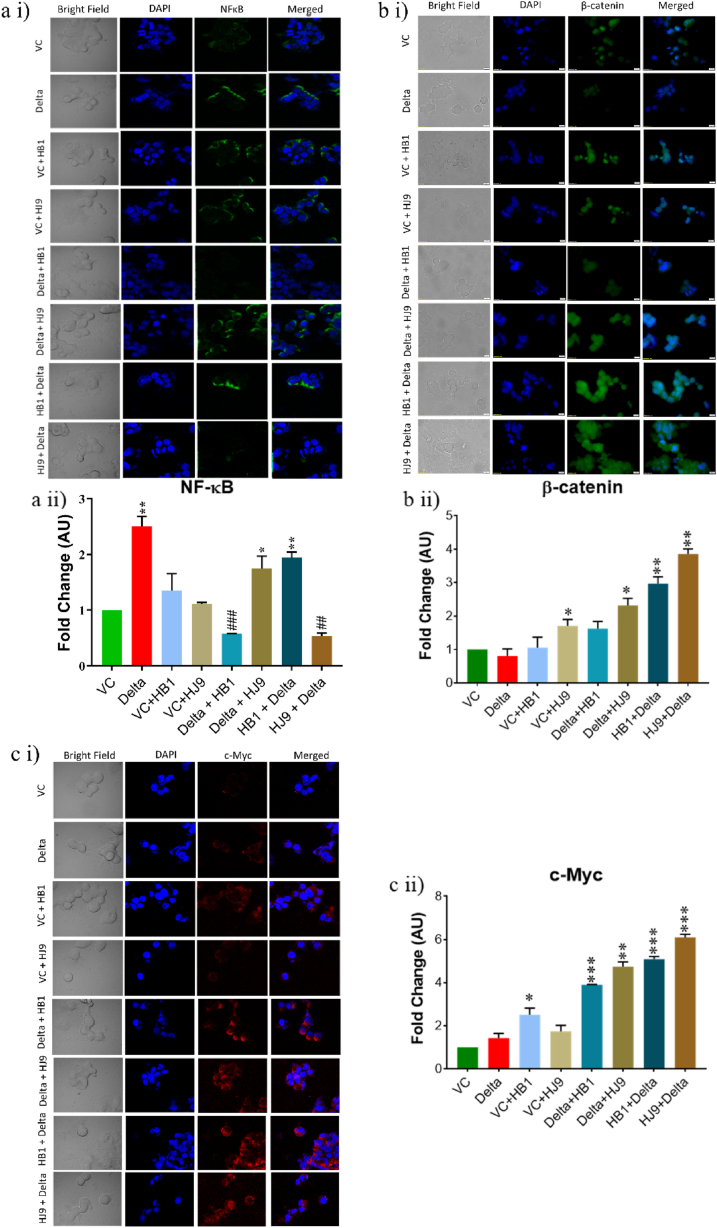
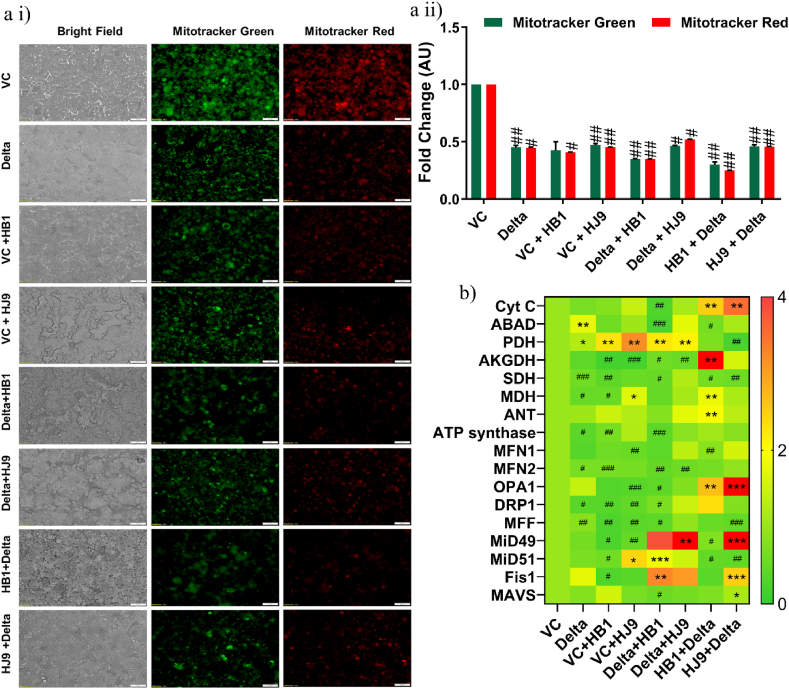
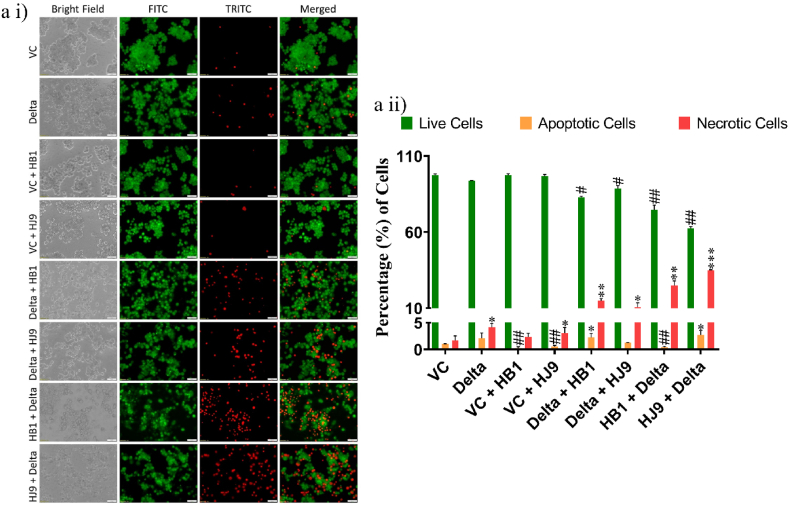
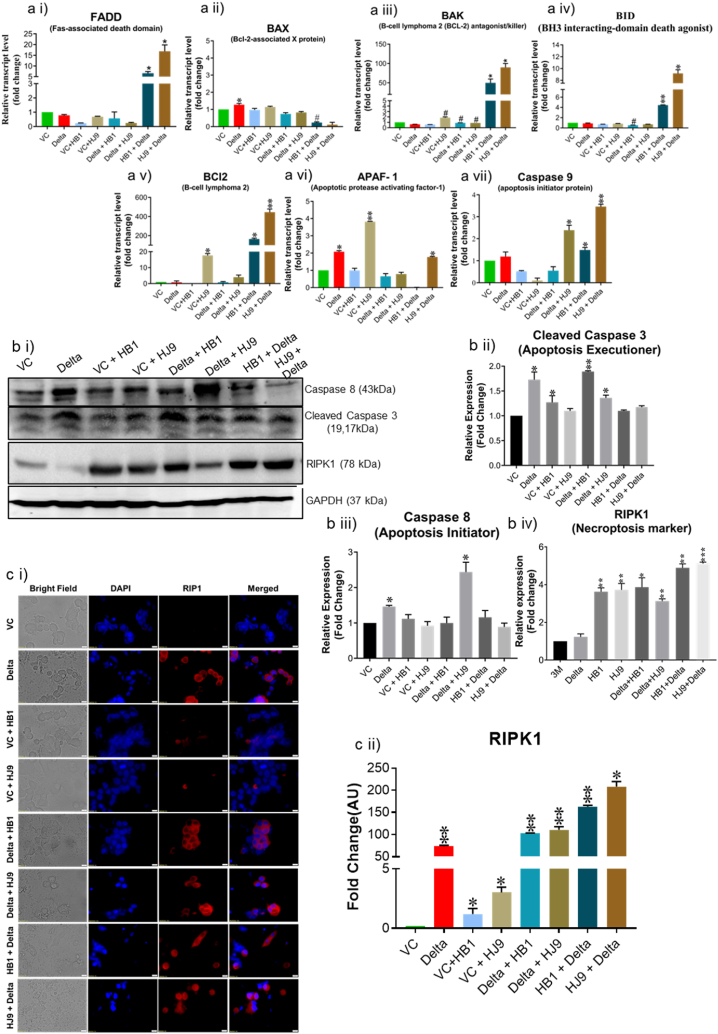
Coinfection of pathogenic bacteria and viruses is associated with multiple diseases. During the COVID-19 pandemic, the co-infection of other pathogens with SARS-CoV-2 was one of the important determinants of the severity. Although primarily a respiratory virus gastric manifestation of the SARS-CoV-2 infection was widely reported. This study highlights the possible consequences of SARS-CoV-2 - coinfection in the gastrointestinal cells. We utilized the transfection and infection model for SARS-CoV-2 spike Delta (δ) and respectively in colon carcinoma cell line HT-29 to develop the coinfection model to study inflammation, mitochondrial function, and cell death. The results demonstrate increased transcript levels of inflammatory markers like TLR2 (p < 0.01), IL10 (p < 0.05), TNFα (p < 0.05) and CXCL1 (p < 0.05) in pre- infected cells as compared to the control. The protein levels of the β-Catenin (p < 0.01) and c-Myc (p < 0.01) were also significantly elevated in pre- infected group in case of co-infection. Further investigation of apoptotic and necrotic markers (Caspase-3, Caspase-8, and RIP-1) reveals a necroptotic cell death in the coinfected cells. The infection and coinfection also damage the mitochondria in HT-29 cells, further implicating mitochondrial dysfunction in the necrotic cell death process. Our study also highlights the detrimental effect of pre- exposure in the coinfection model compared to post-exposure and lone infection of and SARS-CoV-2. This knowledge could aid in developing targeted interventions and therapeutic strategies to mitigate the severity of COVID-19 and improve patient outcomes.
病原菌和病毒的合并感染与多种疾病相关。在新冠疫情期间,其他病原体与严重急性呼吸综合征冠状病毒2(SARS-CoV-2)的合并感染是病情严重程度的重要决定因素之一。尽管SARS-CoV-2主要是一种呼吸道病毒,但该病毒感染的胃部表现也有广泛报道。本研究强调了SARS-CoV-2合并感染在胃肠道细胞中可能产生的后果。我们分别利用针对SARS-CoV-2刺突蛋白德尔塔(δ)的转染和感染模型,在结肠癌细胞系HT-29中建立合并感染模型,以研究炎症、线粒体功能和细胞死亡。结果表明,与对照组相比,预感染细胞中炎症标志物如Toll样受体2(TLR2,p < 0.01)、白细胞介素10(IL10,p < 0.05)、肿瘤坏死因子α(TNFα,p < 0.05)和CXC趋化因子配体1(CXCL1,p < 0.05)的转录水平升高。在合并感染的情况下,预感染组中β-连环蛋白(p < 0.01)和c-Myc(p < 0.01)的蛋白水平也显著升高。对凋亡和坏死标志物(半胱天冬酶-3、半胱天冬酶-8和受体相互作用蛋白1)的进一步研究揭示了合并感染细胞中的坏死性凋亡细胞死亡。感染和合并感染还会损害HT-29细胞中的线粒体,这进一步表明线粒体功能障碍参与了坏死性细胞死亡过程。我们的研究还强调了在合并感染模型中,与后暴露以及单独感染[未提及的病原体]和SARS-CoV-2相比,预暴露所产生的有害影响。这些知识有助于制定有针对性的干预措施和治疗策略,以减轻新冠病情的严重程度并改善患者预后。