Department of Marine Sciences, University of Connecticut, Groton, CT, 06340, USA.
BMC Genomics. 2024 Oct 4;25(1):932. doi: 10.1186/s12864-024-10847-5.
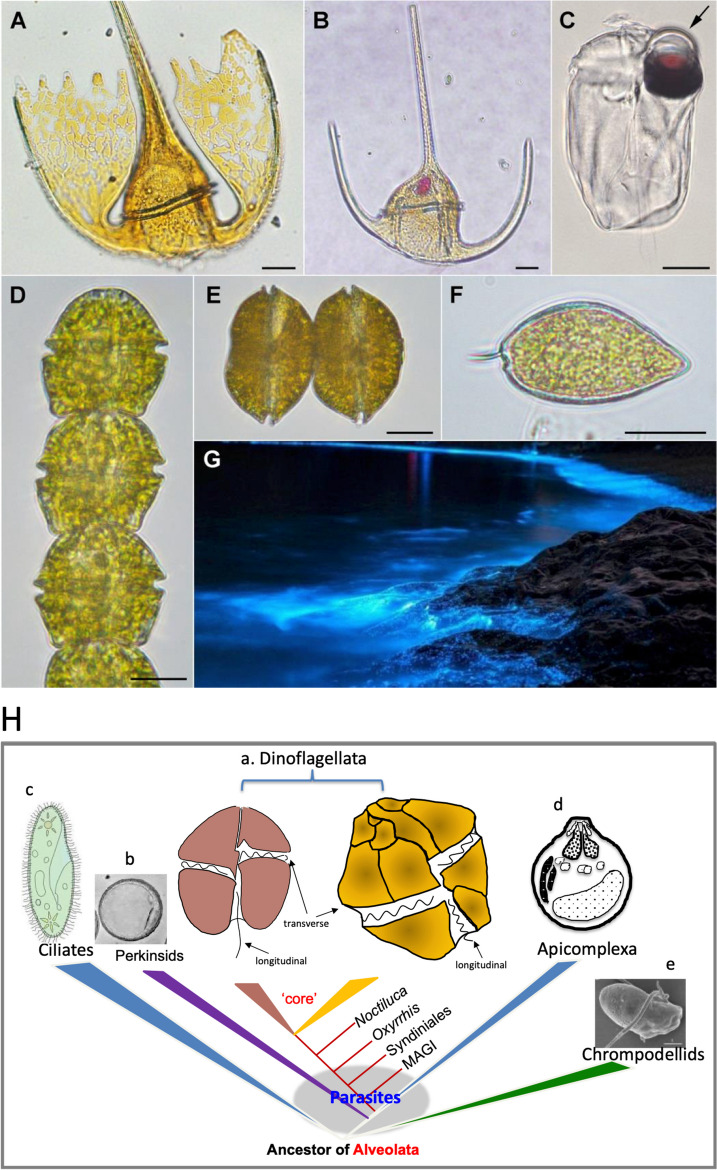
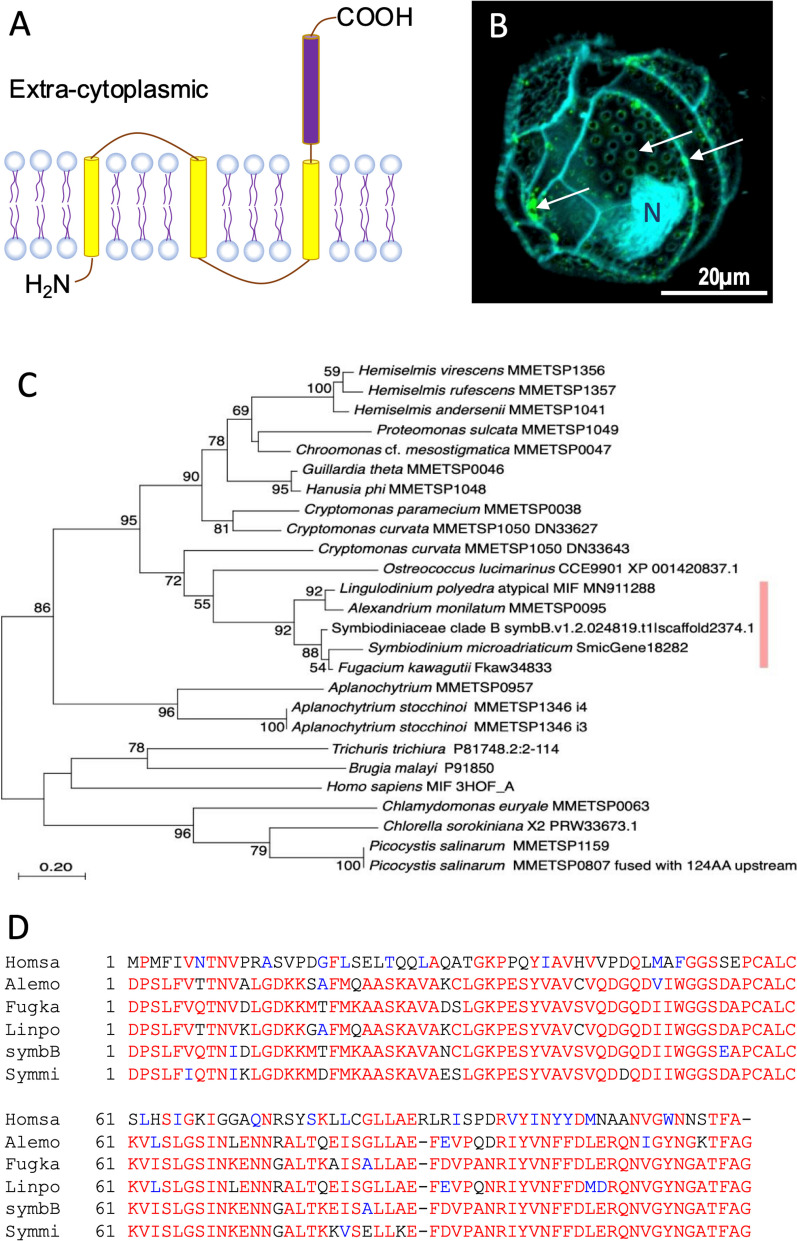
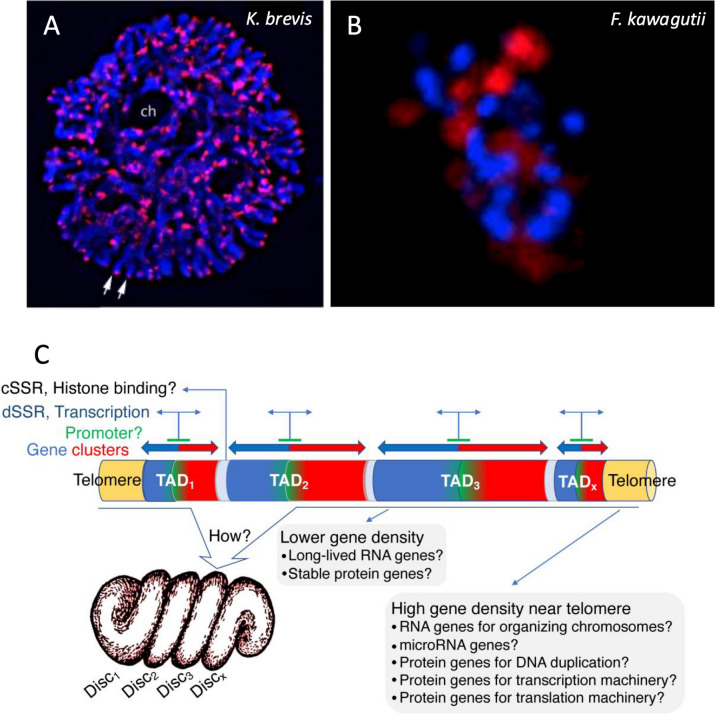
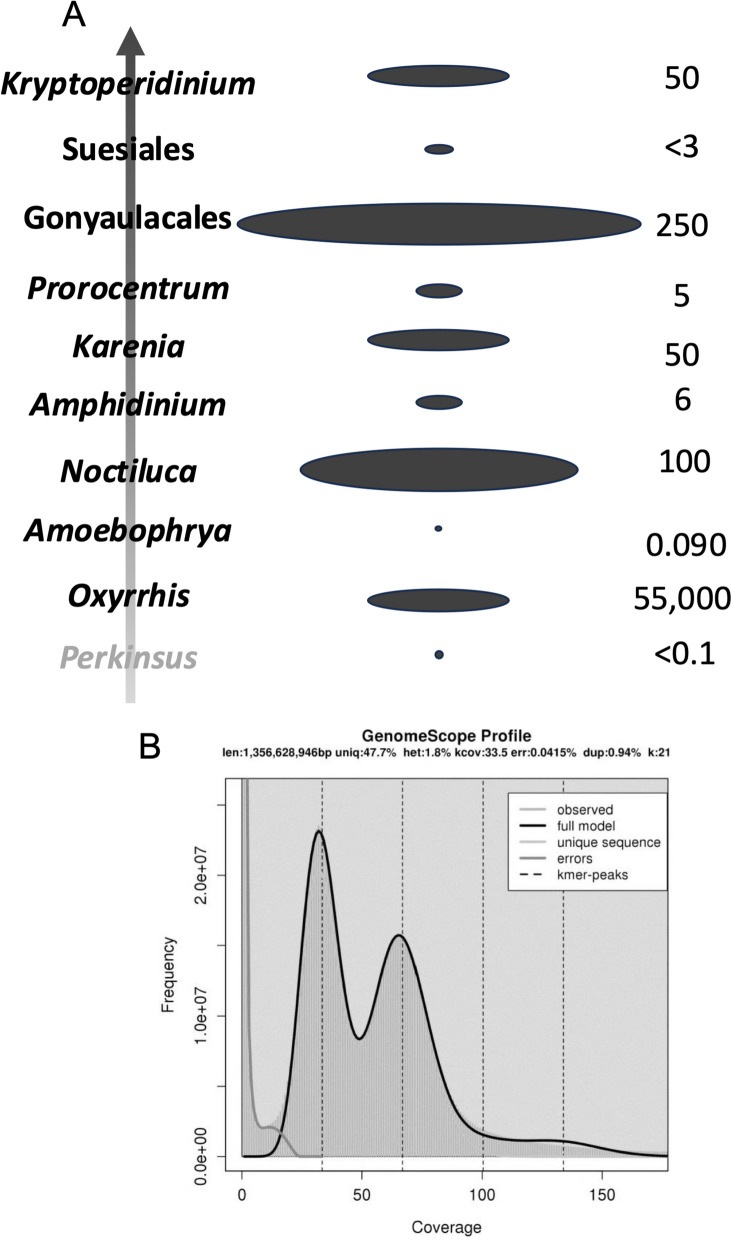
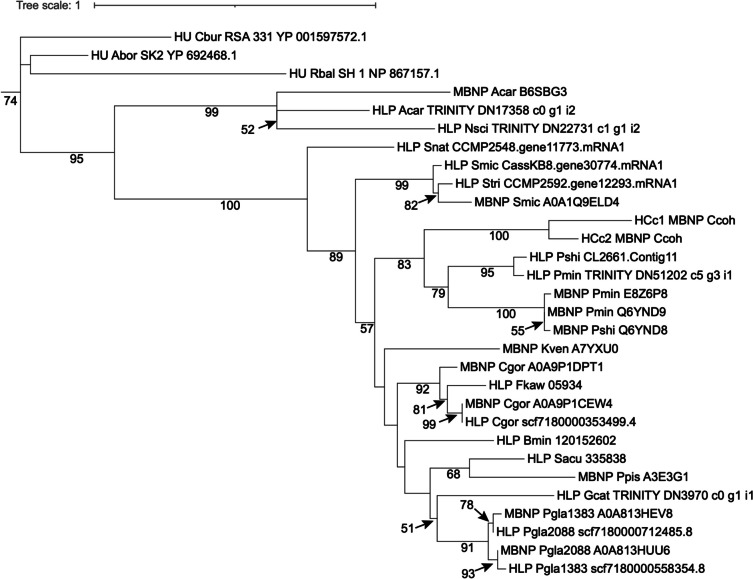
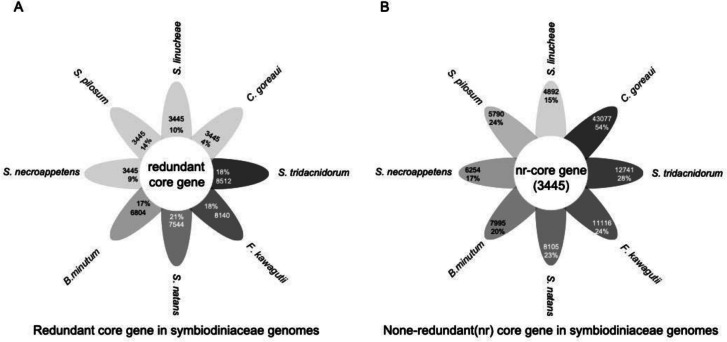
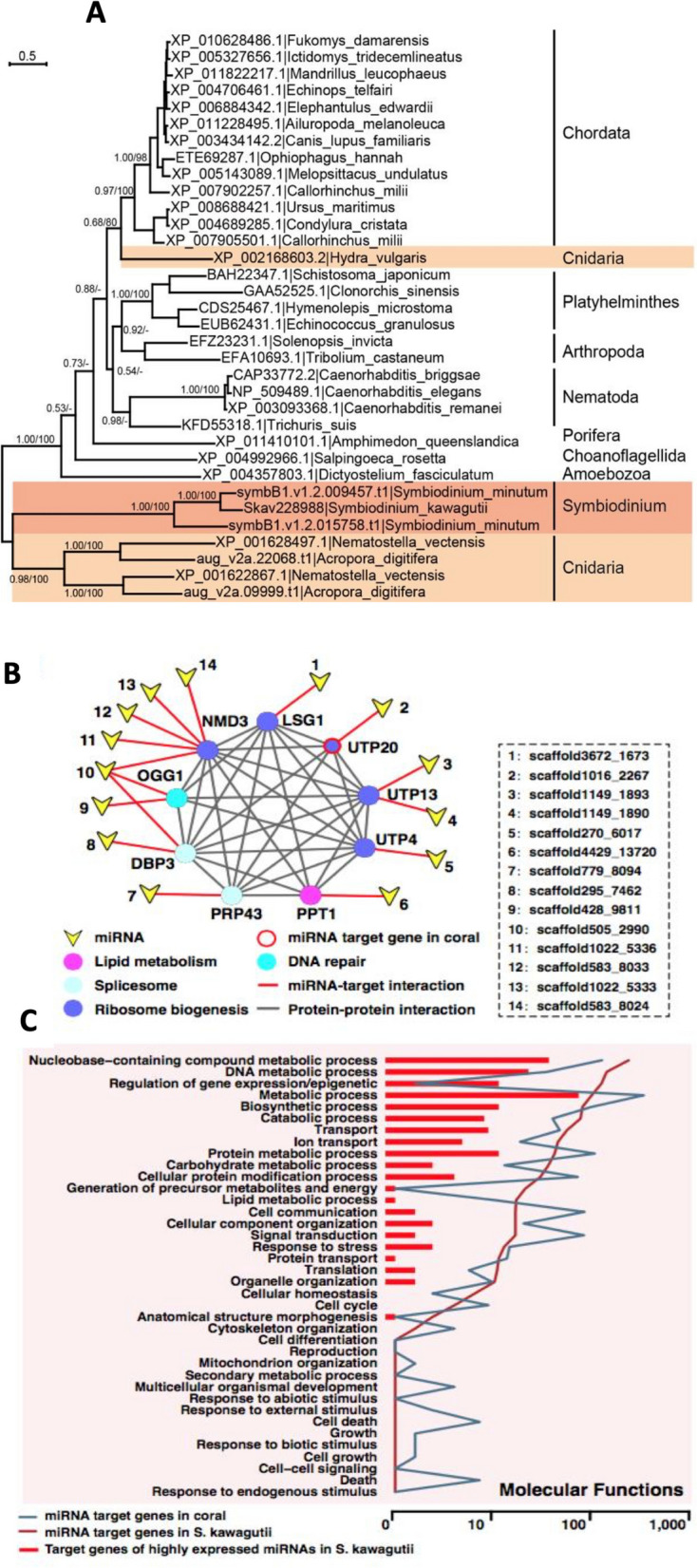
Dinoflagellates are a remarkable group of protists, not only for their association with harmful algal blooms and coral reefs but also for their numerous characteristics deviating from the rules of eukaryotic biology. Genome research on dinoflagellates has lagged due to their immense genome sizes in most species (~ 1-250 Gbp). Nevertheless, the last decade marked a fruitful era of dinoflagellate genomics, with 27 genomes sequenced and many insights attained. This review aims to synthesize information from these genomes, along with other omic data, to reflect on where we are now in understanding dinoflagellates and where we are heading in the future. The most notable insights from the decade-long genomics work include: (1) dinoflagellate genomes have been expanded in multiple times independently, probably by a combination of rampant retroposition, accumulation of repetitive DNA, and genome duplication; (2) Symbiodiniacean genomes are highly divergent, but share about 3,445 core unigenes concentrated in 219 KEGG pathways; (3) Most dinoflagellate genes are encoded unidirectionally and are not intron-poor; (4) The dinoflagellate nucleus has undergone extreme evolutionary changes, including complete or nearly complete loss of nucleosome and histone H1, and acquisition of dinoflagellate viral nuclear protein (DVNP); (5) Major basic nuclear protein (MBNP), histone-like protein (HLP), and bacterial HU-like protein (HCc) belong to the same protein family, and MBNP can be the unifying name; (6) Dinoflagellate gene expression is regulated by poorly understood mechanisms, but microRNA and other epigenetic mechanisms are likely important; (7) Over 50% of dinoflagellate genes are "dark" and their functions remain to be deciphered using functional genetics; (8) Initial insights into the genomic basis of parasitism and mutualism have emerged. The review then highlights functionally unique and interesting genes. Future research needs to obtain a finished genome, tackle large genomes, characterize the unknown genes, and develop a quantitative molecular ecological model for addressing ecological questions.
甲藻是一类非常特别的原生生物,不仅因为它们与有害藻类水华和珊瑚礁有关,还因为它们具有许多偏离真核生物生物学规律的特征。由于大多数物种的基因组都非常庞大(~1-250 Gbp),因此甲藻的基因组研究一直滞后。然而,在过去的十年中,甲藻基因组学迎来了一个硕果累累的时代,已经测序了 27 个基因组,并获得了许多新的见解。本综述旨在综合这些基因组以及其他组学数据的信息,反思我们现在对甲藻的理解程度,以及未来的研究方向。这十年来的基因组学工作带来了一些显著的发现,包括:(1)甲藻基因组已经多次独立扩张,可能是逆转座、重复 DNA 积累和基因组复制的综合作用;(2)共生甲藻的基因组高度分化,但它们共享约 3445 个核心基因,这些基因集中在 219 个 KEGG 途径中;(3)大多数甲藻基因是单向编码的,而且并不缺乏内含子;(4)甲藻细胞核经历了极端的进化变化,包括核小体和组蛋白 H1 的完全或几乎完全缺失,以及甲藻病毒核蛋白(DVNP)的获得;(5)主要碱性核蛋白(MBNP)、组蛋白样蛋白(HLP)和细菌 HU 样蛋白(HCc)属于同一蛋白家族,MBNP 可以作为统一的名称;(6)甲藻基因表达受到尚未完全理解的机制调控,但 microRNA 和其他表观遗传机制可能很重要;(7)超过 50%的甲藻基因是“暗基因”,其功能仍有待通过功能遗传学来破译;(8)初步揭示了寄生和共生的基因组基础。本综述还强调了一些具有独特功能和有趣的基因。未来的研究需要获得一个完成的基因组,解决大基因组的问题,阐明未知基因的功能,并开发一个定量的分子生态学模型来解决生态问题。