Lungu Giorgiana Nicoleta, Diaconescu Gheorghe Iulian, Dumitrescu Florentina, Docea Oanca Oana, Mitrut Radu, Giubelan Lucian, Zlatian Ovidiu, Mitrut Paul
Doctoral School, University of Medicine and Pharmacy of Craiova, Romania.
Victor Babes" Infectious Diseases and Pneumophtisiology Clinical Hospital, Craiova, Romania.
Curr Health Sci J. 2024 Apr-Jun;50(2):181-197. doi: 10.12865/CHSJ.50.02.03. Epub 2024 Jun 30.
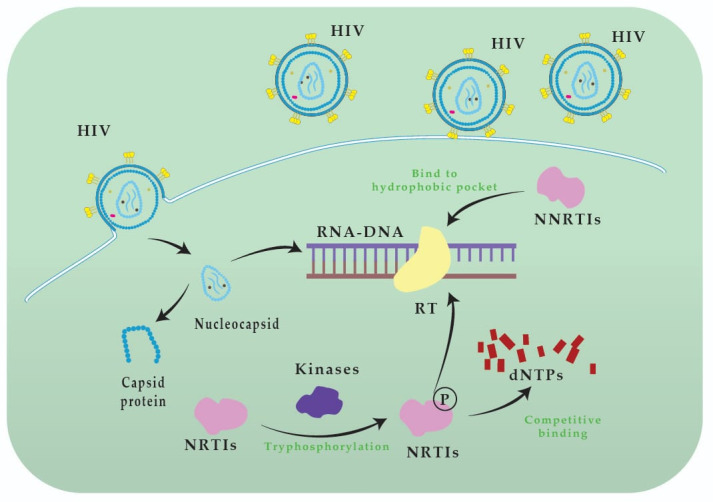
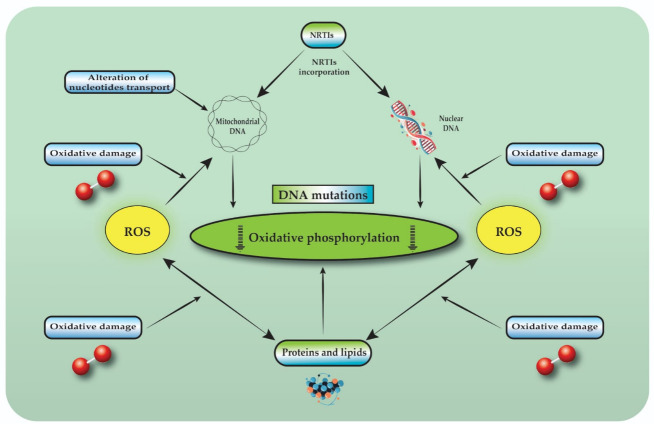
The advent of highly active antiretroviral therapy (HAART) in 1996 has markedly enhanced the life expectancy of people living with HIV (PLWH), largely due to the effectiveness of reverse transcriptase inhibitors (RTIs). These drugs target the reverse transcriptase enzyme, crucial for the HIV virus to convert its RNA into DNA within host cells, effectively disrupting the viral replication process. This action reduces the patient's viral load, helping preserve immune function and prevent progression to AIDS. Consequently, the predominant causes of mortality among individuals living with HIV have transitioned from opportunistic infections and AIDS-related cancers to liver disease and cardiovascular complications. Liver damage in PLWH could arise from multiple sources including co-infections, chronic substance use, and notably, antiretroviral therapy itself, which can be hepatotoxic. This review highlights the risks of hepatic damage associated with nucleoside and non-nucleoside RTIs and underscores the variability in hepatotoxicity risks among different drugs. It emphasizes the necessity for regular monitoring of liver health in PLWH and adjusting antiretroviral regimens to minimize liver fibrosis risk. This risk is particularly pronounced in patients who associate the infection with hepatitis B or C virus, where the potential for hepatotoxicity significantly increases.
1996年高效抗逆转录病毒疗法(HAART)的出现显著提高了艾滋病毒感染者(PLWH)的预期寿命,这在很大程度上归功于逆转录酶抑制剂(RTIs)的有效性。这些药物作用于逆转录酶,该酶对于艾滋病毒在宿主细胞内将其RNA转化为DNA至关重要,从而有效地破坏了病毒复制过程。这一作用降低了患者的病毒载量,有助于维持免疫功能并防止发展为艾滋病。因此,艾滋病毒感染者的主要死亡原因已从机会性感染和与艾滋病相关的癌症转变为肝脏疾病和心血管并发症。PLWH的肝损伤可能源于多种因素,包括合并感染、长期药物使用,尤其是抗逆转录病毒疗法本身,因为它可能具有肝毒性。本综述强调了与核苷类和非核苷类RTIs相关的肝损伤风险,并强调了不同药物肝毒性风险的变异性。它强调了对PLWH的肝脏健康进行定期监测以及调整抗逆转录病毒治疗方案以将肝纤维化风险降至最低的必要性。这种风险在合并感染乙型或丙型肝炎病毒的患者中尤为明显,这些患者的肝毒性可能性会显著增加。