Ali Md Liakot, Roky Amdad Hossain, Azad S M Asadul Karim, Shaikat Abdul Halim, Meem Jannatul Naima, Hoque Emtiajul, Ahasan Abu Mohammed Fuad, Islam Mohammed Murshedul, Arif Md Saifur Rahaman, Mostaq Md Saqline, Mahmud Md Zihad, Amin Mohammad Nurul, Mahmud Md Ashiq
Department of Pharmacy, University of Chittagong, Chattogram 4331, Bangladesh.
Pratyasha Health Biomedical Research Center, Dhaka 1230, Bangladesh.
Cancer Pathog Ther. 2024 Feb 1;2(4):231-245. doi: 10.1016/j.cpt.2024.01.002. eCollection 2024 Oct.
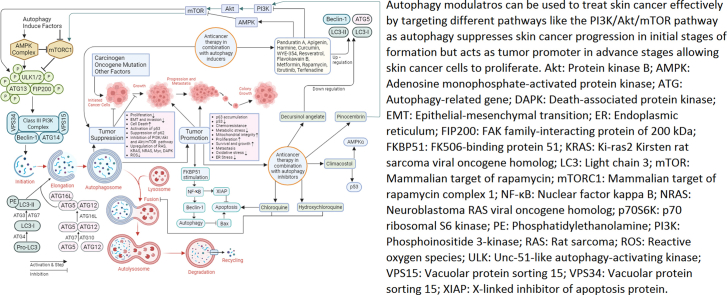
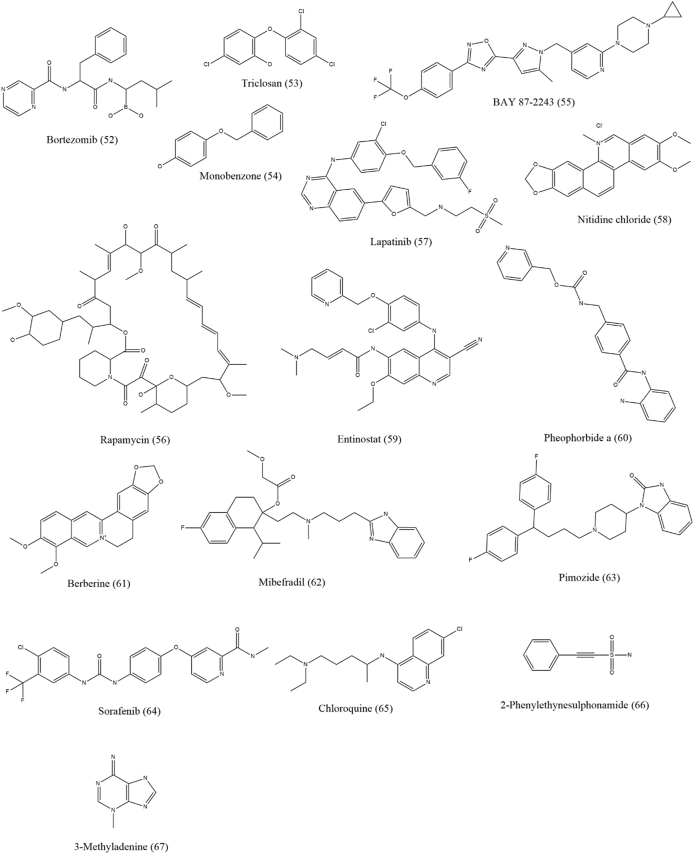
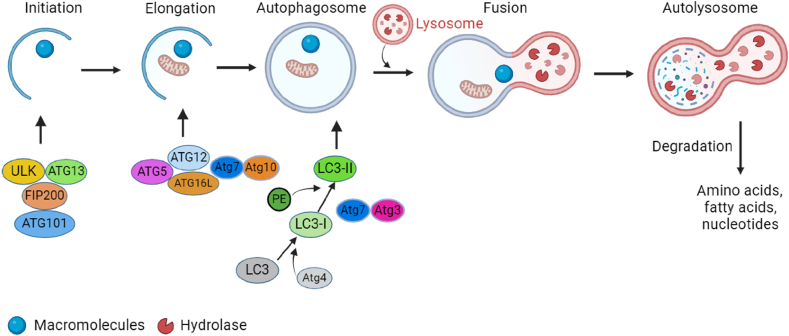
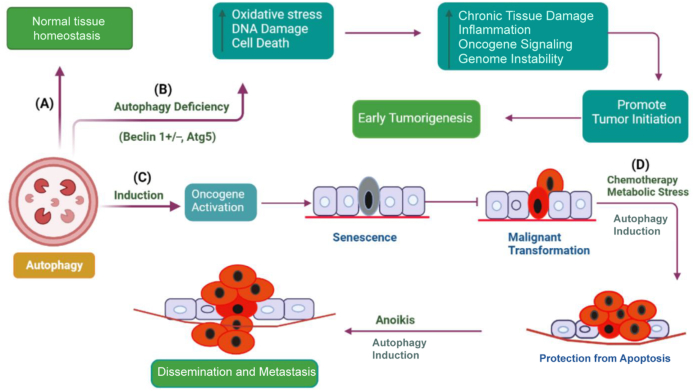
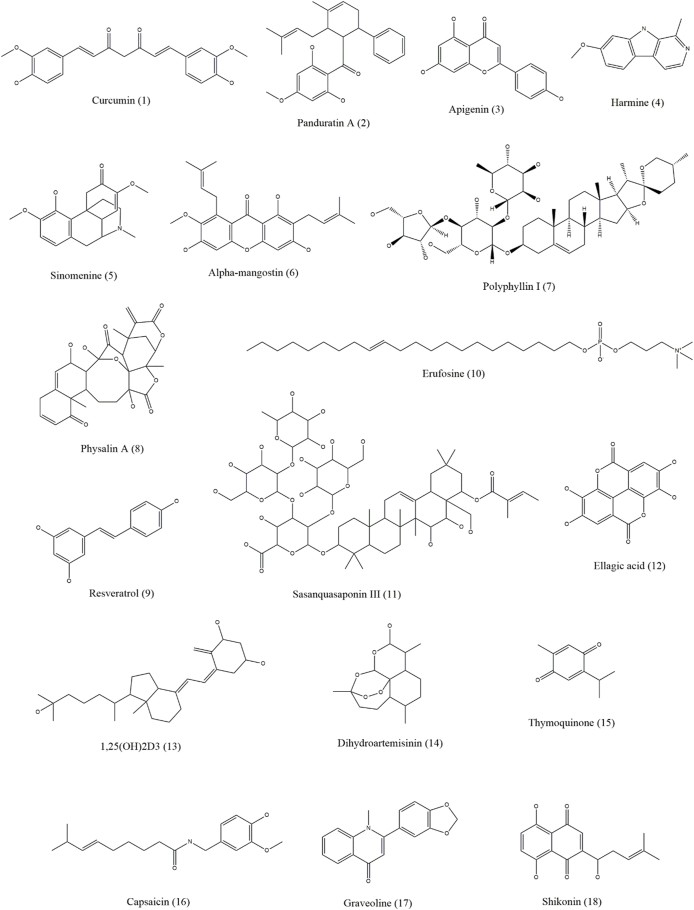
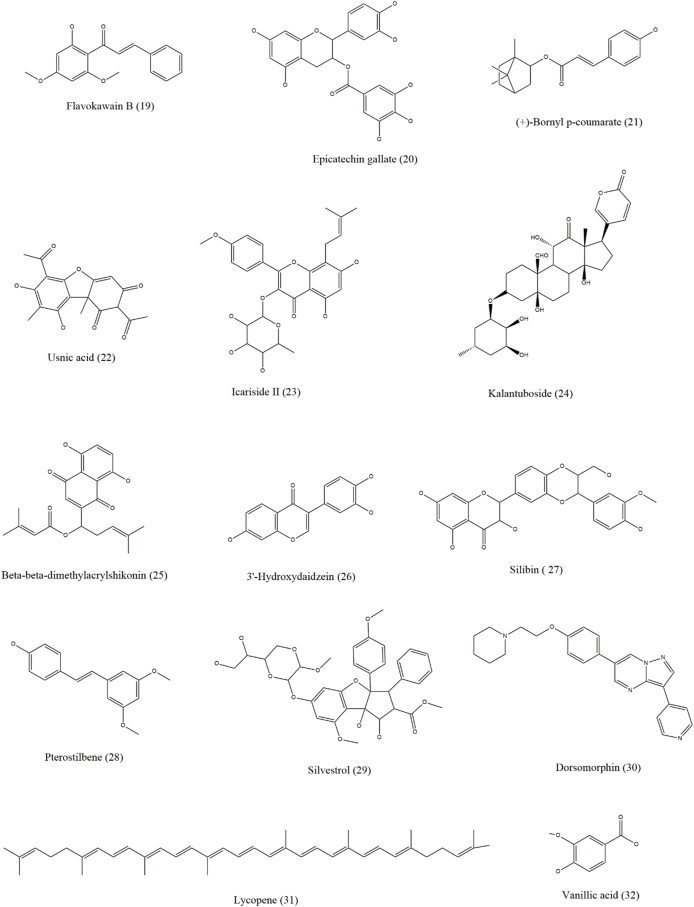
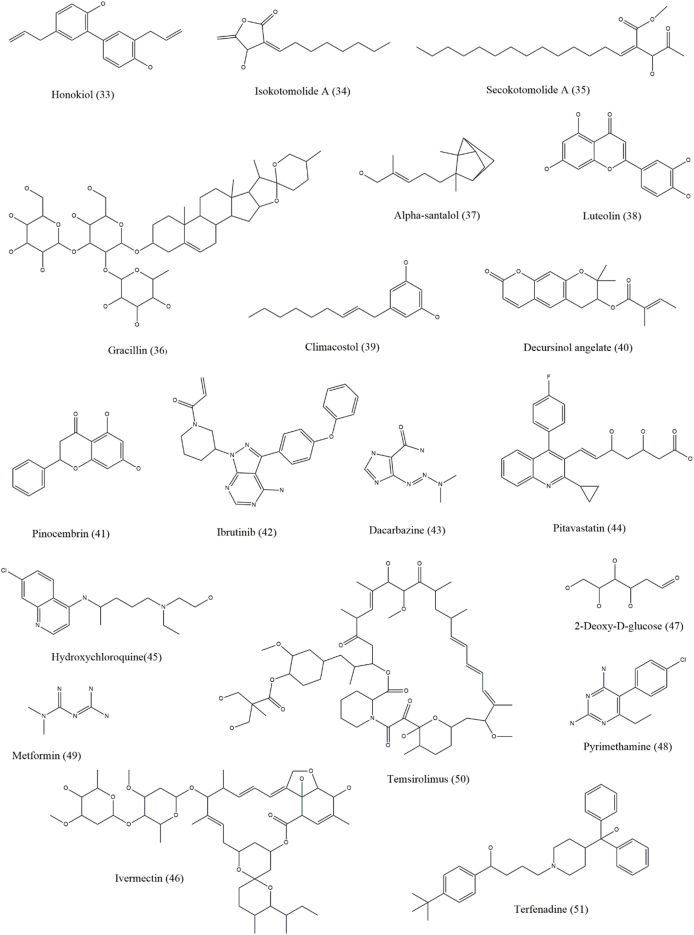
Skin cancer, a prevalent malignancy worldwide, poses significant health concerns owing to its increasing incidence. Autophagy, a natural cellular process, is a pivotal event in skin cancer and has advantageous and detrimental effects. This duality has prompted extensive investigations into medical interventions targeting autophagy modulation for their substantial therapeutic potential. This systematic review aimed to investigate the relationship between skin cancer and autophagy and the contribution and mechanism of autophagy modulators in skin cancer. We outlined the effectiveness and safety of targeting autophagy as a promising therapeutic strategy for the treatment of skin cancer. This comprehensive review identified a diverse array of autophagy modulators with promising potential for the treatment of skin cancer. Each of these compounds demonstrates efficacy through distinct physiological mechanisms that have been elucidated in detail. Interestingly, findings from a literature search indicated that none of the natural, synthetic, or semisynthetic compounds exhibited notable adverse effects in either human or animal models. Consequently, this review offers novel mechanistic and therapeutic perspectives on the targeted modulation of autophagy in skin cancer.
皮肤癌是一种在全球范围内普遍存在的恶性肿瘤,因其发病率不断上升而引发了重大的健康问题。自噬是一种自然的细胞过程,是皮肤癌中的关键事件,具有有利和有害的影响。这种双重性促使人们对针对自噬调节的医学干预措施进行广泛研究,因为它们具有巨大的治疗潜力。本系统综述旨在研究皮肤癌与自噬之间的关系,以及自噬调节剂在皮肤癌中的作用和机制。我们概述了将自噬作为一种有前景的治疗策略来治疗皮肤癌的有效性和安全性。这一全面综述确定了一系列具有治疗皮肤癌潜力的自噬调节剂。这些化合物中的每一种都通过已详细阐明的不同生理机制显示出疗效。有趣的是,文献检索结果表明,无论是天然、合成还是半合成化合物,在人类或动物模型中均未表现出明显的不良反应。因此,本综述为皮肤癌中自噬的靶向调节提供了新的机制和治疗观点。