Department of cardiac surgery, Nanjing Drum Tower Hospital Clinical College of Nanjing University of Chinese Medicine, Number 321 Zhong shan Road, Nanjing 210008, Jiangsu, China.
Department of Clinical Medicine, Norman Bethune Health Science Center of Jilin University, Changchun, China.
Eur J Cardiothorac Surg. 2024 Oct 1;66(4). doi: 10.1093/ejcts/ezae364.
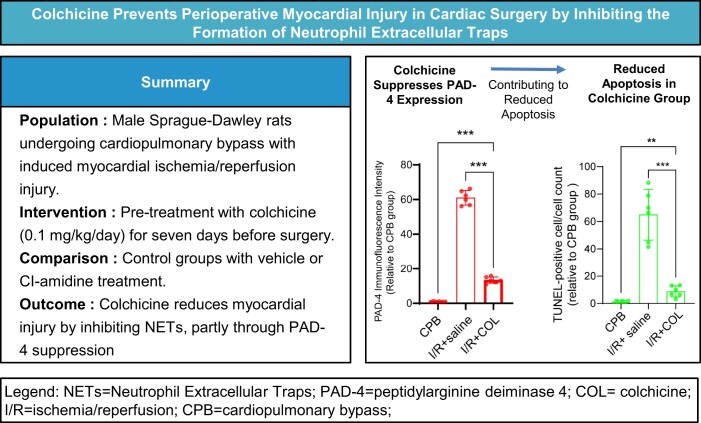
Colchicine, an anti-inflammatory agent, has been reported to improve myocardial infarction prognosis by inhibiting neutrophil extracellular traps (NETs) release. However, its role in cardiac surgery and the mechanisms behind NETs suppression remain unclear. This study aimed to explore colchicine's cardioprotective effects against perioperative myocardial injury in cardiac surgery, focusing on NETs inhibition as a novel therapeutic strategy.
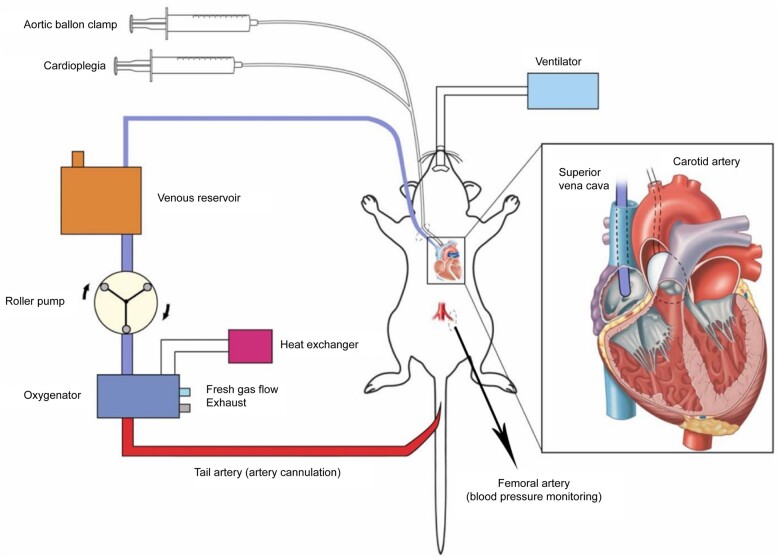
Male Sprague-Dawley rats were pre-treated with colchicine (0.1 mg/kg/day) or CI-amidine (10 mg/kg/day) for 7 days before undergoing cardiopulmonary bypass and myocardial ischaemia/reperfusion injury. The model was created by subjecting the rats to cardiopulmonary bypass and myocardial ischaemia/reperfusion injury. Under 4.0% sevoflurane anaesthesia, cardiopulmonary bypass was initiated by cannulating the tail artery and right atrium, and perfusion was maintained for 4 h. Immunofluorescence detected NETs, and haematoxylin and eosin staining assessed inflammatory cell.
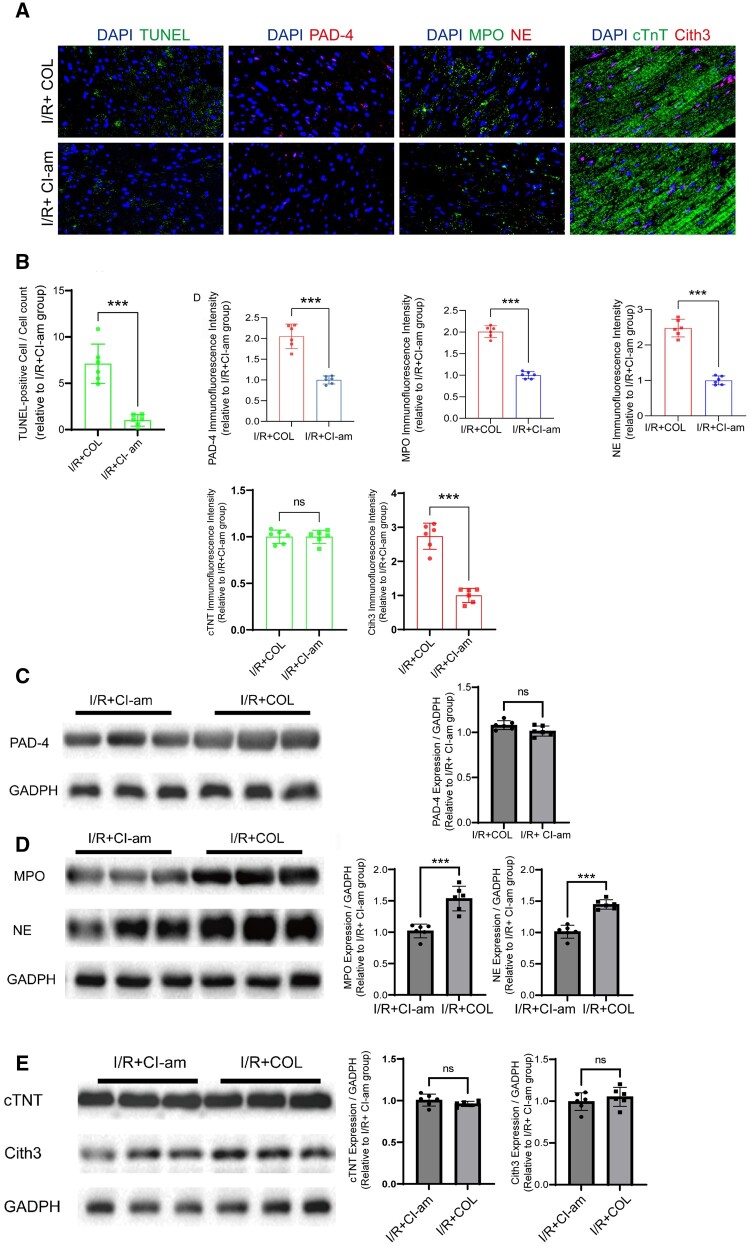
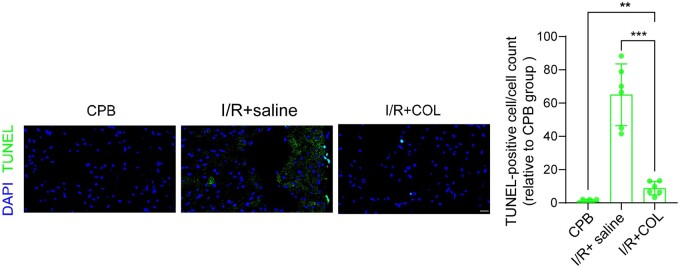
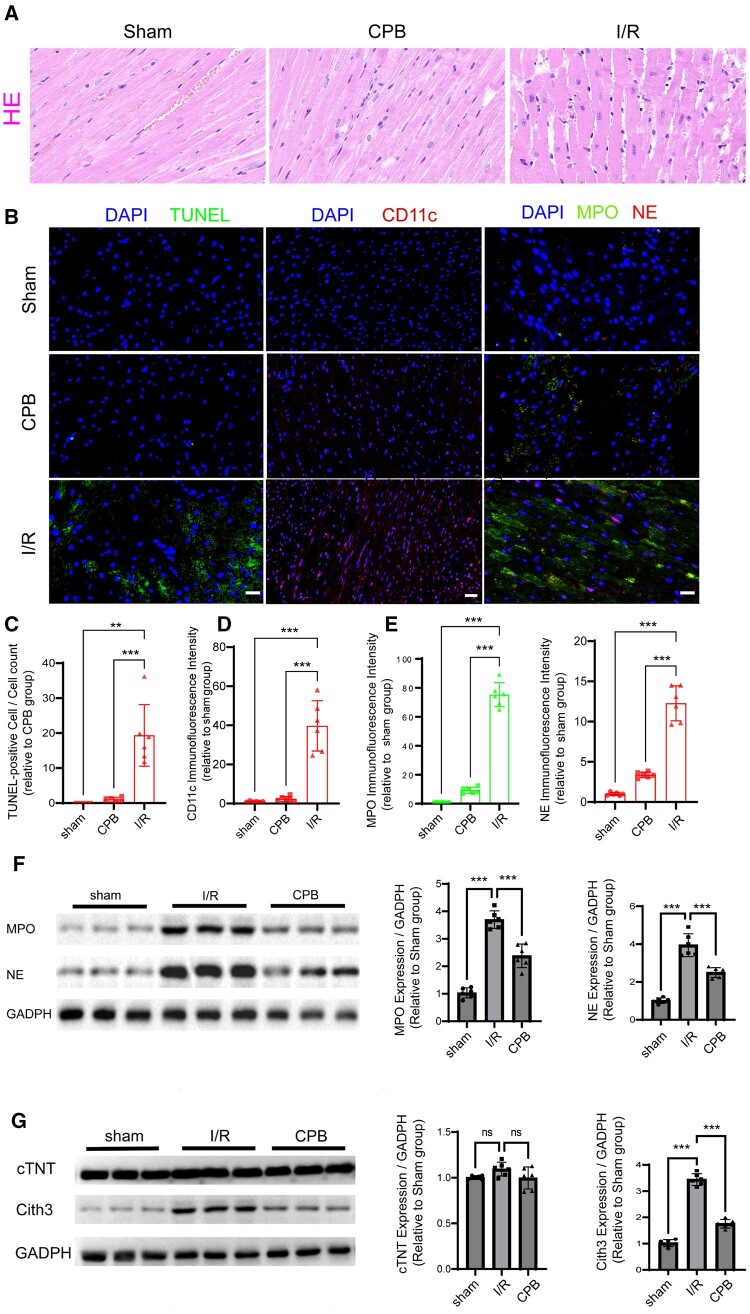
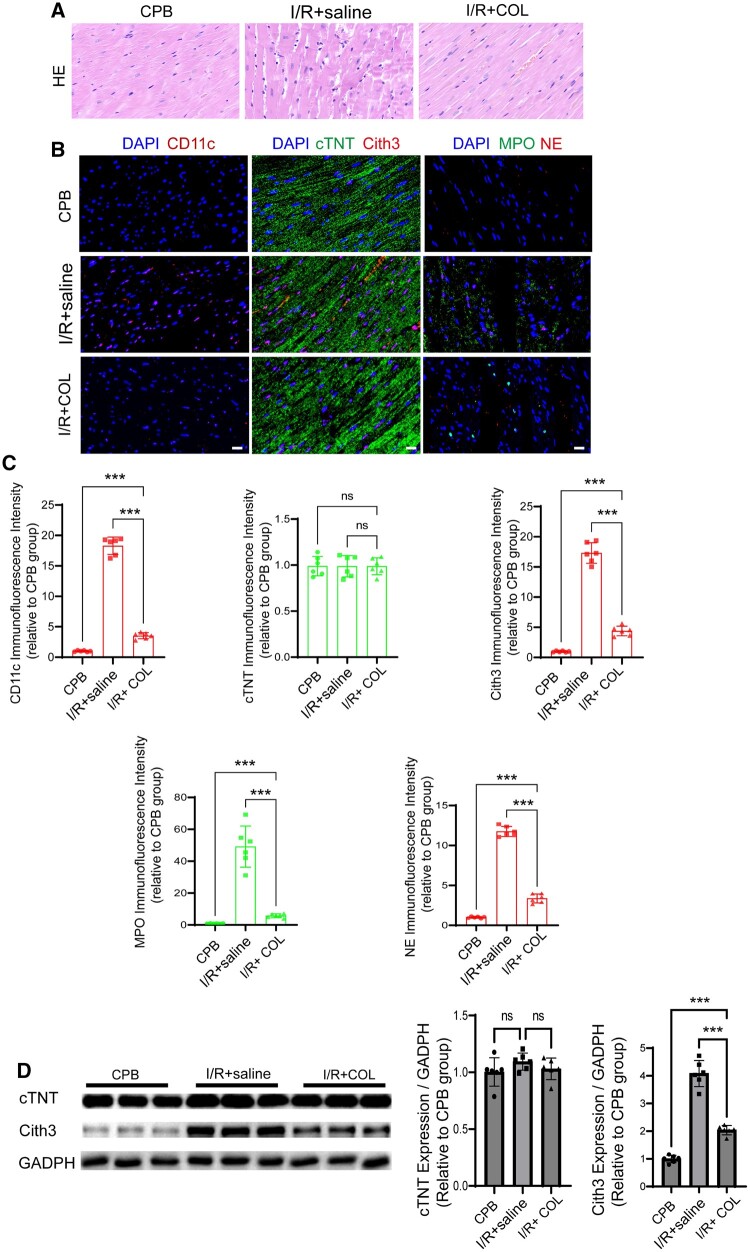
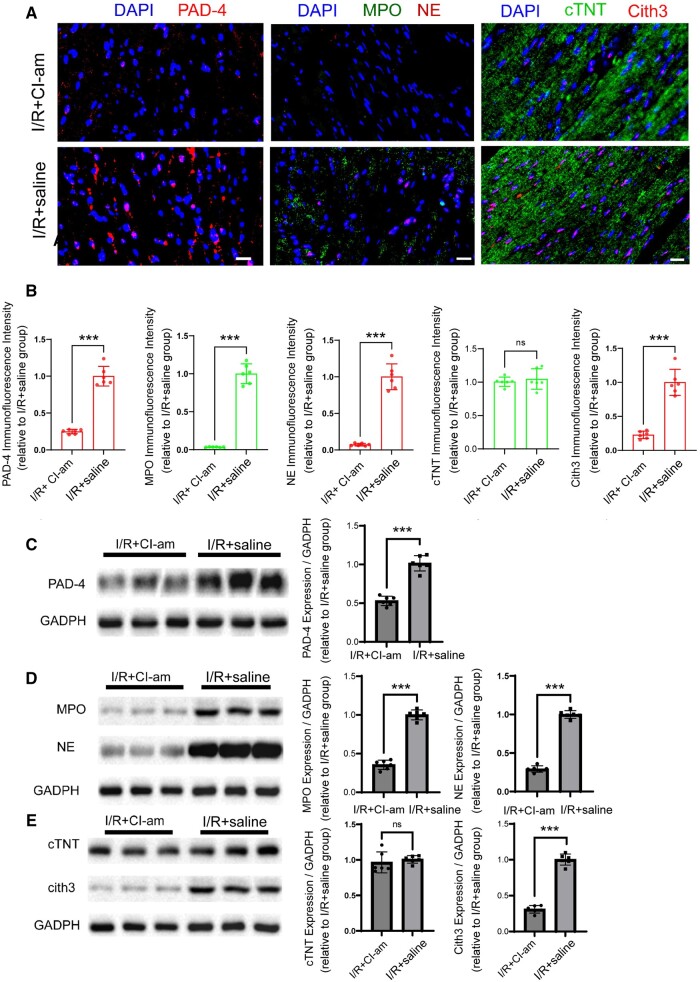
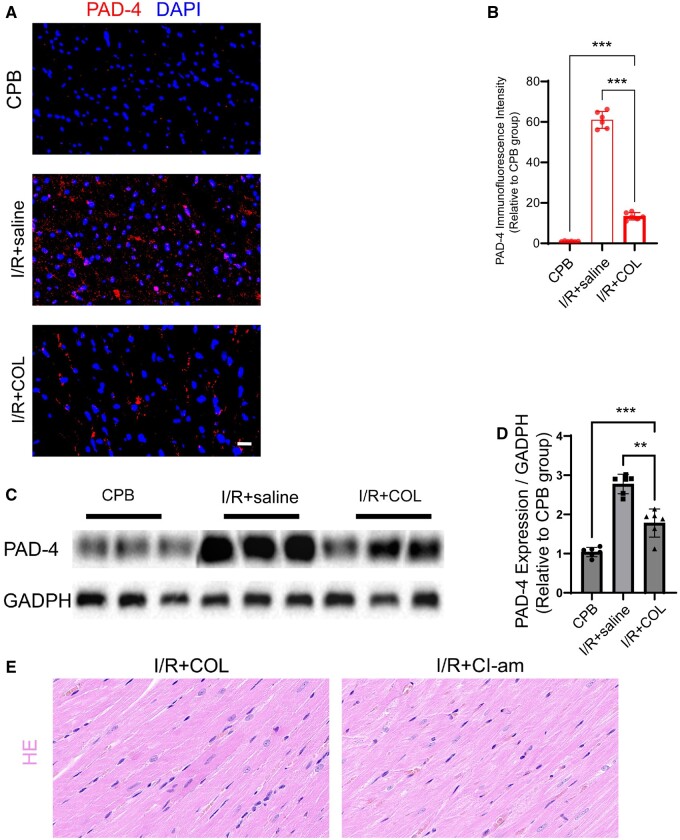
We found colchicine treatment significantly reduced perioperative myocardial injury in rats. Furthermore, we observed a notable elevation of NETs in the myocardial tissue of animal models. Moreover, suppressing peptidylarginine deiminase 4 was found to markedly diminish perioperative myocardial injury in rats. Additionally, colchicine can mitigate the release of NETs by inhibiting peptidylarginine deiminase 4.
NETs were significantly elevated during the perioperative period of cardiac surgery. Colchicine significantly mitigated myocardial injury in cardiac surgery by inhibiting NETs formation, with peptidylarginine deiminase 4 inhibition being one of its mechanisms.
秋水仙碱是一种抗炎药物,据报道可通过抑制中性粒细胞胞外诱捕网(NETs)的释放来改善心肌梗死的预后。然而,其在心脏手术中的作用以及抑制 NETs 的机制尚不清楚。本研究旨在探讨秋水仙碱在心脏手术中对围手术期心肌损伤的心脏保护作用,重点关注 NETs 抑制作为一种新的治疗策略。
雄性 Sprague-Dawley 大鼠在接受心肺旁路和心肌缺血/再灌注损伤前,用秋水仙碱(0.1mg/kg/天)或 CI-酰胺(10mg/kg/天)预处理 7 天。通过对大鼠进行心肺旁路和心肌缺血/再灌注损伤来建立模型。在 4.0%七氟醚麻醉下,通过尾动脉和右心房插管启动心肺旁路,维持灌注 4 小时。免疫荧光检测 NETs,苏木精和伊红染色评估炎症细胞。
我们发现秋水仙碱治疗可显著减轻大鼠围手术期心肌损伤。此外,我们观察到动物模型心肌组织中 NETs 的显著升高。此外,抑制肽基精氨酸脱亚氨酶 4 可明显减轻大鼠围手术期心肌损伤。此外,秋水仙碱可通过抑制肽基精氨酸脱亚氨酶 4 来减轻 NETs 的释放。
NETs 在心脏手术的围手术期显著升高。秋水仙碱通过抑制 NETs 的形成显著减轻心脏手术中的心肌损伤,其中肽基精氨酸脱亚氨酶 4 的抑制是其机制之一。