LOEWE Centre for Translational Biodiversity Genomics, Senckenberganlage 25, Frankfurt, 60325, Germany.
Senckenberg Research Institute, Senckenberganlage 25, Frankfurt, 60325, Germany.
BMC Genomics. 2024 Oct 7;25(1):941. doi: 10.1186/s12864-024-10829-7.
Sequencing and annotating genomes of non-model organisms helps to understand genome architecture, the genetic processes underlying species traits, and how these genes have evolved in closely-related taxa, among many other biological processes. However, many metazoan groups, such as the extremely diverse molluscs, are still underrepresented in the number of sequenced and annotated genomes. Although sequencing techniques have recently improved in quality and quantity, molluscs are still neglected due to difficulties in applying standardized protocols for obtaining genomic data.
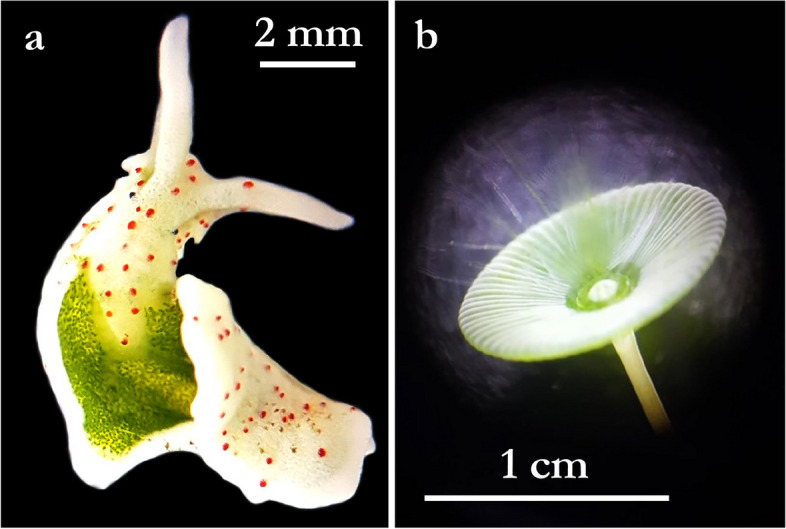
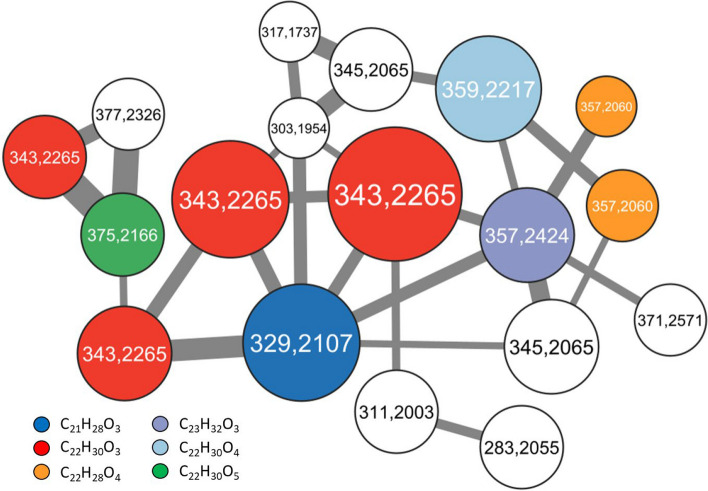
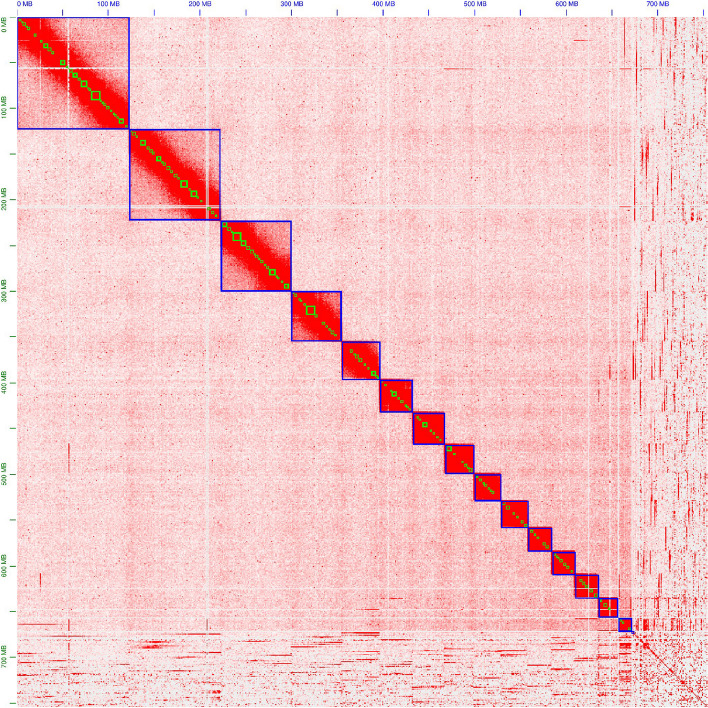
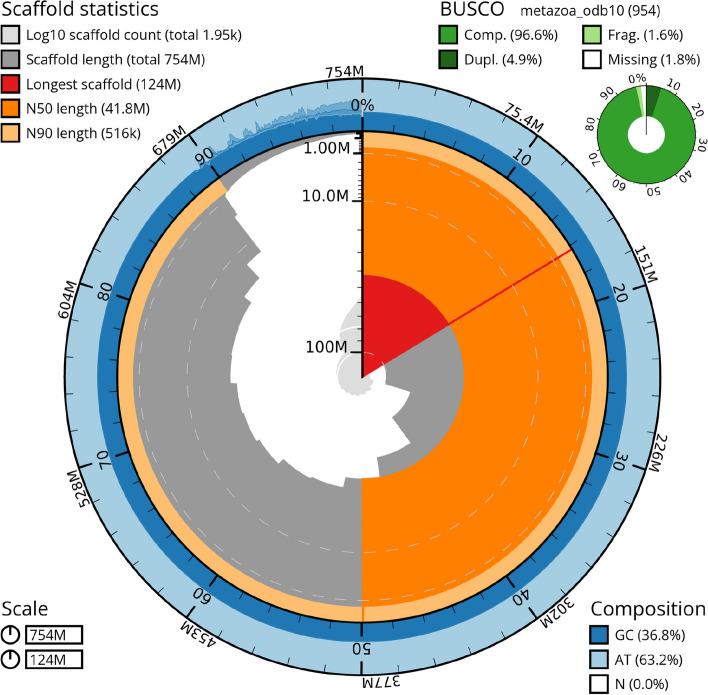
In this study, we present the chromosome-level genome assembly and annotation of the sacoglossan sea slug species Elysia timida, known for its ability to store the chloroplasts of its food algae. In particular, by optimizing the long-read and chromosome conformation capture library preparations, the genome assembly was performed using PacBio HiFi and Arima HiC data. The scaffold and contig N50s, at 41.8 Mb and 1.92 Mb, respectively, are approximately 30-fold and fourfold higher compared to other published sacoglossan genome assemblies. Structural annotation resulted in 19,904 protein-coding genes, which are more contiguous and complete compared to publicly available annotations of Sacoglossa with respect to metazoan BUSCOs. We found no evidence for horizontal gene transfer (HGT), i.e. no photosynthetic genes encoded in the sacoglossan nucleus genome. However, we detected genes encoding polyketide synthases in E. timida, indicating that polypropionates are produced. HPLC-MS/MS analysis confirmed the presence of a large number of polypropionates, including known and yet uncharacterised compounds.
We can show that our methodological approach helps to obtain a high-quality genome assembly even for a "difficult-to-sequence" organism, which may facilitate genome sequencing in molluscs. This will enable a better understanding of complex biological processes in molluscs, such as functional kleptoplasty in Sacoglossa, by significantly improving the quality of genome assemblies and annotations.
对非模式生物的基因组进行测序和注释有助于理解基因组结构、物种特征背后的遗传过程,以及这些基因在亲缘关系密切的分类群中是如何进化的等等。然而,许多后生动物群,如非常多样化的软体动物,在已测序和注释的基因组数量方面仍然代表性不足。尽管测序技术在质量和数量上最近有所提高,但由于难以应用标准化协议获取基因组数据,软体动物仍然被忽视。
在这项研究中,我们展示了有能力储存食物藻类叶绿体的帽贝科海蛞蝓物种 Elysia timida 的染色体水平基因组组装和注释。特别是,通过优化长读长和染色体构象捕获文库制备,使用 PacBio HiFi 和 Arima HiC 数据进行了基因组组装。支架和 contig 的 N50 分别为 41.8 Mb 和 1.92 Mb,与其他已发表的帽贝科基因组组装相比,分别提高了约 30 倍和 4 倍。结构注释产生了 19904 个蛋白质编码基因,与 Sacoglossa 中公开的注释相比,这些基因在后生动物 BUSCOs 方面更加连续和完整。我们没有发现水平基因转移 (HGT) 的证据,即光合作用基因不在帽贝科核基因组中编码。然而,我们在 E. timida 中检测到编码聚酮合酶的基因,表明聚丙酸盐正在产生。HPLC-MS/MS 分析证实了大量聚丙酸盐的存在,包括已知和尚未表征的化合物。
我们可以表明,我们的方法学方法有助于即使是“难以测序”的生物体也能获得高质量的基因组组装,这可能有助于软体动物的基因组测序。这将通过显著提高基因组组装和注释的质量,从而更好地理解软体动物中的复杂生物学过程,如 Sacoglossa 中的功能性盗食质体。