Lv Yanxin, Wu Shuo, Nitsche Michael A, Yue Tian, Zschorlich Volker R, Qi Fengxue
Sports, Exercise, and Brain Sciences Laboratory, Sports Coaching College, Beijing Sport University, Beijing, China.
Faculty of Rehabilitation Medicine, Shandong University of Traditional Chinese Medicine, Jinan, China.
Front Aging Neurosci. 2024 Sep 23;16:1454755. doi: 10.3389/fnagi.2024.1454755. eCollection 2024.
Working memory (WM) loss, which can lead to a loss of independence, and declines in the quality of life of older adults, is becoming an increasingly prominent issue affecting the ageing population. Transcranial direct current stimulation (tDCS), a non-invasive brain stimulation technique, is emerging as a potential alternative to pharmacological treatments that shows promise for enhancing WM capacity and May enhance the effects of cognitive training (CT) interventions.
The purpose of this meta-analysis was to explore how different tDCS protocols in combination with CT enhanced WM in healthy older adults.
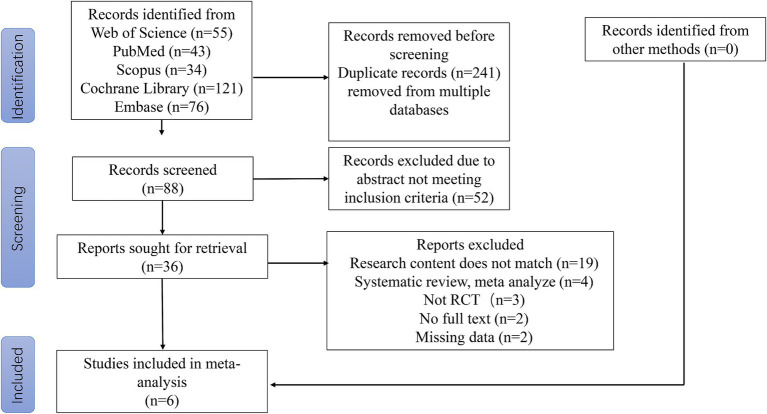
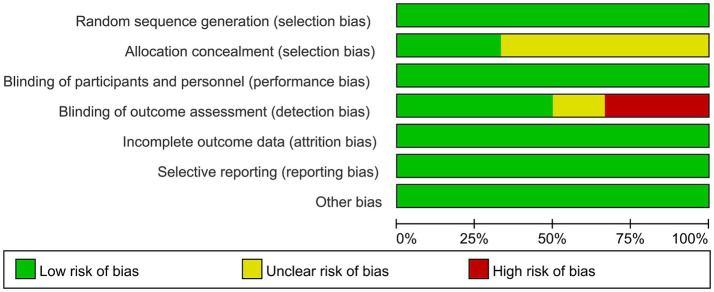
Randomized controlled trials (RCTs) exploring the effects of tDCS combined with CT on WM in healthy older adults were retrieved from the Web of Science, PubMed, Embase, Scopus and the Cochrane Library databases. The search time period ranged from database inception to January 15, 2024. Methodological quality of the trials was assessed using the risk-of-bias criteria for RCTs from the Cochrane Collaboration Network, and RevMan 5.3 (Cochrane, London, United Kingdom) was used for the meta-analysis of the final literature outcomes.
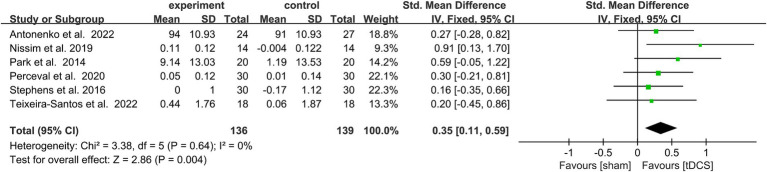
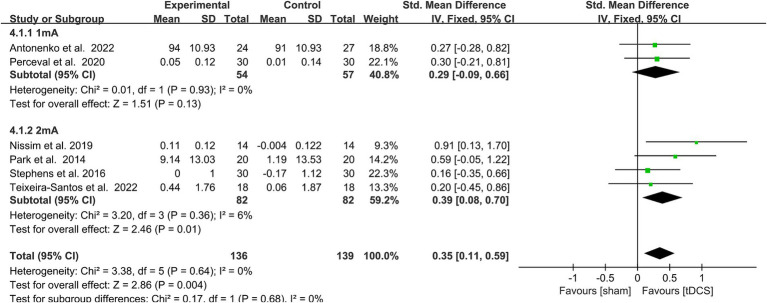
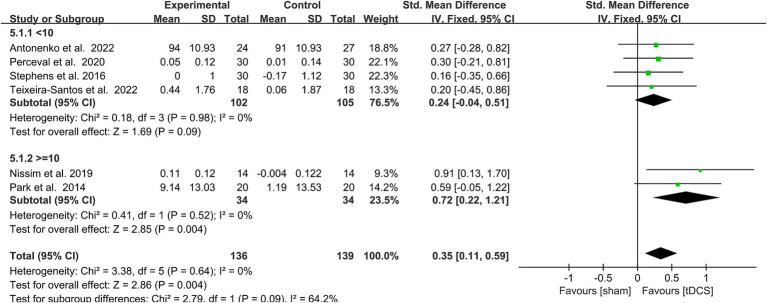
Six RCTs with a total of 323 participants were ultimately included. The results of the meta-analysis show that tDCS combined with CT statistically significantly improves WM performance compared to the control sham stimulation group in healthy older adults [standard mean difference (SMD) = 0.35, 95% CI: 0.11-0.59, = 0%, = 2.86, = 0.004]. The first subgroup analysis indicated that, when the stimulus intensity was 2 mA, a statistically significant improvement in WM performance in healthy older adults was achieved (SMD = 0.39, 95% CI: 0.08-0.70, = 6%, = 2.46, = 0.01). The second subgroup analysis showed that long-term intervention (≥ 10 sessions) with tDCS combined with CT statistically significantly improved WM compared to the control group in healthy older adults (SMD = 0.72, 95% CI: 0.22-1.21, = 0%, = 2.85, = 0.004).
tDCS combined with CT statistically significantly improves WM in healthy older adults. For the stimulus parameters, long-term interventions (≥ 10 sessions) with a stimulation intensity of 2 mA are the most effective.
工作记忆(WM)丧失会导致老年人失去独立能力,生活质量下降,这一问题在老年人群体中日益突出。经颅直流电刺激(tDCS)作为一种非侵入性脑刺激技术,正逐渐成为药物治疗的潜在替代方法,有望增强工作记忆能力,并可能增强认知训练(CT)干预的效果。
本荟萃分析旨在探讨不同的tDCS方案与CT相结合如何增强健康老年人的工作记忆。
从Web of Science、PubMed、Embase、Scopus和Cochrane图书馆数据库中检索探讨tDCS联合CT对健康老年人工作记忆影响的随机对照试验(RCT)。检索时间段从数据库建立到2024年1月15日。使用Cochrane协作网RCT的偏倚风险标准评估试验的方法学质量,并使用RevMan 5.3(Cochrane,英国伦敦)对最终文献结果进行荟萃分析。
最终纳入6项RCT,共323名参与者。荟萃分析结果表明,与健康老年人的对照假刺激组相比,tDCS联合CT在统计学上显著改善了工作记忆表现[标准均数差(SMD)=0.35,95%可信区间:0.11-0.59,I²=0%,z=2.86,P=0.004]。首次亚组分析表明,当刺激强度为2 mA时,健康老年人的工作记忆表现有统计学显著改善(SMD=0.39,95%可信区间:0.08-0.70,I²=6%,z=2.46,P=0.01)。第二次亚组分析显示,与健康老年人的对照组相比,tDCS联合CT的长期干预(≥10次)在统计学上显著改善了工作记忆(SMD=0.72,95%可信区间:0.22-1.21,I²=0%,z=2.85,P=0.004)。
tDCS联合CT在统计学上显著改善了健康老年人的工作记忆。对于刺激参数,2 mA刺激强度的长期干预(≥10次)最为有效。