Mary Vaishali Pooja, Boopathy Nisha
Department of Community Medicine, Saveetha Medical College and Hospital, Saveetha Institute of Medical and Technical Sciences, Saveetha University, Chennai, IND.
Cureus. 2024 Sep 7;16(9):e68858. doi: 10.7759/cureus.68858. eCollection 2024 Sep.
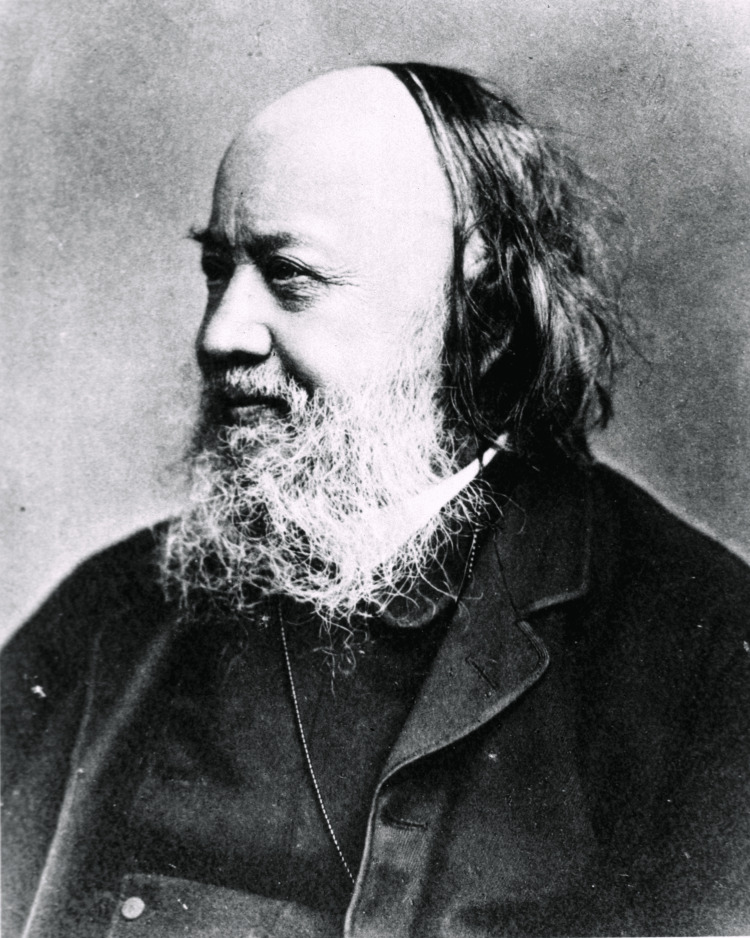
Edwin Chadwick (1800-1890) was a central figure in the 19th-century public health reform movement in Britain. His work was instrumental in the sanitary awakening, a movement that revolutionized public health through the systematic improvement of urban sanitation and hygiene. As a lawyer by training, Chadwick was deeply influenced by Jeremy Bentham's welfare maximization theory, which emphasized the greatest good for the greatest number. His most significant contribution was his 1842 publication, "The Report on the Sanitary Condition of the Labouring Population," in which he documented the deplorable conditions faced by the working class and the link between poor sanitation and disease. Chadwick's advocacy led to the passage of the Public Health Act of 1848, which established local health boards and marked the beginning of modern public health systems. His focus on clean water, efficient sewage systems, and waste management not only reduced the spread of diseases like cholera and typhoid but also set the stage for future public health initiatives globally. The sanitary awakening, largely driven by Chadwick's efforts, highlighted the critical connection between environment and health, a principle that continues to underpin public health practices today. Chadwick's legacy lives on in the ongoing efforts to improve urban living conditions and prevent disease through public health infrastructure.
埃德温·查德威克(1800 - 1890)是19世纪英国公共卫生改革运动的核心人物。他的工作在卫生觉醒运动中发挥了重要作用,这场运动通过系统改善城市卫生和环境卫生彻底改变了公共卫生状况。查德威克是一名受过专业训练的律师,深受杰里米·边沁的福利最大化理论影响,该理论强调为最多数人谋求最大利益。他最重大的贡献是1842年发表的《劳动人口卫生状况报告》,他在报告中记录了工人阶级面临的恶劣状况以及恶劣卫生条件与疾病之间的联系。查德威克的倡导促使1848年《公共卫生法案》得以通过,该法案设立了地方卫生委员会,标志着现代公共卫生系统的开端。他对清洁水、高效污水处理系统和废物管理的关注不仅减少了霍乱和伤寒等疾病的传播,还为全球未来的公共卫生倡议奠定了基础。主要由查德威克的努力推动的卫生觉醒运动,凸显了环境与健康之间的关键联系,这一原则至今仍是公共卫生实践的基础。查德威克的遗产在通过公共卫生基础设施改善城市生活条件和预防疾病的持续努力中得以延续。