O'Brien Aoife, Stevenson Andrew, Barrett Lucy, Lawler Nicholas B, Hortin Nicole, Deng Zhenjun, Allahham Amira, Quondamatteo Fabio, Smith Nicole, Iyer K Swaminathan, Wood Fiona M, Fear Mark W
Department of Anatomy and Regenerative Medicine, Royal College of Surgeons, Ireland.
Burn Injury Research Unit (BIRU), School of Biomedical Sciences, University of Western Australia, Australia.
Heliyon. 2024 Sep 17;10(18):e38016. doi: 10.1016/j.heliyon.2024.e38016. eCollection 2024 Sep 30.
Dupuytren's disease (DD) is a fibro-proliferative disorder of unknown aetiology. Previous studies have implicated multiple WNT signalling genes/proteins in Dupuytren pathology, including WNT4. However, it is not yet clear whether WNT signalling dysregulation plays an important role in the initiation of the disease or progression. The aim of this study was to determine if loss of WNT4 expression triggered 'Dupuytren-like' changes in the transcriptome of healthy skin fibroblasts.
Fibroblasts were isolated from the wrists of healthy adult males and from the wrists and disease cord tissue from males in a family positive for Dupuytren's disease. Normal skin fibroblasts from healthy controls were treated with WNT4 siRNA and scrambled controls. RNASeq was used to analyse the transcriptomes of disease and non-disease fibroblasts from patients with Dupuytren's as well as in siRNA treated and non-treated control fibroblasts.
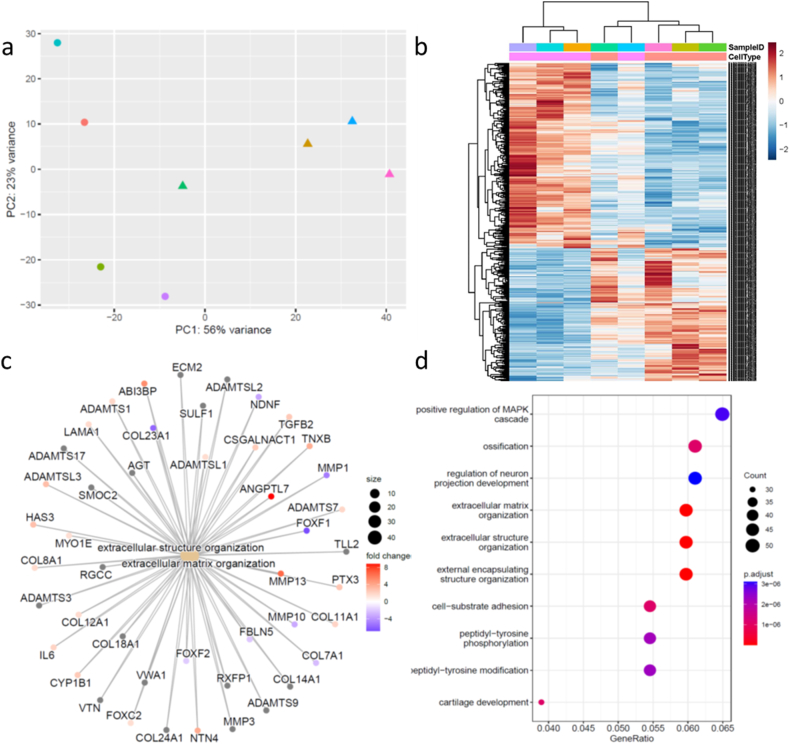
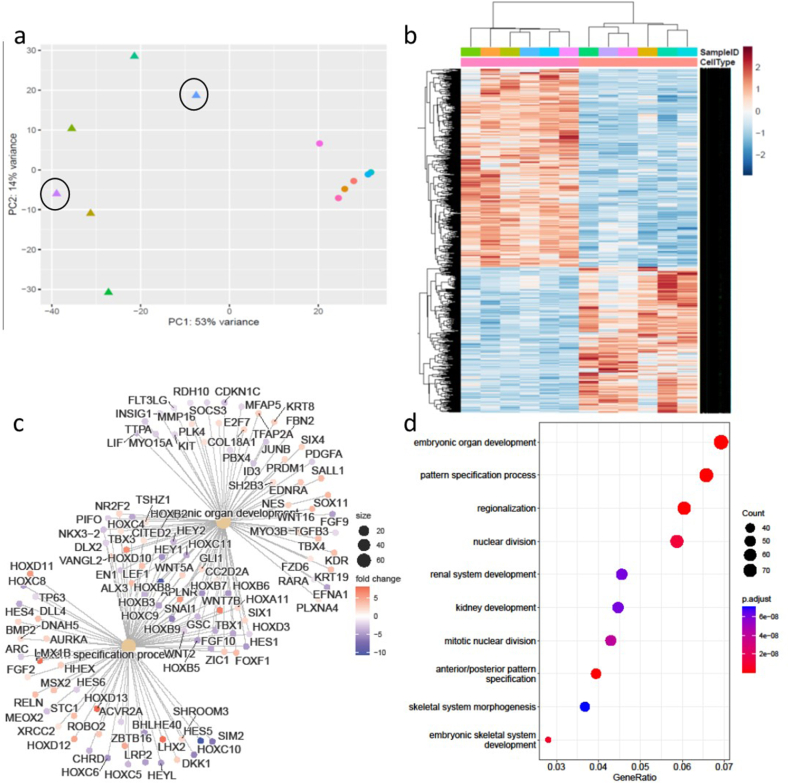
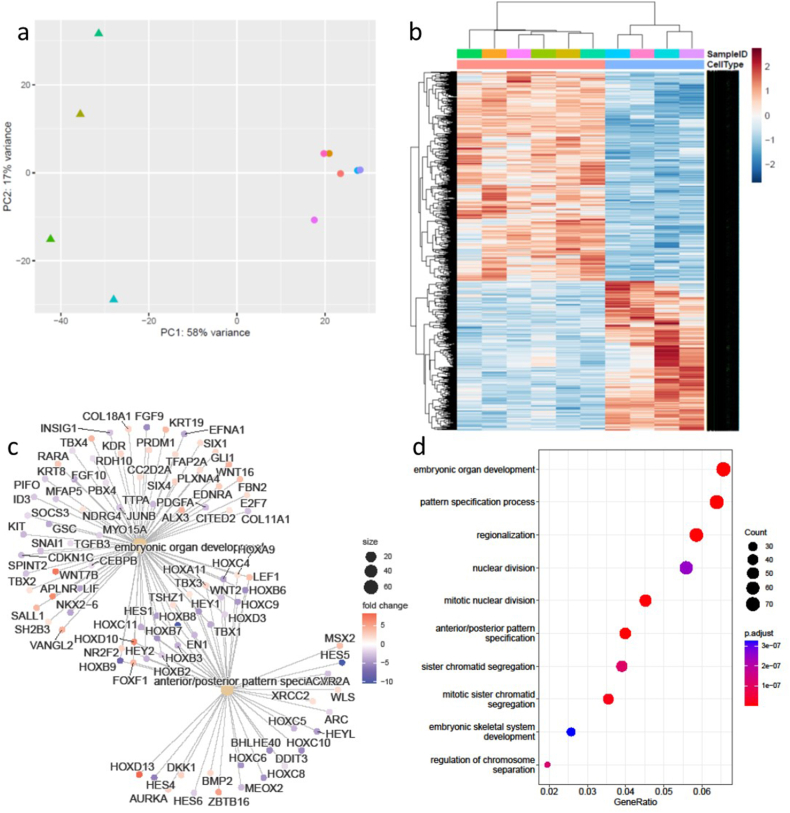
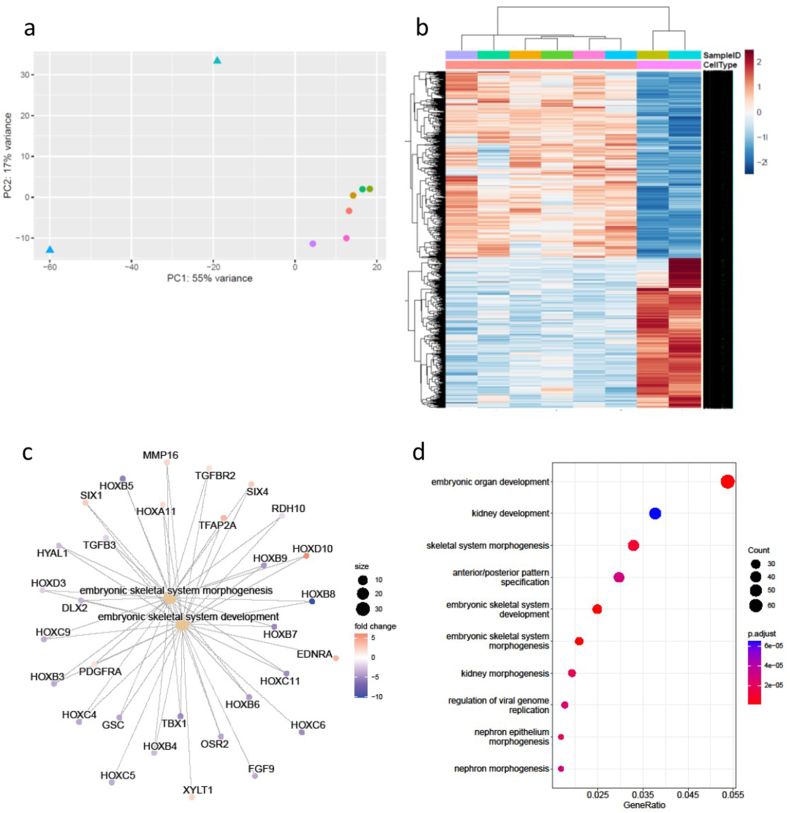
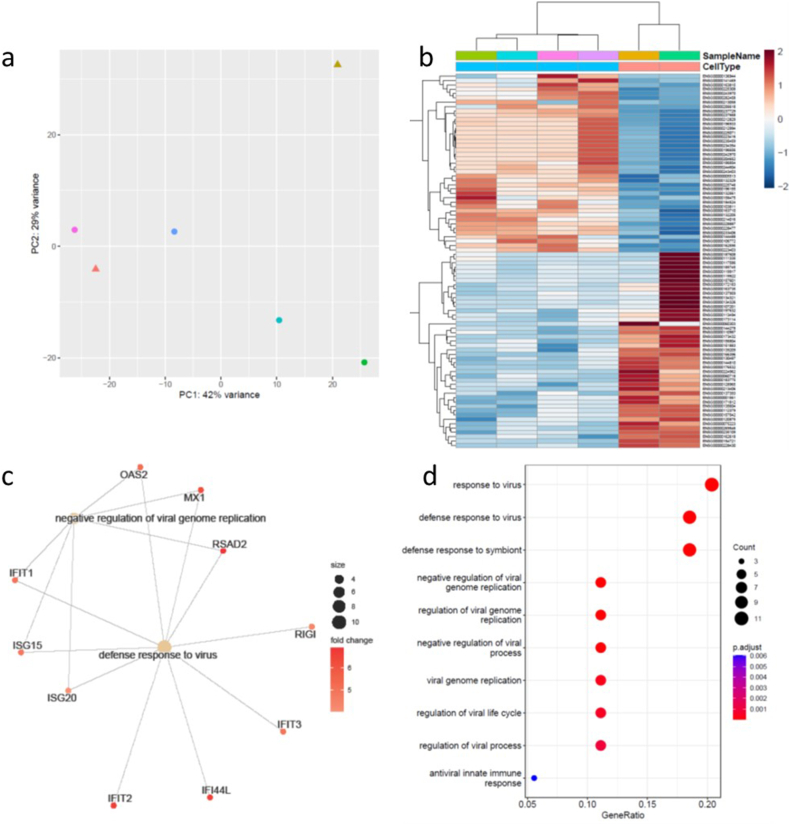
Analysis of the transcriptomes from DD patient and normal skin fibroblasts showed significant differences, including in WNT4 expression. Downregulation of WNT4 in normal skin fibroblasts using siRNA led to 'DD-like' changes in the transcriptome.
In people susceptible to DD WNT4 is downregulated even in non-fibrotic fibroblasts. Knockdown of WNT4 in normal fibroblasts led to changes that made cells 'DD-like'. This study shows that WNT4 is down regulated in 'non-disease' cells, and that downregulating WNT4 in normal skin fibroblasts leads to widespread 'DD like' changes in the transcriptome, suggesting WNT4 downregulation is a key driver of DD.
杜普伊特伦挛缩症(DD)是一种病因不明的纤维增生性疾病。先前的研究表明多个WNT信号基因/蛋白与杜普伊特伦病理相关,包括WNT4。然而,WNT信号失调在该疾病的起始或进展中是否起重要作用尚不清楚。本研究的目的是确定WNT4表达缺失是否会在健康皮肤成纤维细胞的转录组中引发“杜普伊特伦样”变化。
从健康成年男性的手腕以及一个杜普伊特伦病阳性家族中男性的手腕和病变条索组织中分离成纤维细胞。用WNT4小干扰RNA(siRNA)和乱序对照处理健康对照的正常皮肤成纤维细胞。RNA测序用于分析杜普伊特伦病患者的病变和非病变成纤维细胞以及经siRNA处理和未处理的对照成纤维细胞的转录组。
对DD患者和正常皮肤成纤维细胞的转录组分析显示出显著差异,包括WNT4表达。使用siRNA下调正常皮肤成纤维细胞中的WNT4导致转录组出现“DD样”变化。
在易患DD的人群中,即使在非纤维化的成纤维细胞中WNT4也会下调。在正常成纤维细胞中敲低WNT4会导致细胞出现“DD样”变化。本研究表明WNT4在“非病变”细胞中下调,并且在正常皮肤成纤维细胞中下调WNT4会导致转录组出现广泛的“DD样”变化,提示WNT4下调是DD的关键驱动因素。