Department of Zoology, Kakatiya University, Hanamkonda, Warangal, Telangana, India.
Department of Pharmacy, Chaitanya (Deemed to be University), Kishanpura, Hanamkonda, Warangal, Telangana, India.
Indian J Med Res. 2024 Jul;160(1):78-86. doi: 10.25259/IJMR_2115_23.
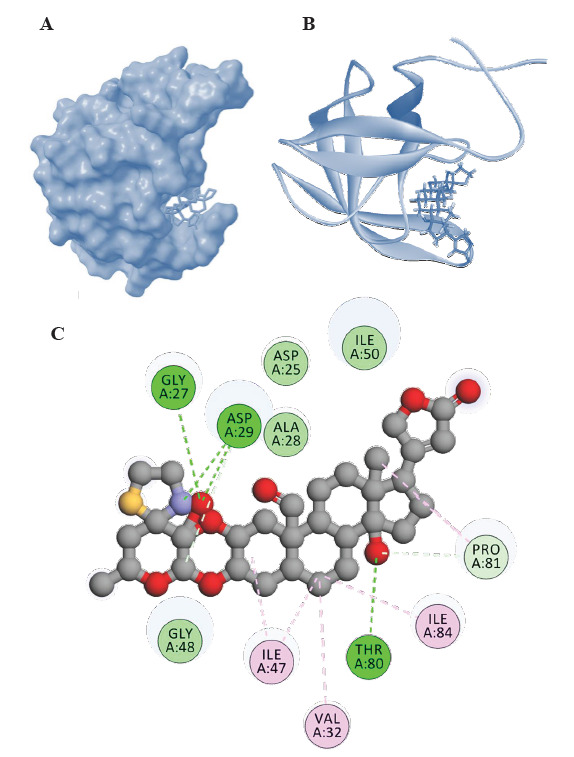
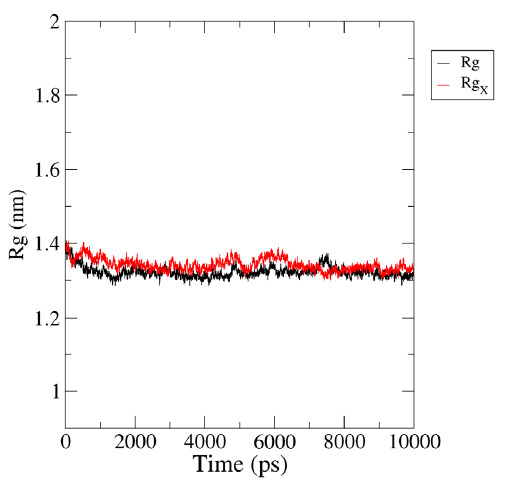
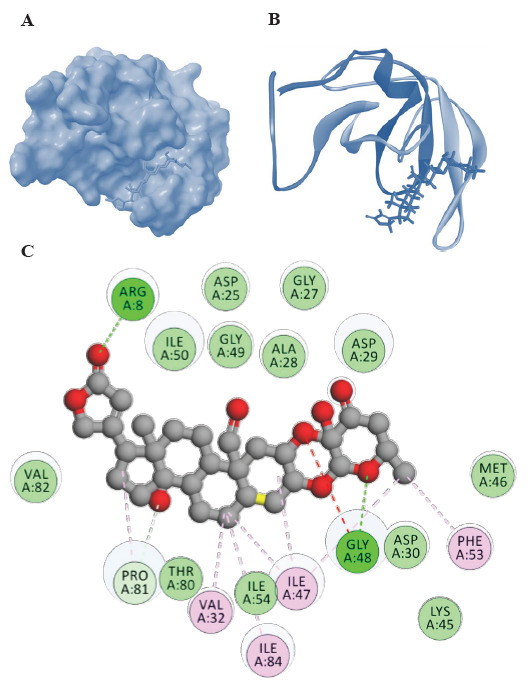
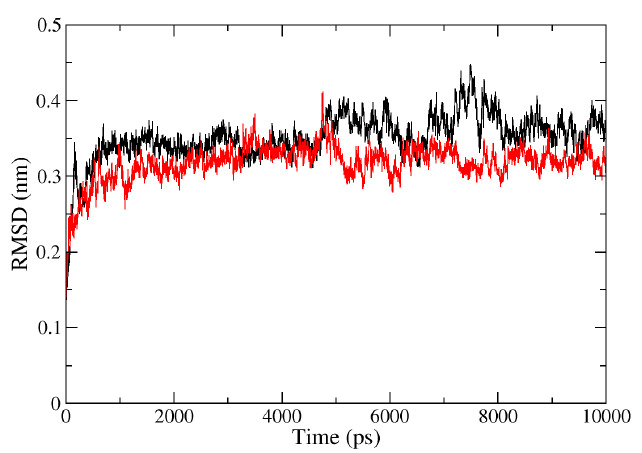
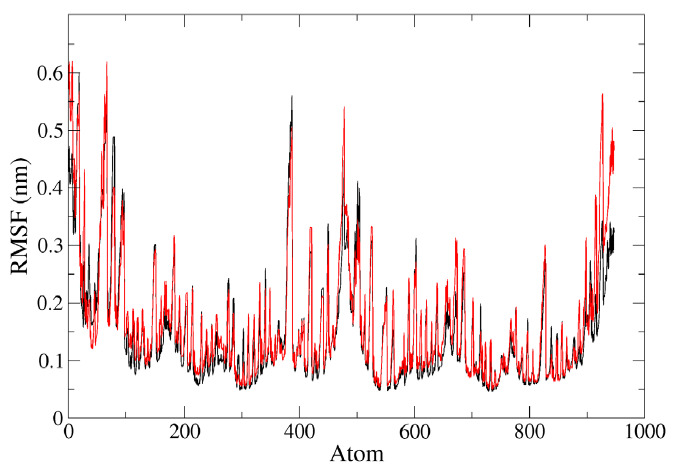
Background & objectives Despite advancements in antiretroviral therapy, drug-resistant strains of HIV (human immunodeficiency virus) remain a global health concern. Natural compounds from medicinal plants offer a promising avenue for developing new HIV-1 PR (protease) inhibitors. This study aimed to explore the potential of compounds derived from Calotropis procera, a medicinal plant, as inhibitors of HIV-1 PR. Methods This in silico study utilized natural compound information and the crystal structure of HIV-1 PR. Molecular docking of 17 steroidal cardenolides from Calotropis procera against HIV-1 PR was performed using AutoDock 4.2 to identify compounds with higher antiviral potential. A dynamic simulation study was performed to provide insights into the stability, binding dynamics, and potential efficacy of the top potential antiviral compound as an HIV-1 therapeutic. Results We found that all tested cardenolides had higher binding affinities than Amprenavir, indicating their potential as potent HIV-1 PR inhibitors. Voruscharin and uscharidin displayed the strongest interactions, forming hydrogen bonds and hydrophobic interactions with HIV-1 PR. Voruscharin showed improved stability with lower RMSD (Root Mean Square Deviation) values and reduced fluctuations in binding site residues but increased flexibility in certain regions. The radius of gyration analysis confirmed a stable binding pose between HIV-1 PR and Voruscharin. Interpretation & conclusions These findings suggest that Calotropis procera could potentially be a source of compounds for developing novel HIV-1 PR inhibitors, contributing to the efforts to combat HIV. Further studies and clinical trials are needed to evaluate the safety and efficacy of these compounds as potential drug candidates for the treatment of HIV-1 infection.
尽管抗逆转录病毒疗法取得了进展,但耐药性 HIV(人类免疫缺陷病毒)株仍然是全球健康关注的问题。药用植物中的天然化合物为开发新型 HIV-1 PR(蛋白酶)抑制剂提供了有前途的途径。本研究旨在探索从药用植物牛角瓜中提取的化合物作为 HIV-1 PR 抑制剂的潜力。
本计算机模拟研究利用天然化合物信息和 HIV-1 PR 的晶体结构。使用 AutoDock 4.2 对 17 种来自牛角瓜的甾体卡烯内酯进行 HIV-1 PR 的分子对接,以鉴定具有更高抗病毒潜力的化合物。进行动态模拟研究,以深入了解作为 HIV-1 治疗药物的最具潜力的抗病毒化合物的稳定性、结合动力学和潜在疗效。
我们发现所有测试的卡烯内酯与 Amprenavir 相比具有更高的结合亲和力,表明它们具有作为潜在强效 HIV-1 PR 抑制剂的潜力。Voruscharin 和 uscharidin 与 HIV-1 PR 形成最强的相互作用,形成氢键和疏水相互作用。Voruscharin 表现出更好的稳定性,其 RMSD(均方根偏差)值更低,结合部位残基的波动减少,但某些区域的灵活性增加。回转半径分析证实了 HIV-1 PR 与 Voruscharin 之间稳定的结合构象。
这些发现表明,牛角瓜可能是开发新型 HIV-1 PR 抑制剂的化合物来源,为抗击 HIV 做出贡献。需要进一步的研究和临床试验来评估这些化合物作为治疗 HIV-1 感染的潜在药物候选物的安全性和疗效。