Cioffi Iolanda, Martini Daniela, Del Bo' Cristian, Brusamolino Antonella, Casiraghi Maria Cristina, Porrini Marisa, Riso Patrizia
Division of Human Nutrition, Department of Food, Environmental and Nutritional Sciences (DeFENS), Università degli Studi di Milano, 20133, Milan, Italy.
Curr Res Food Sci. 2024 Sep 19;9:100858. doi: 10.1016/j.crfs.2024.100858. eCollection 2024.
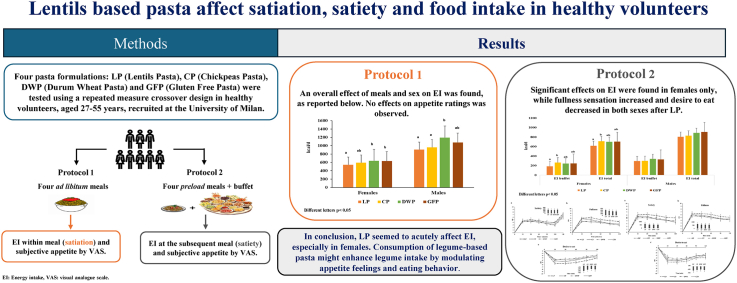
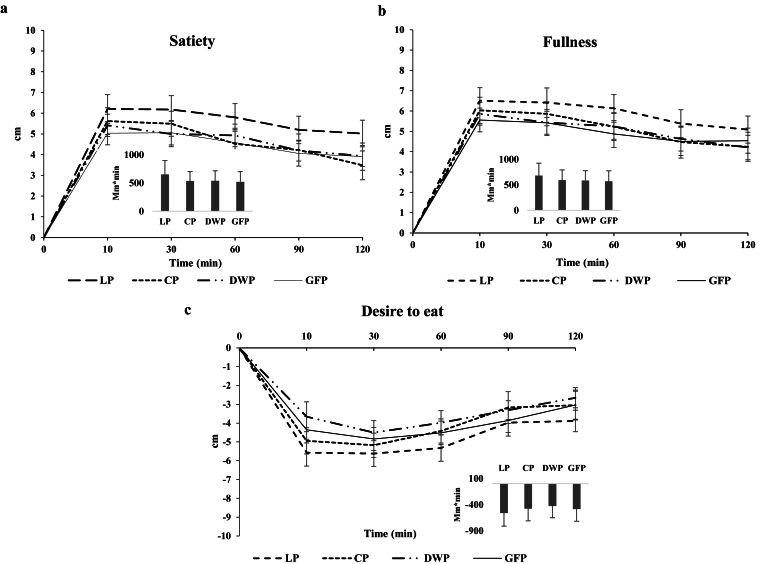
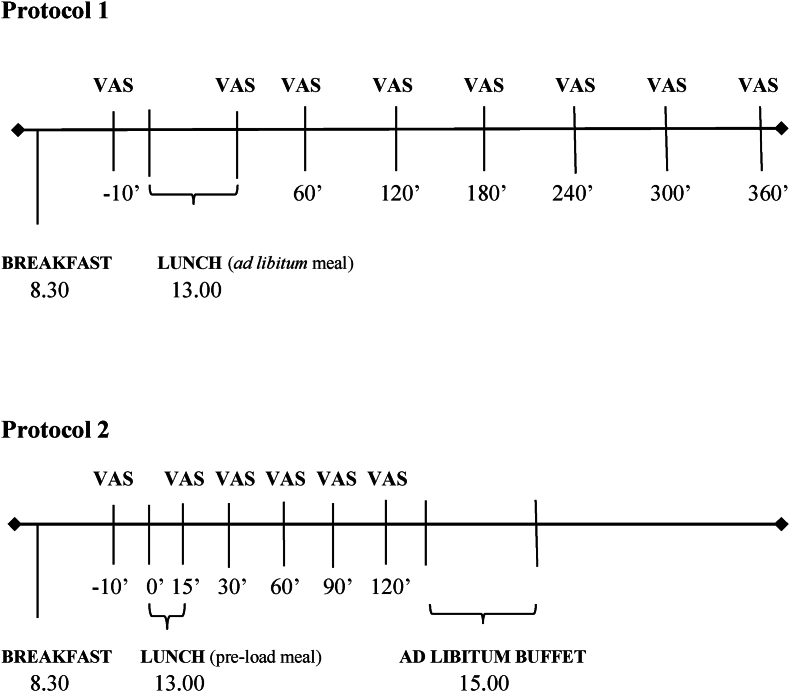
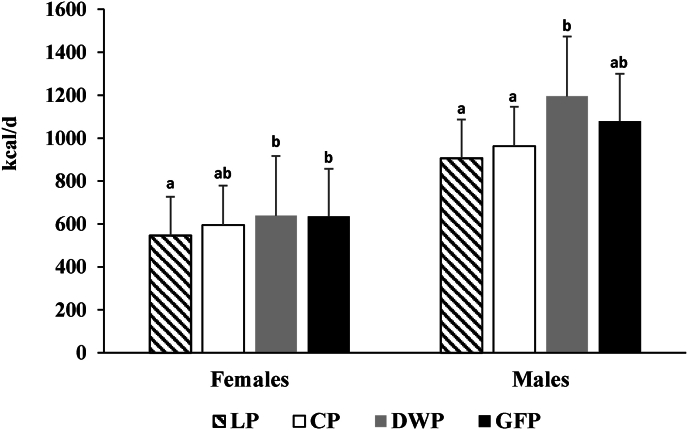
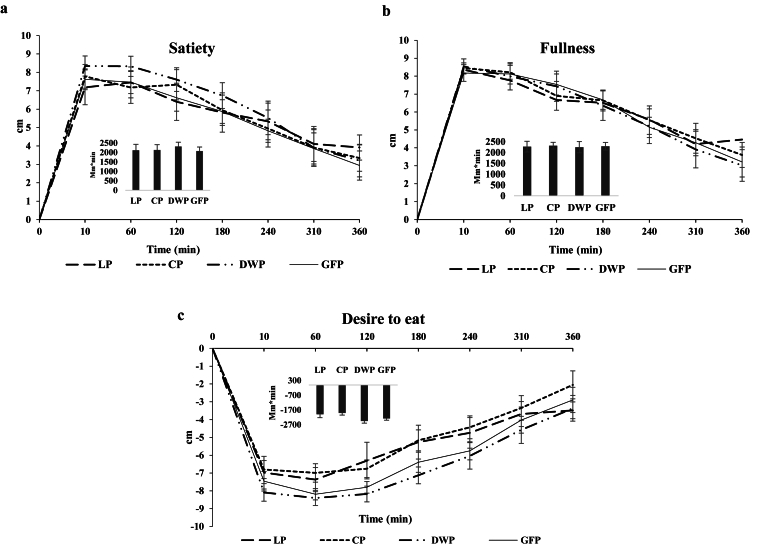
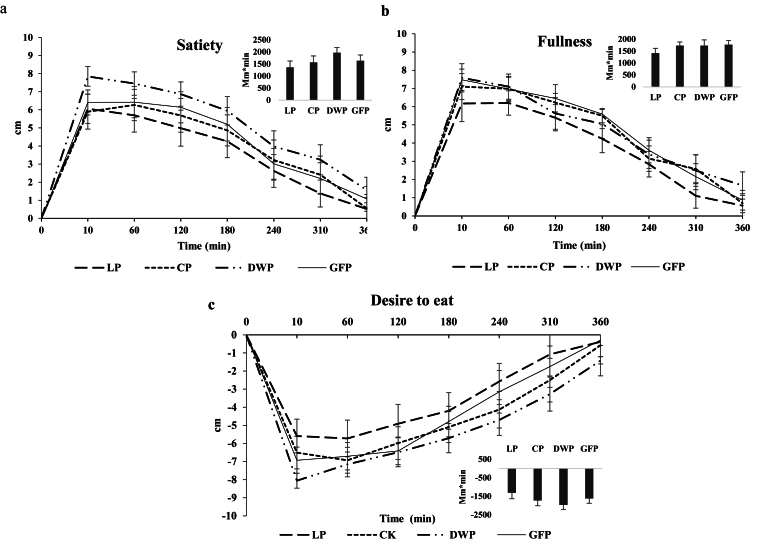
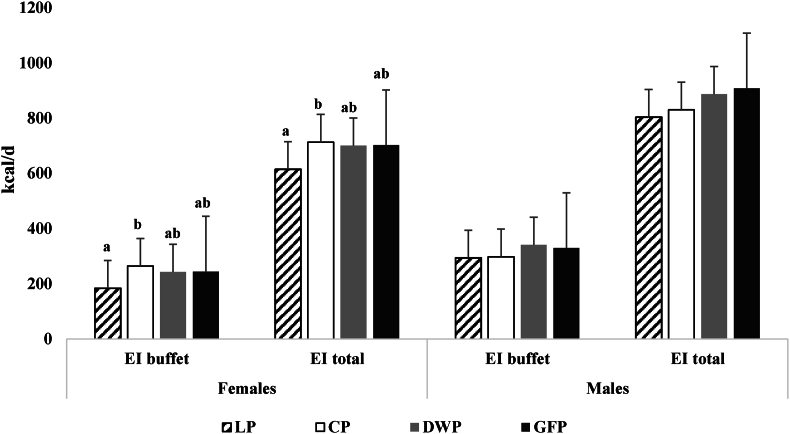
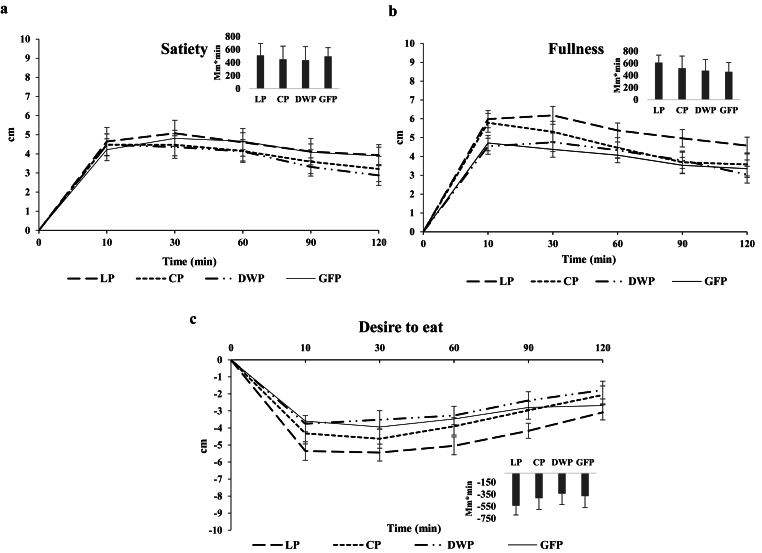
Plant-based diets represent a valid strategy to improve human health and increase food sustainability. The availability of legume-based products, a good source of proteins and fibers, could help consumers to promote healthy dietary patterns. The aim of this study was to examine the impact of different legume-based pastas on energy intake and appetite in healthy volunteers. Four (protocol 1) and iso-caloric pre-load meals (protocol 2) were tested using a randomized repeated measure design. The test meals consisted of lentils pasta (LP), chickpeas pasta (CP); durum wheat pasta (DWP) and gluten free pasta (GFP), served with tomato sauce. Protocol 1: the lunch meal was consumed then EI registered. Protocol 2: subjective appetite was assessed by visual analogue scale before and after the pre-load meal for 2 h until an buffet was served to assess EI. Twenty (age: 39.2 ± 8.41 years; BMI: 23.4 ± 3.4 kg/m) and 40 (age: 42.6 ± 8.7 years; BMI: 23.8 ± 4.2 kg/m) healthy subjects were respectively recruited for each protocol. ANCOVA analysis showed an overall effect of meals and sex on EI within meal and at the subsequent meal, resulting in a lower EI after LP compared to DWP (p < 0.05). Appetite sensations were significantly influenced solely after the pre-load meal, where repeated measures ANCOVA showed increased post-prandial satiety after LP and CP (p < 0.05) compared to DWP in females, whereas a reduction in desire to eat and higher fullness was found following LP compared to the other meals in both sexes (p < 0.05). Overall, lentil-based pasta seemed to acutely affect EI both within and at the subsequent meal, especially in females. Consumption of legume-based pasta might enhance legume intake by modulating appetite feelings and increasing food sustainability. However, further studies are needed to support these results in the long-term and considering different target populations.
以植物为基础的饮食是改善人类健康和提高食物可持续性的有效策略。豆类产品富含蛋白质和纤维,其可得性有助于消费者养成健康的饮食习惯。本研究旨在考察不同豆类面食对健康志愿者能量摄入和食欲的影响。采用随机重复测量设计对四种食物(方案1)和等热量预负荷餐(方案2)进行测试。测试餐包括小扁豆面食(LP)、鹰嘴豆面食(CP)、硬质小麦面食(DWP)和无麸质面食(GFP),均搭配番茄酱。方案1:食用午餐后记录能量摄入(EI)。方案2:在预负荷餐前后2小时,通过视觉模拟量表评估主观食欲,直至提供自助餐以评估EI。每个方案分别招募了20名(年龄:39.2±8.41岁;体重指数:23.4±3.4kg/m²)和40名(年龄:42.6±8.7岁;体重指数:23.8±4.2kg/m²)健康受试者。协方差分析显示,餐食和性别对餐内及后续餐的能量摄入有总体影响,与DWP相比,LP后能量摄入较低(p<0.05)。仅在预负荷餐后,食欲感觉受到显著影响,重复测量协方差分析显示,与DWP相比,女性食用LP和CP后餐后饱腹感增强(p<0.05),而与其他餐相比,两性食用LP后进食欲望降低且饱腹感更强(p<0.05)。总体而言,小扁豆面食似乎会在餐内及后续餐中对能量摄入产生急性影响,尤其是对女性。食用豆类面食可能通过调节食欲和提高食物可持续性来增加豆类摄入量。然而,需要进一步的研究来长期支持这些结果,并考虑不同的目标人群。