Division of Genetics and Genomics, Manton Center for Orphan Disease, Boston Children's Hospital, Boston, MA 02115, USA.
Bioinformatics and Integrative Genomics Program and Harvard/MIT MD-PHD Program, Harvard Medical School, Boston, MA 02115, USA.
Science. 2024 Oct 11;386(6718):217-224. doi: 10.1126/science.adq1456. Epub 2024 Oct 10.
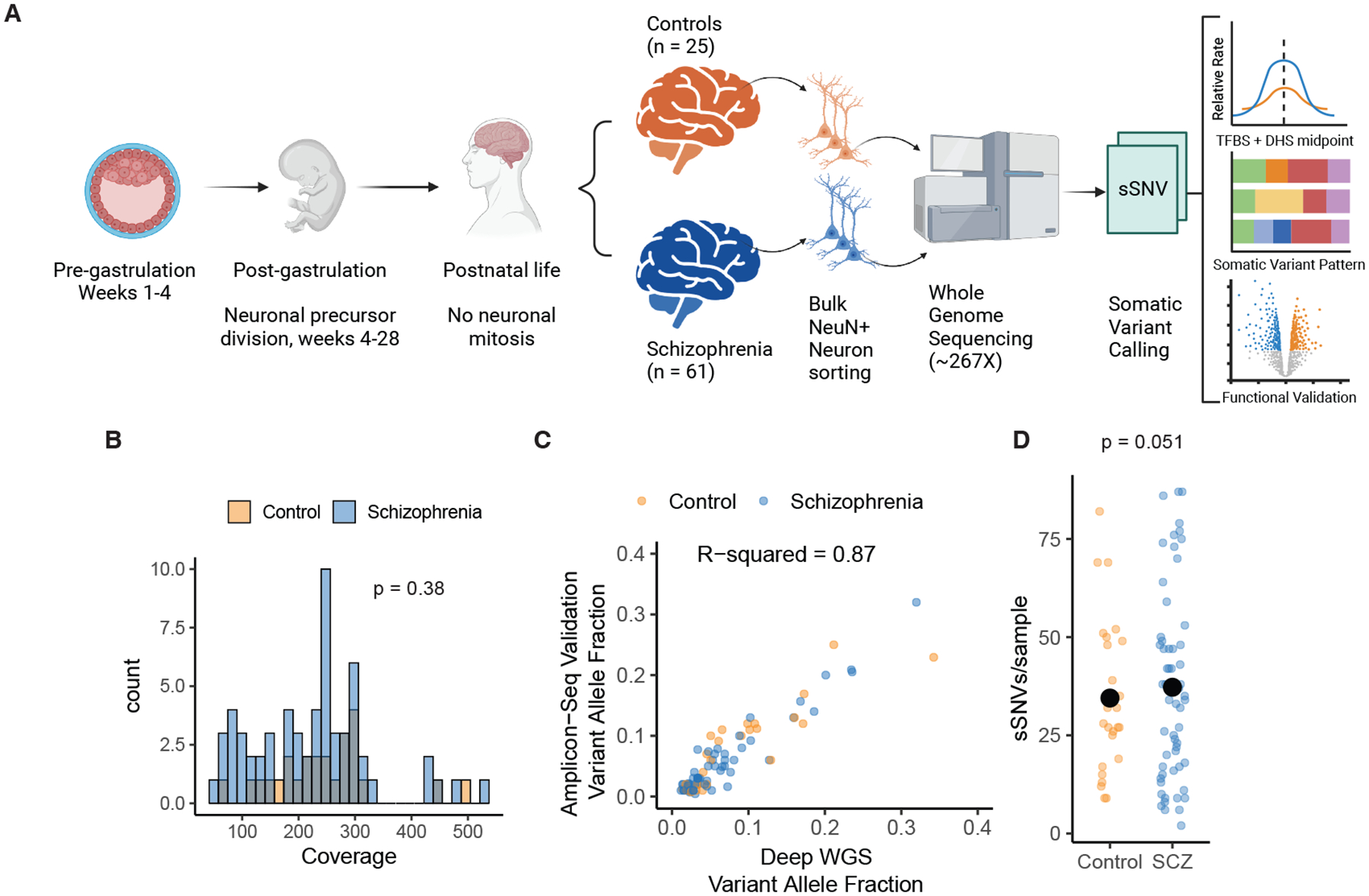
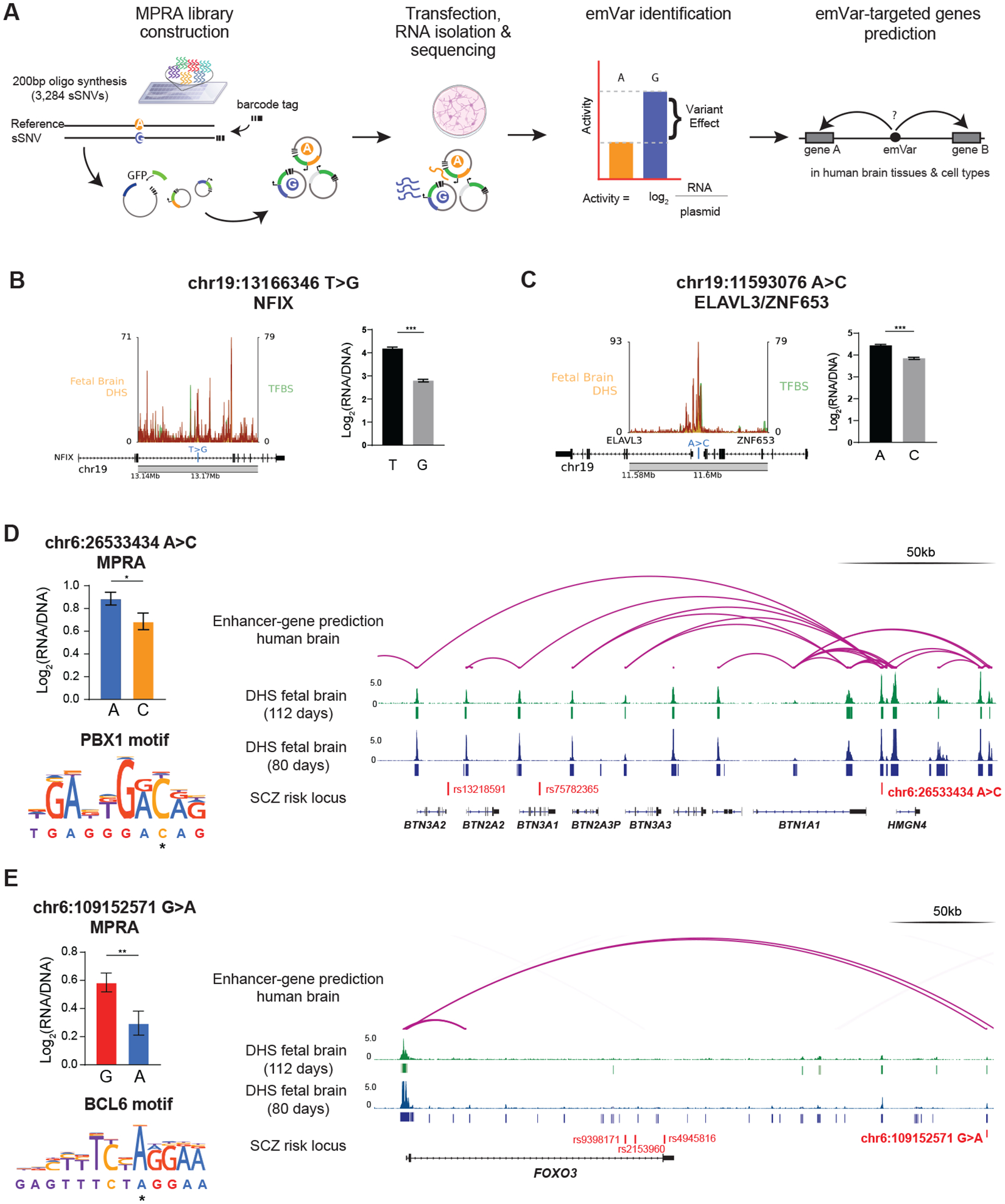
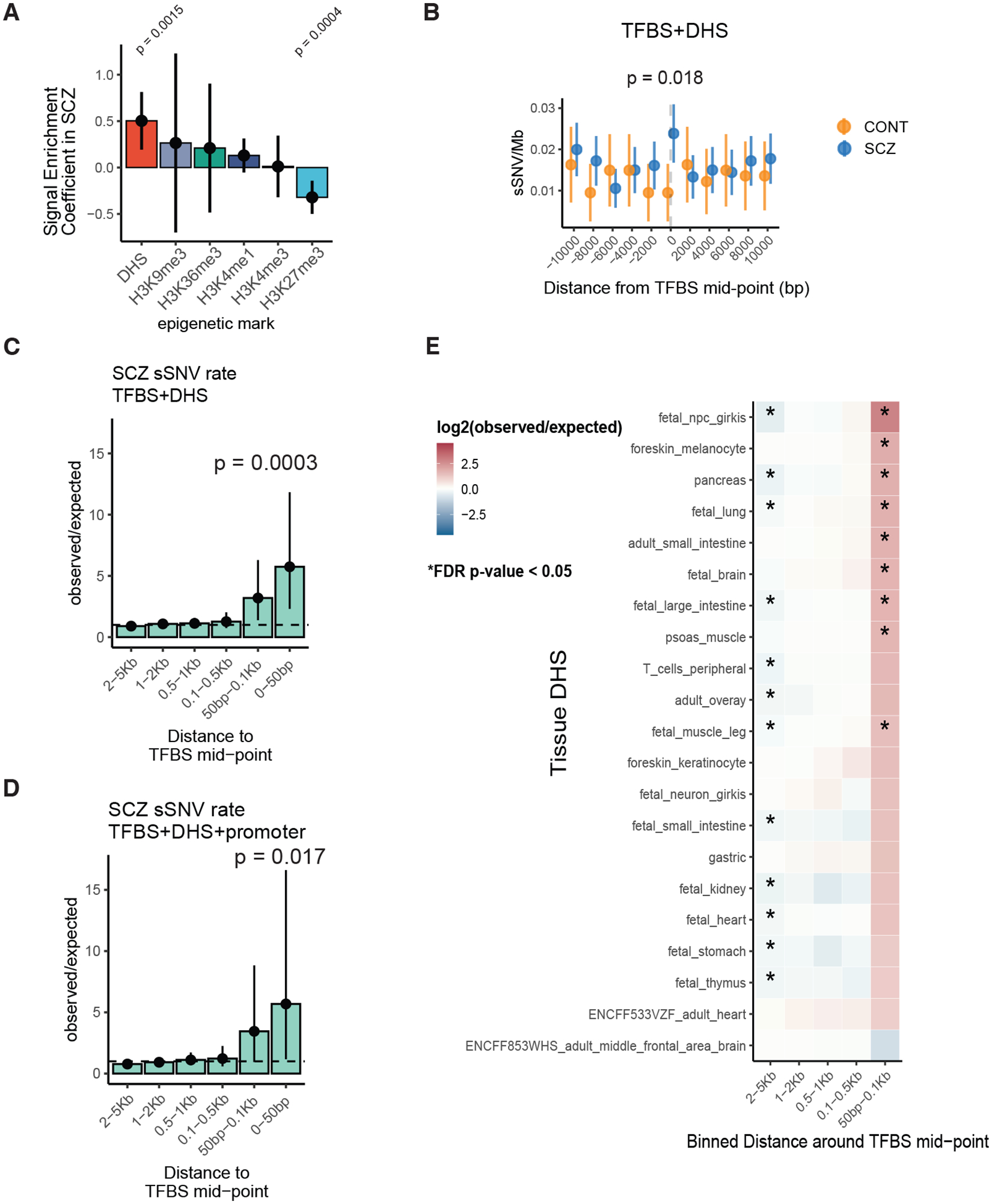
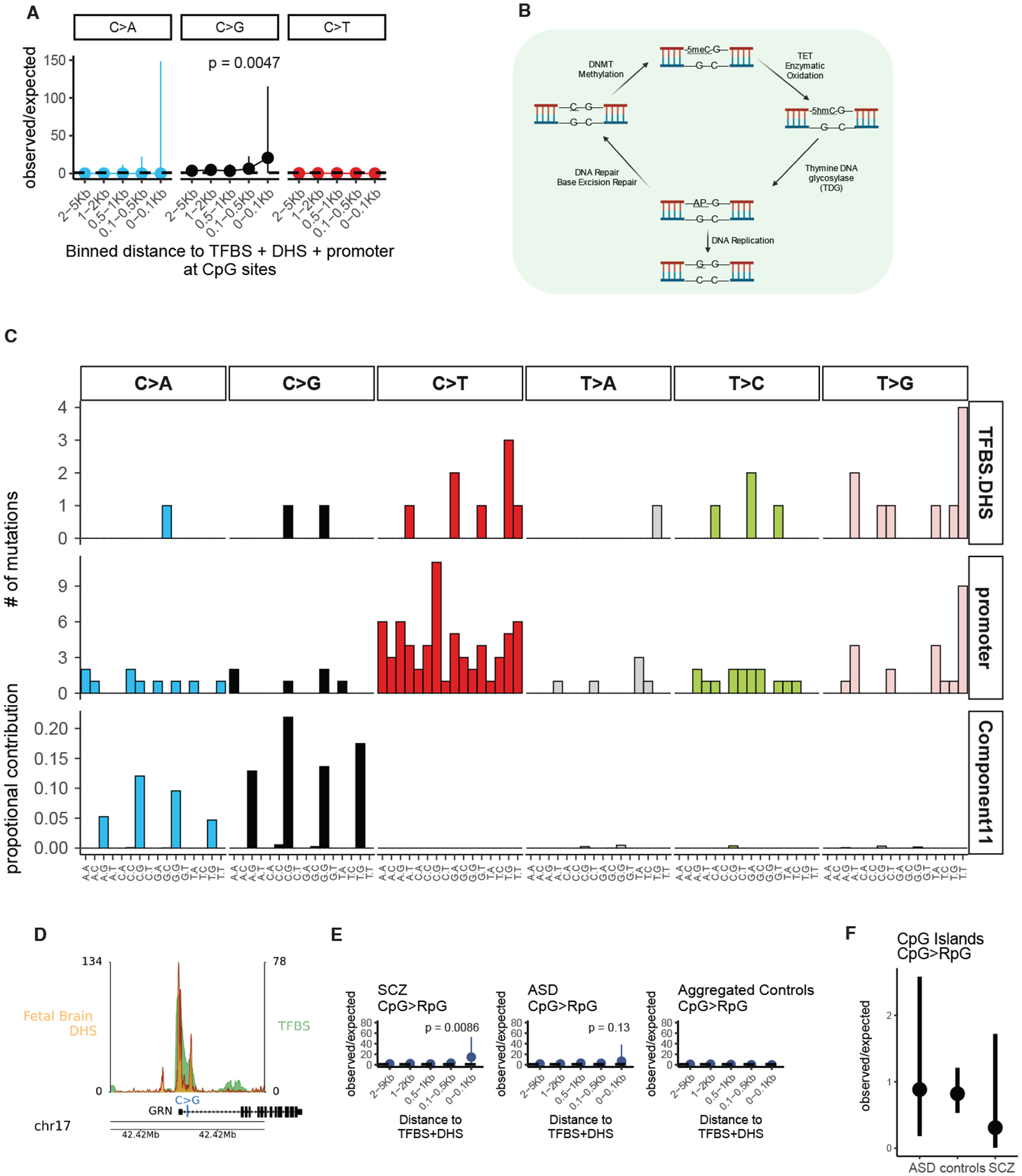
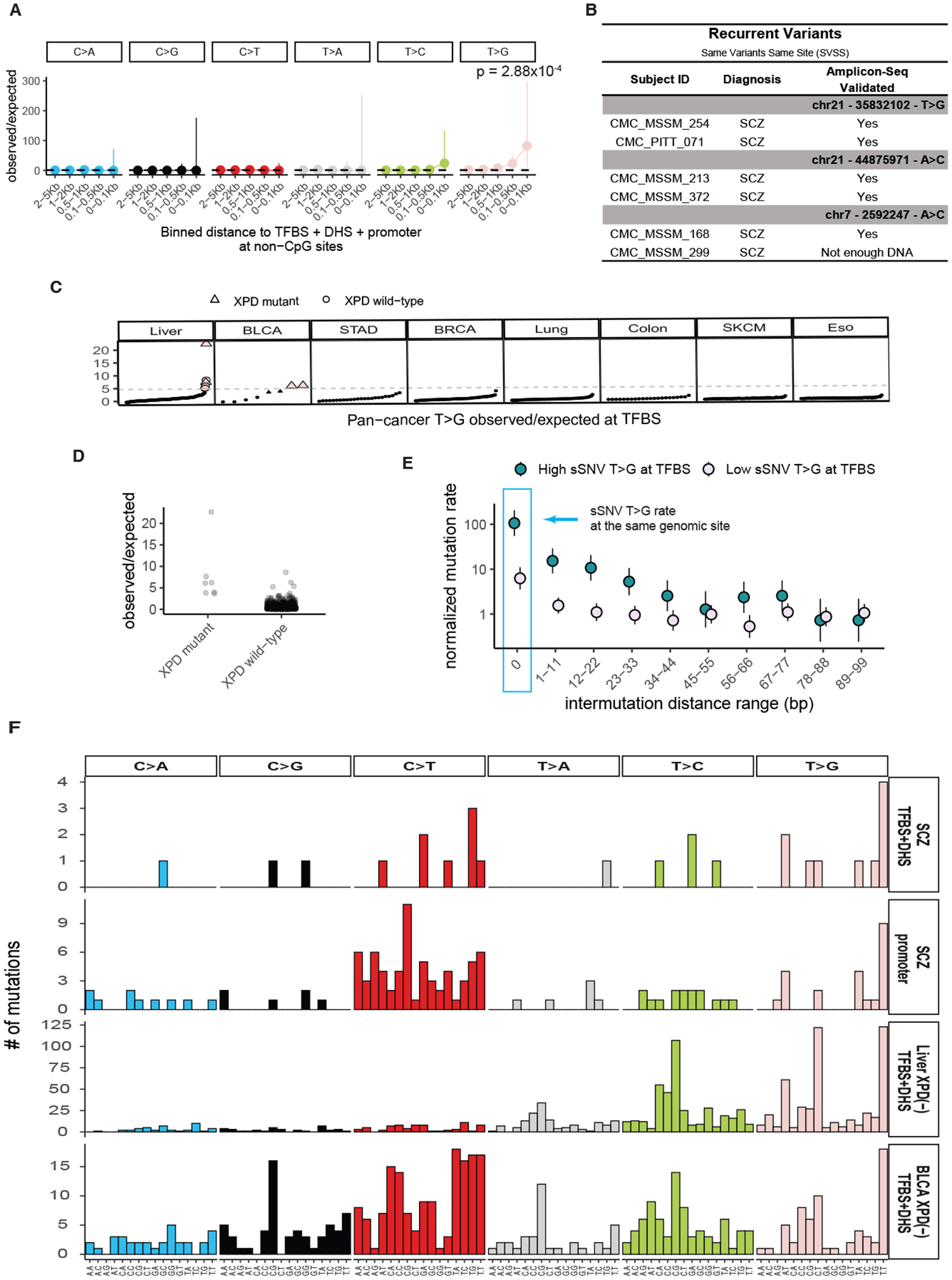
Germline mutations modulate the risk of developing schizophrenia (SCZ). Much less is known about the role of mosaic somatic mutations in the context of SCZ. Deep (239×) whole-genome sequencing (WGS) of brain neurons from 61 SCZ cases and 25 controls postmortem identified mutations occurring during prenatal neurogenesis. SCZ cases showed increased somatic variants in open chromatin, with increased mosaic CpG transversions (CpG>GpG) and T>G mutations at transcription factor binding sites (TFBSs) overlapping open chromatin, a result not seen in controls. Some of these variants alter gene expression, including SCZ risk genes and genes involved in neurodevelopment. Although these mutational processes can reflect a difference in factors indirectly involved in disease, increased somatic mutations at developmental TFBSs could also potentially contribute to SCZ.
胚系突变调节精神分裂症(SCZ)的发病风险。在 SCZ 背景下,镶嵌性体细胞突变的作用知之甚少。对 61 例 SCZ 病例和 25 例尸检对照的大脑神经元进行深度(239×)全基因组测序(WGS),鉴定了发生在产前神经发生过程中的突变。SCZ 病例表现出开放染色质中体细胞变异增加,伴有镶嵌性 CpG 颠换(CpG>GpG)和转录因子结合位点(TFBS)处的 T>G 突变增加,这在对照组中未观察到。其中一些变体改变了基因表达,包括 SCZ 风险基因和参与神经发育的基因。尽管这些突变过程可以反映间接参与疾病的因素的差异,但发育 TFBS 处的体细胞突变增加也可能导致 SCZ。