Department of Biochemistry, Molecular Biology and Biophysics, University of Minnesota, Minneapolis, MN, United States; Institute for Molecular Virology, University of Minnesota, Minneapolis, MN, United States; Masonic Cancer Center, University of Minnesota, Minneapolis, MN, United States.
Department of Biochemistry, Molecular Biology and Biophysics, University of Minnesota, Minneapolis, MN, United States; Institute for Molecular Virology, University of Minnesota, Minneapolis, MN, United States; Masonic Cancer Center, University of Minnesota, Minneapolis, MN, United States.
Methods Enzymol. 2024;705:311-345. doi: 10.1016/bs.mie.2024.08.001. Epub 2024 Aug 27.
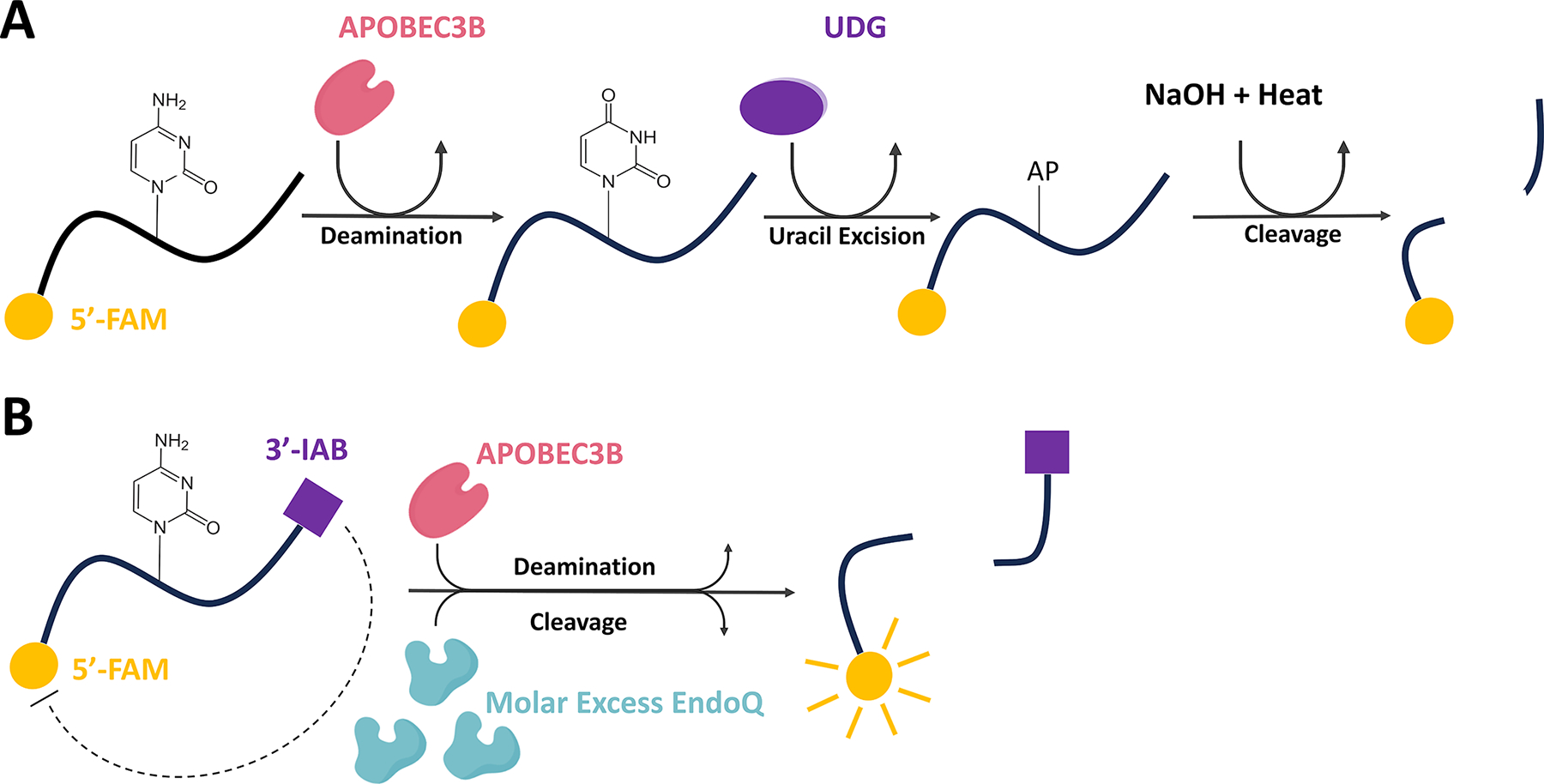
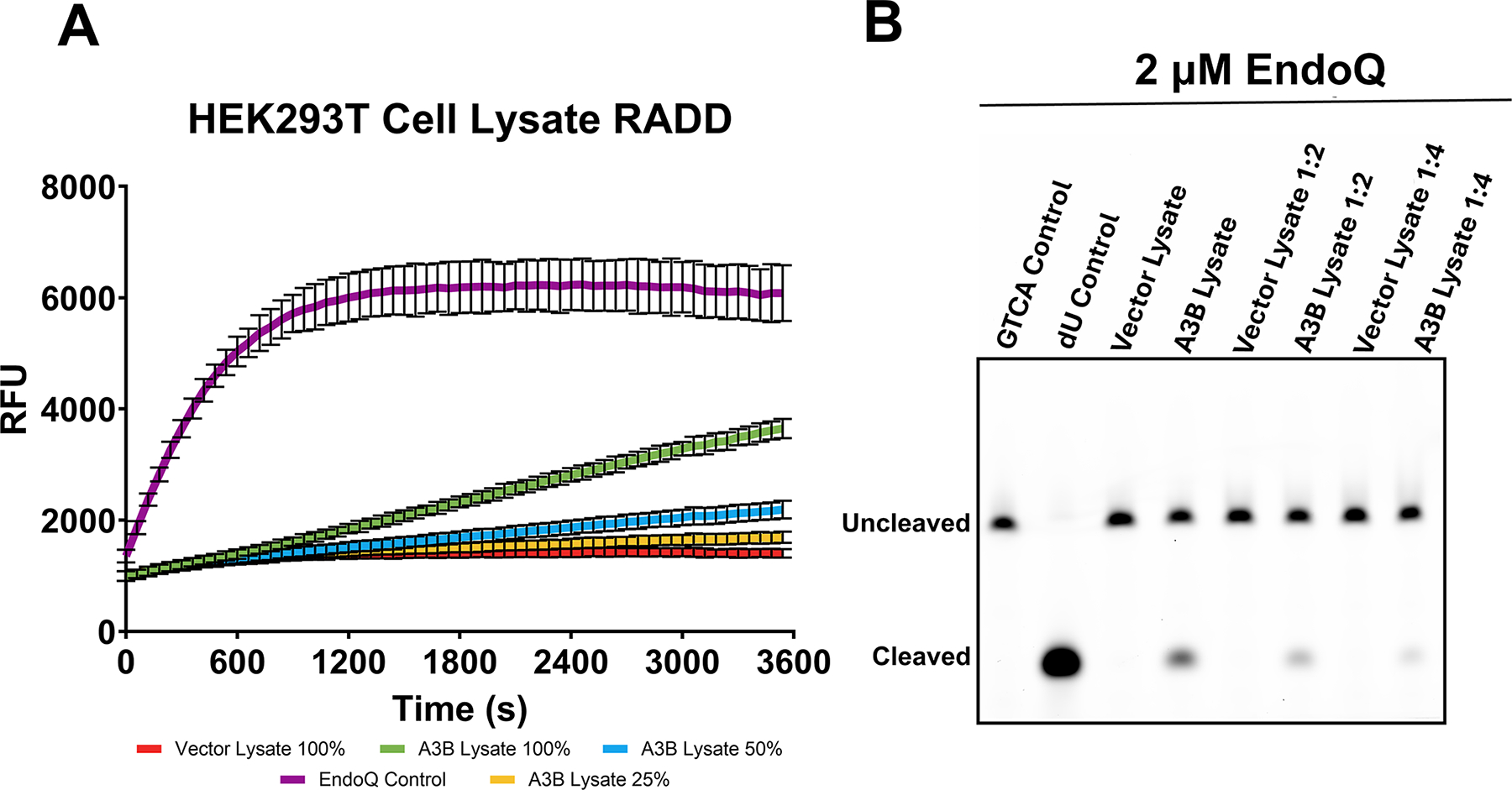
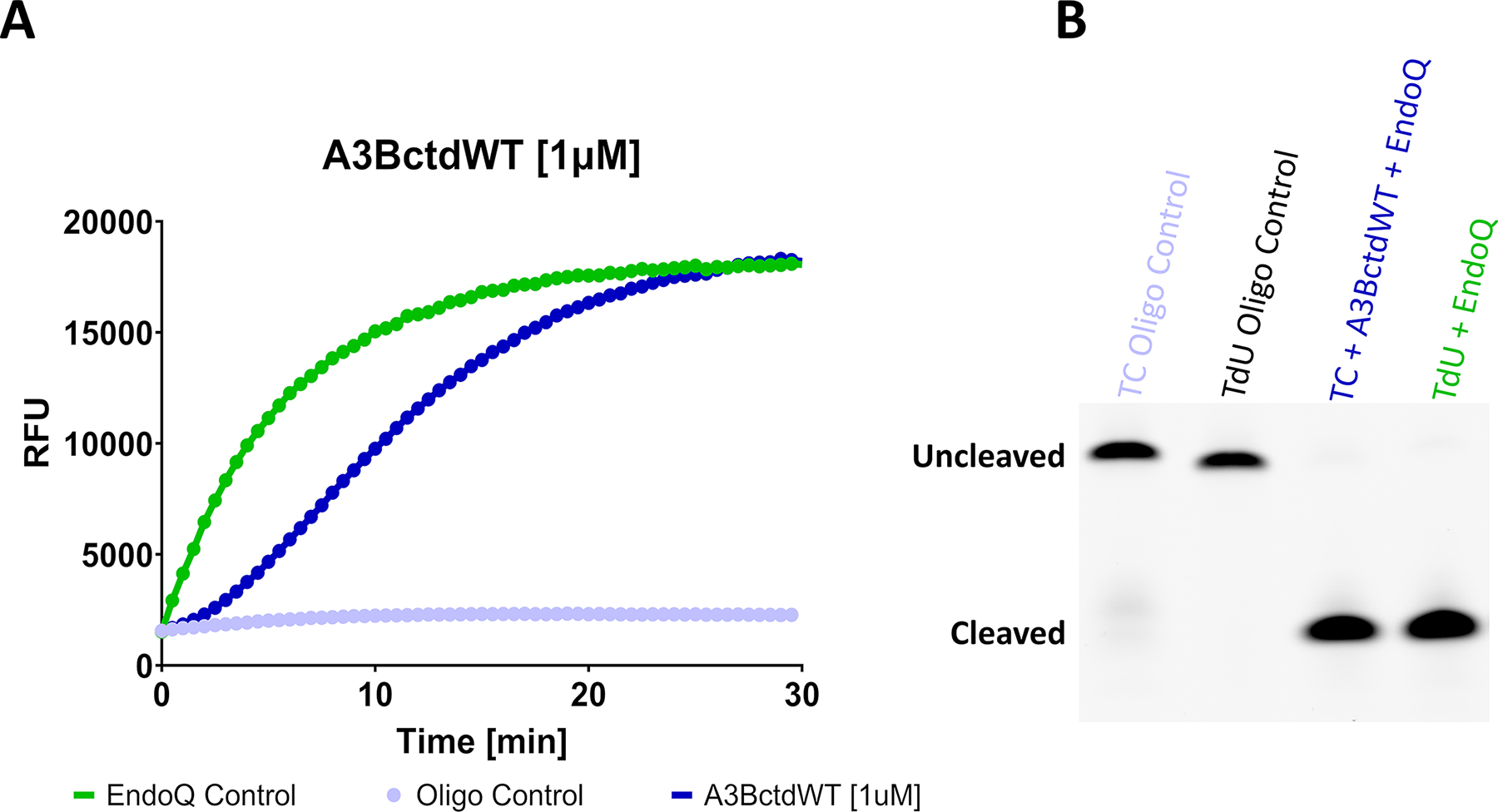
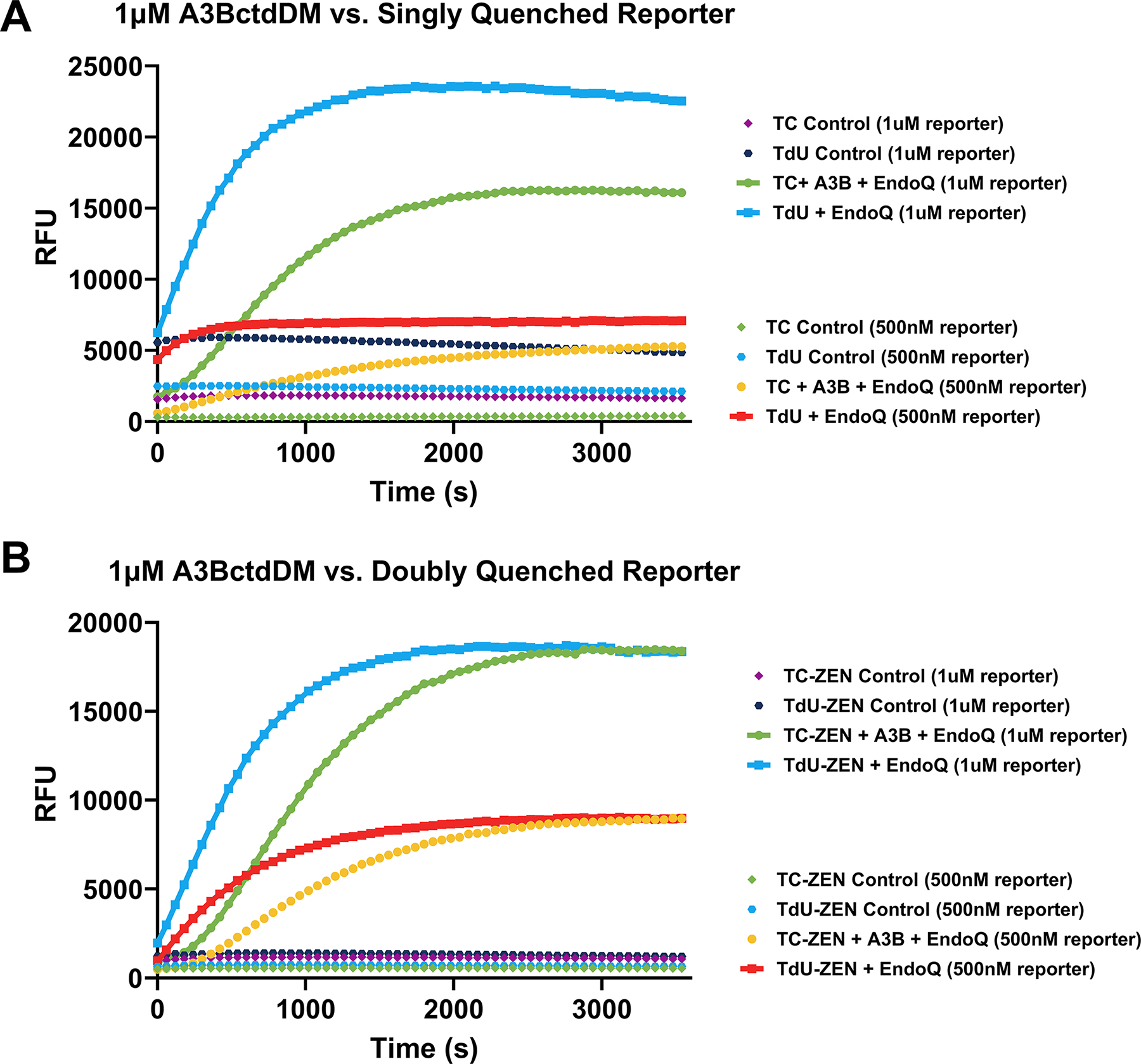
In recent years, the connection between APOBEC3 cytosine deaminases and cancer mutagenesis has become ever more apparent. This growing awareness and lack of inhibitory drugs has created a distinct need for biochemical tools that can be used to identify and characterize potential inhibitors of this family of enzymes. In response to this challenge, we have developed a Real-time APOBEC3-mediated DNA Deamination (RADD) assay. The RADD assay provides a rapid, real-time fluorescence readout of APOBEC3 DNA deamination and serves as a crucial addition to the existing APOBEC3 biochemical and cellular toolkit. This method improves upon contemporary DNA deamination assays by offering a more rapid and quantifiable readout as well as providing a platform that is readily adaptable to a high-throughput format for inhibitor discovery. In this chapter we provide a detailed guide for the usage of the RADD assay for the characterization of APOBEC3 enzymes and potential inhibitors.
近年来,APOBEC3 胞嘧啶脱氨酶与癌症诱变之间的联系变得越来越明显。这种日益增长的认识和缺乏抑制性药物,为生化工具创造了明显的需求,这些工具可以用于鉴定和表征这种酶家族的潜在抑制剂。为了应对这一挑战,我们开发了一种实时 APOBEC3 介导的 DNA 脱氨酶(RADD)测定法。RADD 测定法为 APOBEC3 DNA 脱氨酶提供了快速、实时的荧光读数,是现有 APOBEC3 生化和细胞工具包的重要补充。与当代 DNA 脱氨酶测定法相比,该方法通过提供更快速和可量化的读数以及提供易于适应高通量抑制剂发现的平台,提供了改进。在本章中,我们提供了详细的指南,用于使用 RADD 测定法来表征 APOBEC3 酶和潜在的抑制剂。