Weill Cornell Medicine, Department of Pathology and Laboratory Medicine, New York, United States.
Basic and Translational Research Division, Department of Cardiology, Boston Children's Hospital, Boston, United States.
Elife. 2024 Oct 11;13:RP94001. doi: 10.7554/eLife.94001.
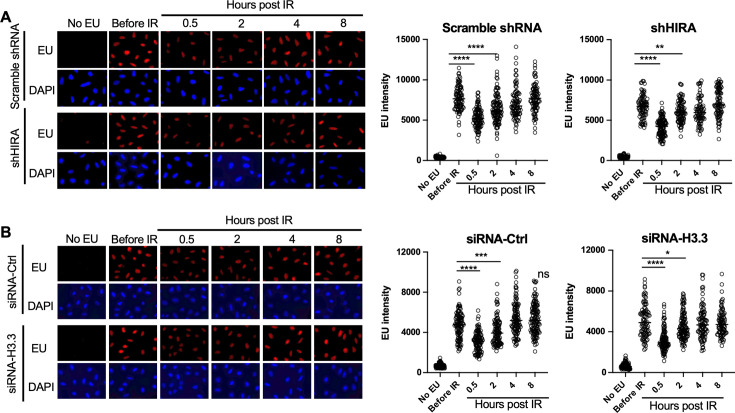
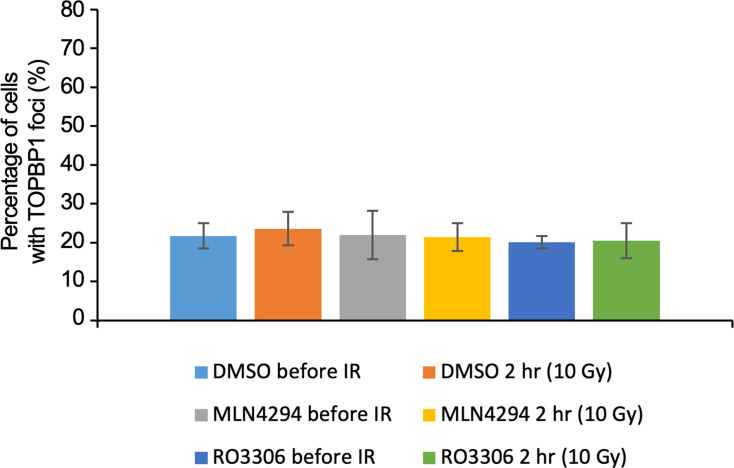
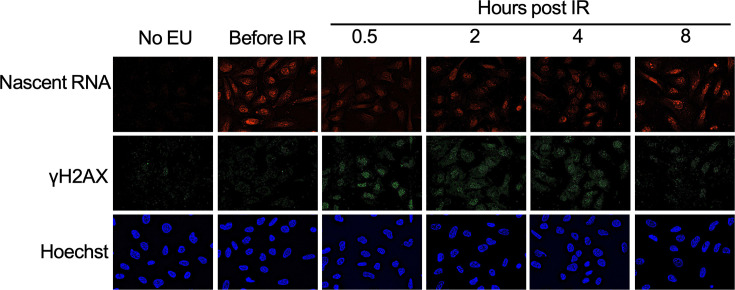
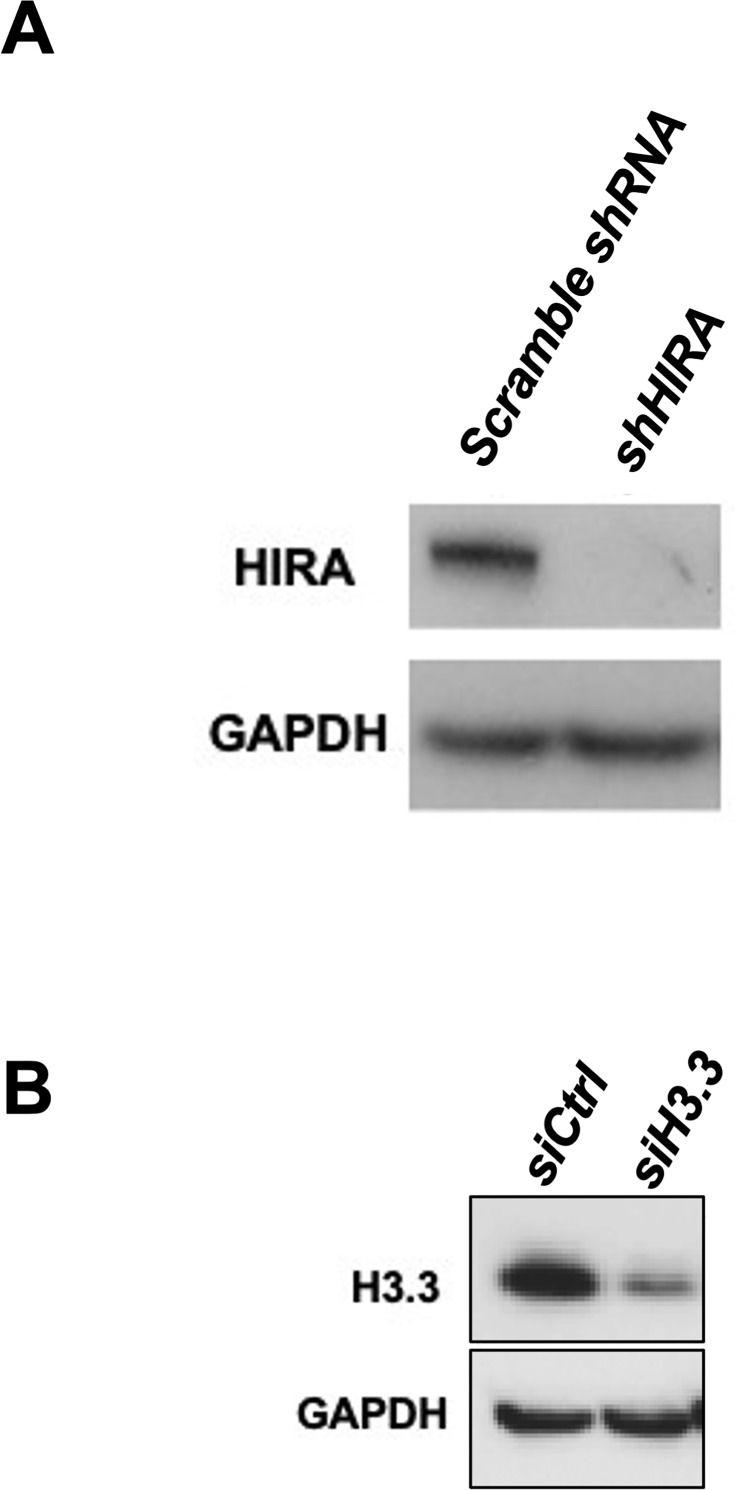
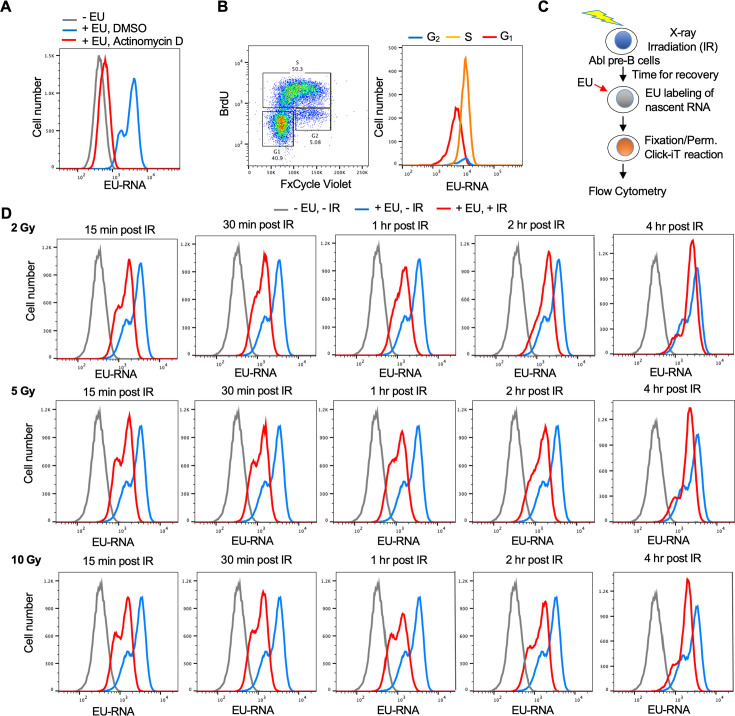
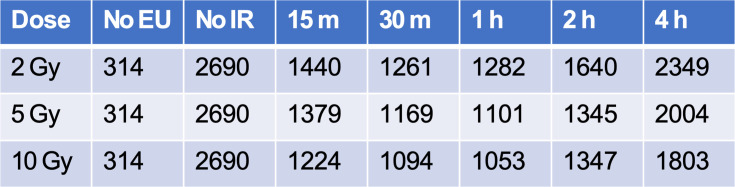
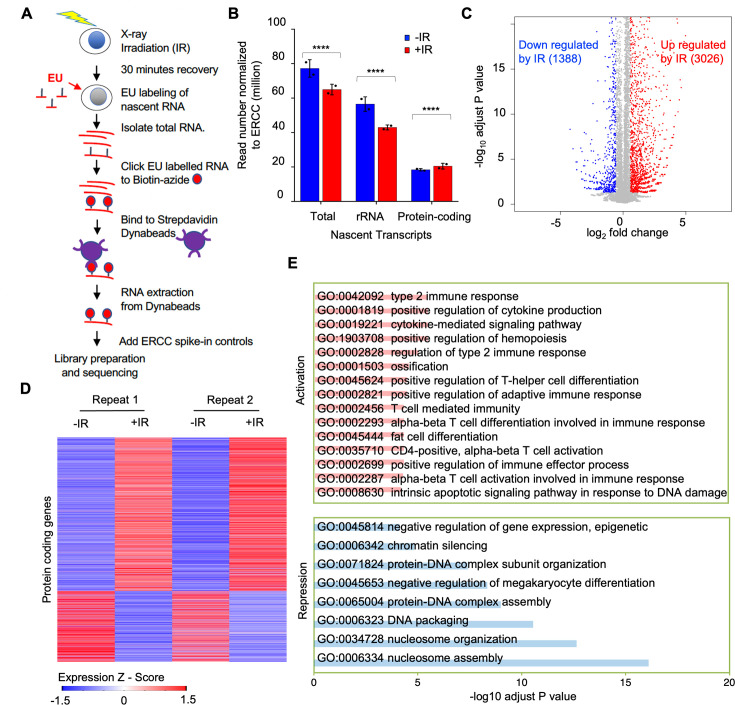
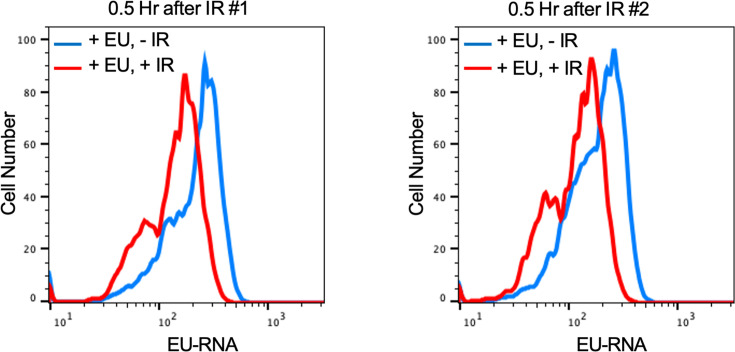
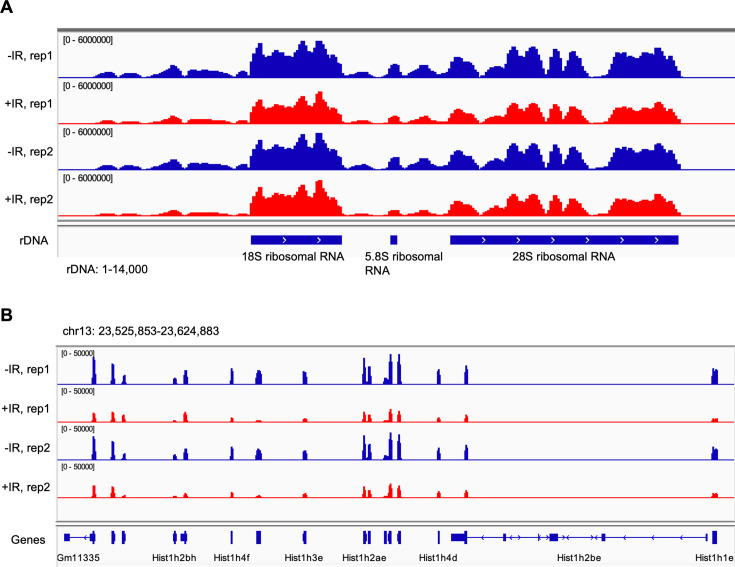
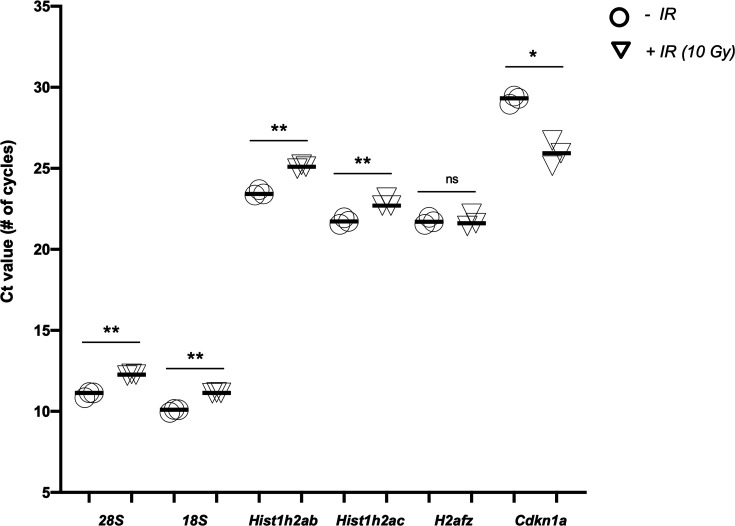
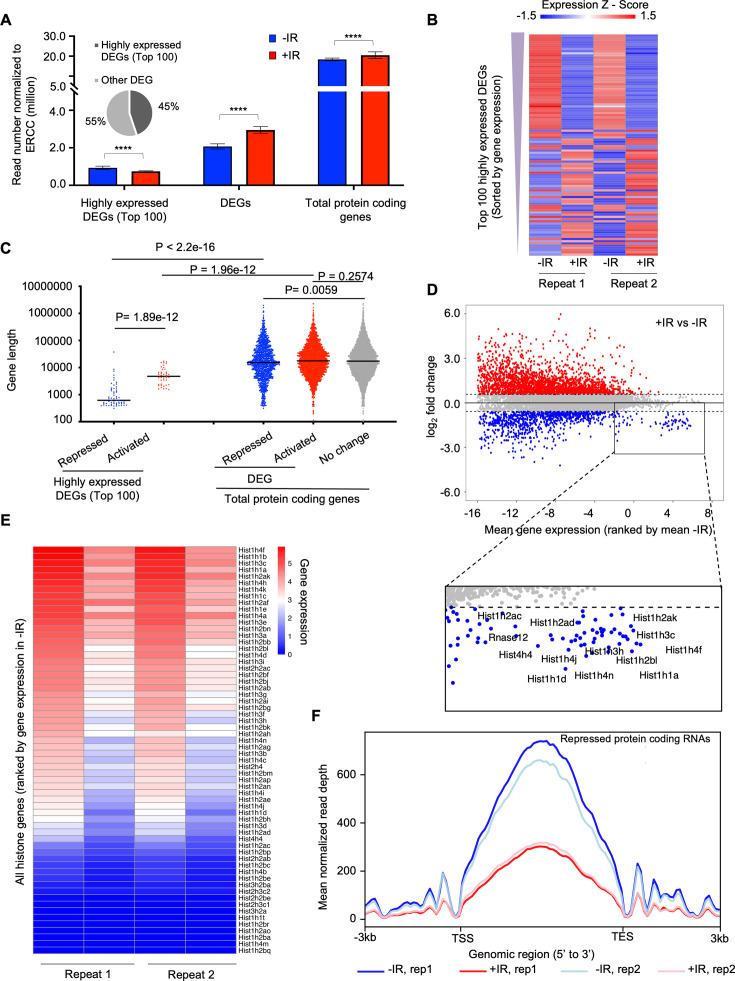
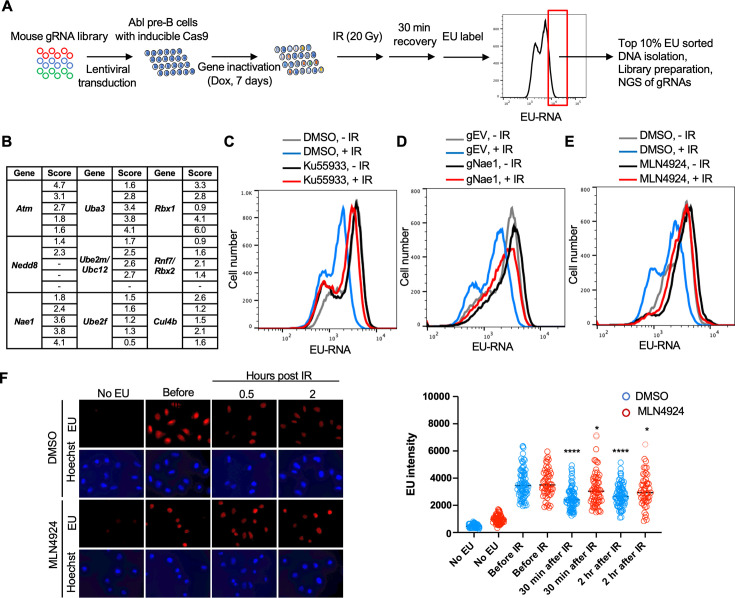
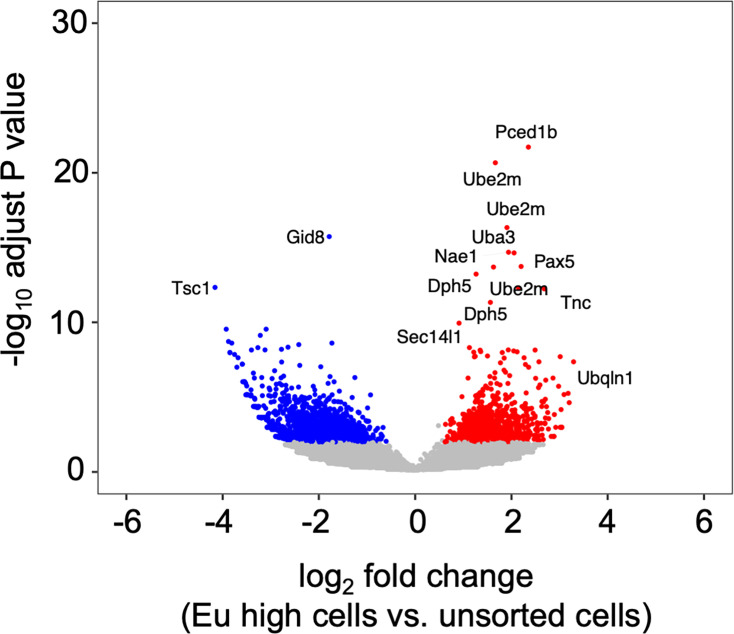
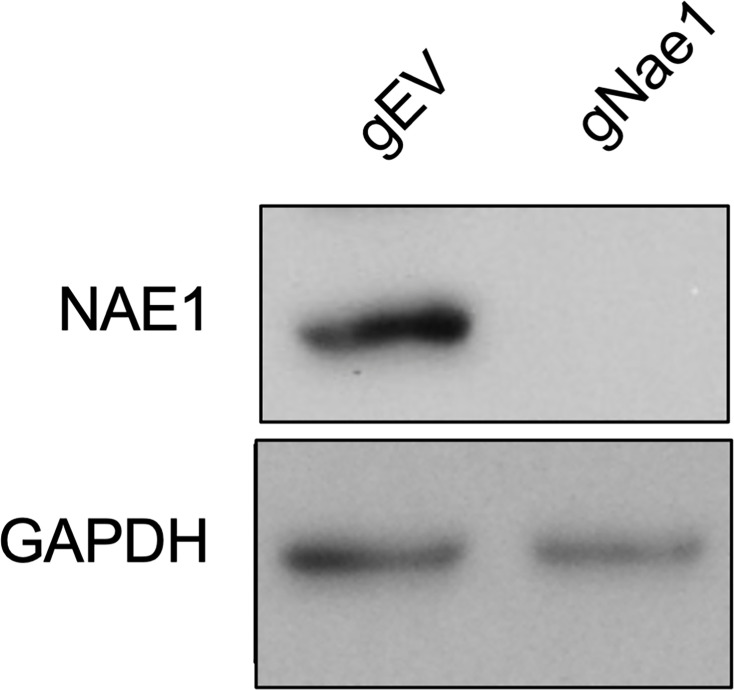
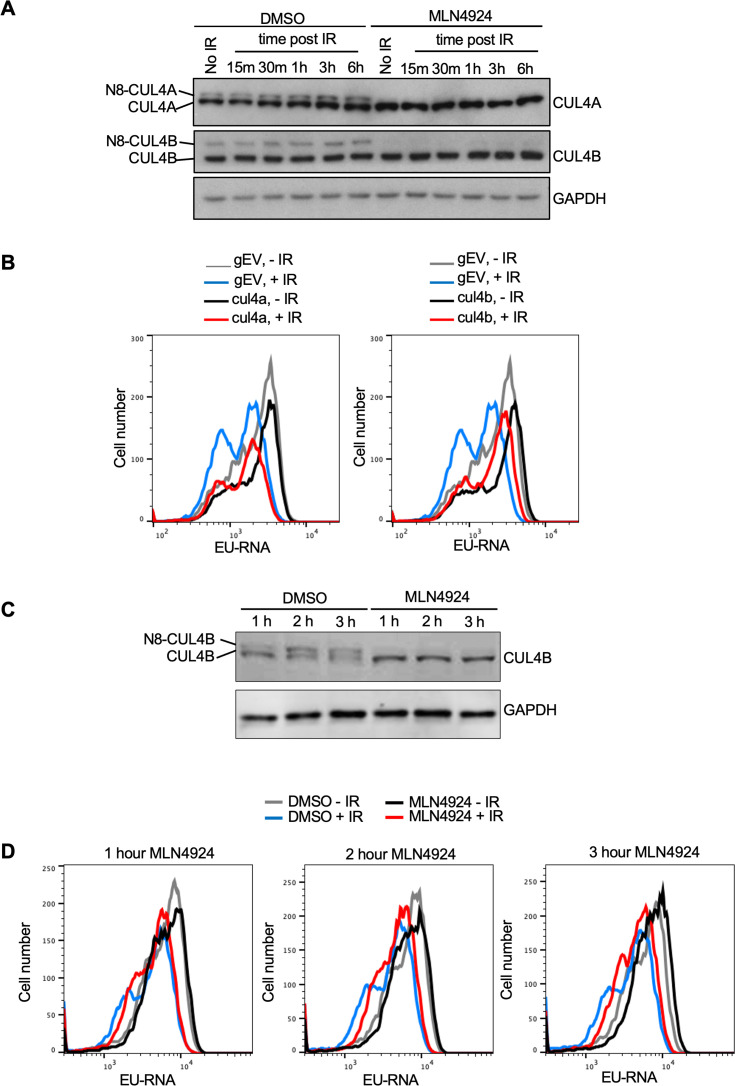
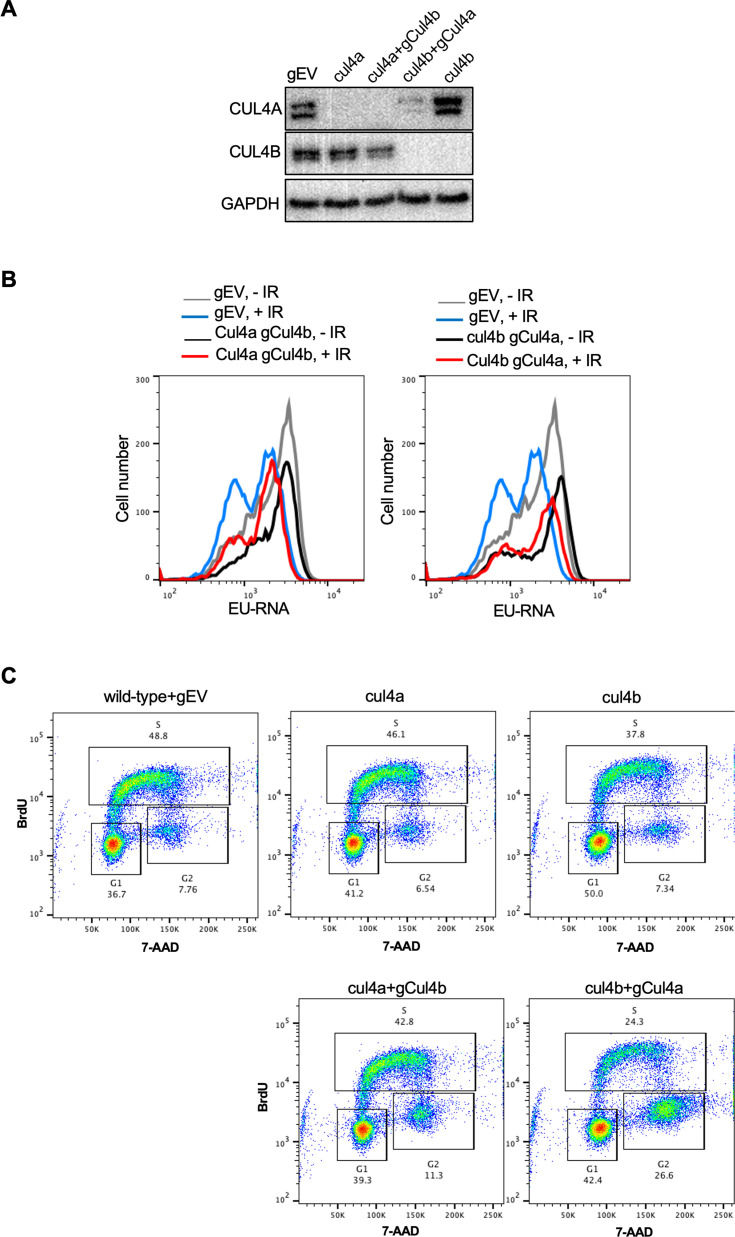
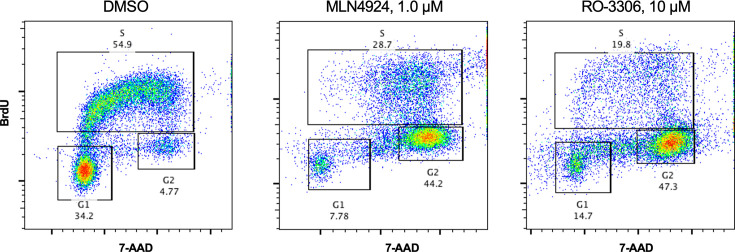
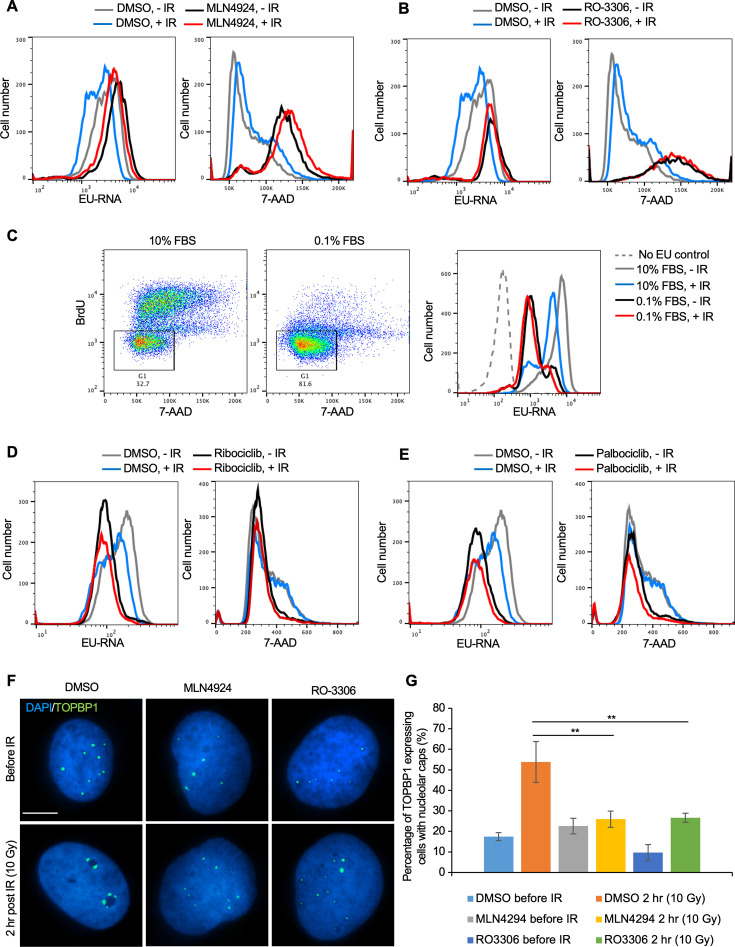
In response to DNA double-strand damage, ongoing transcription is inhibited to facilitate accurate DNA repair while transcriptional recovery occurs after DNA repair is complete. However, the mechanisms at play and the identity of the transcripts being regulated in this manner are unclear. In contrast to the situation following UV damage, we found that transcriptional recovery after ionizing radiation (IR) occurs in a manner independent of the HIRA histone chaperone. Sequencing of the nascent transcripts identified a programmed transcriptional response, where certain transcripts and pathways are rapidly downregulated after IR, while other transcripts and pathways are upregulated. Specifically, most of the loss of nascent transcripts occurring after IR is due to inhibition of transcriptional initiation of the highly transcribed histone genes and the rDNA. To identify factors responsible for transcriptional inhibition after IR in an unbiased manner, we performed a whole genome gRNA library CRISPR/Cas9 screen. Many of the top hits on our screen were factors required for protein neddylation. However, at short times after inhibition of neddylation, transcriptional inhibition still occurred after IR, even though neddylation was effectively inhibited. Persistent inhibition of neddylation blocked transcriptional inhibition after IR, and it also leads to cell cycle arrest. Indeed, we uncovered that many inhibitors and conditions that lead to cell cycle arrest in G or G phase also prevent transcriptional inhibition after IR. As such, it appears that transcriptional inhibition after IR occurs preferentially at highly expressed genes in cycling cells.
针对 DNA 双链损伤,正在进行的转录被抑制,以促进准确的 DNA 修复,而在 DNA 修复完成后,转录恢复发生。然而,目前尚不清楚起作用的机制以及以这种方式调节的转录本的身份。与紫外线损伤后的情况相反,我们发现,电离辐射(IR)后转录的恢复是独立于 HIRA 组蛋白伴侣发生的。对新生转录本的测序确定了一种程序化的转录反应,即在 IR 后某些转录本和途径迅速下调,而其他转录本和途径上调。具体来说,IR 后新生转录本的大部分丢失是由于高度转录的组蛋白基因和 rDNA 的转录起始抑制所致。为了以无偏倚的方式鉴定 IR 后转录抑制的原因,我们进行了全基因组 gRNA 文库 CRISPR/Cas9 筛选。我们筛选的许多主要命中是蛋白质泛素化所必需的因素。然而,在抑制泛素化后的短时间内,IR 后仍会发生转录抑制,尽管泛素化已被有效抑制。泛素化的持续抑制阻止了 IR 后转录的抑制,并且还导致细胞周期停滞。事实上,我们发现许多导致 G1 或 G2 期细胞周期停滞的抑制剂和条件也可以防止 IR 后转录的抑制。因此,似乎 IR 后转录抑制优先发生在细胞周期中高度表达的基因上。