Department of Neurology, UNC Neuroscience Center, University of North Carolina at Chapel Hill, Chapel Hill, NC, 27599, USA.
Department of Cell Biology and Physiology, University of North Carolia at Chapel Hill, Chapel Hill, NC, 27599, USA.
Acta Neuropathol Commun. 2024 Oct 12;12(1):163. doi: 10.1186/s40478-024-01865-1.
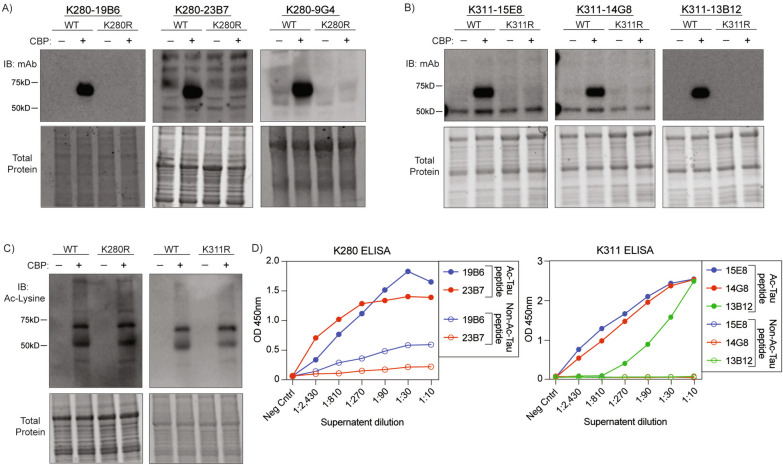
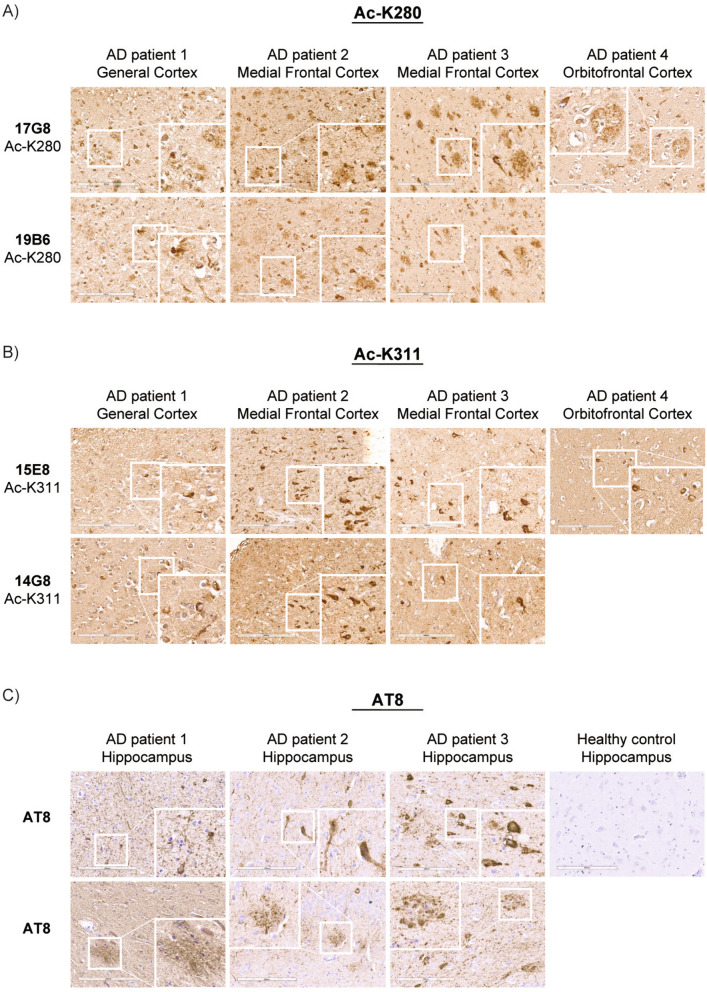
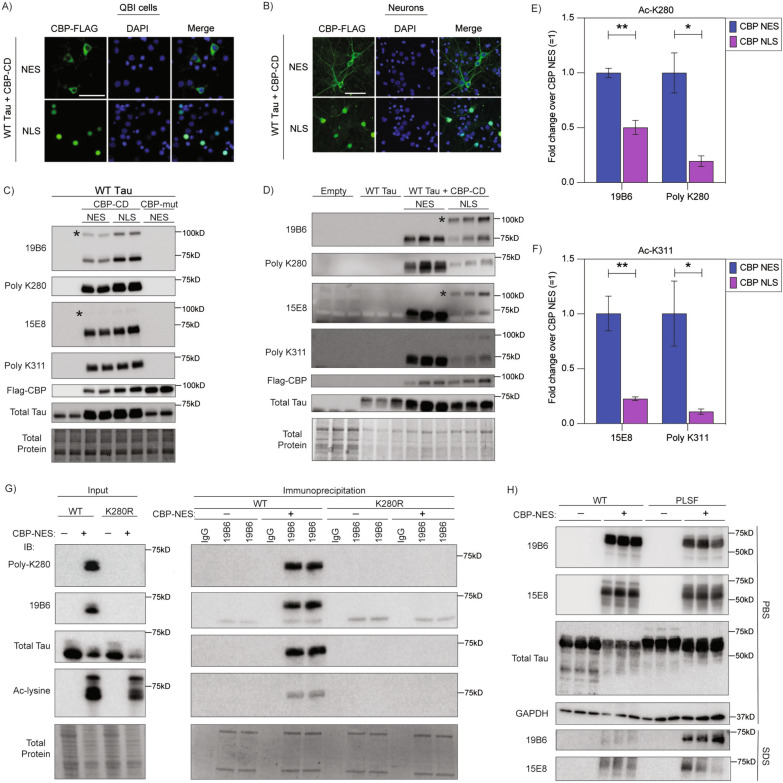
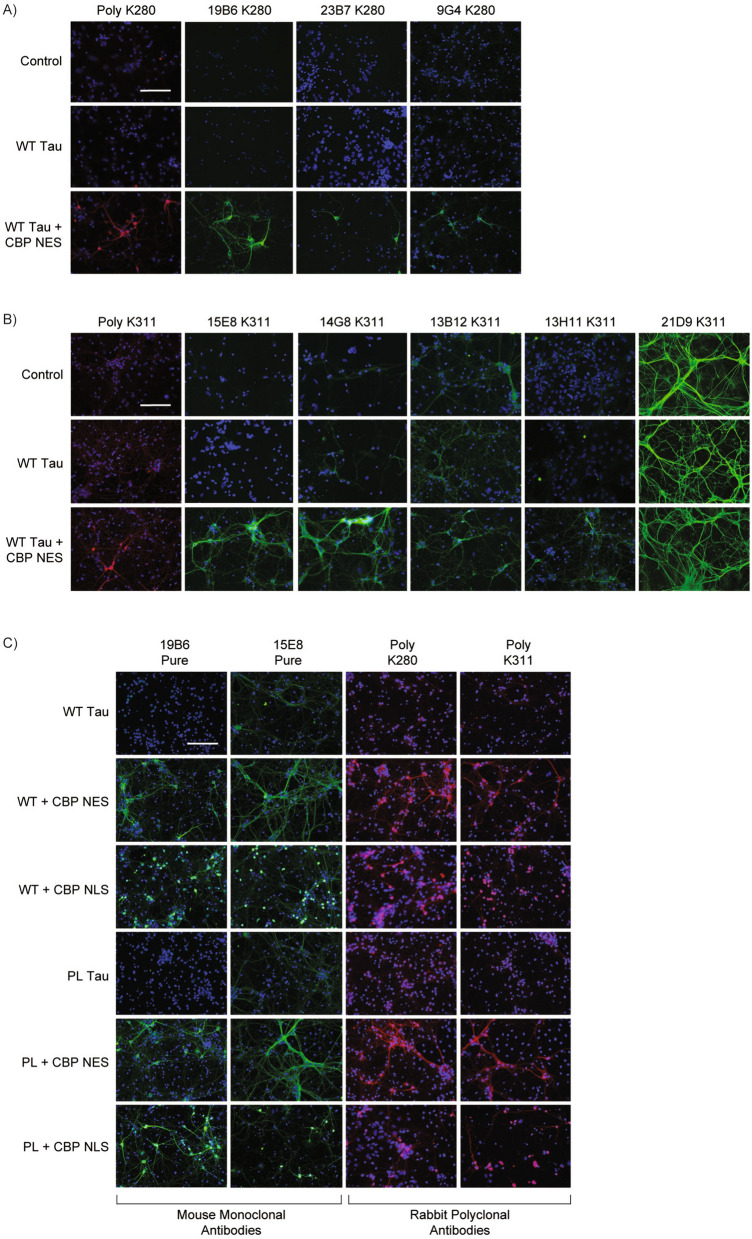
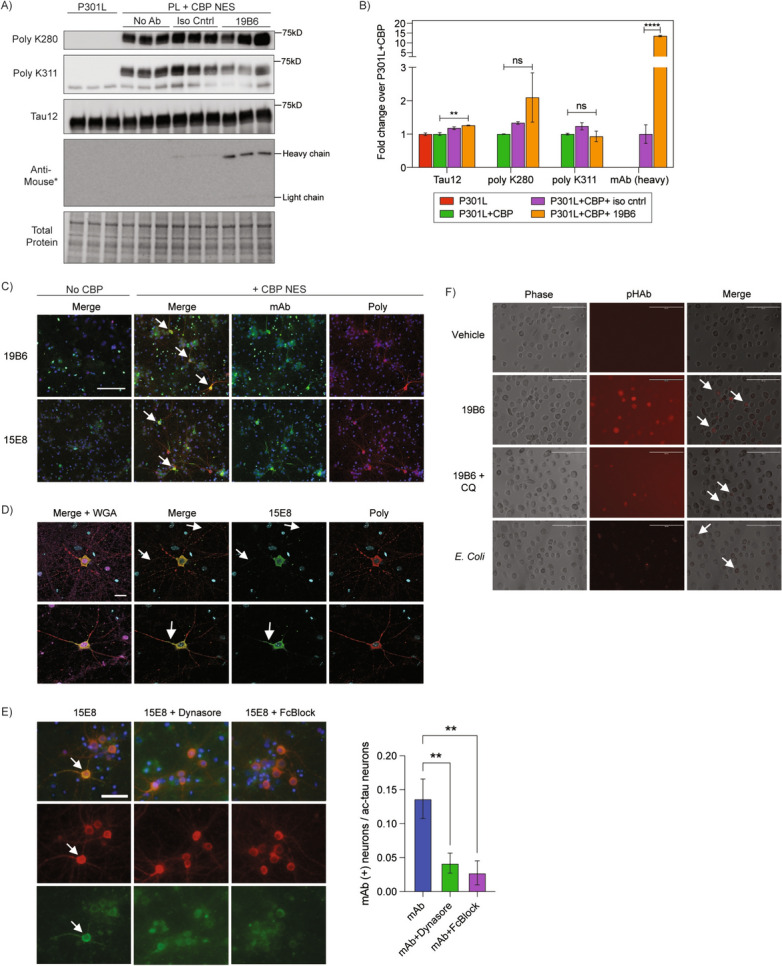
Tauopathies, including Alzheimer's disease (AD), are a class of neurodegenerative diseases characterized by the presence of insoluble tau inclusions. Tau phosphorylation has traditionally been viewed as the dominant post-translational modification (PTM) controlling tau function and pathogenesis in tauopathies. However, we and others have identified tau acetylation as a primary PTM regulating both normal tau function as well as abnormal pathogenic features including aggregation. Prior work showed robust tau acetylation in aggregation hotspots located within the 2nd and 3rd repeat regions of tau (residues K280 and K311) in tauopathy brains, including AD, compared to non-tauopathy controls. By screening thousands of hybridoma clones, we generated site-specific and modification-specific monoclonal antibodies targeting acetylated tau at residues K280 or K311. To validate these antibodies in a bona fide neuronal system, we targeted the acetyltransferase CBP to the cytoplasm of neurons to promote tau acetylation. Several antibody clones specifically detected CBP-acetylated tau and co-localized with ac-tau in neurons. Additionally, our lead optimal anti-acetylated-tau monoclonal antibodies detected robust tau pathology in tangles and neuritic plaques of human AD brains. Given the now emerging interest in acetylated tau as critical regulator of tau functions, these sensitive and highly specific tools will allow us to further unravel the tau PTM code and, importantly, could be deployed as diagnostic or disease-modifying agents.
tau 病,包括阿尔茨海默病(AD),是一类以不溶性 tau 包含物为特征的神经退行性疾病。tau 磷酸化传统上被视为控制 tau 病中 tau 功能和发病机制的主要翻译后修饰(PTM)。然而,我们和其他人已经确定 tau 乙酰化是调节正常 tau 功能以及包括聚集在内的异常致病特征的主要 PTM。以前的工作表明,在 tau 病大脑(包括 AD)中,tau 的第 2 和第 3 重复区(tau 残基 K280 和 K311)内的聚集热点存在强烈的 tau 乙酰化,与非 tau 病对照相比。通过筛选数千个杂交瘤克隆,我们生成了针对 tau 残基 K280 或 K311 乙酰化的位点特异性和修饰特异性单克隆抗体。为了在真正的神经元系统中验证这些抗体,我们将乙酰转移酶 CBP 靶向神经元的细胞质以促进 tau 乙酰化。几个抗体克隆特异性地检测到 CBP 乙酰化的 tau,并与神经元中的 ac-tau 共定位。此外,我们的领先的最佳抗乙酰化 tau 单克隆抗体在人类 AD 大脑的缠结和神经原纤维斑块中检测到了强烈的 tau 病理学。鉴于现在对乙酰化 tau 作为 tau 功能关键调节剂的兴趣日益浓厚,这些敏感和高度特异性的工具将使我们能够进一步揭示 tau PTM 密码,重要的是,它们可以用作诊断或疾病修饰剂。