Sakumoto Takehisa, Narita Takayuki, Morito Sayuri, Nishiyama Megumi, Hashiguchi Mariko, Mine Yumeka, Iwamoto Shuhei, Toda Shuji, Aoki Shigehisa
Division of Pathology, Department of Pathology and Microbiology, Faculty of Medicine, Saga University, Japan.
Department of Chemistry and Applied Chemistry, Faculty of Science and Engineering, Saga University, 1 Honjo, Saga, 840-8502, Japan.
Heliyon. 2024 Sep 26;10(19):e38418. doi: 10.1016/j.heliyon.2024.e38418. eCollection 2024 Oct 15.
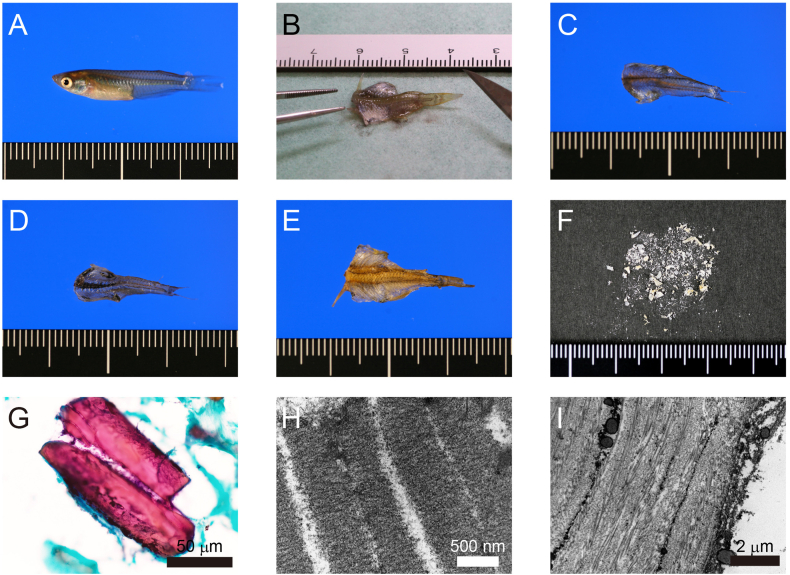
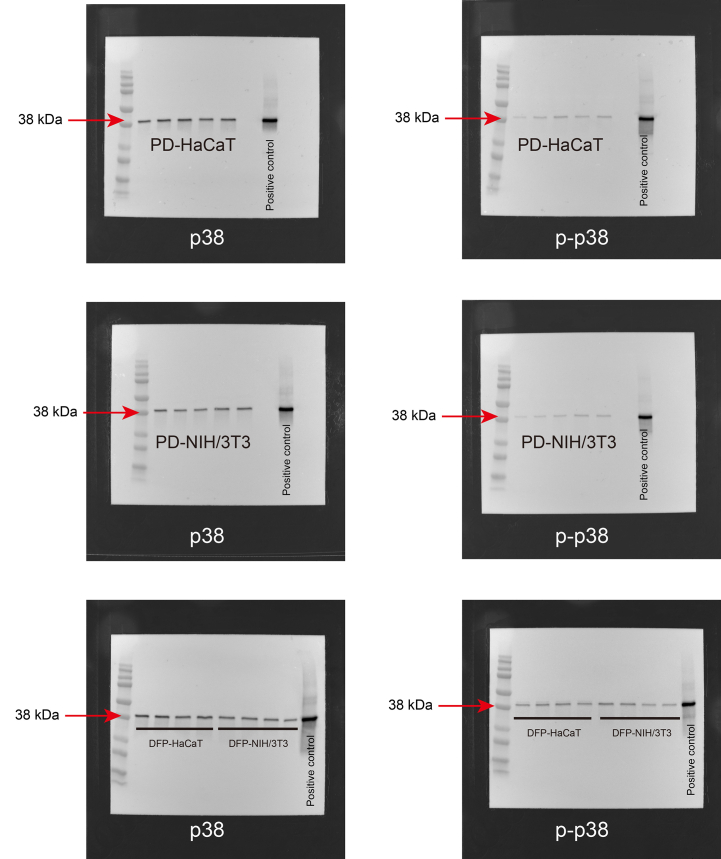
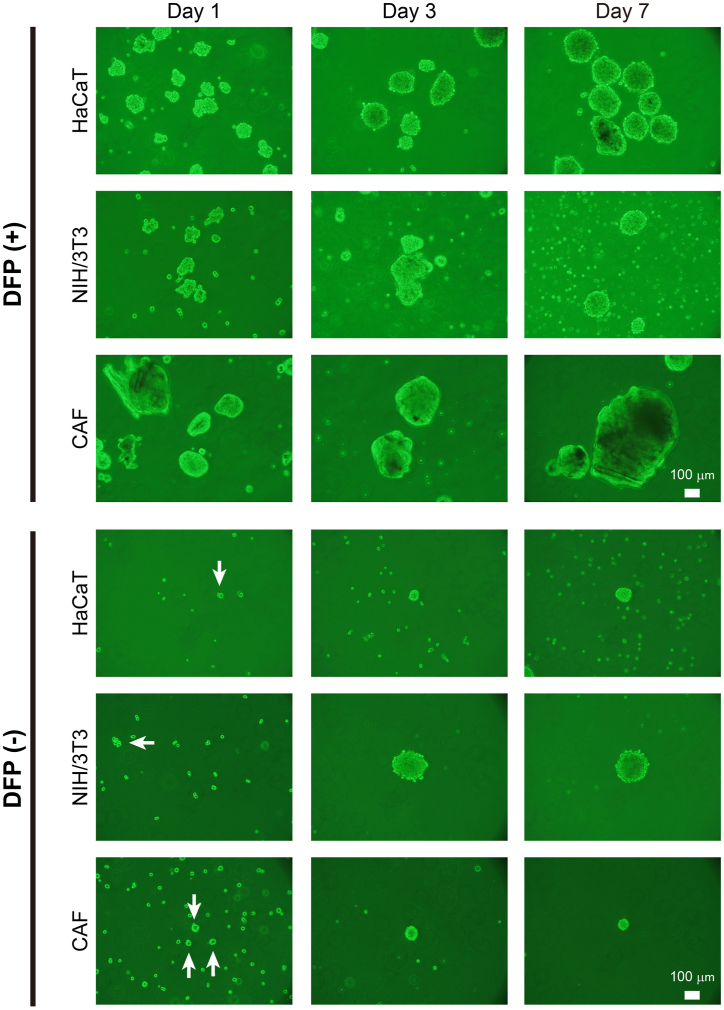
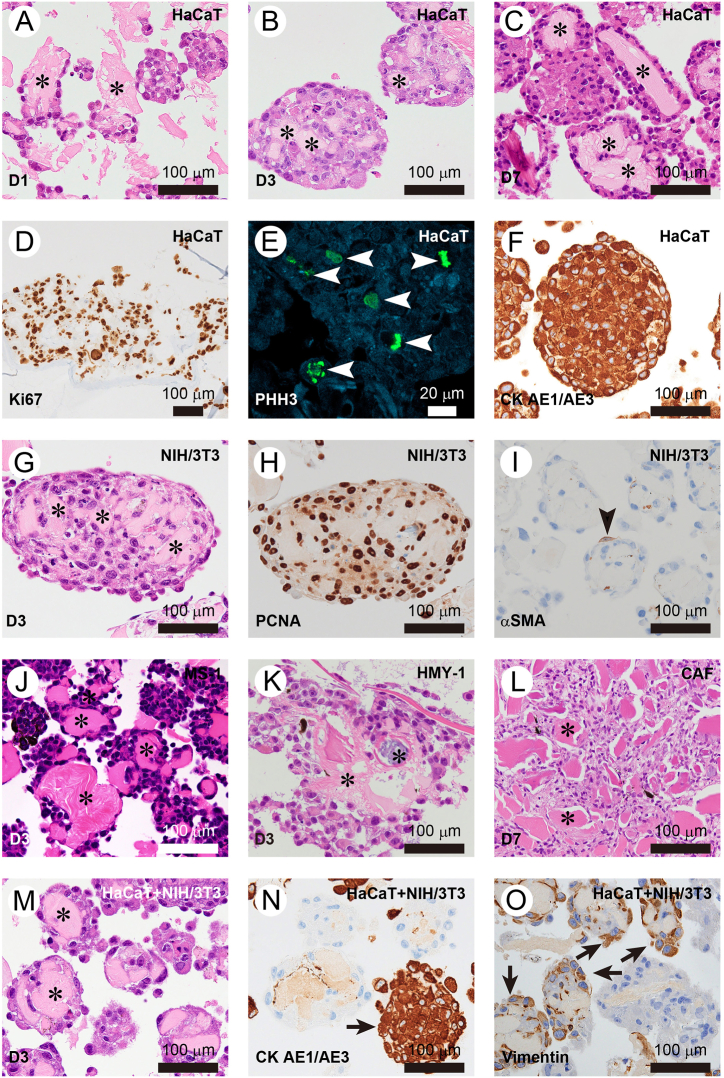
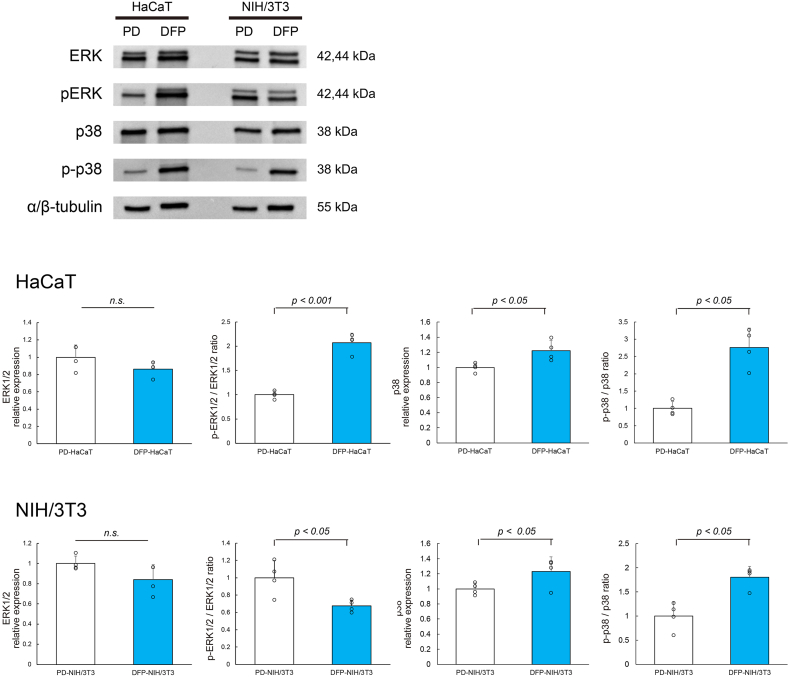
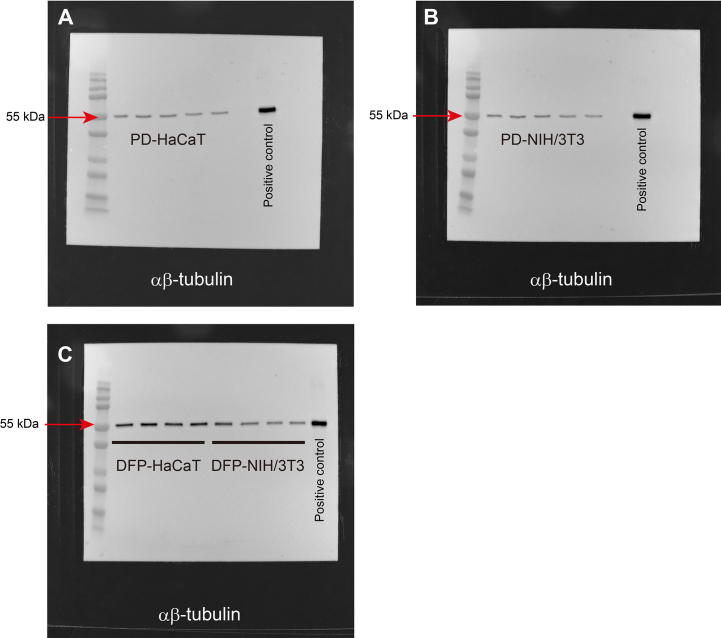
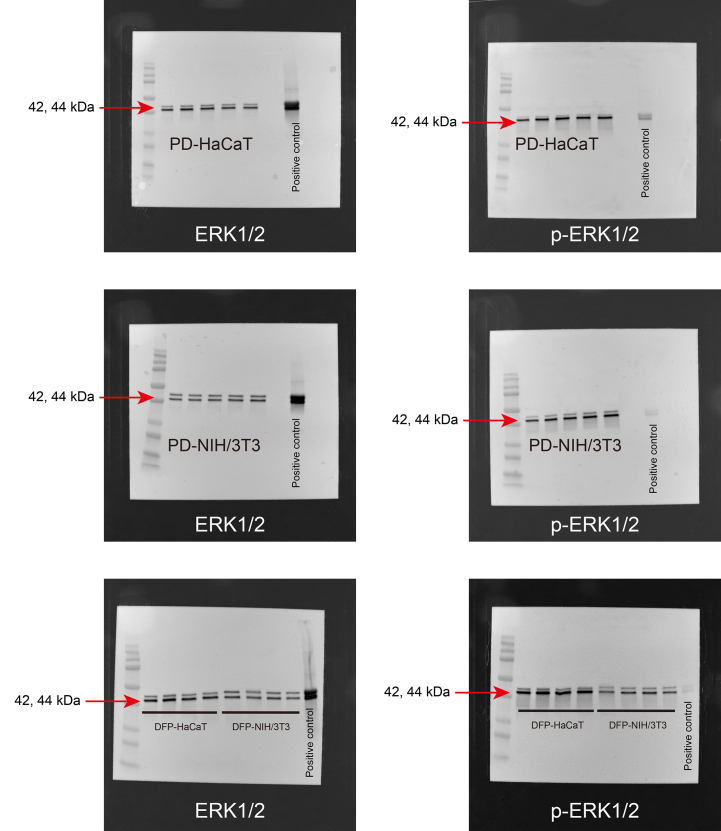
Highly biocompatible microcarriers are culture materials designed to enhance the efficiency of cell spheroid culture. Typically, collagen or specially processed plastic materials serve as these microcarriers. In the context of cultured-cell-based food production, however, both collagen and plastic materials present challenges regarding their cost-effectiveness and edibility. A notable issue with collagen, especially when derived from fish scales, is its low denaturation temperature, making it unsuitable for use with mammalian cells unless cross-linked. To address this issue, our research pivoted towards utilizing dried fish, a rich source of proteins including collagen. For this study, Medaka fish were selected. The fish were dried, ground into fine particles, and then impregnated with ethanol to create dried fish powder (DFP). Its efficacy was then evaluated as a microcarrier in spheroid cultures. The results revealed that DFP supports the adhesion and proliferation of various cell types, including human epidermal cells, human malignant melanoma cells, mouse fibroblasts, mouse endothelial cells and fish fibroblasts. Furthermore, Western blot analysis was used to verify the expression of mitogen-activated protein kinase-related proteins in both human epidermal cells and mouse fibroblasts cultured with DFP. This fish-derived powdered microcarrier offers a cost-effective production method requiring only a few steps. Its affordability and high performance as a carrier position it as a potentially revolutionary material for use in biological research and food production science.
高生物相容性微载体是旨在提高细胞球体培养效率的培养材料。通常,胶原蛋白或经过特殊处理的塑料材料用作这些微载体。然而,在基于细胞培养的食品生产背景下,胶原蛋白和塑料材料在成本效益和可食用性方面都存在挑战。胶原蛋白的一个显著问题,尤其是来自鱼鳞的胶原蛋白,是其变性温度低,除非交联,否则不适用于哺乳动物细胞。为了解决这个问题,我们的研究转向利用干鱼,这是一种富含包括胶原蛋白在内的蛋白质的来源。在本研究中,选择了青鳉鱼。将鱼干燥、磨成细颗粒,然后用乙醇浸渍以制成干鱼粉(DFP)。然后评估其作为球体培养中微载体的功效。结果表明,DFP支持多种细胞类型的粘附和增殖,包括人表皮细胞、人恶性黑色素瘤细胞、小鼠成纤维细胞、小鼠内皮细胞和鱼成纤维细胞。此外,蛋白质印迹分析用于验证在用DFP培养的人表皮细胞和小鼠成纤维细胞中丝裂原活化蛋白激酶相关蛋白的表达。这种鱼源粉末状微载体提供了一种仅需几步的经济高效的生产方法。其作为载体的可承受性和高性能使其成为生物研究和食品生产科学中潜在的革命性材料。