Antimicrobial Resistance Coordinating Committee (AMRCC), Zambia National Public Health Institute, Lusaka, Zambia.
Division of Bioresources, Hokkaido University International Institute for Zoonosis Control, Sapporo, Japan.
Front Public Health. 2024 Sep 27;12:1367703. doi: 10.3389/fpubh.2024.1367703. eCollection 2024.
Antimicrobial stewardship (AMS) programs are critical in combating antimicrobial resistance (AMR). In Zambia, there is little information regarding the capacity of hospitals to establish and implement AMS programs. The objective of this study was to conduct a baseline assessment of WHO core elements for an AMS program implementation in eight hospitals in Zambia.
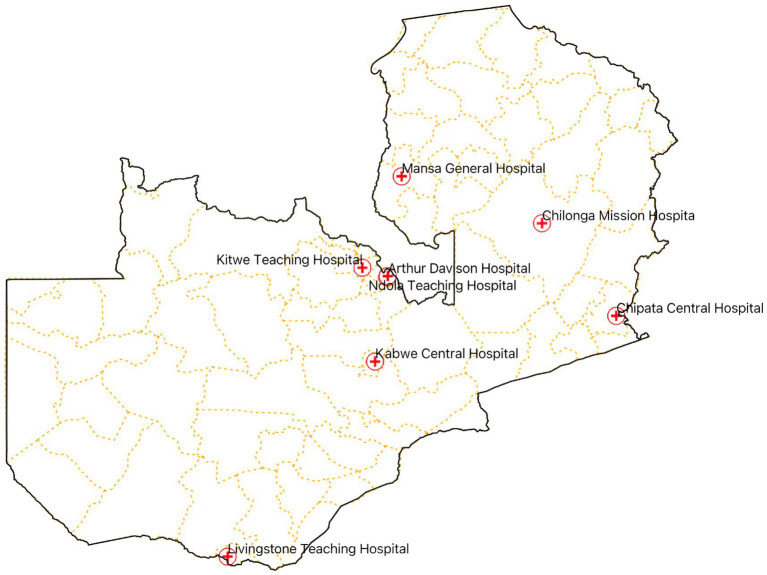
We conducted an exploratory cross-sectional study from September 2023 to December 2023 using a self-scoring Periodic National and Healthcare Facility Assessment Tool from the World Health Organization (WHO) policy guidance on integrated AMS activities in human health. Eight public hospitals were surveyed across the five provinces of Zambia. Data was analyzed using the WHO self-scoring tool and thematic analysis.
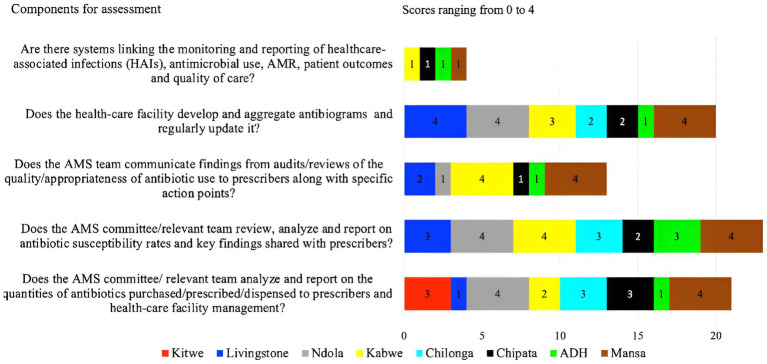
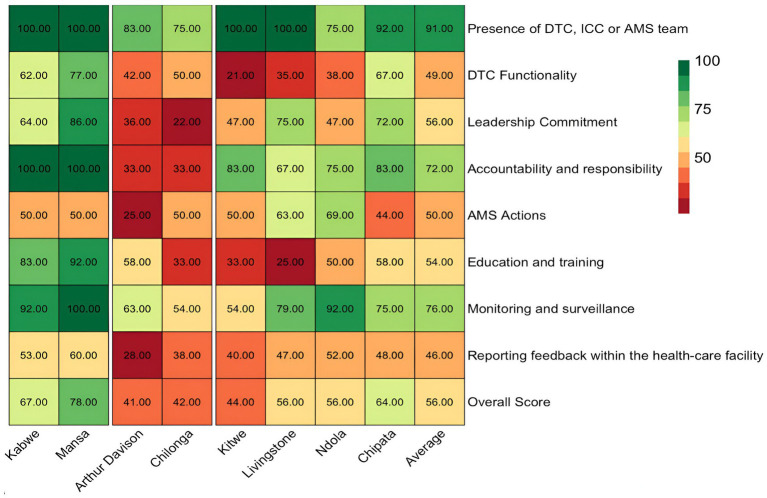
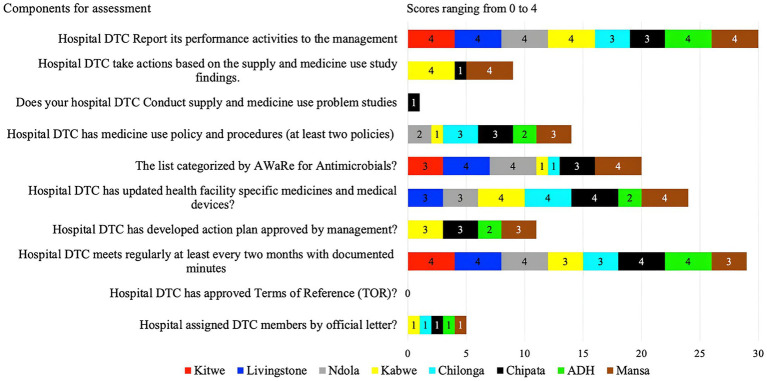
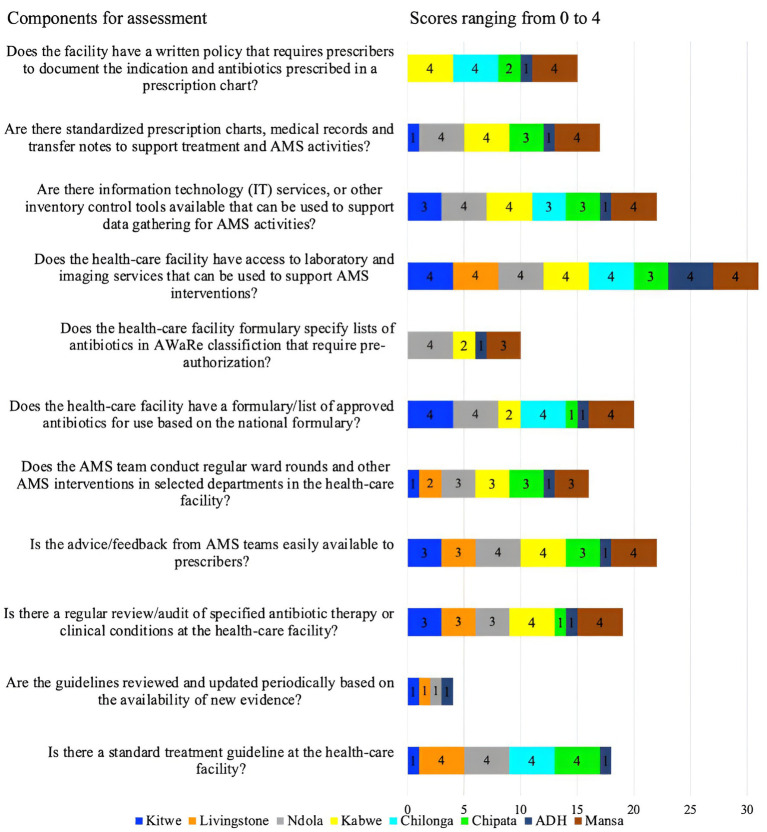
Overall, 62.5% (6/8) of the facilities scored low (below 60%) in implementing AMS programs. Most facilities had challenges with reporting AMS feedback within the hospital (average score = 46%), Drugs and Therapeutics Committee (DTC) functionality (average score = 49%), AMS actions (average score = 50%), education and training (average score = 54%), and leadership commitment to AMS activities (average score = 56%). The overall score for all AMS core elements was average (56%). All the hospitals (100%) did not have an allocated budget for AMS programs. Finally, there were neither antibiograms to guide antimicrobial utilization nor AMS-trained staff in more than 50% of the hospitals surveyed.
This study found low AMS implementation in these public hospitals, especially where DTCs were non-functional. The identified challenges and gaps require urgent attention for sustainable multidisciplinary AMS programs.
抗菌药物管理(AMS)计划对于对抗抗菌药物耐药性(AMR)至关重要。在赞比亚,关于医院建立和实施 AMS 计划的能力的信息很少。本研究的目的是对赞比亚 8 家医院实施 AMS 计划的世卫组织核心要素进行基线评估。
我们从 2023 年 9 月至 2023 年 12 月进行了一项探索性横断面研究,使用世界卫生组织(WHO)关于人类健康综合 AMS 活动的政策指南中的自我评分定期国家和医疗保健设施评估工具。对赞比亚五个省的八家公立医院进行了调查。使用世卫组织自我评分工具和主题分析对数据进行了分析。
总体而言,62.5%(6/8)的设施在实施 AMS 计划方面得分较低(低于 60%)。大多数设施在向医院报告 AMS 反馈方面存在挑战(平均得分为 46%),药物和治疗委员会(DTC)功能(平均得分为 49%),AMS 行动(平均得分为 50%),教育和培训(平均得分为 54%)以及对抗生素管理活动的领导承诺(平均得分为 56%)。所有 AMS 核心要素的总得分平均(56%)。所有医院(100%)都没有为 AMS 计划分配预算。最后,在所调查的医院中,超过 50%的医院既没有指导抗菌药物使用的药敏试验,也没有接受过 AMS 培训的工作人员。
本研究发现这些公立医院的 AMS 实施水平较低,特别是 DTC 功能不正常的情况下。确定的挑战和差距需要紧急关注,以实现可持续的多学科 AMS 计划。