Fushii Mihoko, Kyogoku Hirohisa, Lee Jibak, Miyano Takashi
Laboratory of Developmental Biotechnology, Graduate School of Agricultural Science, Kobe University, Kobe 657-8501, Japan.
J Reprod Dev. 2024 Dec 13;70(6):362-371. doi: 10.1262/jrd.2024-016. Epub 2024 Oct 14.
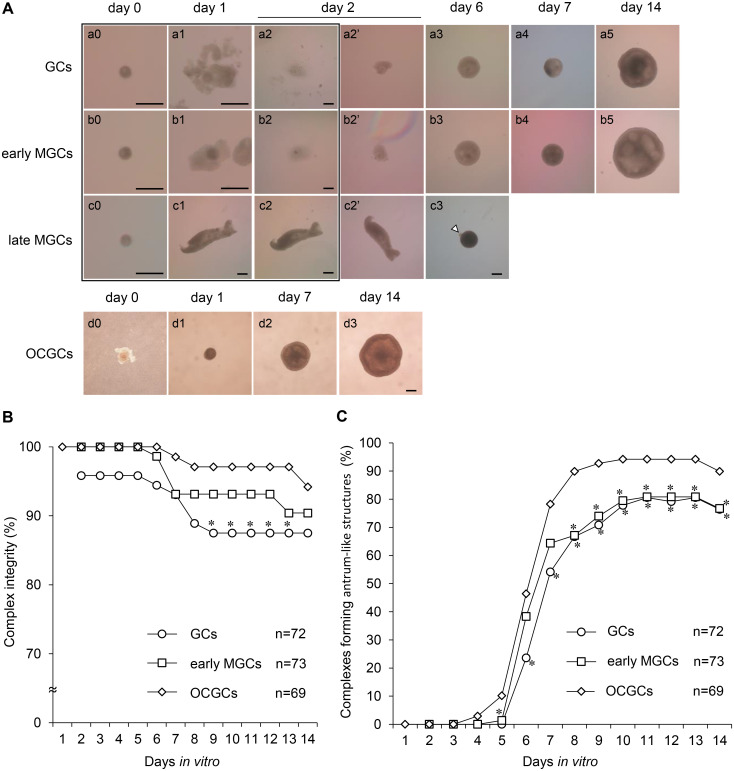
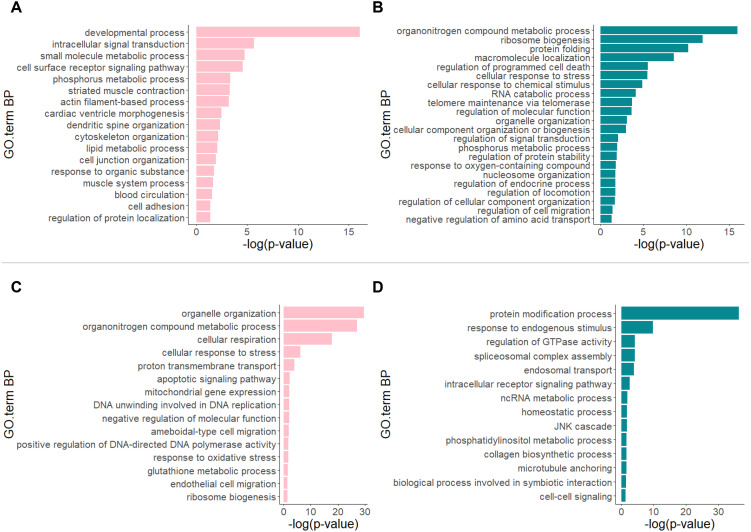
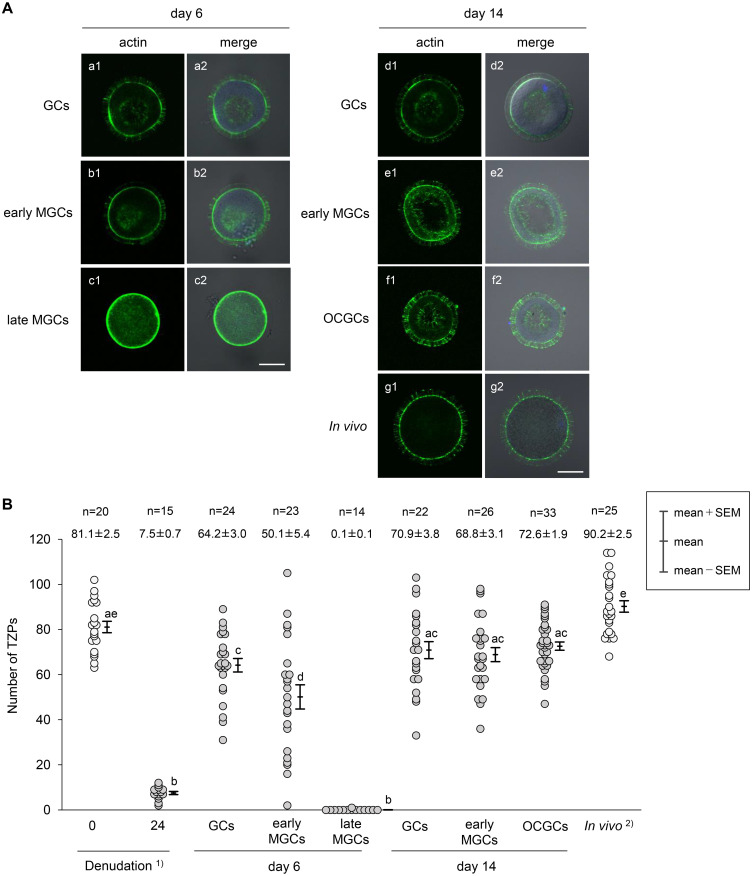
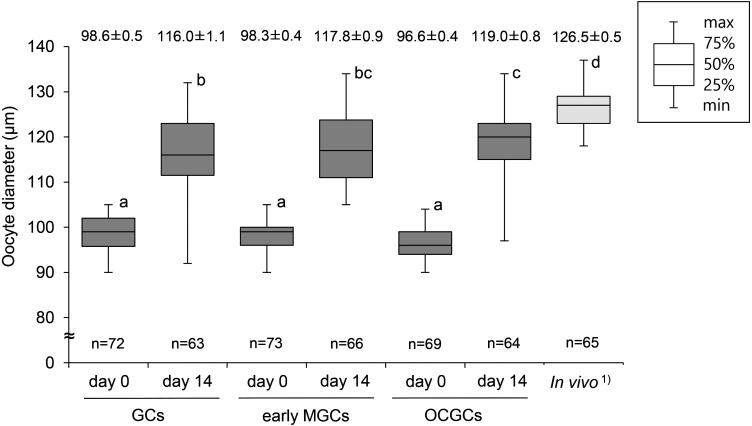
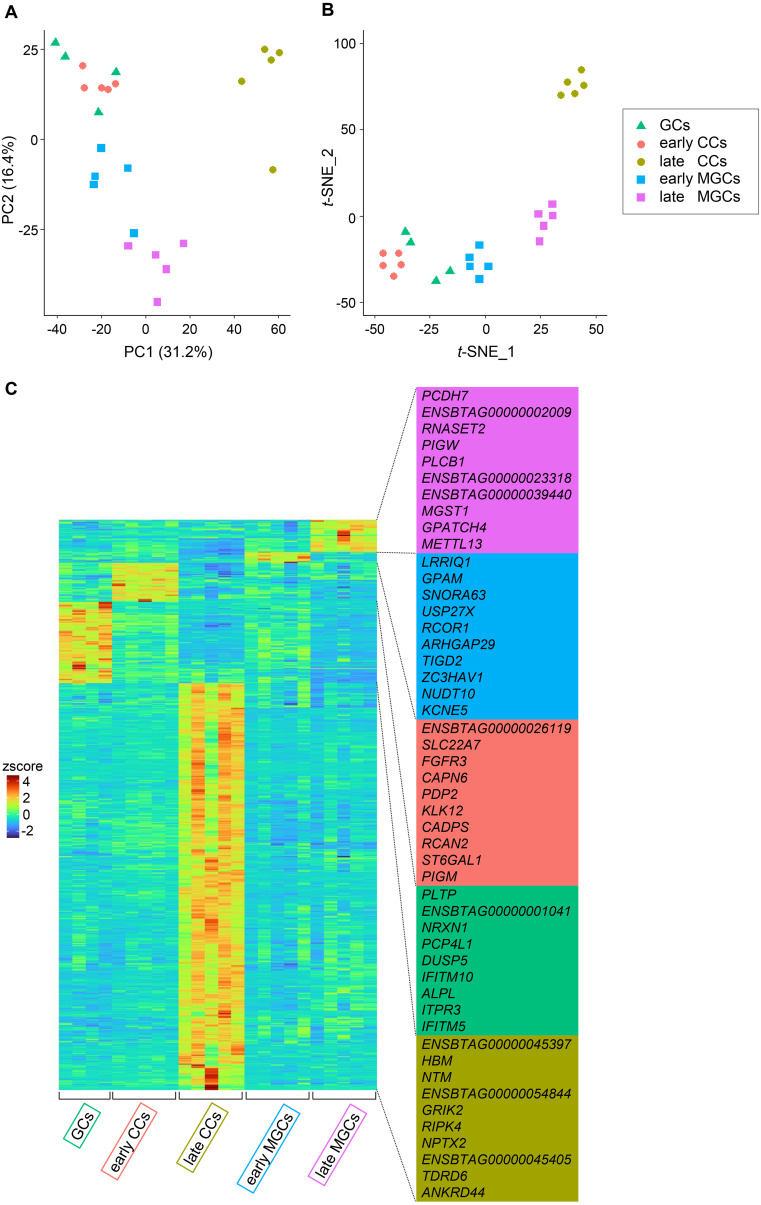
Granulosa cells (GCs) in secondary follicles differentiate into cumulus cells (CCs) and mural granulosa cells (MGCs) in the antral follicle. Only CCs maintain direct connections with oocytes through transzonal projections (TZPs) and support oocyte growth. Here, we examined whether granulosa cells (GCs) from secondary follicles and MGCs from early and late antral follicles were able to reconstruct complexes with TZP-free denuded oocytes (DOs) and regenerate TZPs. Furthermore, to confirm that the regenerated TZPs were functional, the development of the reconstructed complexes and oocyte growth in the complexes were evaluated. After coculture, GCs and MGCs from early antral follicles reconstructed the complexes with DOs and regenerated TZPs. Furthermore, the oocytes in the integrally reconstructed complexes grew fully and acquired meiotic competence, suggesting that the regenerated TZPs were functional. In contrast, MGCs from the late antral follicles lost their ability to elongate TZPs. As the ability to regenerate TZPs differed among cells, we analyzed the transcriptomes of GCs, CCs, and MGCs collected from follicles of different sizes. The characteristics of TZP generation coincided with the transcriptome changes in two directions: from GCs to CCs and MGCs. In conclusion, until the early antral follicle stage, bovine GCs, CCs, and MGCs have common characteristics to elongate TZPs and form antrum-like structures that support oocyte growth in vitro. Furthermore, as the follicle develops, MGCs lose the ability to elongate TZPs.
次级卵泡中的颗粒细胞(GCs)在有腔卵泡中分化为卵丘细胞(CCs)和壁颗粒细胞(MGCs)。只有CCs通过透明带突起(TZPs)与卵母细胞保持直接连接并支持卵母细胞生长。在此,我们研究了来自次级卵泡的颗粒细胞(GCs)以及来自早期和晚期有腔卵泡的MGCs是否能够与无TZPs的裸卵(DOs)重建复合体并再生TZPs。此外,为了确认再生的TZPs是否具有功能,我们评估了重建复合体的发育情况以及复合体中卵母细胞的生长情况。共培养后,早期有腔卵泡的GCs和MGCs与DOs重建了复合体并再生了TZPs。此外,整体重建复合体中的卵母细胞充分生长并获得了减数分裂能力,这表明再生的TZPs具有功能。相比之下,晚期有腔卵泡的MGCs失去了延长TZPs的能力。由于细胞再生TZPs的能力不同,我们分析了从不同大小卵泡中收集的GCs、CCs和MGCs的转录组。TZPs生成的特征与两个方向的转录组变化一致:从GCs到CCs和MGCs。总之,直到早期有腔卵泡阶段,牛的GCs、CCs和MGCs具有共同的特征来延长TZPs并形成类似卵泡腔的结构,以支持体外卵母细胞的生长。此外,随着卵泡的发育,MGCs失去了延长TZPs的能力。