Yadolahi Fariba, Roostayi Mohammad Mohsen, Khalkhali Zavieh Minoo, Rahimi Abas, Mehrpour Masoud, Akbarzadeh Baghban Alireza
Department of Physiotherapy, Physiotherapy Research Center, School of Rehabilitation, Shahid Beheshti University of Medical Sciences, Tehran, Iran.
Department of Physical Therapy, School of Rehabilitation Sciences, Shahid Beheshti University of Medical Sciences, Tehran, Iran.
Basic Clin Neurosci. 2024 May-Jun;15(3):421-432. doi: 10.32598/bcn.2021.1724.1. Epub 2024 May 1.
Stroke is one of the most debilitating diseases among adults worldwide and leads to persistent rehabilitation needs even at the chronic stage. Achieving good postural control is a critical requirement for daily activities which enhances quality of life (QoL) in patients with stroke. There is increasing evidence that transcranial direct current stimulation (tDCS) can be considered a promising adjunct technique to improve motor recovery after stroke. Evidence of augmented neuroplasticity after tDCS suggests that paired rehabilitation followed by consecutive use of tDCS may optimize recovery outcomes. Although a few randomized controlled trials have been conducted on upper limb rehabilitation in chronic stroke using tDCS, no study focused on balance training in chronic stroke patients. The present randomized, sham-controlled, double-blinded clinical study addresses brain stimulation targeting postural control using tDCS in chronic stroke.
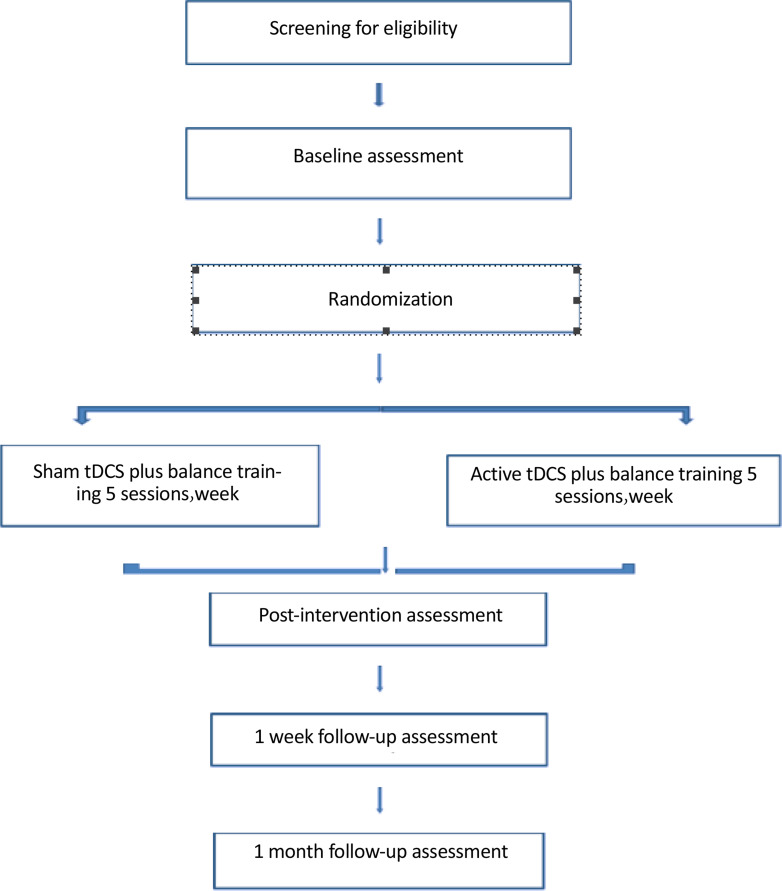
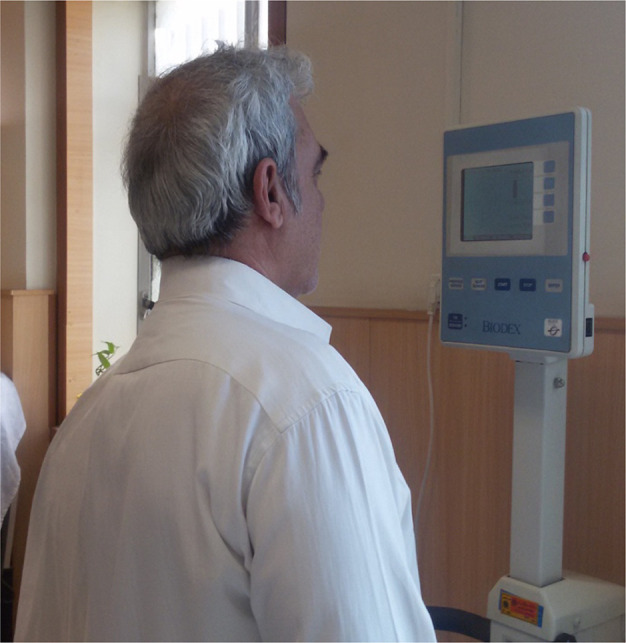
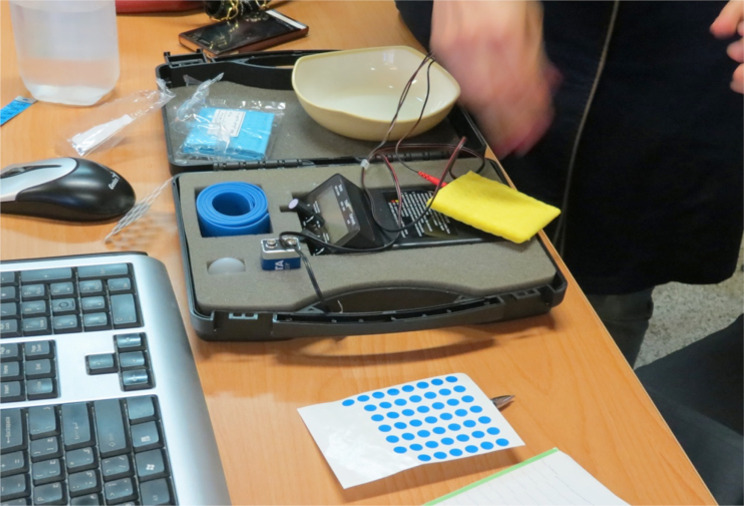
The study participants included chronic ischemic stroke individuals with postural control impairments who passed the exclusion criteria. Active or sham anodal tDCS was delivered to the lesioned leg motor cortex combined with balance training. The experimental group received active anodal tDCS stimulation (2 mA) for 20 min, daily for 5 days paired with balance training. Linear and nonlinear approaches were used to analyze postural sway changes pre-and post-intervention. Postural sway fluctuation, functional balance assessment using the Berg balance scale, and timed up-and-go test were conducted to compare the active and sham groups.
This trial could have significant implications for balance rehabilitation after stroke in the ambulatory setting. If effective, this novel approach may improve rehabilitation protocol in this population.
中风是全球成年人中最具致残性的疾病之一,即使在慢性期也会导致持续的康复需求。实现良好的姿势控制是日常活动的关键要求,这能提高中风患者的生活质量(QoL)。越来越多的证据表明,经颅直流电刺激(tDCS)可被视为一种有前景的辅助技术,用于改善中风后的运动恢复。tDCS后增强的神经可塑性证据表明,配对康复后连续使用tDCS可能会优化恢复结果。尽管已经进行了一些关于使用tDCS对慢性中风患者进行上肢康复的随机对照试验,但没有研究关注慢性中风患者的平衡训练。本随机、假对照、双盲临床研究探讨了在慢性中风中使用tDCS针对姿势控制的脑刺激。
研究参与者包括通过排除标准的患有姿势控制障碍的慢性缺血性中风个体。将主动或假阳极tDCS施加到患侧腿部运动皮层,并结合平衡训练。实验组接受主动阳极tDCS刺激(2 mA),持续20分钟,每天一次,共5天,并与平衡训练配对。采用线性和非线性方法分析干预前后的姿势摆动变化。进行姿势摆动波动、使用伯格平衡量表进行功能平衡评估以及定时起立行走测试,以比较主动组和假刺激组。
该试验可能对门诊环境中中风后的平衡康复具有重要意义。如果有效,这种新方法可能会改善该人群的康复方案。