Bikson Marom, Grossman Pnina, Thomas Chris, Zannou Adantchede Louis, Jiang Jimmy, Adnan Tatheer, Mourdoukoutas Antonios P, Kronberg Greg, Truong Dennis, Boggio Paulo, Brunoni André R, Charvet Leigh, Fregni Felipe, Fritsch Brita, Gillick Bernadette, Hamilton Roy H, Hampstead Benjamin M, Jankord Ryan, Kirton Adam, Knotkova Helena, Liebetanz David, Liu Anli, Loo Colleen, Nitsche Michael A, Reis Janine, Richardson Jessica D, Rotenberg Alexander, Turkeltaub Peter E, Woods Adam J
Department of Biomedical Engineering, The City College of New York, New York, NY, USA.
Department of Biomedical Engineering, The City College of New York, New York, NY, USA.
Brain Stimul. 2016 Sep-Oct;9(5):641-661. doi: 10.1016/j.brs.2016.06.004. Epub 2016 Jun 15.
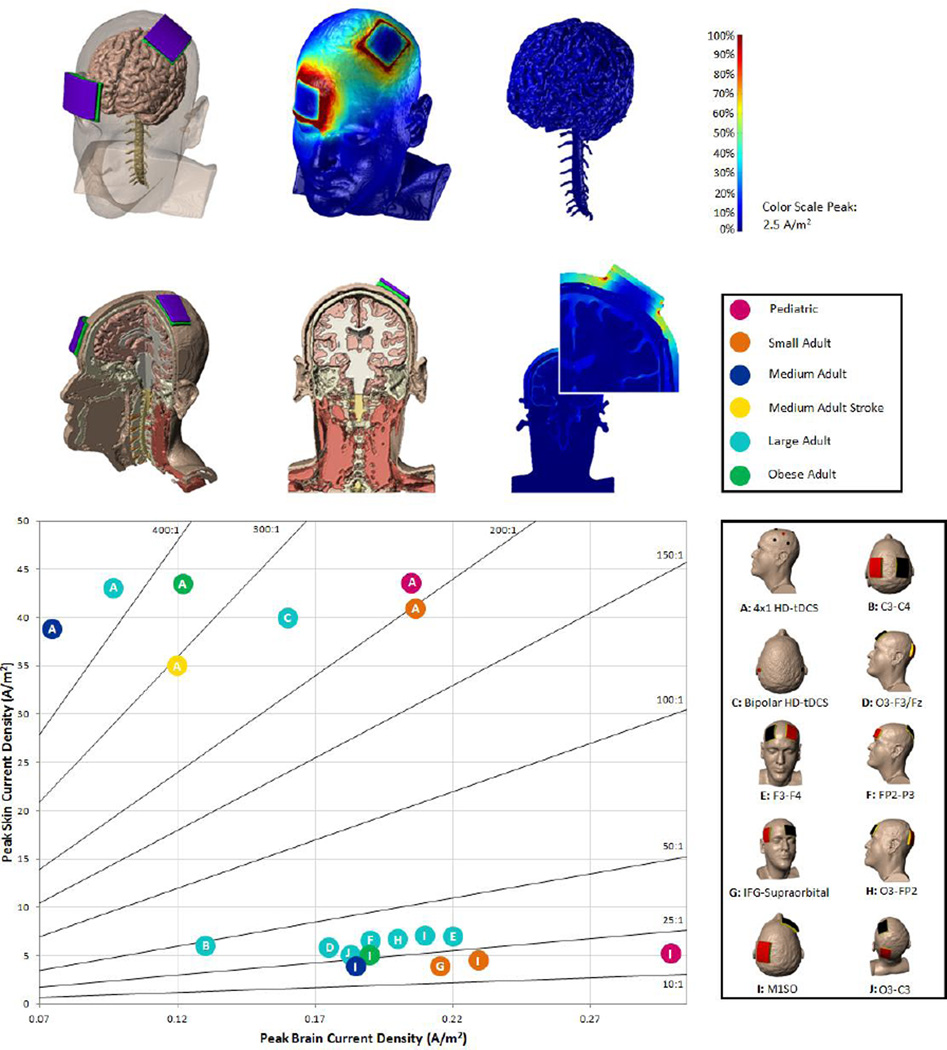
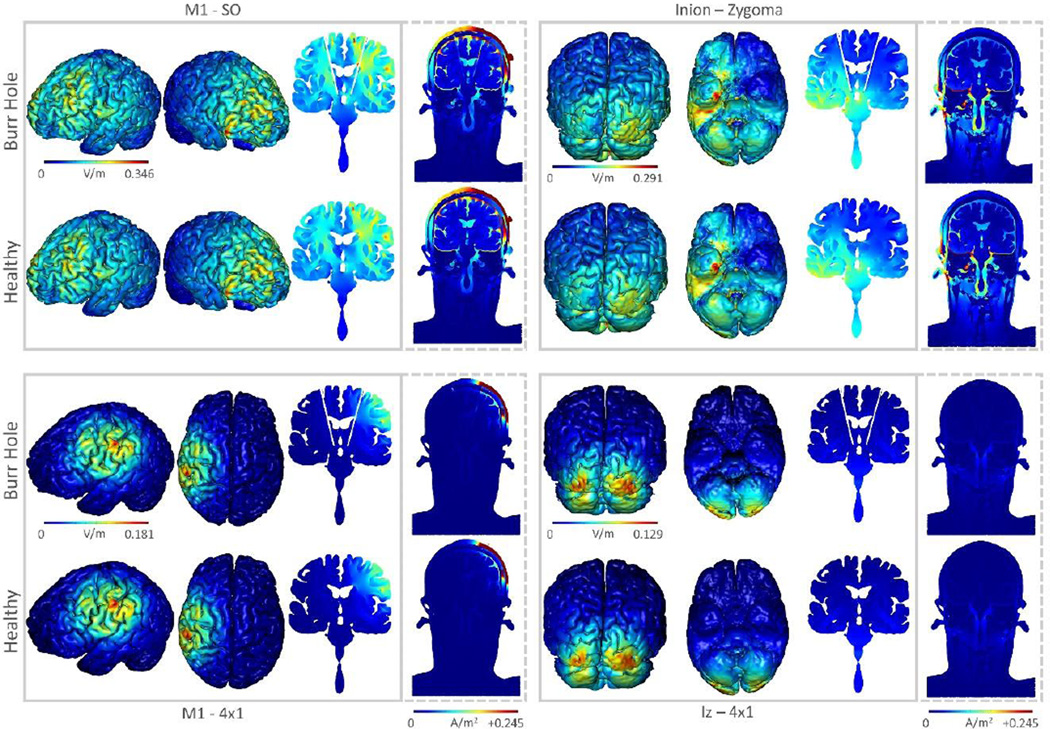
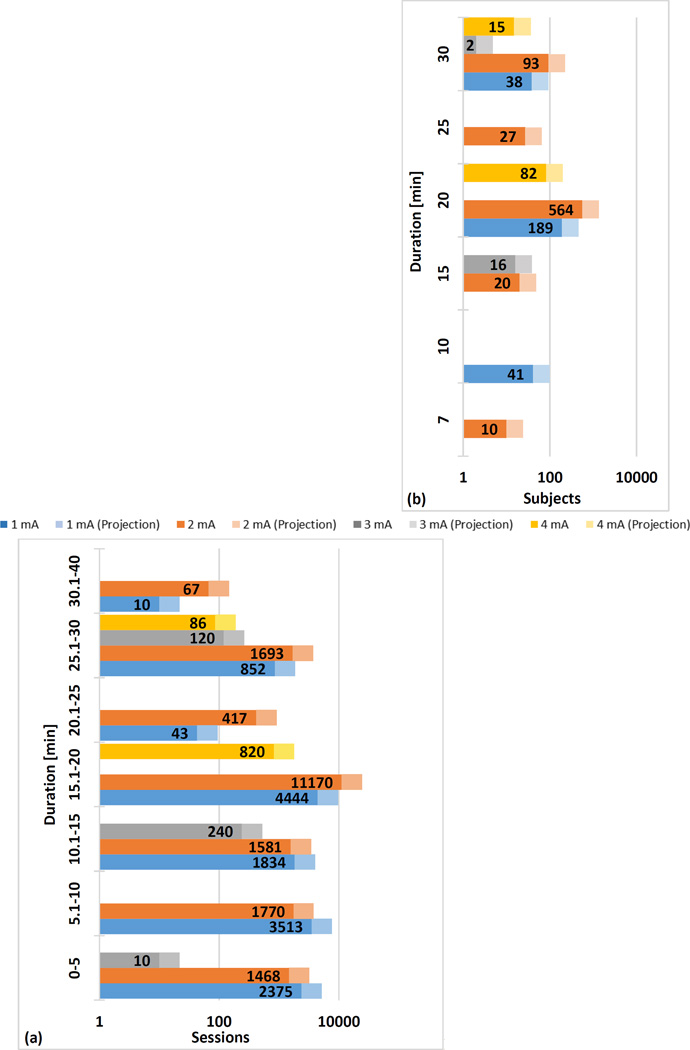
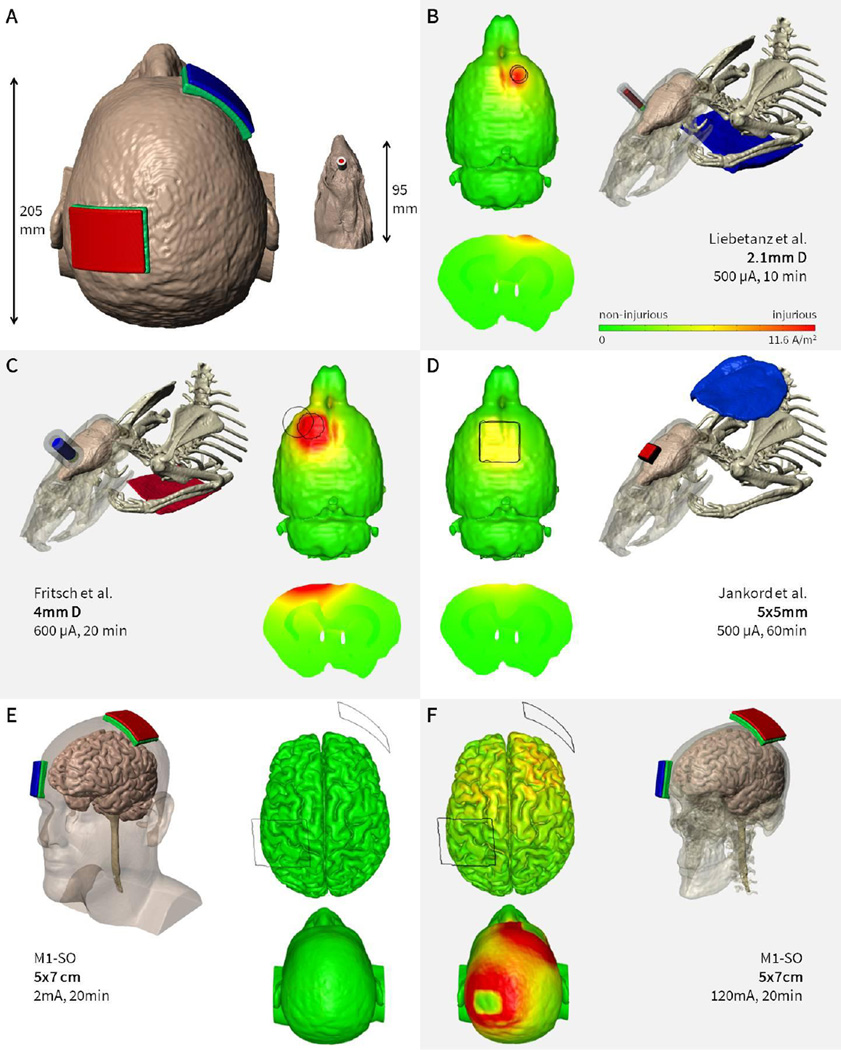
This review updates and consolidates evidence on the safety of transcranial Direct Current Stimulation (tDCS). Safety is here operationally defined by, and limited to, the absence of evidence for a Serious Adverse Effect, the criteria for which are rigorously defined. This review adopts an evidence-based approach, based on an aggregation of experience from human trials, taking care not to confuse speculation on potential hazards or lack of data to refute such speculation with evidence for risk. Safety data from animal tests for tissue damage are reviewed with systematic consideration of translation to humans. Arbitrary safety considerations are avoided. Computational models are used to relate dose to brain exposure in humans and animals. We review relevant dose-response curves and dose metrics (e.g. current, duration, current density, charge, charge density) for meaningful safety standards. Special consideration is given to theoretically vulnerable populations including children and the elderly, subjects with mood disorders, epilepsy, stroke, implants, and home users. Evidence from relevant animal models indicates that brain injury by Direct Current Stimulation (DCS) occurs at predicted brain current densities (6.3-13 A/m(2)) that are over an order of magnitude above those produced by conventional tDCS. To date, the use of conventional tDCS protocols in human trials (≤40 min, ≤4 milliamperes, ≤7.2 Coulombs) has not produced any reports of a Serious Adverse Effect or irreversible injury across over 33,200 sessions and 1000 subjects with repeated sessions. This includes a wide variety of subjects, including persons from potentially vulnerable populations.
本综述更新并整合了经颅直流电刺激(tDCS)安全性方面的证据。此处安全性在操作上的定义且仅限于缺乏严重不良反应的证据,其标准有严格界定。本综述采用基于证据的方法,基于人体试验经验的汇总,注意避免将对潜在危害的推测或缺乏反驳此类推测的数据与风险证据相混淆。对动物组织损伤试验的安全数据进行了审查,并系统考虑了向人类的转化。避免任意的安全考量。使用计算模型来关联人体和动物的剂量与脑部暴露情况。我们审查相关的剂量反应曲线和剂量指标(如电流、持续时间、电流密度、电荷、电荷密度)以制定有意义的安全标准。特别考虑了理论上易受影响的人群,包括儿童和老年人、患有情绪障碍、癫痫、中风、植入物的受试者以及家庭用户。相关动物模型的证据表明,直流电刺激(DCS)导致脑损伤的预测脑电流密度(6.3 - 13 A/m²)比传统tDCS产生的电流密度高出一个数量级以上。迄今为止,在超过33200次疗程以及1000名接受重复疗程的受试者中,使用传统tDCS方案(≤40分钟,≤4毫安,≤7.2库仑)尚未产生任何严重不良反应或不可逆损伤的报告。这包括各种各样的受试者,包括来自潜在易受影响人群的人。