Odle Abby, Kar Meenakshi, Verma Abhishek K, Sariol Alan, Meyerholz David K, Suthar Mehul S, Wong Lok-Yin Roy, Perlman Stanley
Department of Microbiology and Immunology, University of Iowa, Iowa City, Iowa, USA.
Center for Childhood Infections and Vaccines of Children's Healthcare of Atlanta, Department of Pediatrics, Emory University School of Medicine, Atlanta, Georgia, USA.
JCI Insight. 2024 Dec 6;9(23):e184074. doi: 10.1172/jci.insight.184074.
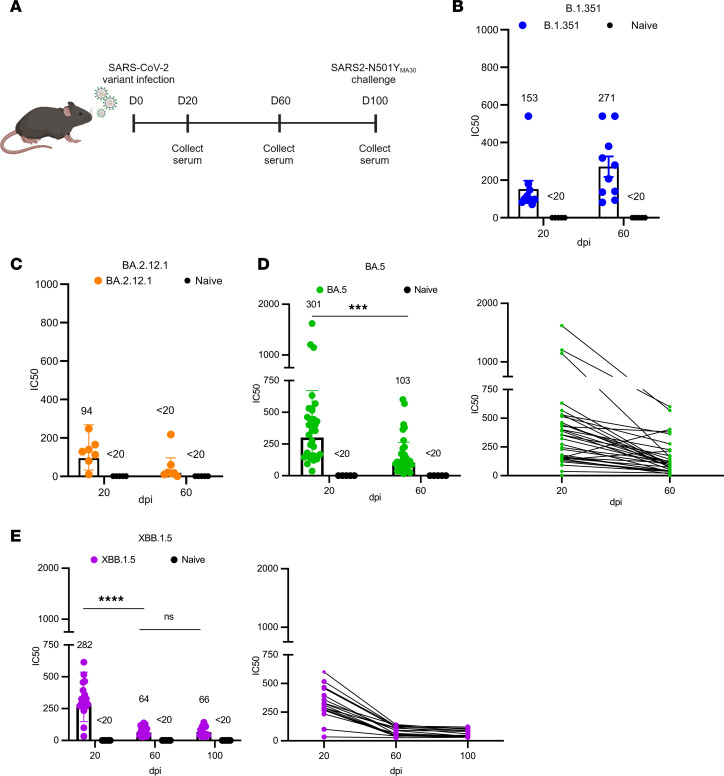
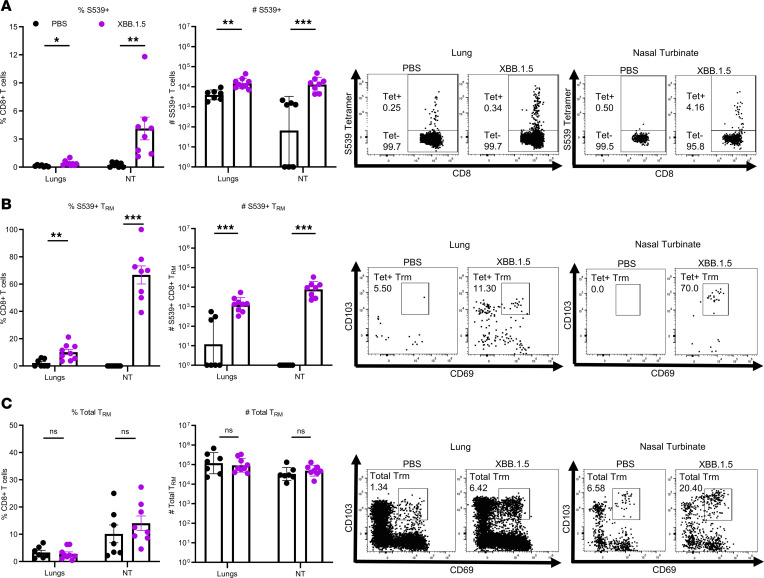
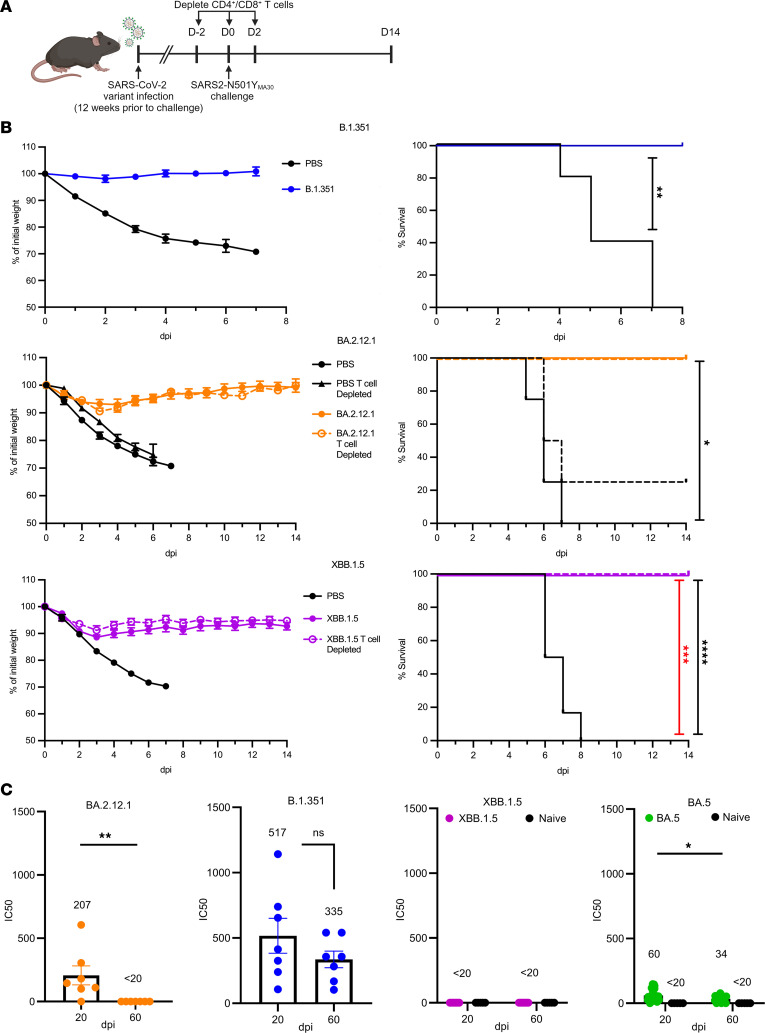
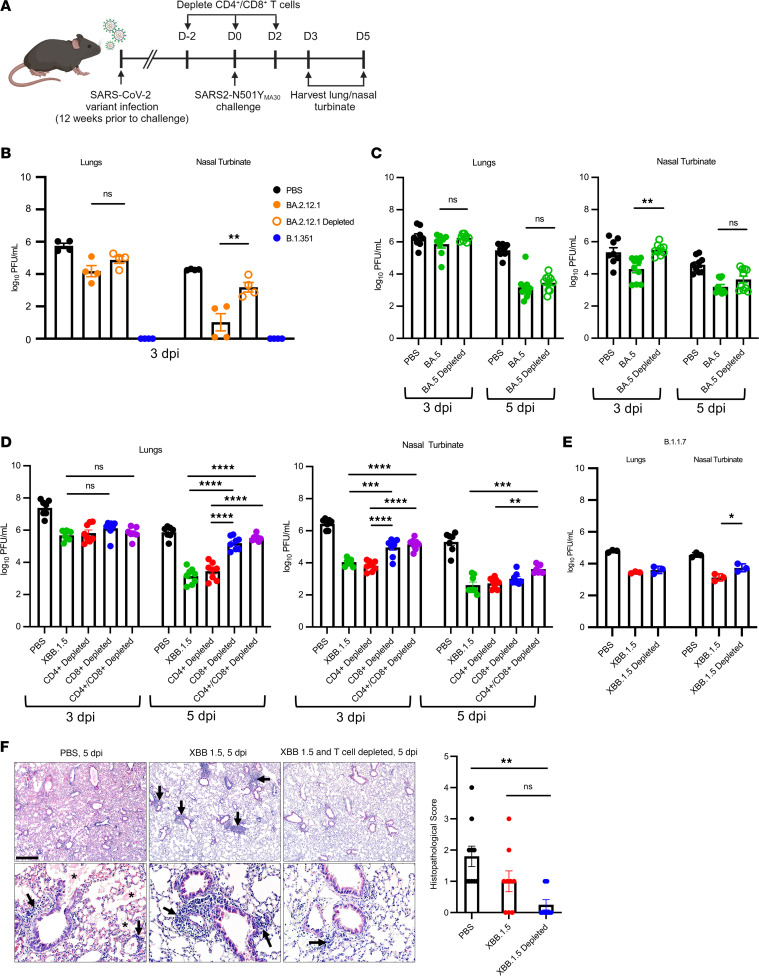
New vaccine formulations are based on circulating strains of virus, which have tended to evolve to more readily transmit human to human and to evade the neutralizing antibody response. An assumption of this approach is that ancestral strains of virus will not recur. Recurrence of these strains could be a problem for individuals not previously exposed to ancestral spike protein. Here, we addressed this by infecting mice with recent SARS-CoV-2 variants and then challenging them with a highly pathogenic mouse-adapted virus closely related to the ancestral Wuhan-1 strain (SARS2-N501YMA30). We found that challenged mice were protected from severe disease, despite having low or no neutralizing antibodies against SARS2-N501YMA30. T cell depletion from previously infected mice did not diminish infection against clinical disease, although it resulted in delayed virus clearance in the nasal turbinate and, in some cases, in the lungs. Levels of tissue-resident memory T cells were significantly elevated in the nasal turbinate of previously infected mice compared with that of naive mice. However, this phenotype was not seen in lung tissues. Together, these results indicate that the immune response to newly circulating variants afforded protection against reinfection with the ancestral virus that was in part T cell based.
新的疫苗制剂是基于正在传播的病毒株研发的,这些病毒株往往会进化,从而更容易在人际间传播,并逃避免疫中和抗体反应。这种方法的一个假设是病毒的原始毒株不会再次出现。对于以前未接触过原始刺突蛋白的个体来说,这些毒株的再次出现可能是个问题。在此,我们通过用近期的新冠病毒变异株感染小鼠,然后用与原始武汉-1株密切相关的高致病性小鼠适应病毒(SARS2-N501YMA30)对它们进行攻击来解决这个问题。我们发现,尽管受攻击的小鼠对SARS2-N501YMA30的中和抗体水平很低或没有,但它们受到了保护,未患上严重疾病。对先前感染的小鼠进行T细胞耗竭并没有减少对临床疾病的感染,尽管这导致鼻甲骨中的病毒清除延迟,在某些情况下肺部也是如此。与未感染的小鼠相比,先前感染的小鼠鼻甲骨中组织驻留记忆T细胞水平显著升高。然而,在肺组织中未观察到这种表型。总之,这些结果表明,对新出现的传播变异株的免疫反应为抵御原始病毒的再次感染提供了保护,这种保护部分基于T细胞。