
用于制备载雷帕霉素的乙酰化葡聚糖微粒的乳液法和喷雾法的比较。
Comparison of emulsion and spray methods for fabrication of rapamycin-loaded acetalated dextran microparticles.
作者信息
Ehrenzeller Stephen A, Lukesh Nicole Rose, Stiepel Rebeca T, Middleton Denzel D, Nuzzolo Steven M, Tate Aliyah J, Batty Cole J, Bachelder Eric M, Ainslie Kristy M
机构信息
Division of Pharmacoengineering and Molecular Pharmaceutics, Eshelman School of Pharmacy, University of North Carolina at Chapel Hill Chapel Hill North Carolina USA
Joint Department of Biomedical Engineering, University of North Carolina at Chapel Hill and North Carolina State University Chapel Hill North Carolina USA.
出版信息
RSC Pharm. 2024 Jul 8;1(4):727-741. doi: 10.1039/d4pm00054d. eCollection 2024 Oct 15.
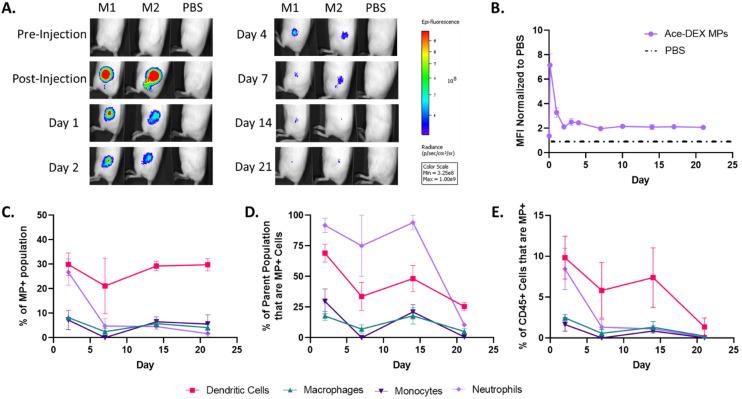
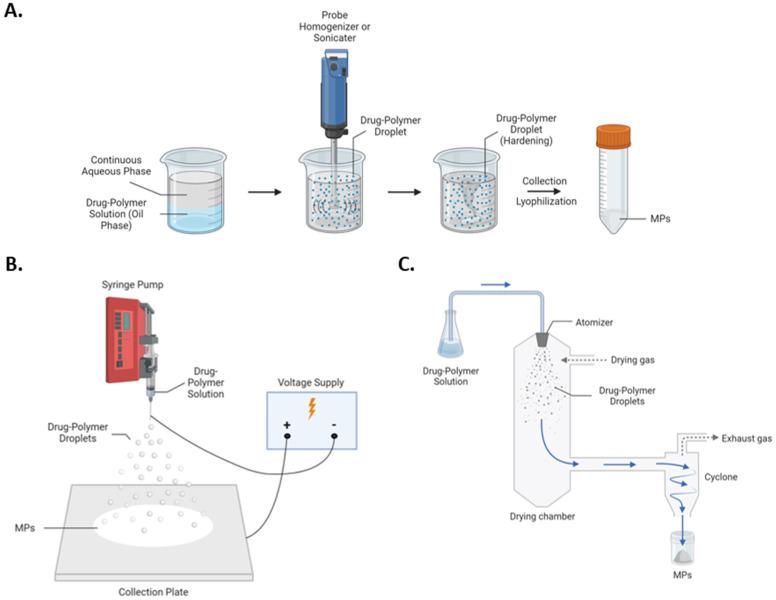
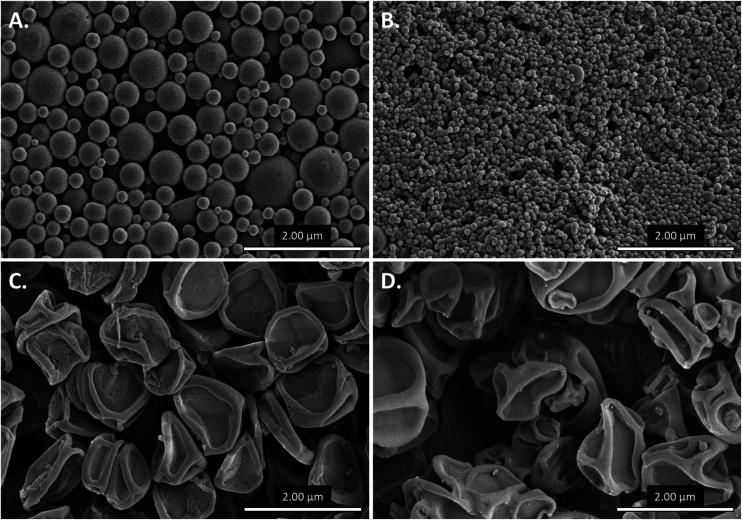
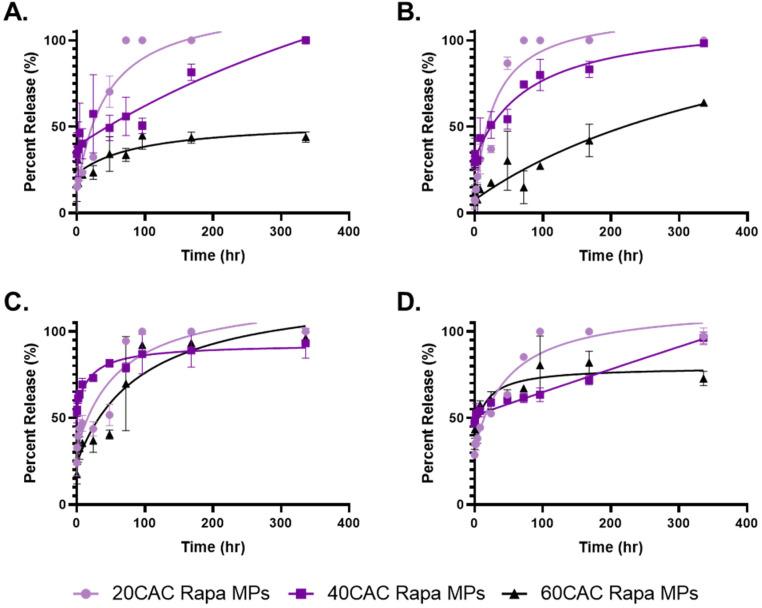
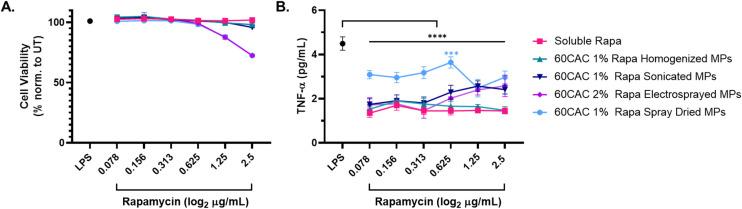
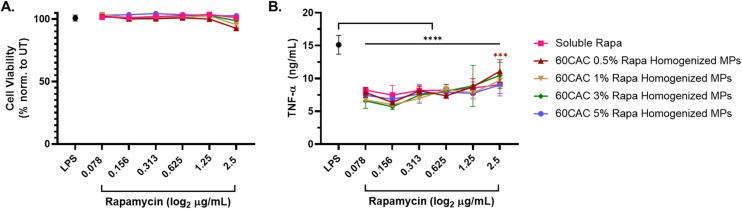
Rapamycin (rapa), an immunosuppressive medication, has demonstrated considerable effectiveness in reducing organ transplant rejection and treating select autoimmune diseases. However, the standard oral administration of rapa results in poor bioavailability, broad biodistribution, and harmful off-target effects, necessitating improved drug delivery formulations. Polymeric microparticles (MPs) are one such solution and have demonstrated promise in pre-clinical studies to improve the therapeutic efficacy of rapa. Nevertheless, MP formulations are highly diverse, and fabrication method selection is a critical consideration in formulation design. Herein, we compared common fabrication processes for the development of rapa-loaded MPs. Using the biopolymer acetalated dextran (Ace-DEX), rapa-loaded MPs were fabricated by both emulsion (homogenization and sonication) and spray (electrospray and spray drying) methods, and resultant MPs were characterized for size, morphology, surface charge, and drug release kinetics. MPs were then screened in LPS-stimulated macrophages to gauge immunosuppressive efficacy relative to soluble drug. We determined that homogenized MPs possessed the most optimal combination of sizing, tunable drug release kinetics, and immunosuppressive efficacy, and we subsequently demonstrated that these characteristics were maintained across a range of potential rapa loadings. Further, we performed trafficking studies to evaluate depot kinetics and cellular uptake at the injection site after subcutaneous injection of homogenized MPs. We observed preferential MP uptake by dendritic cells at the depot, highlighting the potential for MPs to direct more targeted drug delivery. Our results emphasize the significance of fabrication method in modulating the efficacy of MP systems and inform improved formulation design for the delivery of rapa.
雷帕霉素(rapa)是一种免疫抑制药物,已在降低器官移植排斥反应和治疗某些自身免疫性疾病方面显示出显著疗效。然而,雷帕霉素的标准口服给药导致生物利用度差、广泛的生物分布和有害的脱靶效应,因此需要改进药物递送制剂。聚合物微粒(MPs)就是这样一种解决方案,并且在临床前研究中已显示出改善雷帕霉素治疗效果的潜力。然而,MP制剂种类繁多,在制剂设计中选择制备方法是一个关键考虑因素。在此,我们比较了用于开发载雷帕霉素MPs的常见制备工艺。使用生物聚合物乙酰化葡聚糖(Ace-DEX),通过乳液法(均质化和超声处理)和喷雾法(电喷雾和喷雾干燥)制备了载雷帕霉素的MPs,并对所得MPs的尺寸、形态、表面电荷和药物释放动力学进行了表征。然后在脂多糖刺激的巨噬细胞中筛选MPs,以评估相对于可溶性药物的免疫抑制效果。我们确定均质化的MPs在尺寸、可调药物释放动力学和免疫抑制效果方面具有最优化的组合,随后我们证明这些特性在一系列潜在的雷帕霉素负载量范围内均能保持。此外,我们进行了示踪研究,以评估皮下注射均质化MPs后注射部位的储库动力学和细胞摄取情况。我们观察到树突状细胞在储库处优先摄取MPs,突出了MPs实现更有针对性药物递送的潜力。我们的结果强调了制备方法在调节MP系统疗效方面的重要性,并为改进雷帕霉素递送的制剂设计提供了依据。
 Zotero 插件